
The South African woman who built a salt empire from a garden shed


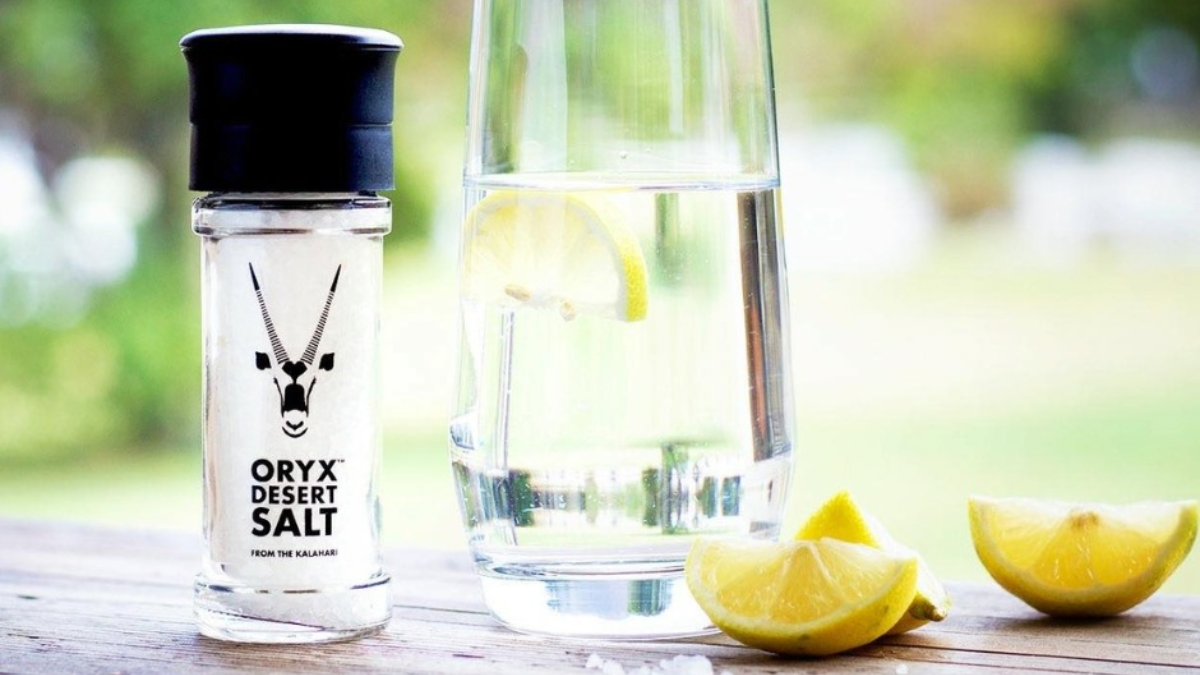
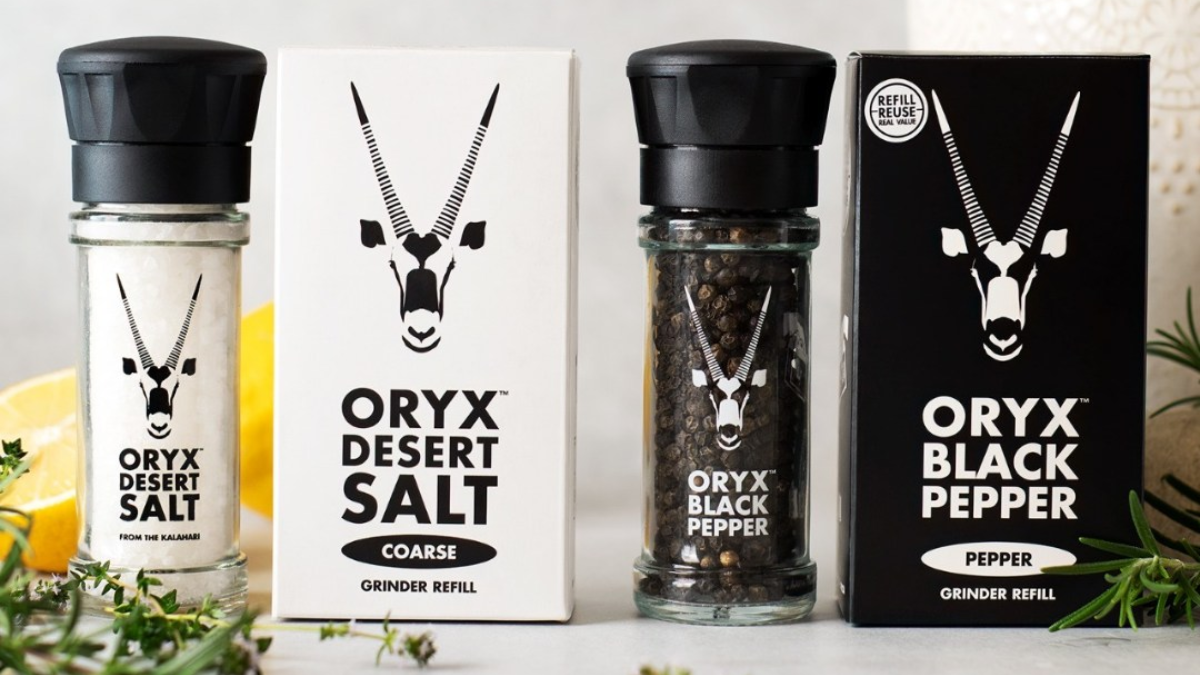
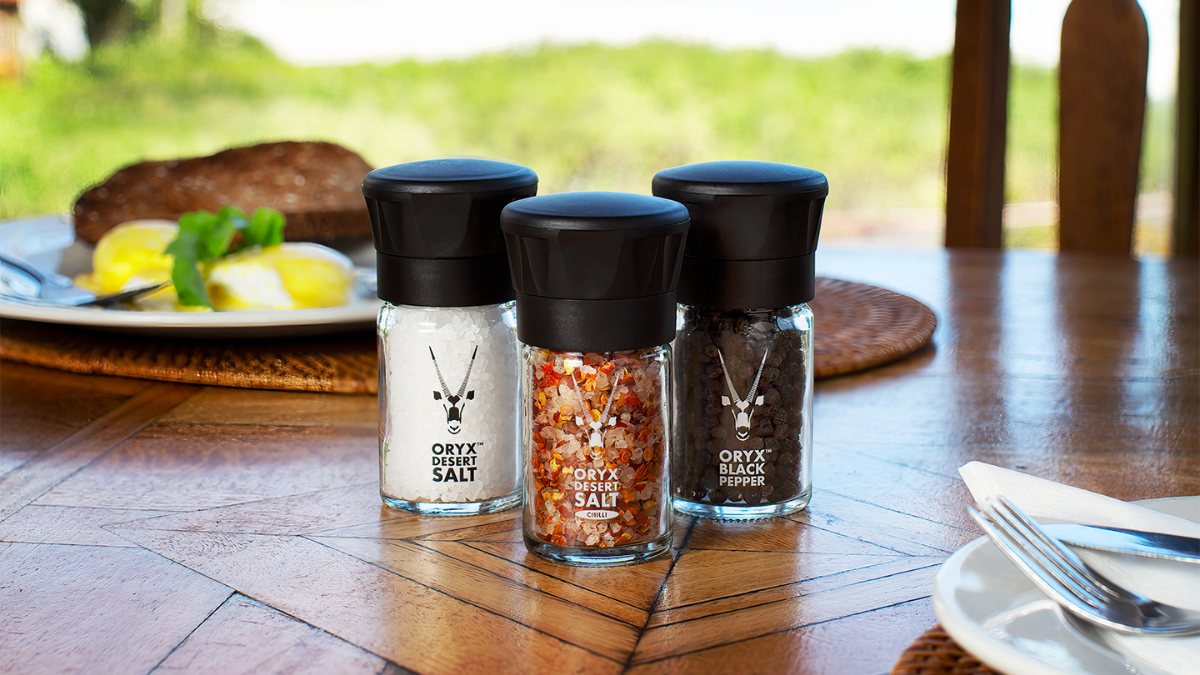
Oryx Desert Salt has become a household name, with the unmistakable Gemsbok logo gracing many dining tables across South Africa.
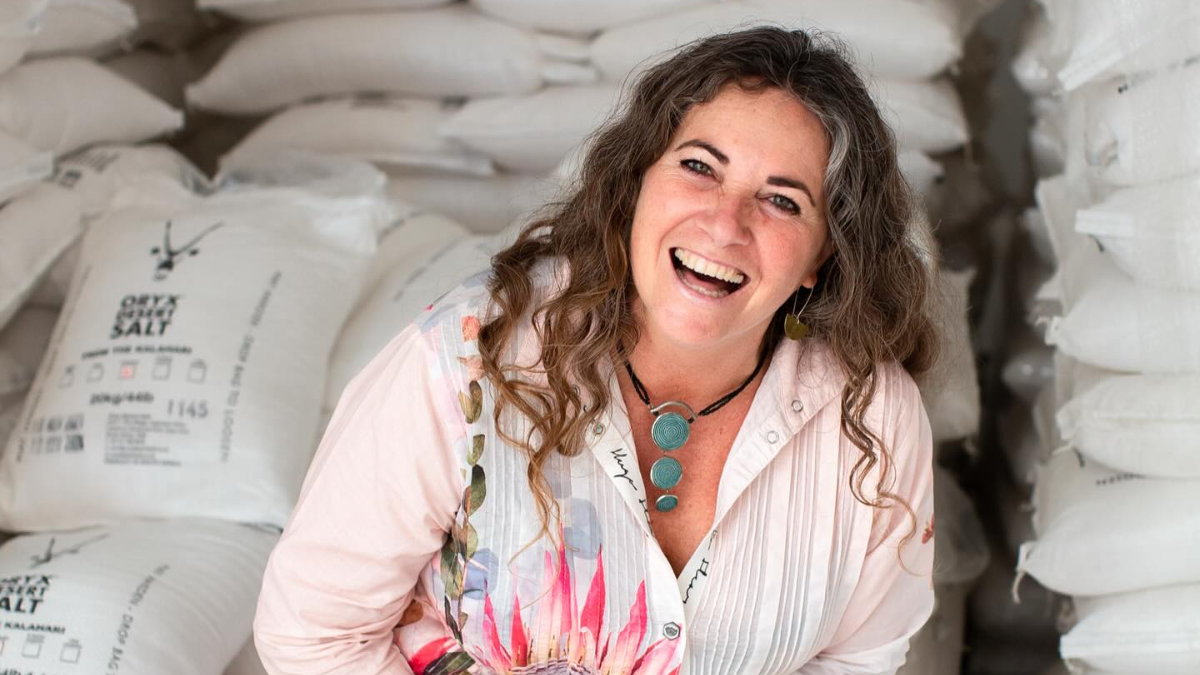
Founder of the Company, Samantha Skyring, built the brand from nothing but her passion for the pure healing power of Kalahari salt.
In an interview with Newsday, Skyring reflected on her business journey to date, crediting her success to her belief in the power of salt.
“Salt is in the bible 49 times. It’s in every religion, every culture,” she said. “It’s a very incredible mineral, it’s the only rock we eat, and our whole body functions on salt – our brain function, our digestion, our muscles, our nerves.”
She said that salt has gained a bad reputation, but that the mineral is not only beneficial, but crucial for balance and survival.
“We’ve been indoctrinated to believe that salt is bad for us,” she said. “There was a form of Chinese torture, where they withheld salt from the victims, and after some weeks, if you’ve had absolutely zero salt in your system, you aren’t able to pick anything up,” she said.
Following this, the body would shut down. “Salt creates a balance in our body. That’s, of course, if it’s a salt that is unrefined, unprocessed, uncontaminated, unpolluted, and nothing added.”
Before she started Oryx Desert Salt, Skyring was part of an NGO, 20,000 drums, and Beats and Breathing for Healing, where she travelled around the country to rural communities and schools, guiding drum workshops and breathing exercises for children.
However, everything changed for Skyring in the 2007 financial crash. “There was no money for feel-good, happy, do-good projects,” she explained.
“I also fell pregnant in April of 2007, and my son was born in December, so I wasn’t looking for anything new.”
Skyring’s then-husband, whom she met through the drum project, however, was looking for a food product that had a spiritual quality to it for a business venture.
“He happened to be at a dinner, sitting next to the Kalahari salt pan owner’s daughter, and so they had a conversation, and he then went up to the pans and just knew that it was a beautiful product.”
Starting from salt-rock bottom
He wanted to export the salt and sell it in Denmark, his home country, and so he left Skyring and their son in South Africa, while she designed the business’s websites, flyers and business cards.
“A year and a half later, I thought that I was living my life as a single mom, when I had a husband. At the same time, my son’s father was hitting emotional overwhelm,” she explained.
Skyring decided that the best way to make her marriage work was to move to Denmark. “Unfortunately, he devolved into addiction,” she explained.
“About a year and a half later, after a highly unpleasant incident, I ended up leaving a note on the table and taking my three-year-old under my arm and escaping Denmark.”
Skyring returned to South Africa, where her 20,000-drums project held its final workshop in Rustenburg.
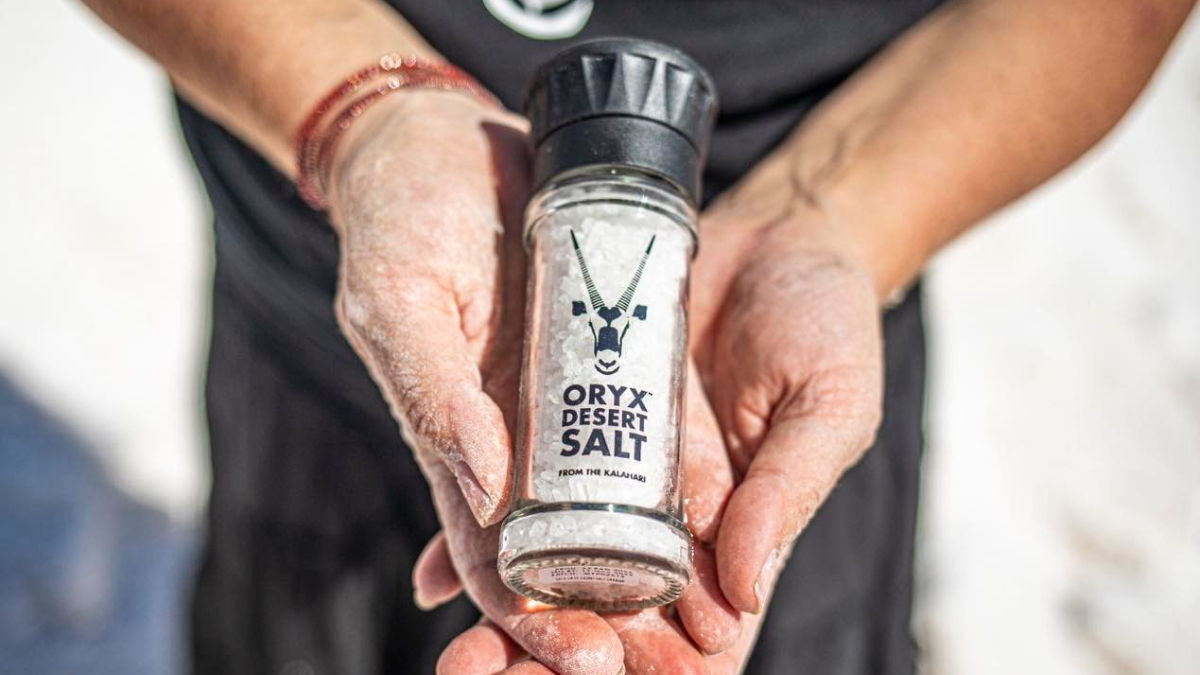
With the money she gathered from this, and from selling her house, she bought 34 tonnes of the Kalahari salt.
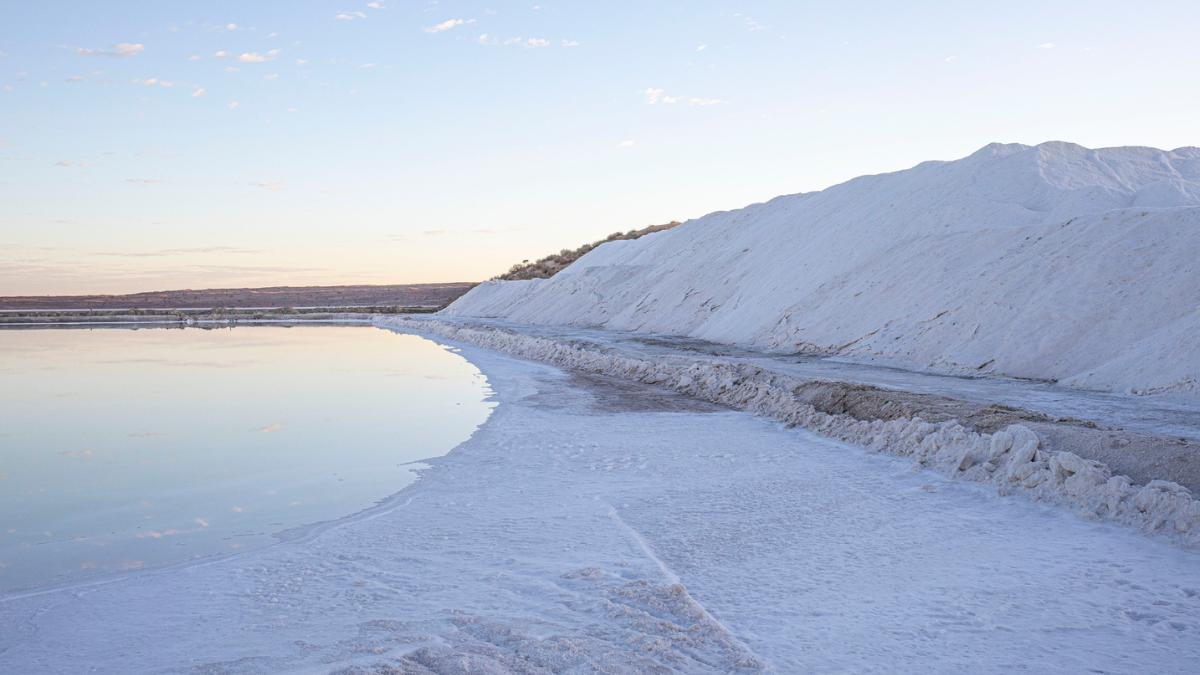
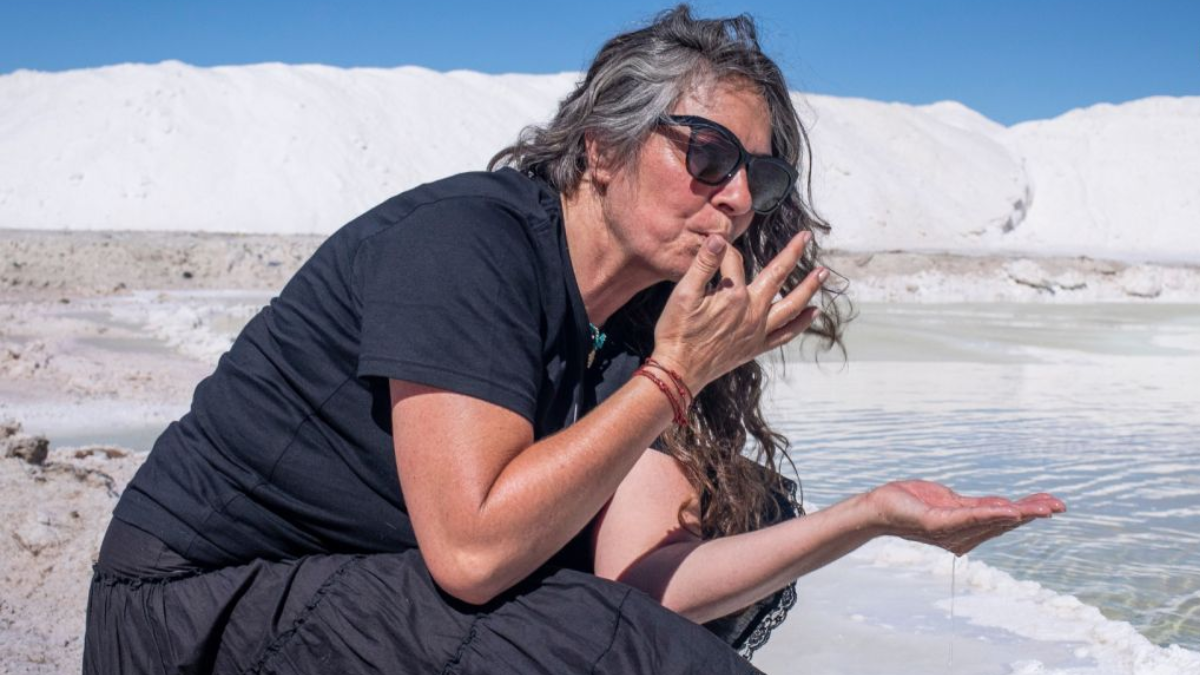
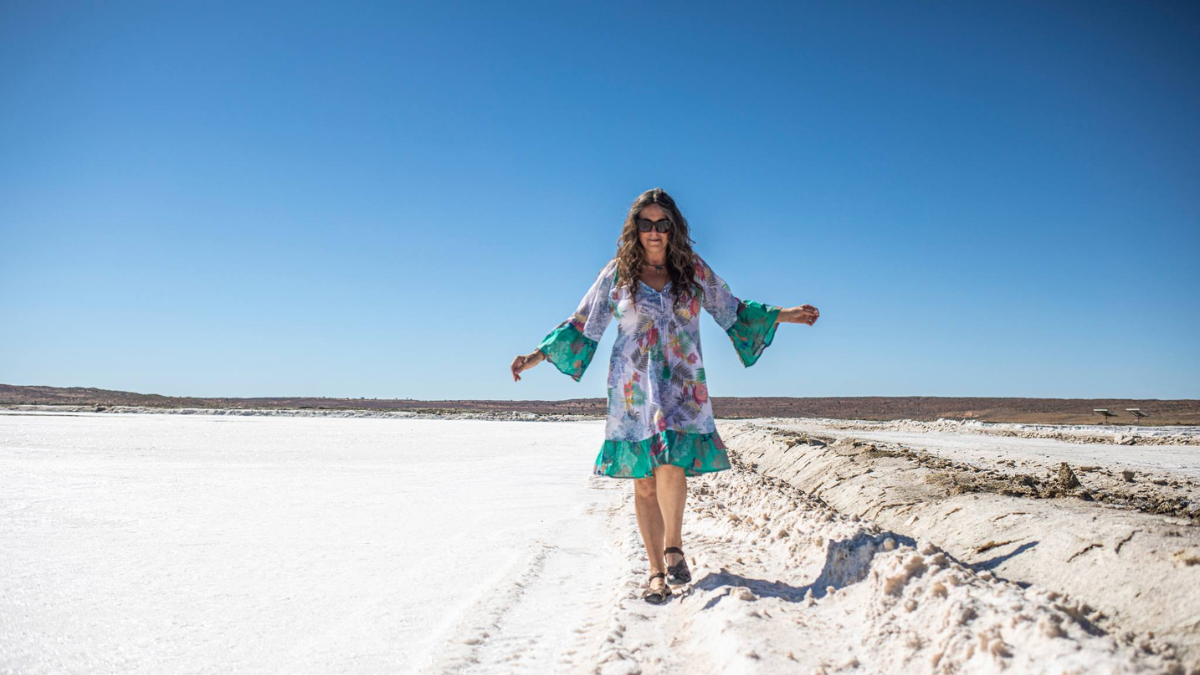
250 km north of Uppington in the Kalahari desert, the 55 million tonne underground salt lake was discovered, which is renewed by subterranean rivers that flow towards the 80-million-year-old ancient rock strata.
“Oryx is definitely one of the purest salts on the planet, because of its location,” she said. The Kalahari salt lake is oversaturated, so when salt is poured onto the salt pan, in the summer heat, the salt crystallises in only four weeks.
This is compared to sea salt, which is only 13 to 20% brine and takes much longer to saturate and crystallise, leaving it open to wildlife and contaminants.
Skyring said that table salt contains chemicals and additives that prevent salt from absorbing water, its main benefit to humans.
While sea salt is hailed as the healthy alternative, 95% of sea salt that is being tested today contains microplastics, not to mention pollution from farms, factories and sewage.
Skyring believed that her calling was to share these vast salt reserves with the world, giving a sprinkle of South Africa and the healing properties of Kalahari salt to everyone who buys the product. Buying the 34 tonnes of salt took everything she had.
“I moved into a 5 by 3 metre wooden Wendy house in the corner of a friend’s garden with no toilet, I had to walk across the parking way to go to a little outhouse,” she said.
She lived in the garden for nearly two years, and it was from the unassuming garden shed where she founded Oryx Desert Salt. “I was packing the bottles on my table,” she recalled.
A sprinkle of South Africa
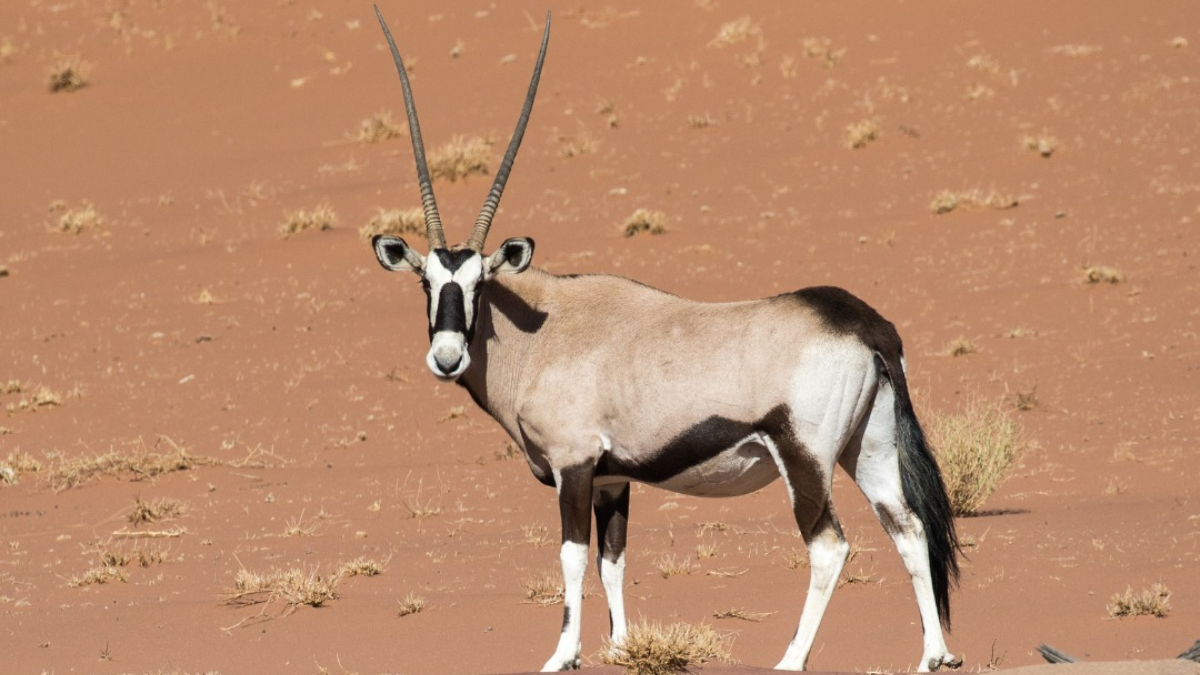
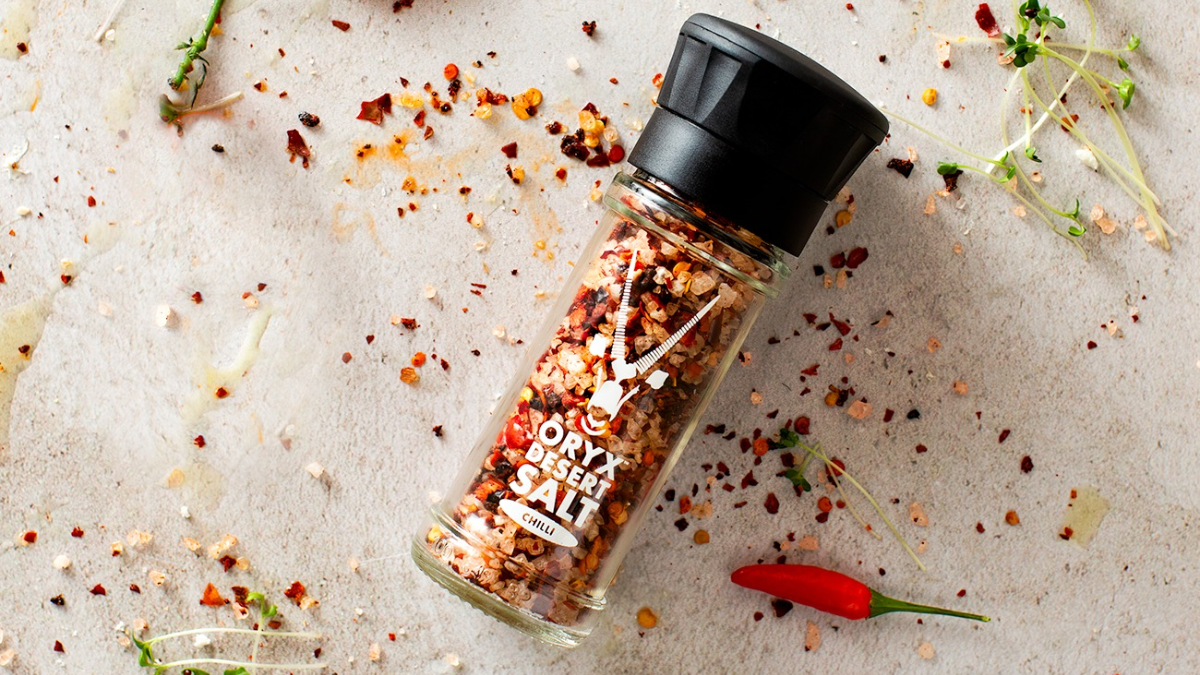
Building her brand, Skyring chose the symbol of the oryx, the Gemsbok, as the logo for her salt company.
This was inspired by her own personal experiences with the animal. The first of which was while she was travelling with friends in Soussesvlei, Namibia.
While Skyring and a companion were sitting on a sand dune, watching a pair of Oryx in the distance at night, they were suddenly startled by two of the creatures running toward them. The two oryx stopped in front of them.
“They halted and skidded to a stop, because we were sitting in their path,” she said. For Skyring, with the size of the desert being so vast, this was nothing short of a miracle.
Years later, Skyring would embark on a 120km, 7-day walk across the Namib Desert, where she again came face to face with the mysterious desert animal.
She sat down with Grant Rushmere, brand architect and creator of the BOS Ice Tea and Striped Horse logos, to create the now-iconic Oryx branding: the unmistakable head of the oryx. Through local markets and word of mouth, the company began to grow.
However, it has not risen without its challenges. When the Covid-19 pandemic hit in 2020, Skyring said the company lost 60% of its sales.
“I had a Covid blessing, lost 60% of sales,” she said. She set her intentions on American-based multinational company Whole Foods, and became a supplier.
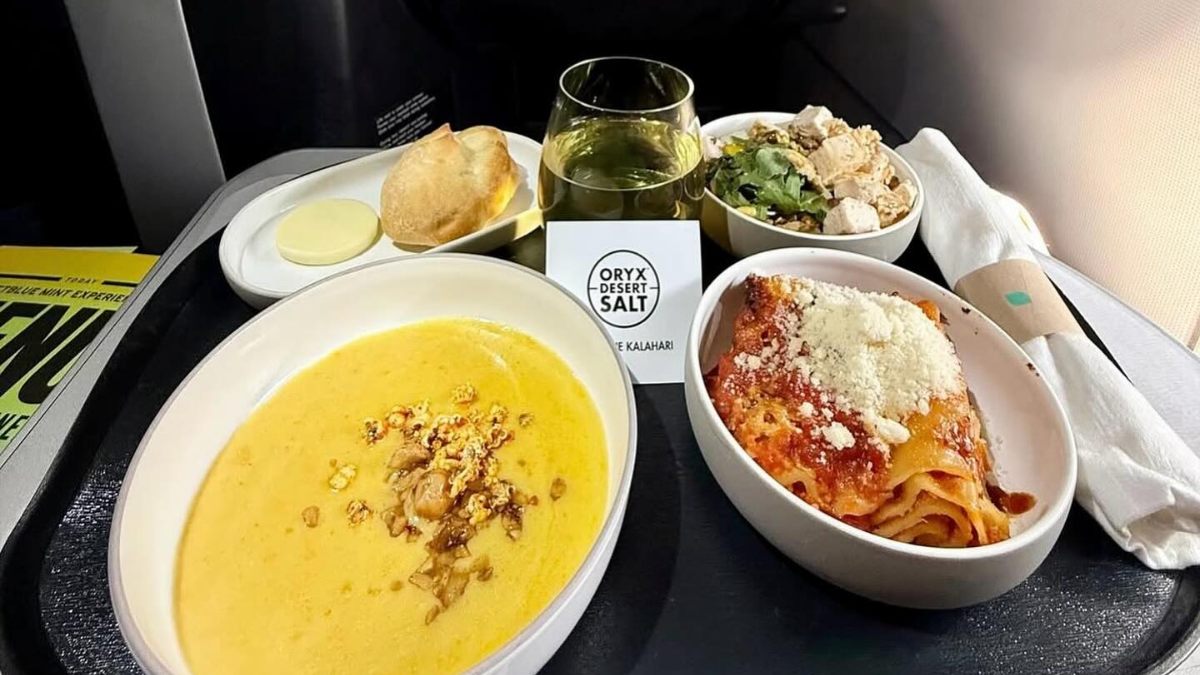
From here, Oryx Desert Salt has only continued to rise, selling not only at Whole Foods, but World Market, Amazon and in over 23 countries. It is served on JetBlue and Amtrak airlines, and in countless South African stores and restaurants.
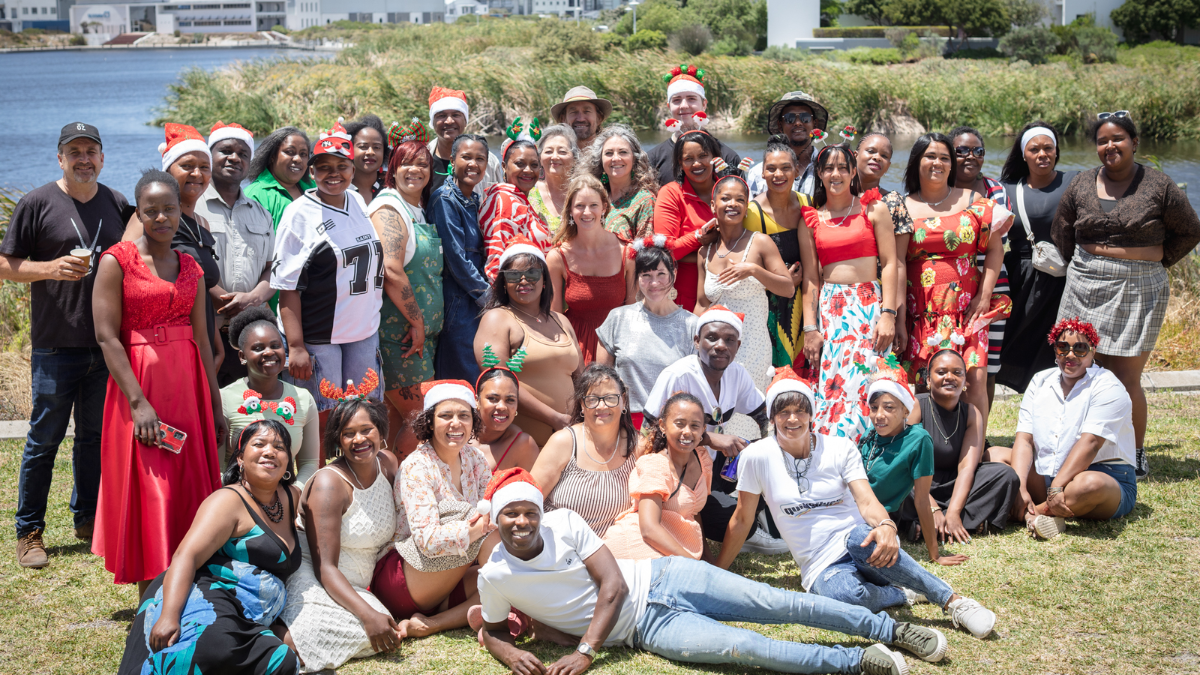
Skyring and her growing team of over 45 people, mostly women, still credit their South African roots for their international success.
“I think every sprinkle of Oryx on every flight, on every meal, I think it’s a connection back to South Africa.”
“There’s something very magical about South Africa and the salt we have here, and that, for me, is the resonance that’s going out into the world,” she said.



















 Loading ...