
Businesses in once-thriving South African town crying out for help


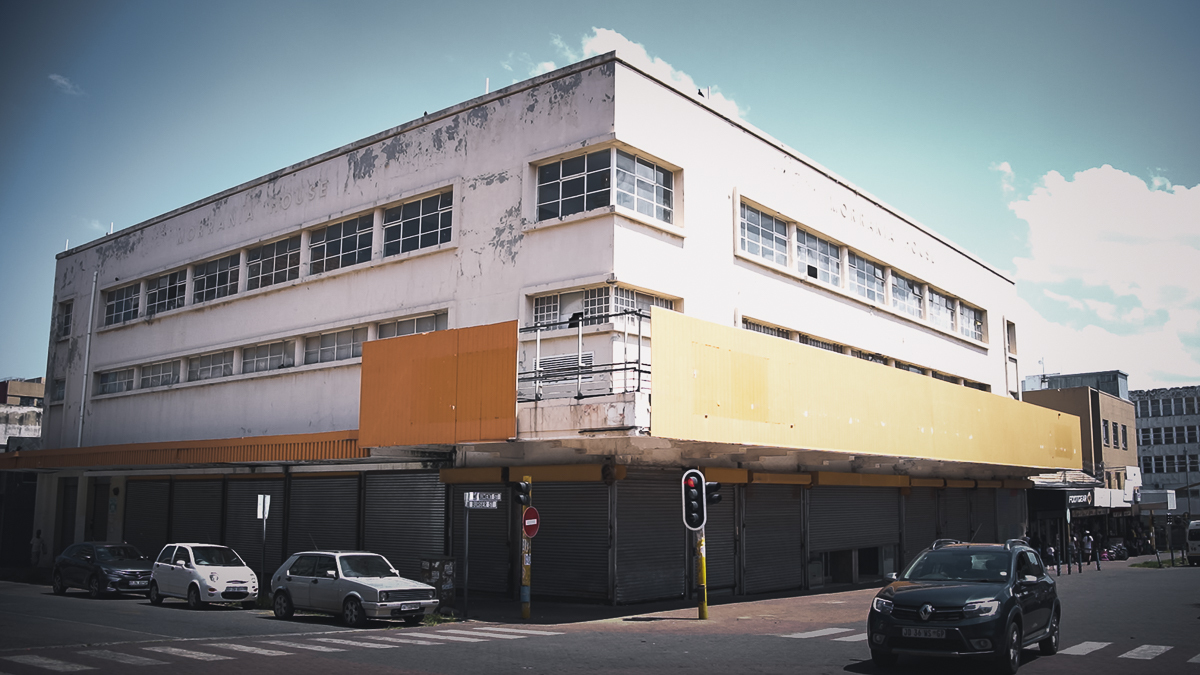
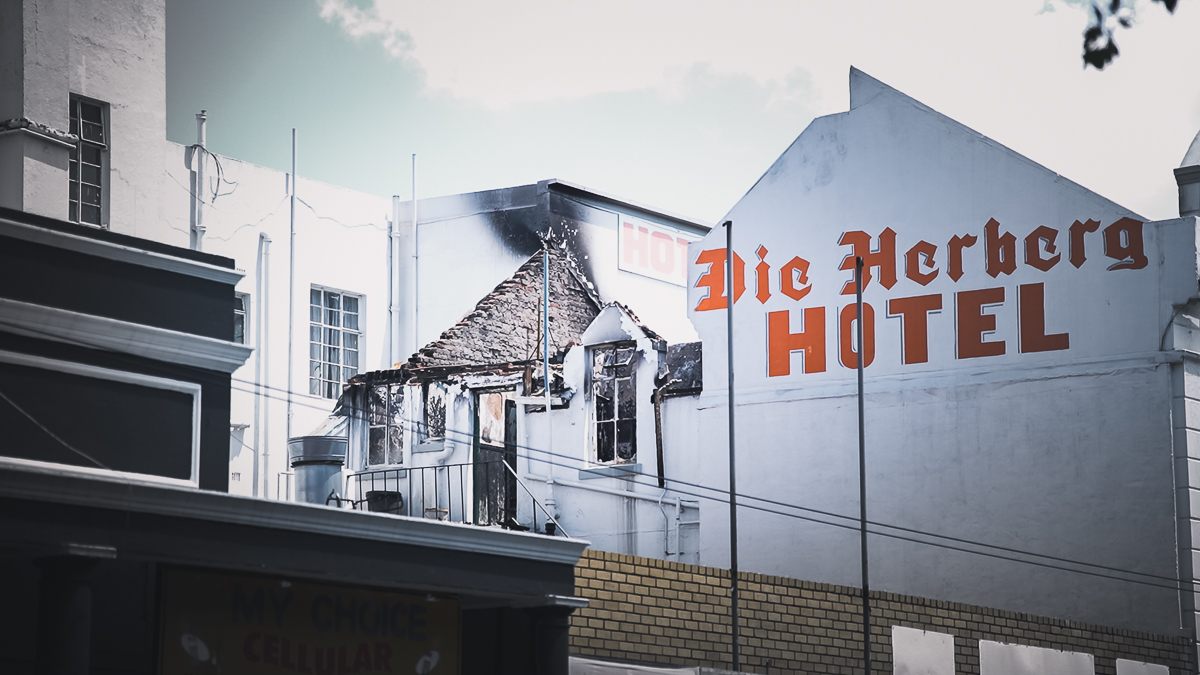
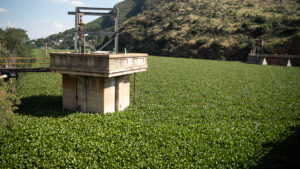
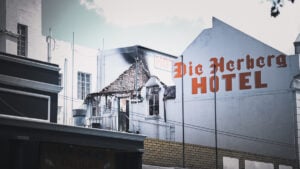
Ageing and neglected infrastructure, deteriorating buildings, illegal land-use activities, safety concerns, underutilised public spaces, and a growing homelessness population.
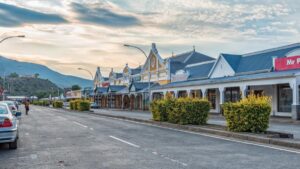
These are just some of the mounting challenges that the Mogale City Local Municipality in Gauteng’s West Rand has conceded that the Krugersdorp Central Business District (CBD) is experiencing.
Once a major industrial hub built on the 1886 gold rush, the town is now grappling with severe urban decay.
Long-standing entrepreneurs feel abandoned, citing the aforementioned issues, compounded by service delivery woes and a lack of bylaw enforcement, as major drivers of an economic exodus.
Boetie Bhalia, a business owner in the CBD for over 50 years, described the situation as “depressing,” comparing the local economy to a suffering patient “slowly bleeding out”.
This decay has triggered the “doughnut effect,” where economic activity flees the hollowed-out center for the periphery.
Consequently, major anchor tenants, including Jet, Edgars, and a large Spar, have closed their doors, leaving behind shuttered storefronts now flanked by weeds and burning trash.
Those remaining face a daily battle against service delivery failures. Democratic Alliance ward councillor Mark Trump notes that collapsing basic services have been a major contributor for this economic exodus.
For example, Mogale City lost an estimated R117 million worth of water over the last year, contributing to multiple prolonged water outages across the municipality.
Trump argues that private efforts to restore individual buildings are futile, akin to “putting lipstick on a pig”, because the underlying infrastructure has collapsed.
Business owner experiences
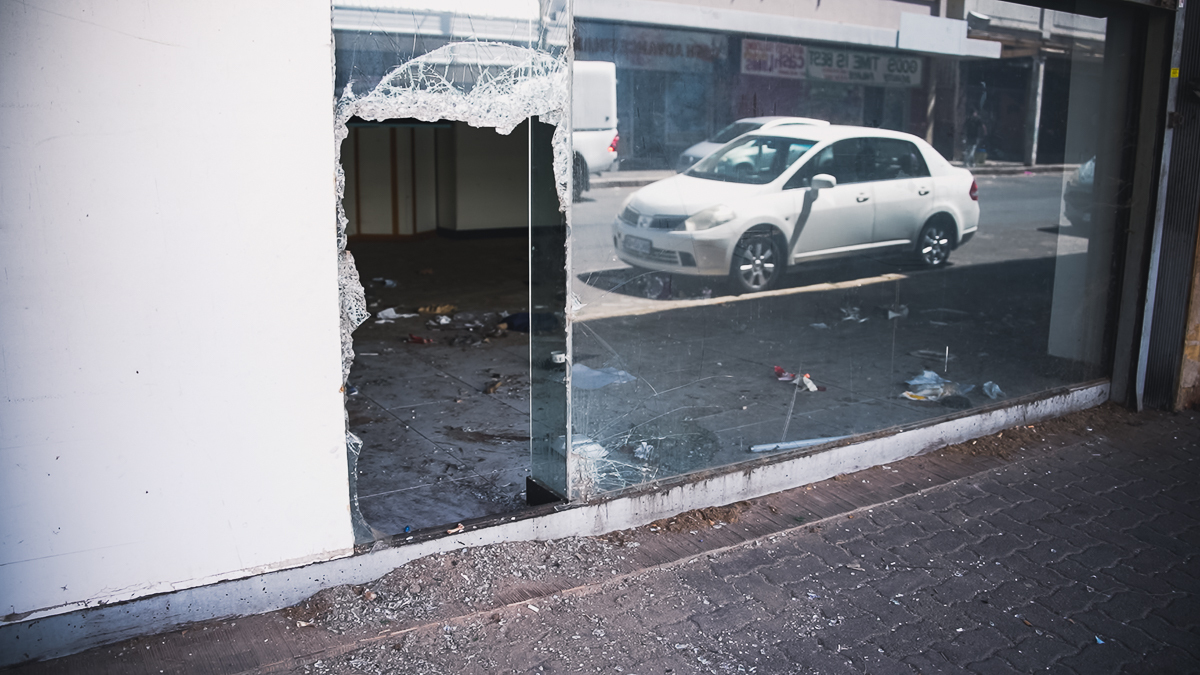
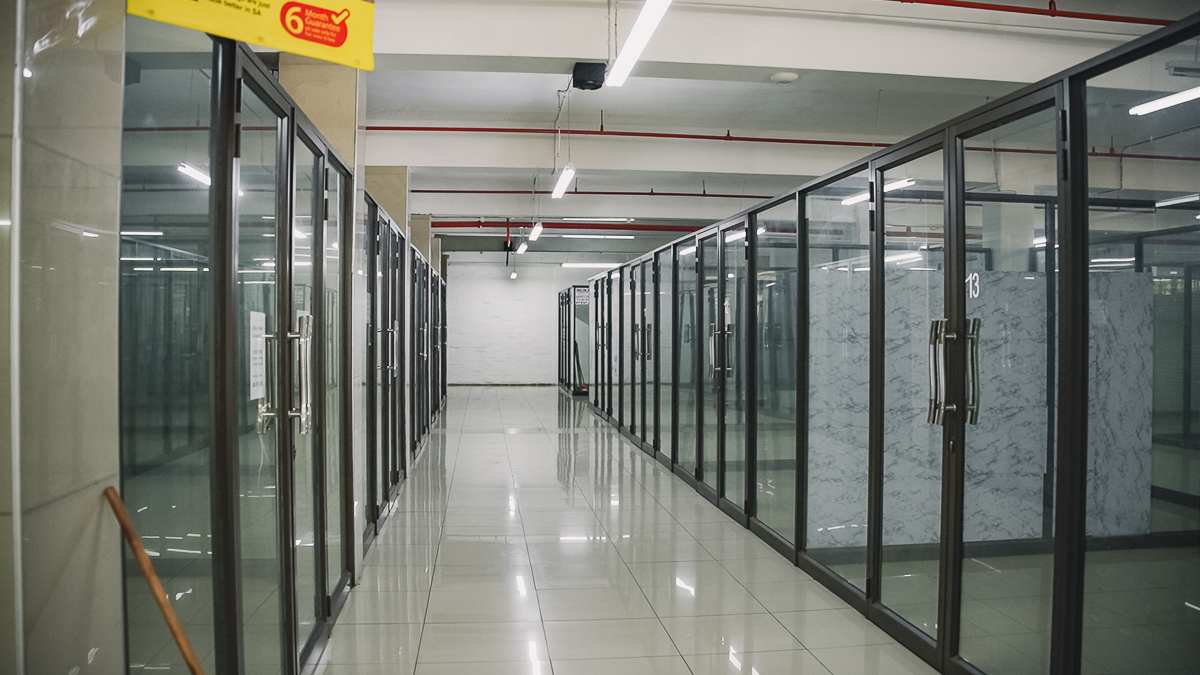
Furthermore, lawful and registered business owners report feeling targeted by the municipality.
Bhalia described how the municipality’s changes to refuse collection forced shop owners to leave bins on street corners where they were stolen or raided by vagrants, despite businesses paying thousands each month for waste services and even hiring staff to keep pavements clean.
Bhalia claimed he was still hit with two separate R10,000 charges; one labelled a “waste management levy” and another for allegedly “dirtying the pavement.”
He noted that he spent more than a year being pushed from office to office with no resolution, something he says drives many businesses out of town.
He blamed the town’s collapse on corruption and incompetence, describing municipal contracts as a “job for pals” system where contractors deliver half-finished work while money is siphoned off through bribery.
Additionally, he notes how crime has surged; the area is plagued by hijacked buildings run by slumlords and a rise in drug use, specifically “nyope,” which has led to aggressive behavior and the stripping of copper cables from public infrastructure.
He apointed to scrapyards as a driver of crime, claiming they attract drug users who strip infrastructure for scrap, while shop owners are left cleaning human waste and needles daily and living in fear of retaliation if they confront vagrants.
According to the business owner that has called Krugersdorp home for over 50 years, he said that the real problem is a lack of political will.
He argued that senior officials would not tolerate the conditions if they actually worked or shopped in the CBD, and urged them to leave their offices and conduct regular inspections on the ground.
Mogale City response
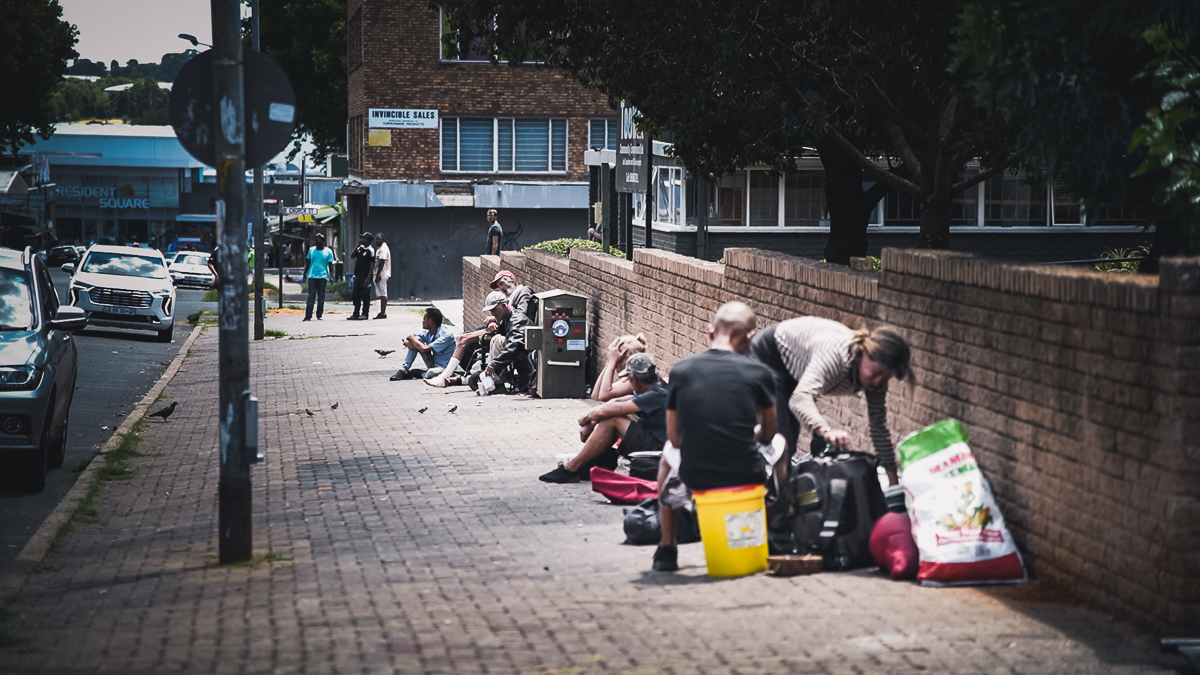
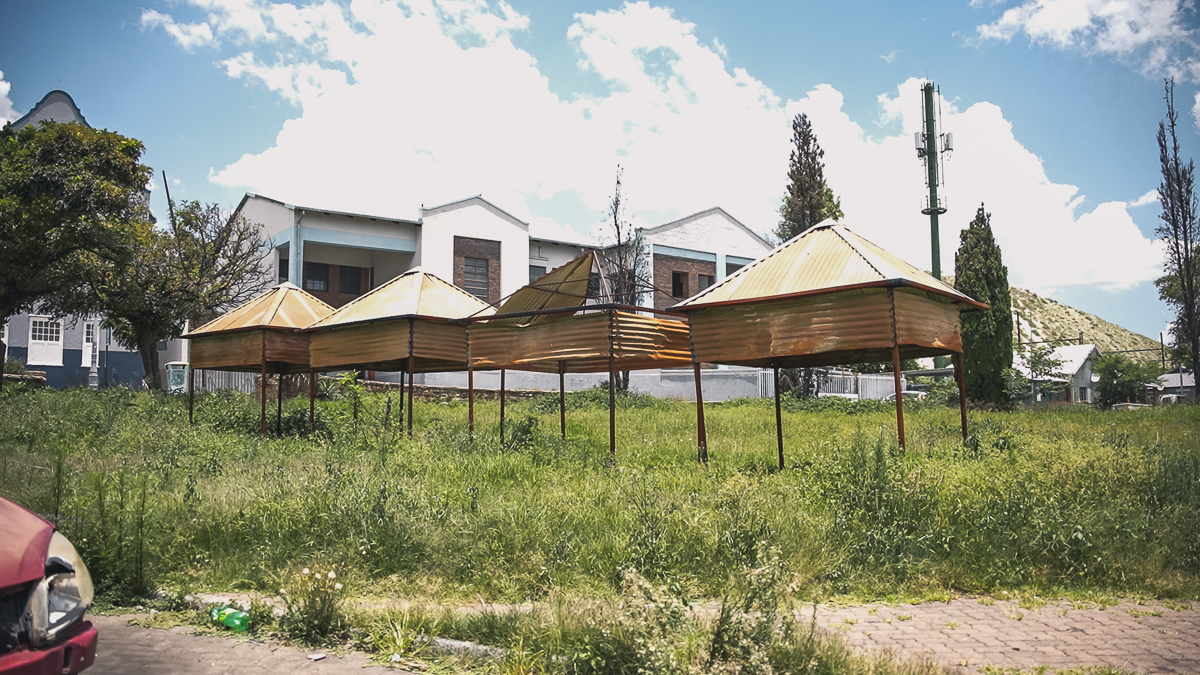
In response to these cries for help, the Mogale City Local Municipality denies that governance failures are the sole cause, pointing instead to “complex systemic factors” like historical spatial planning and disinvestment.
The municipality insists a turnaround is in motion, funded by the National Treasury’s Neighbourhood Development Partnership Programme.
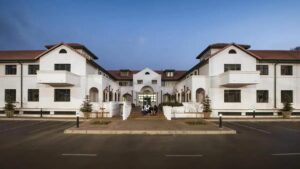
This “Precinct Plan” aims to redevelop the Civic Centre by July 2026 and repurpose vacant buildings for social housing.
However, for the businesses currently operating behind locked gates and facing daily infrastructure theft, these long-term plans offer little immediate solace.
As one owner noted, without a drastic change in will power from authorities to enforce by-laws and restore order, the once-bustling town risks becoming a permanent ghost town






 Loading ...
Mogale city!!!! Glad the ANC changed the name from Krugersdorp.!!