
United States slams South Africa’s removal of top Israeli diplomat


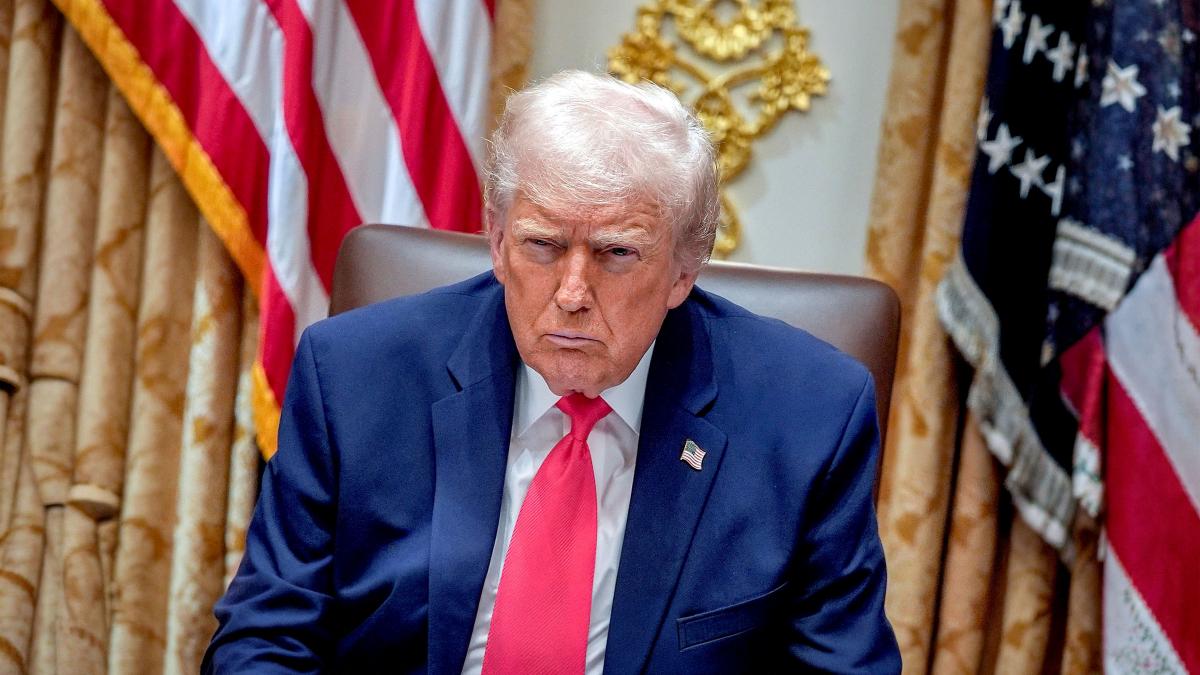
The United States has responded to the South African Department of International Relations and Cooperation’s (DIRCO’s) removal of the Israeli embassy’s Charge d’Affaires, calling it a continuation of poor foreign policy choices.
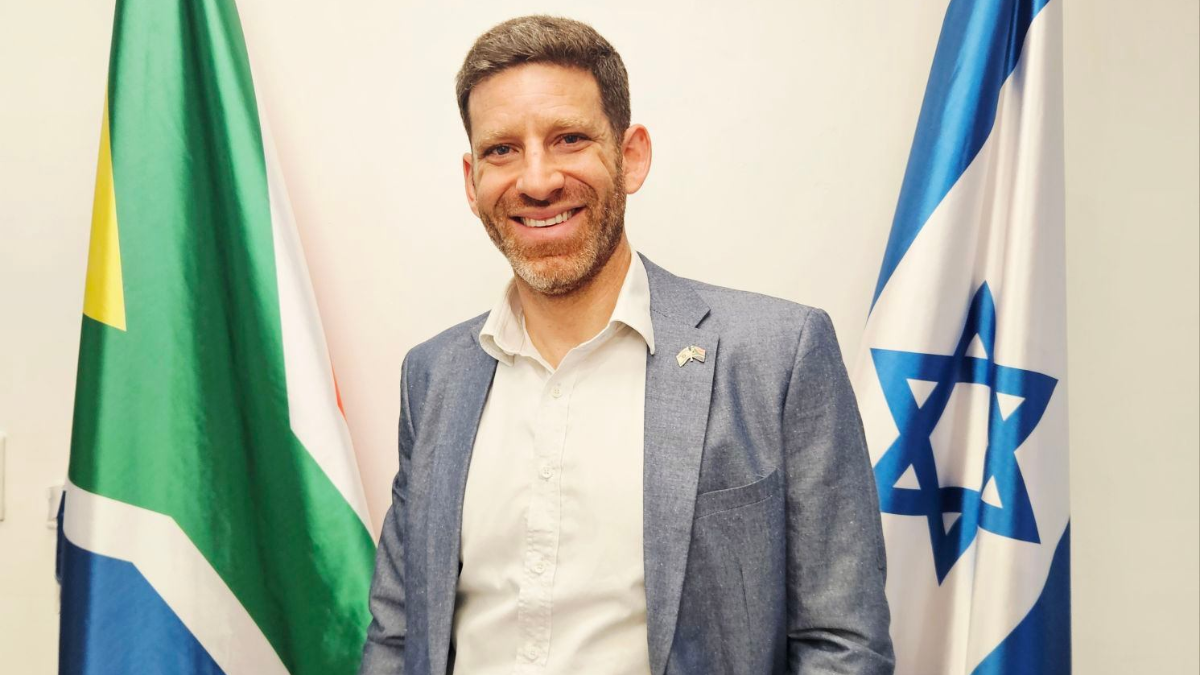
DIRCO declared the Charge d’Affaires Ariel Seidman persona non grata and gave him 72 hours to leave South Africa on 30 January.
The drastic measure has been taken after Seidman and the Israeli Embassy undertook “unacceptable violations of diplomatic norms and practice, which pose a direct challenge to South Africa’s sovereignty,” DIRCO said.
At the time, co-governing parties within the Government of National Unity (GNU), the Democratic Alliance (DA) and Freedom Front Plus (FF+) warned that the decision could further strain relations between South Africa and the US, a major Israel ally.
On 4 January, the Principal Deputy Spokesperson for the US Department of State commented on the matter, confirming the Trump administration’s disapproval.
“South Africa’s recent decision to expel Israel’s top diplomat is another example of its poor foreign policy choices,” he said in a post on social media platform X.
“Expelling a diplomat for calling out the African National Congress party’s ties to Hamas and other antisemitic radicals prioritises grievance politics over the good of South Africa and its citizens,” he continued.
Seidman, according to DIRCO, was expelled for the repeated use of official Israeli social media platforms to launch “insulting attacks” against President Cyril Ramaphosa, and for the “failure to inform DIRCO of purported visits by Israeli officials.”
The VF+ and the DA both expressed the worry that the decision to remove Seidman would further deepen the rift between South Africa and the US after months of tension between the two countries.
The relationship between South Africa and the US has been strained over the last few months, a situation which African National Congress (ANC) secretary General Fikile Mbalula called a “cold war”.
South Africa’s ‘cold war’ with the US
In March, President Donald Trump’s administration expelled South Africa’s ambassador to Washington, Ebrahim Rasool, who was described by Secretary of State Marco Rubio as a “race-baiting politician” who hates Trump.
In May 2025, Trump confronted President Cyril Ramaphosa with footage purportedly showing attacks on white farmers, a narrative he has used to justify withholding aid and imposing tariffs on South Africa.
The US president has since established a refugee program “for people who are of Afrikaner ethnicity or a member of a racial minority in South Africa who are victims of government-sponsored race-based discrimination.”
Ramaphosa has frequently responded to Trump’s claims of a white genocide, calling them “blatant misinformation about our country.”
South African officials have also denied the allegations, saying that violent crime levels, while unacceptably high, impact all races.
Since then, the US has boycotted the South African-hosted G20 Leaders Summit and banned South Africa from attending the 2026 event held in the US.
The US senate is currently proposing three laws to impose penalties on South Africa and high-ranking officials.
The ANC has recently announced it will hold a national march in protest of the US foreign policy, which the party argues threatens the sovereignty of South Africa and other countries.
“Given the fragile relations between South Africa and the United States (US), DIRCO’s action against Israel – the US’s major ally – is wilful and provocative,” said VF+ Leader Dr Corné Mulder.
This was echoed by the DA’s DIRCO Spokesperson Ryan Smith. “Rather than confronting its own failures at home, DIRCO, fully captured by the ANC, chose to provoke an international dispute abroad,” he said.
“This only unnecessarily heightens diplomatic tensions and places South African trade squarely in the firing line.”






 Loading ...