
The people reviving the Johannesburg CBD from within


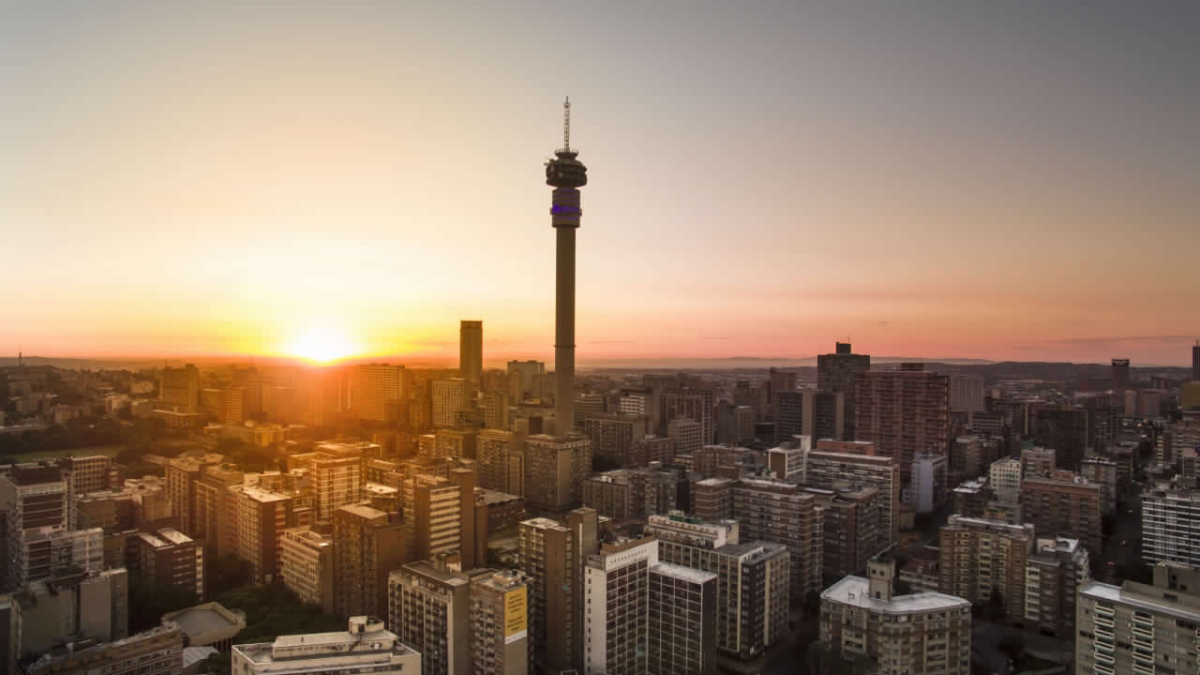
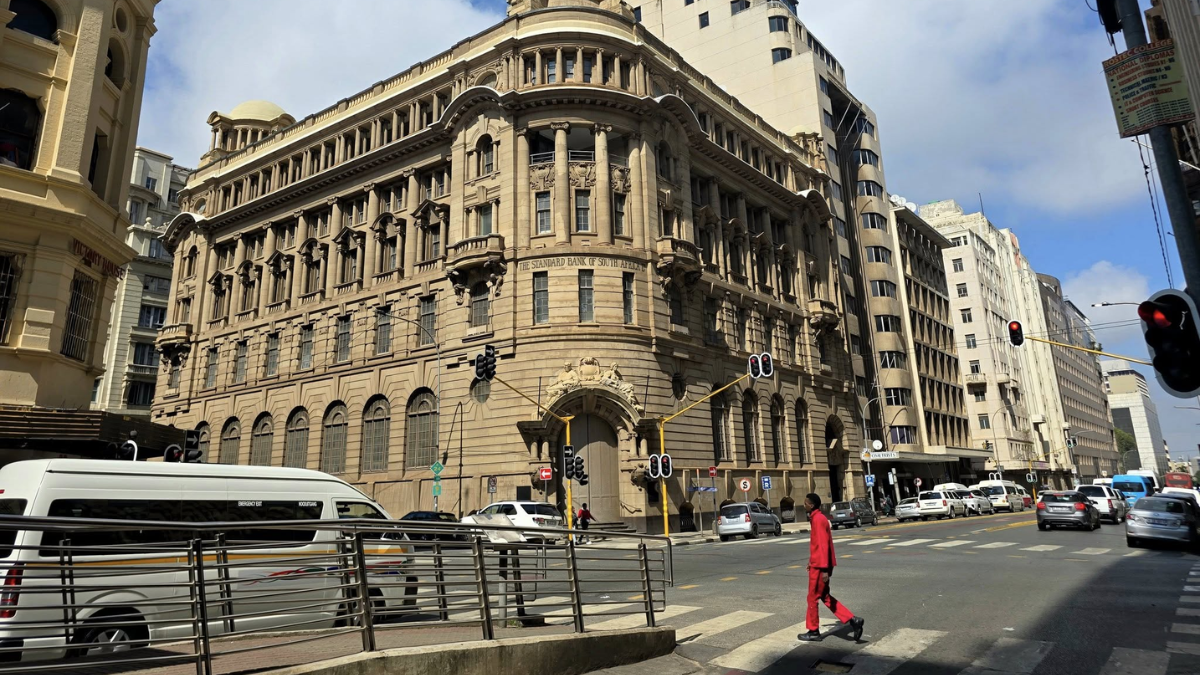
In the heart of inner-city Johannesburg, in the historical building that was once the headquarters of Anglo-American, there is an organisation of passionate individuals working every day to revitalise the Johannesburg CBD.
Jozi My Jozi is a non-governmental organisation (NGO) working to make the city safer, cleaner, and bring big business back to the once-bustling streets.
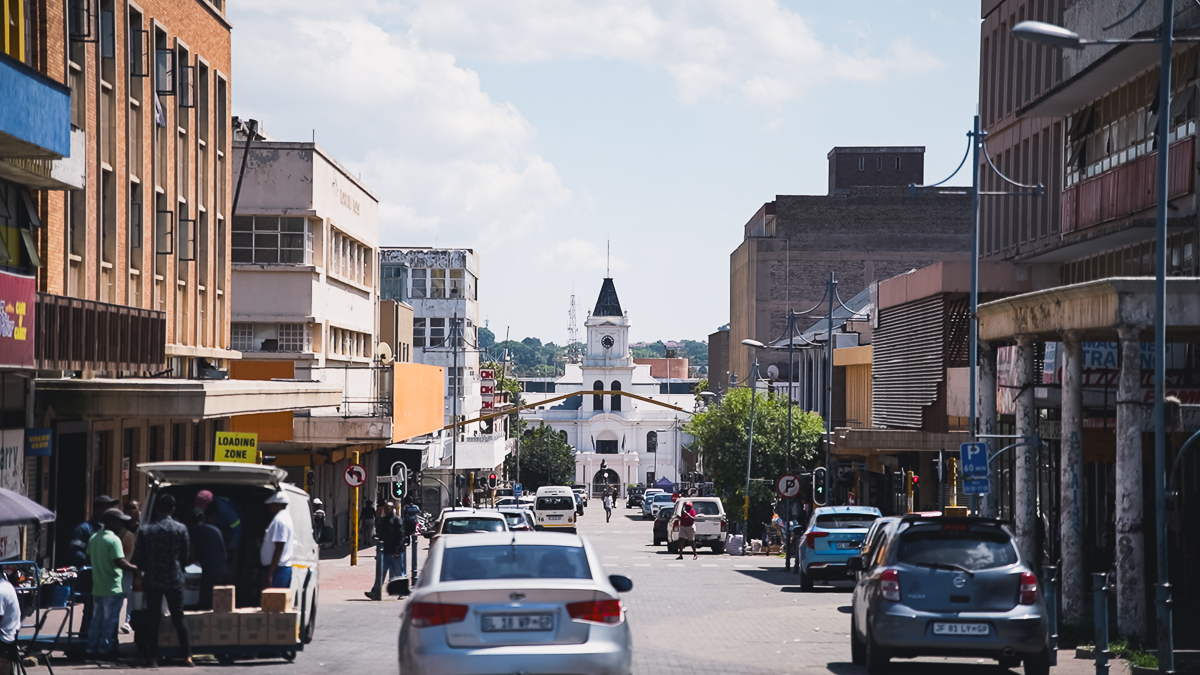
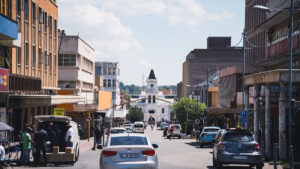
The Johannesburg CBD, once the centre of business in South Africa and the hub for big mining companies built atop the area’s vast gold reserves, saw a rapid decline into lawlessness and decay that chased away many of its big businesses over the last few decades.
The city has experienced rising crime rates, coinciding with the migration of businesses to newer hubs such as Sandton and Rosebank, leaving deserted buildings in their wake.
Infrastructure began to decay, basic service delivery gradually began to fail, causing more commerce to abandon the city of gold, and bringing in more elements of crime, lawlessness and dilapidation.
However, some have refused to give up on the inner city. Started on Mandela Day in 2023 as a grassroots movement, Jozi my Jozi has grown exponentially and completed dozens of projects improving the area.
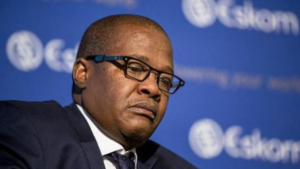
Newsday sat down with the new Jozi My Jozi CEO, Innocent Mabusela, who shared his passion for bringing the city back to its former glory.
Action over words
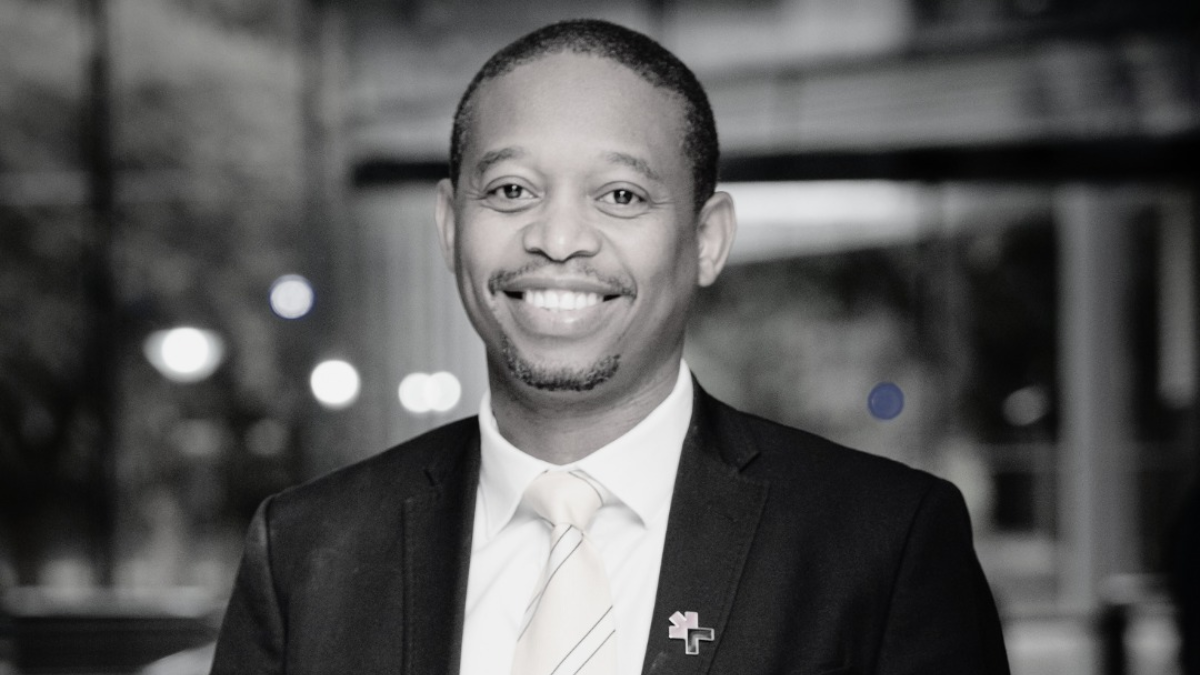
“The simple way that we started with Jozi My Jozi, was first to understand what was needed. So we did quite a lot of engagements when the organisation was established, with communities, civil society, the private sector and also with government,” he said.
“Our model is very simple. We see ourselves as a super connector. So we are here in the middle, and when there is a problem, we get people or organisations that are the best equipped and able to help us address that challenge.”
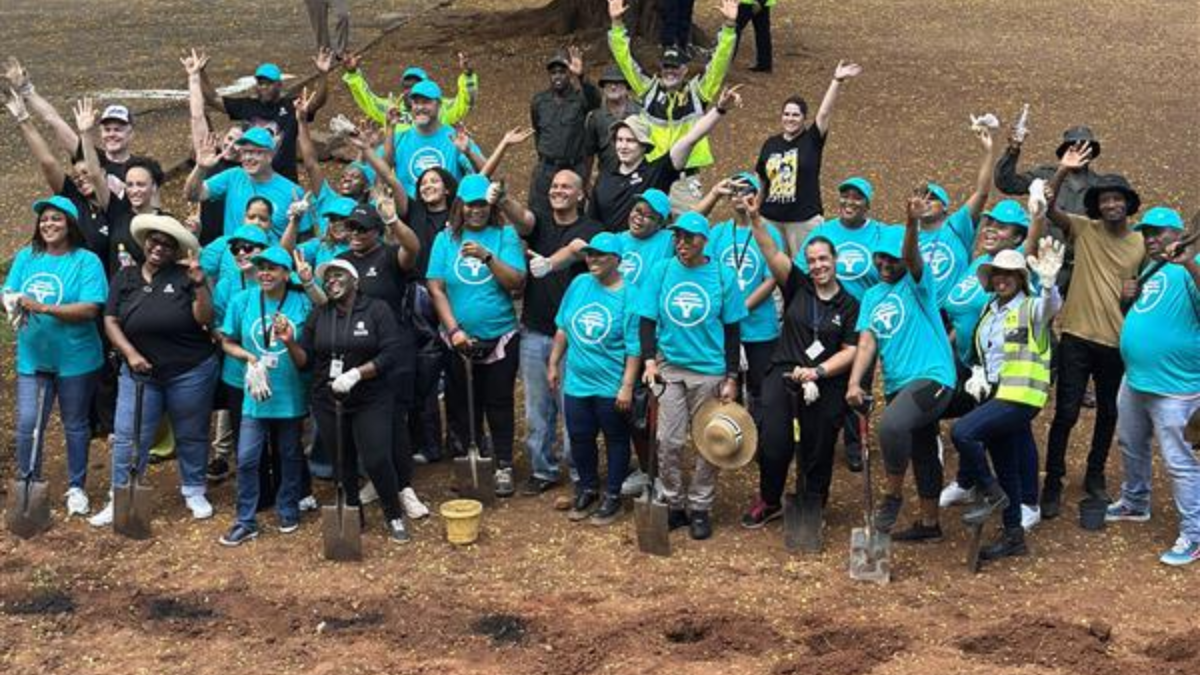
Jozi My Jozi is currently partnered with over 140 organisations across the private and public sectors. Mabusela explained that this is not only about funding, but also skills and human resources.
“Sometimes problems are not about money; they are about actually getting competent people to come in and work with us to address a certain issue,” he said.
The organisation has a Memorandum of Understanding (MoU), with the City of Johannesburg, which allows it to collaborate on tasks, and gives it permission to embark on its infrastructure projects.
While some might have questioned the municipal government’s failure to do the work that Jozi my Jozi has done, the CEO and the team do not waste time playing the blame game.
“We know that government is challenged with regard to budgeting. We know that government has very few resources. We know that the population of South Africa keeps on increasing, therefore they depend on infrastructure, on service delivery,” Mabusela said.
Instead of lamenting what has been lost, Jozi My Jozi maintains a philosophy of action over words, showing the people of Johannesburg through its work that there is hope, and that the city of gold can shine once again.
Focus on safety, cleanliness and community
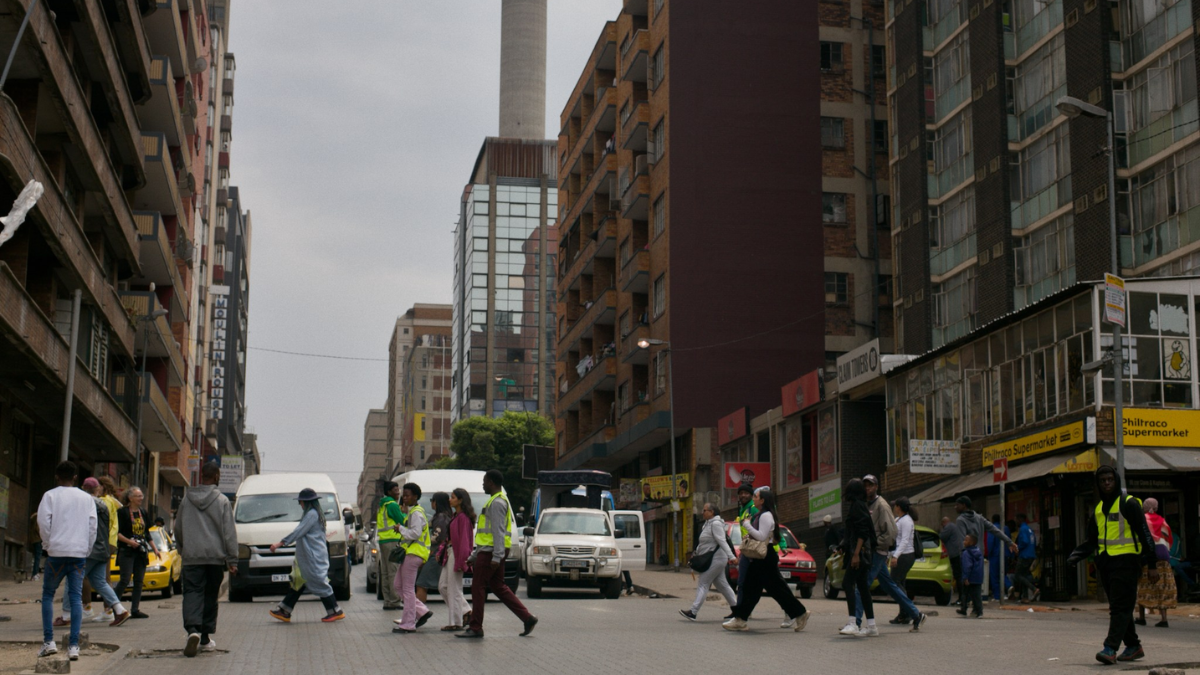
Mabusela and the team have outlined the key pain points in the CBD that require attention and collective effort for improvement. The main issues are safety, security, the environment, and cleanliness.
“If you speak to people, they will tell you that the reason why they don’t come into the inner city is because of crime, and because it is dirty,” the CEO said.
However, the Jozi my Jozi team does not stop at making the city pleasant to walk in for visitors. Mabusela explains that community social development is key to the sustainability of the NGO’s work.
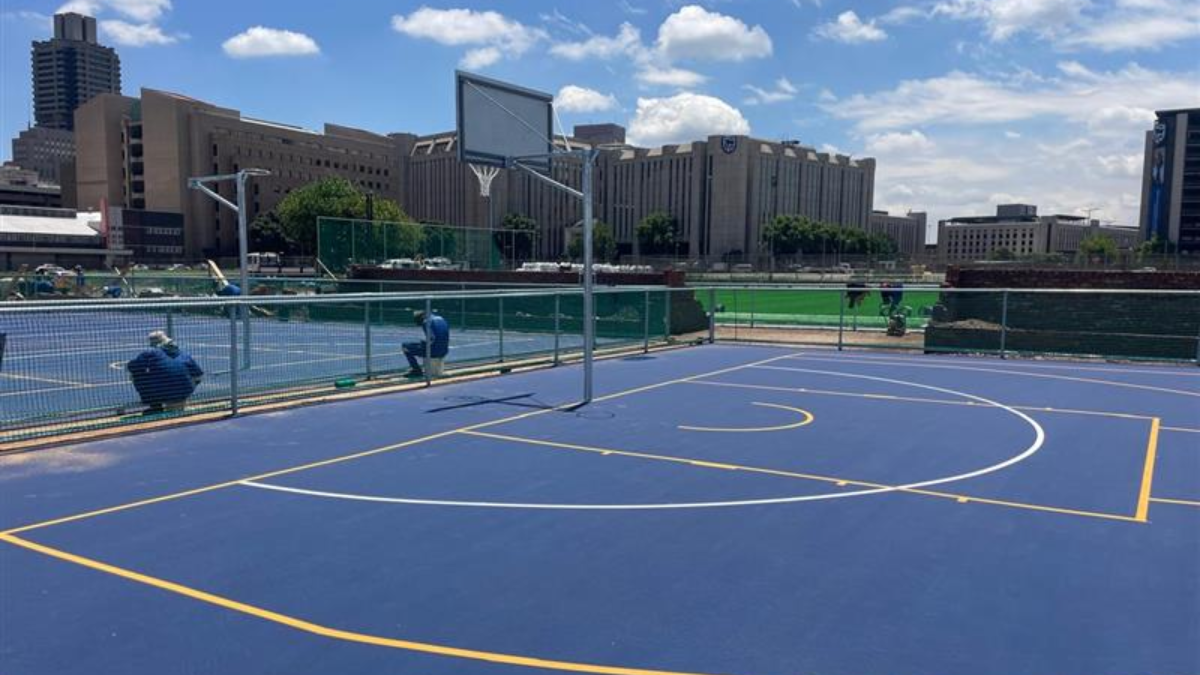
This includes tackling homelessness, crime, drug and alcohol use, as well as supporting schools, building recreation facilities and giving a platform to local artists.
Mabusela, when asked if he believes it is possible to turn the CBD into a safe, clean economic hub, said that he is without a doubt confident that not only is it possible, but it is happening at scale thanks to Jozi my Jozi and its partners.
“It is possible. Other cities have done it before, if you think about New York, for example. It’s not impossible, we know that,” he said.
“It is possible, and it is happening in Johannesburg. For us, it’s not whether it is going to happen or not. For us, it is only to ensure that whatever we do is sustainable.”
Jozi my Jozi to expand beyond the city of gold
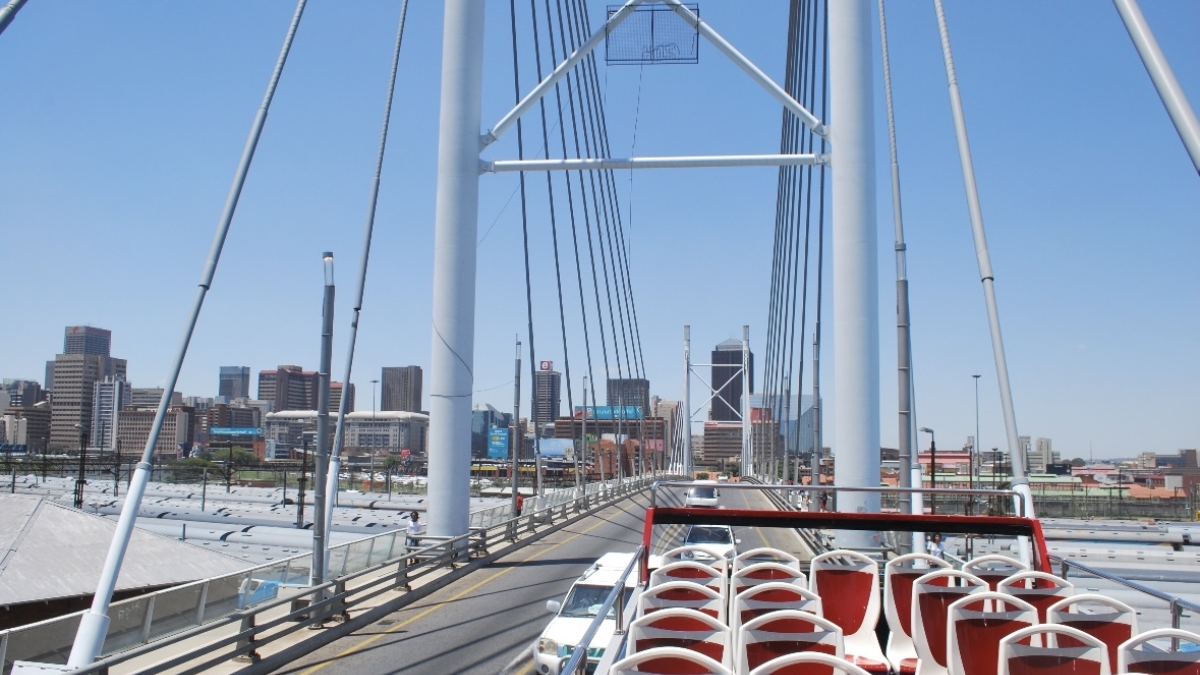
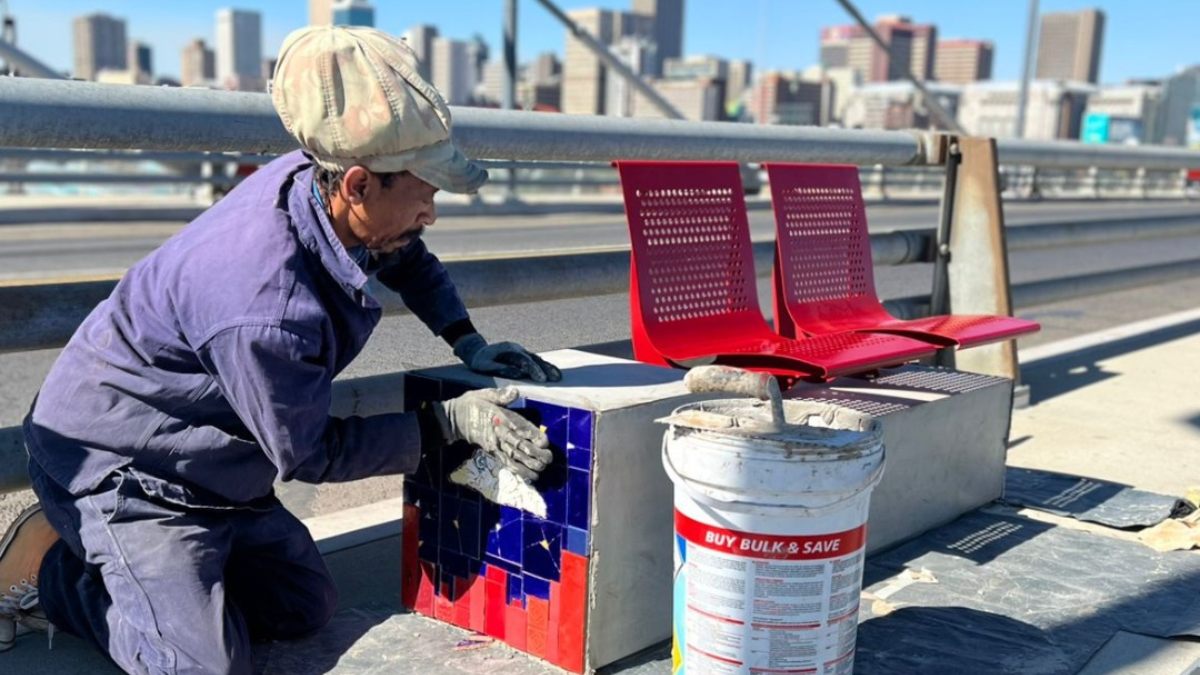
Over the last year, Jozi My Jozi has completed a major revitalisation of the Nelson Mandela Bridge, part of its drive to improve “gateways to the city”.
The bridge was in a sorry state, full of litter, graffiti and dilapidated. Jozi My Jozi and its partners cleaned, painted and restored the bridge, adding rubbish bins and benches, as well as solar street lights to improve safety.
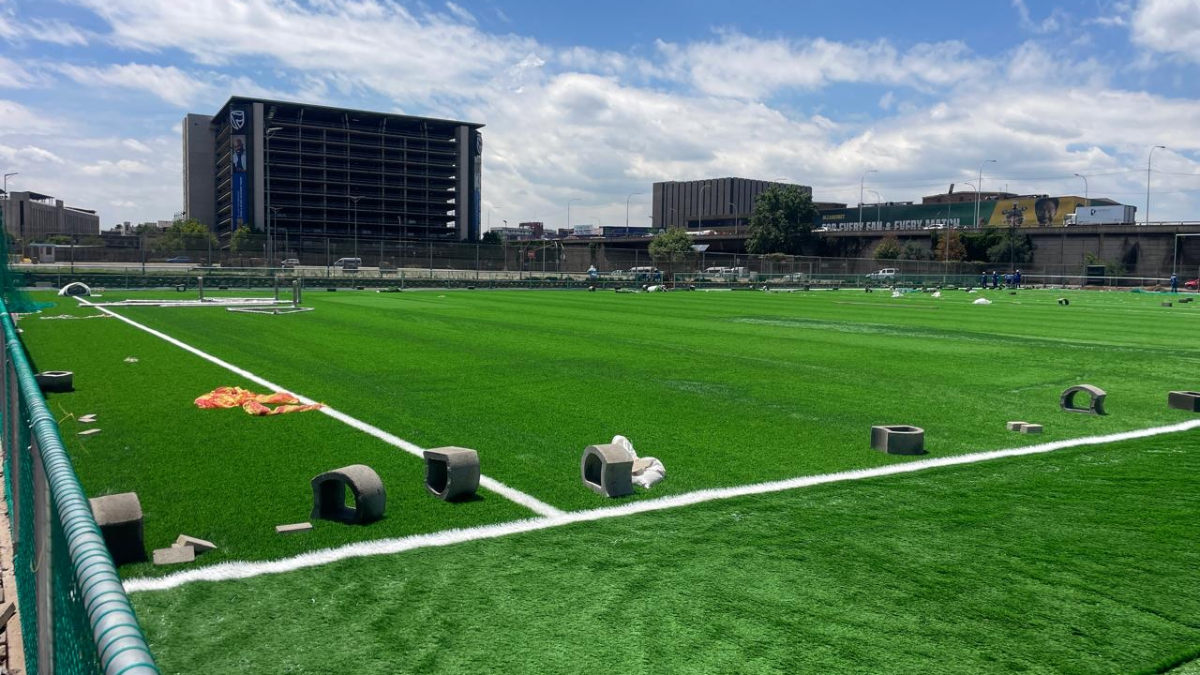
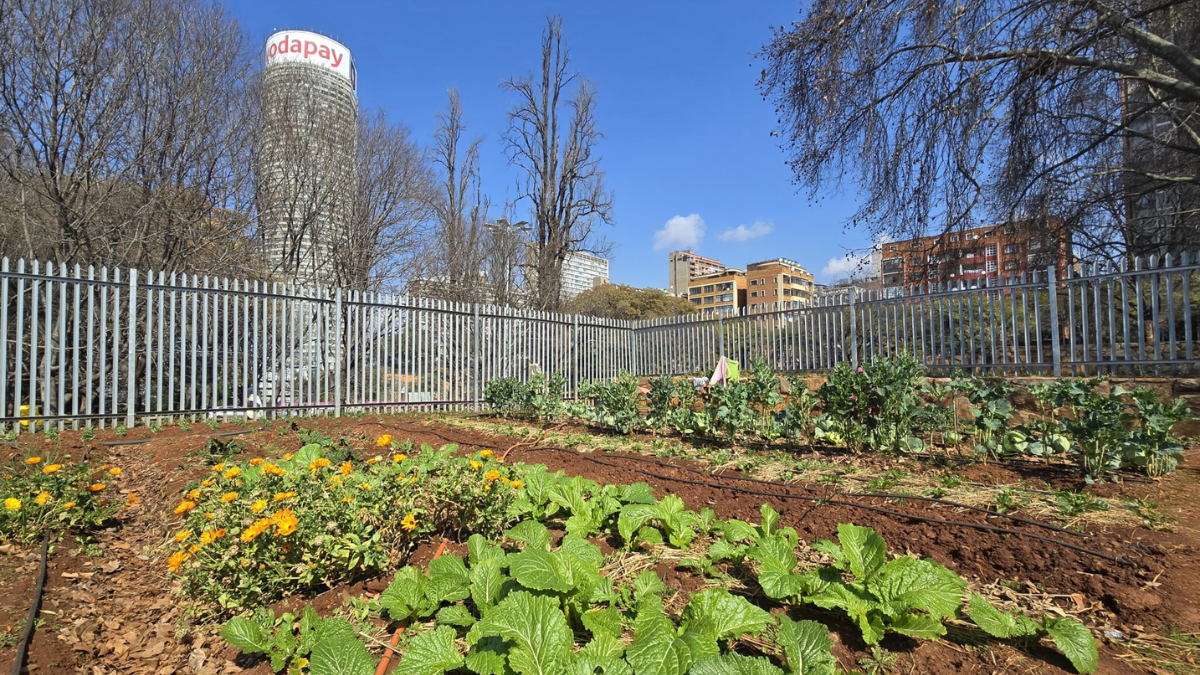
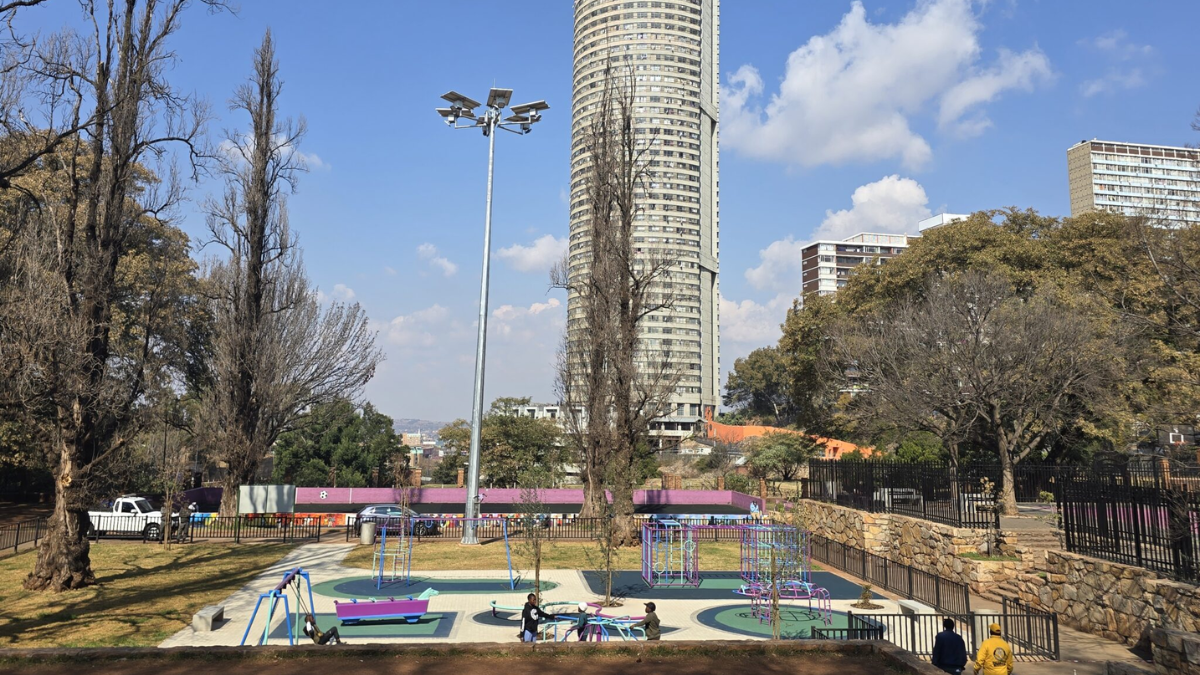
The organisation also adopted and improved the Donald Mackay Park, one of the oldest in Johannesburg, previously taken over by drug users and the homeless.
Now the park has been cleaned, and a food garden and sports facilities have been established.
More importantly to Mabusela, the local community has taken accountability for the park, ensuring its upkeep and taking pride in it.
The organisation built a digital learning centre within the Maharishi High School, a facility that teaches robotics and coding to local children.
Jozi my Jozi also performed the first count of the homeless population in inner city Johannesburg in August 2025, in an effort to gather data and understand the needs of the local homeless community.
Finally, the organisation installed over 1,000 solar street lights across the inner city, targeting walkable gateways used by commuters to reach taxis, or by tourists.
Looking ahead to 2026, Jozi My Jozi shows no signs of slowing down and has big plans to expand its reach.
The NGO shared that it has received numerous requests from other cities for revitalisation, and in response, this year it will expand beyond Johannesburg to become a national NGO.
This will be a new entity, though the team has not yet decided on a name or the next target for the Jozi my Jozi revitalisation, though cities outside South Africa are being discussed by the team as well.
Former CEO of Jozi my Jozi, Bea Swanepoel, will take over the new, national division of Jozi my Jozi when it launches.
“Right now we are really in the process of thinking about how we do that,” said Mabusela. “Do we have a separate team in those areas? Do we establish another, for example, Kimberley my Kimberley or Bloemfontein my Bloemfontein, how would that work?” he mused.
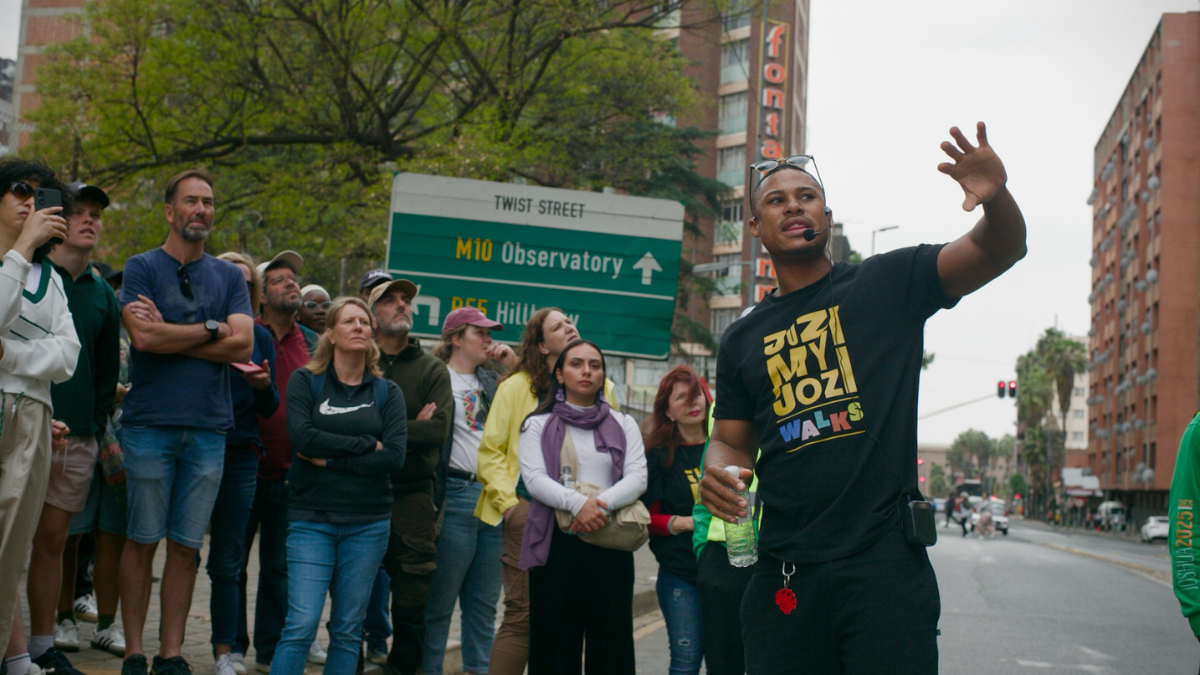
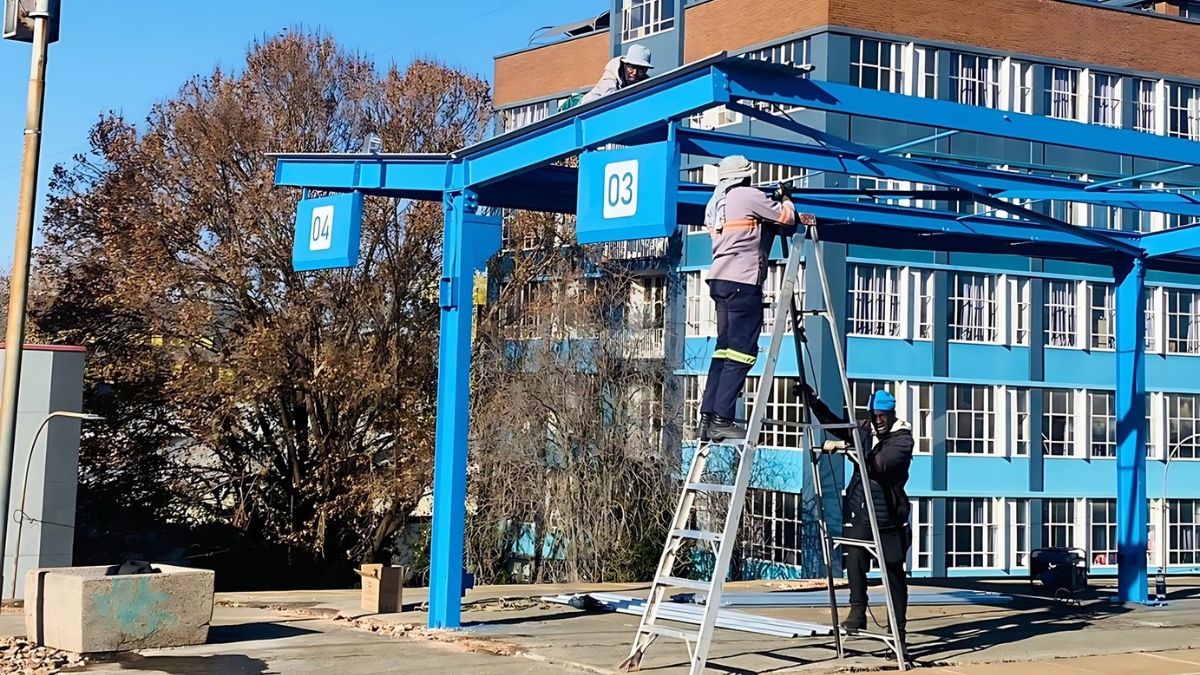
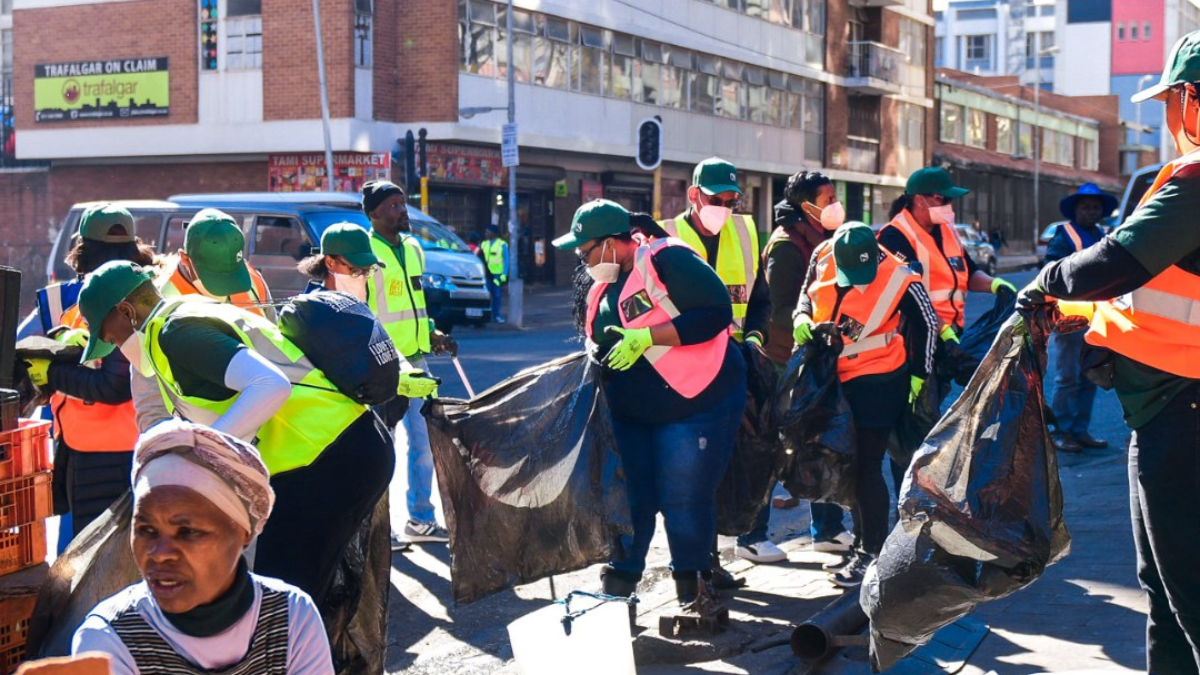
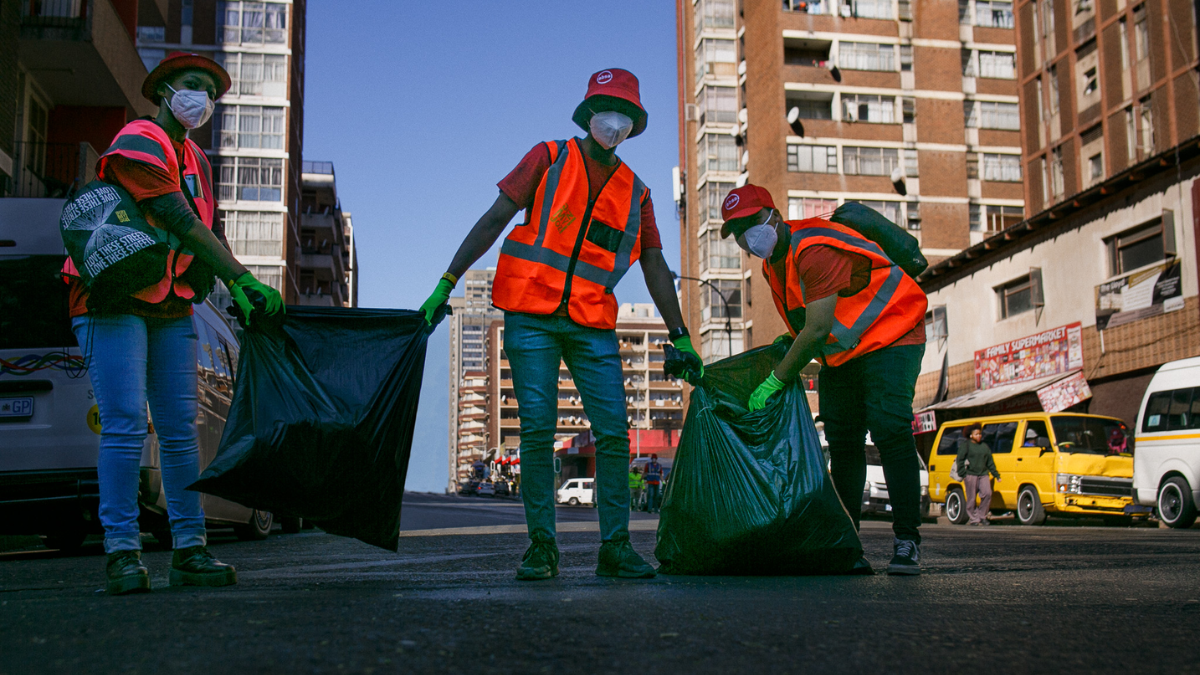
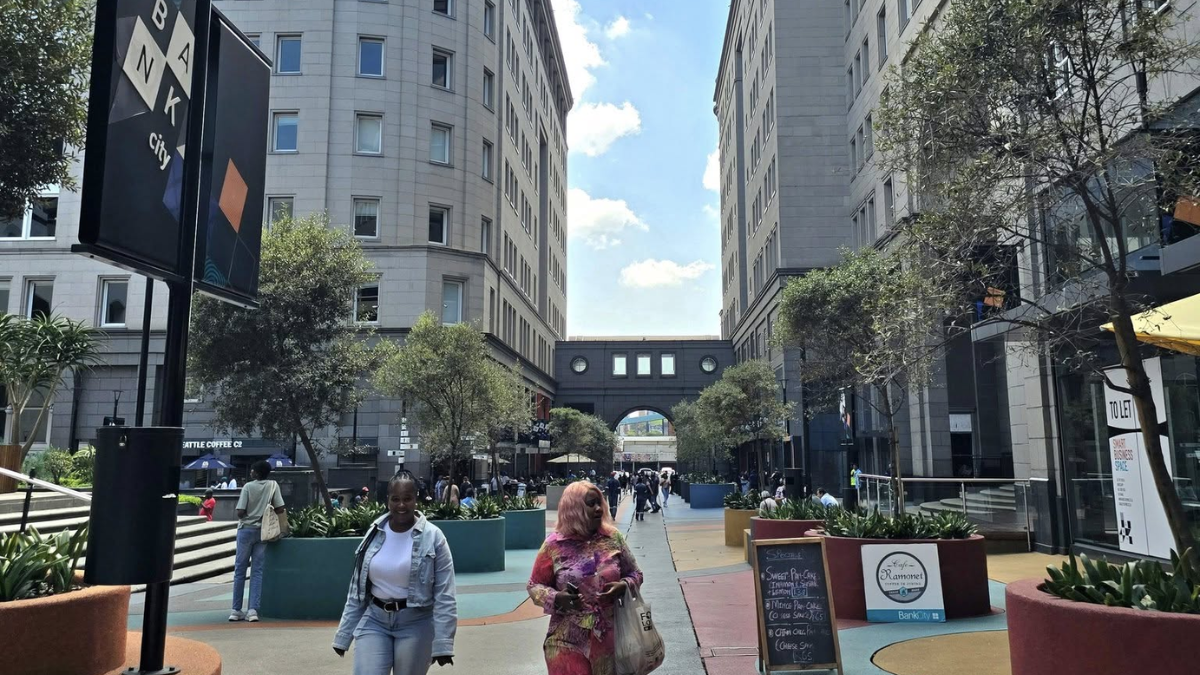
More photos from Jozi My Jozi’s work in inner city Johannesburg:








 Loading ...