
South African municipality spends nearly R2 million on food and travel over three months while towns struggle


Between October and December 2025, ratepayers of the Mogale City Local Municipality in Gauteng’s West Rand spent R1.86 million on travel, conferences and catering – something that the municipality describes as a “drop in the ocean.”
This comes while the areas across the municipality, including the historic town of Krugersdorp, are grappling with a marked deterioration in services.
An average of R20,718 was spent daily over 90 days for travel, conferences and catering. This is made up of:
- R210,400 catering for meetings, up from R129,868 recorded during the same period in the previous year;
- R747,091.32 on conferences and seminars, up from R175,481; and
- R907,159.28 on travel and subsistence, up from R447,045 in 2024/25.
The municipality insists that the spending complies with all legal and budget requirements, shows no evidence of wasteful expenditure, and that it makes up only an immaterial portion of the service delivery budget.
These figures came from the second quarter cost containment report for the period ending 31 December 2025.
Looking at the report, the Mayor effectively concedes that spending on administrative perks has more than doubled, while no meaningful savings were achieved compared to the same period last year.
Behind the polished bureaucratic language, the figures reveal that the municipality’s so-called “cost containment” measures have coincided with a sharp increase in expenditure on non-service delivery items.
While the report claims the objective is to ensure resources are used “effectively, efficiently, and economically”, the Mayor admits that “savings were not realised as compared to the same period last year.”
The report also suggests that the municipality’s definition of success is not spending less, but ensuring spending stays within an expanded budget limit.
The Mayor points out that expenditure remains “within the 2025/2026 annual budget”, but this is largely because the ceiling has been significantly raised.
The approved special adjustment budget for these items now stands at R7.8 million, more than double the original approved budget of R3.7 million for the 2024/2025 period.
By increasing the allocation, the municipality is able to claim compliance with budgetary limits despite a rise in costs.
Former mayor and Democratic Alliance (DA) caucus leader Tyrone Gray said that the party condemned “the blatant lack of maintenance that has left Mogale City in disrepair, while surplus funds are misspent.”
“All the while, residents are continuing to pay higher rates and taxes with worsening service delivery,” said Gray.
For example, Mogale City lost an estimated R117 million worth of water over the last year, contributing to multiple prolonged water outages across the municipality.
The DA caucus leader said that the decay of Mogale City is “a lack of political will and poor service delivery on full display.”
Since October 2024, the municipality has been headed by Executive Mayor Lucky Sele (ANC), who governs through a formal partnership with the Economic Freedom Fighters (EFF) and Inkatha Freedom Party (IFP).
“The former DA led coalition had started improving finances and reducing debt until the current ANC-EFF-IFP coalition prioritised luxury over service delivery, by wasting money, and not tending to basic service delivery,” claimed Gray.
Mogale City responds
In response, Mogale City mayor Lucky Sele told Newsday that “this level of expenditure is negligible in relation to the total budget and does not in any way compromise the municipality’s financial sustainability or its ability to fund and deliver essential services.”
“Instead, it reflects prudent financial management within the broader framework of a significantly resourced service delivery programme.”
Sele said that the expenditure incurred is in line with the requirements prescribed by the applicable laws and regulations of the municipality, as well as the approved budget, and fully complies with all relevant fiscal rules.
“Furthermore, there is no evidence of reckless or wasteful expenditure, as the costs incurred were necessary to ensure the municipality remains responsive to a changing operating environment and to effectively support its diverse range of functions and responsibilities,” said Sele.
He claimed that adequate resources have been allocated specifically for service delivery, noting that the service delivery budget allocated for capital expenditure, repairs, and maintenance exceeds one billion.
“Of this total allocation, only 0.16% has been spent on Catering, Conferences, Seminars, as well as Travel and Subsistence, which represents an immaterial portion of the overall budget – it can thus reasonably be described as a drop in the ocean.”
Newsday visits Mogale City
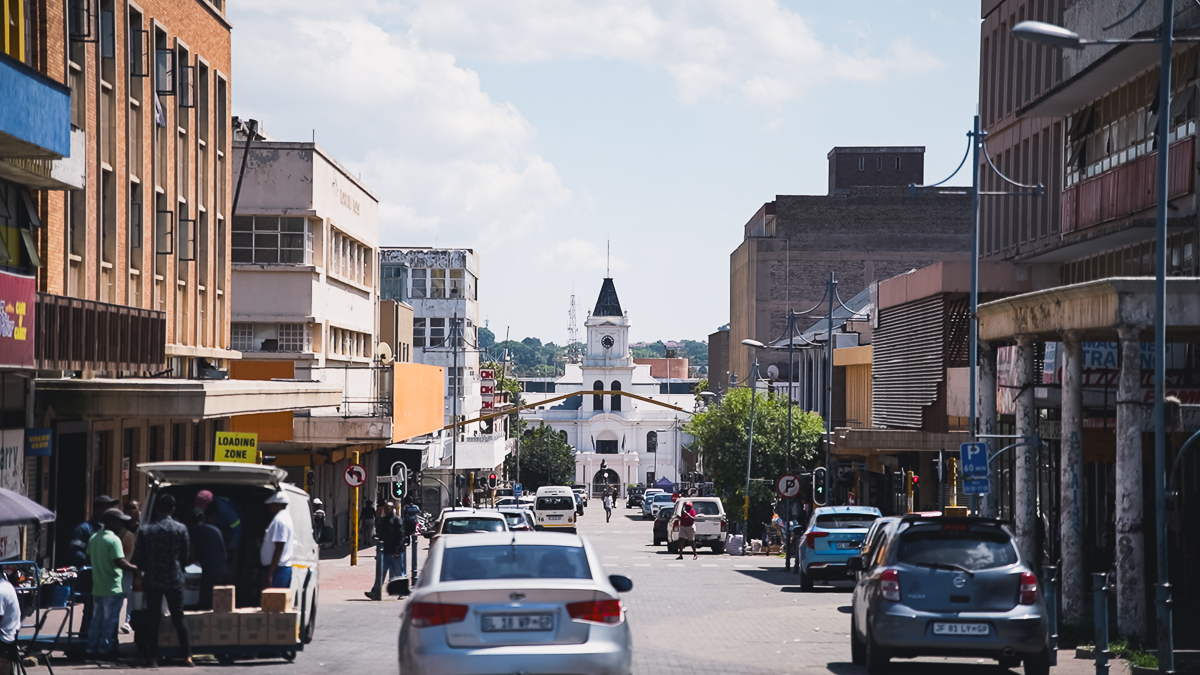
A 2026 visit by Newsday to the Krugersdorp Central Business District (CBD) reveals a town undergoing a stark transformation from a prosperous mining hub to a site of severe urban decay.
Once a bustling commercial centre built on the discovery of gold, the CBD is now defined by shuttered storefronts, hijacked buildings, and a pervasive sense of neglect.
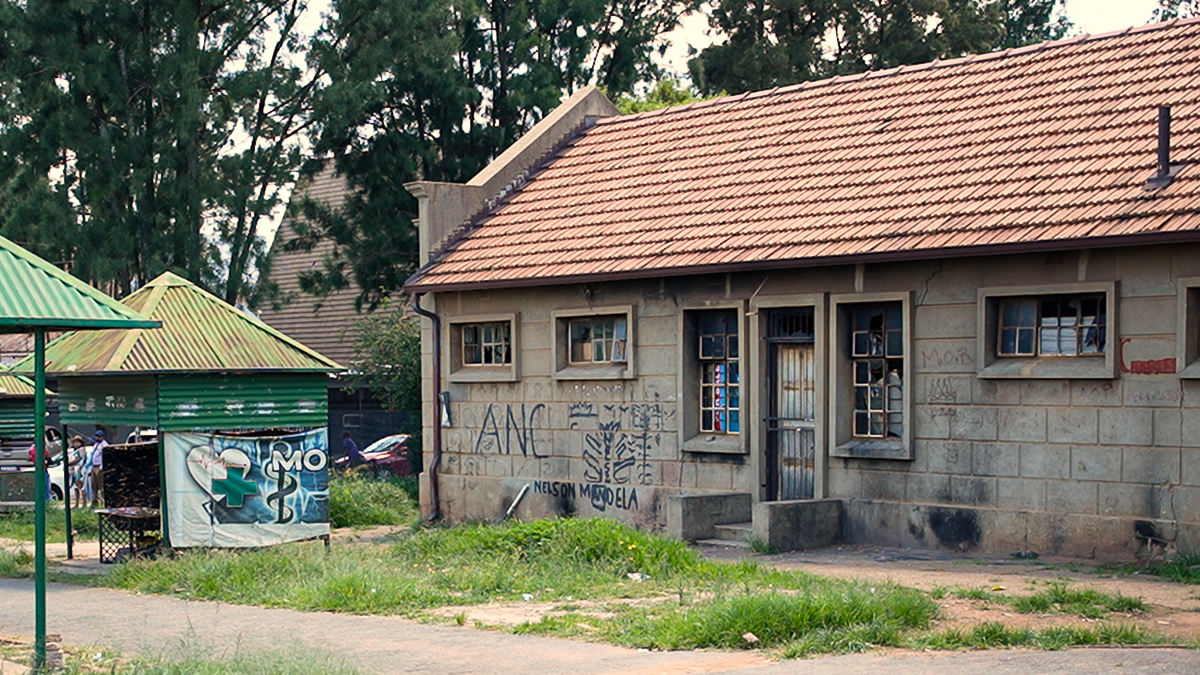
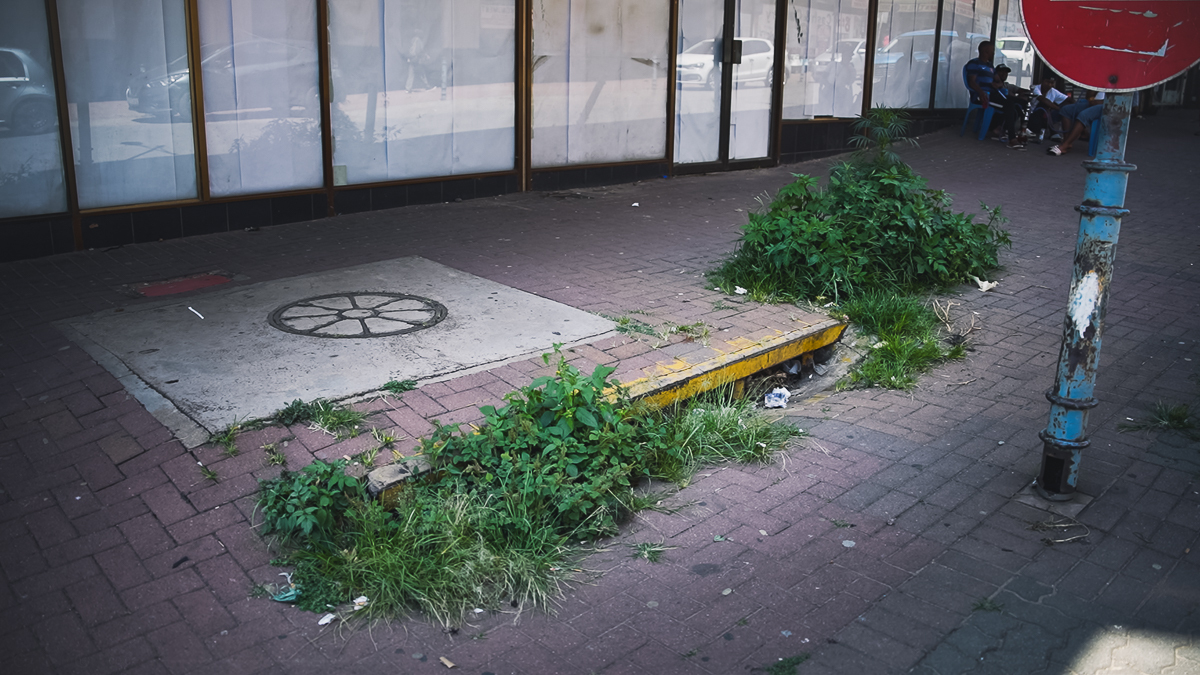
The physical deterioration is visible at every turn, with historic buildings crumbling or taken over by slumlords, while streets are choked with weeds and burning trash.
The area is currently experiencing the “doughnut effect,” where economic vitality drains toward the periphery, leaving the centre hollowed out.
Major anchor tenants, including Edgars and Spar, have exited the area, replaced largely by a survivalist informal economy of street mechanics and vendors.
At the heart of this decline is a collapse in service delivery. Residents and business owners expressed deep frustration to Newsday regarding inconsistent water supply, electricity, and refuse removal.
Long-time entrepreneurs describe the situation as a “slow death,” noting that while compliant businesses face municipal fines for issues like pavement cleanliness, informal trading and lawlessness go largely unchecked.
Democratic Alliance ward councillor Mark Trump described restoration efforts by private owners as “putting lipstick on a pig” amidst the broader structural failure.
Social challenges have further accelerated this decay. The CBD has become a crime hotspot, with drug addiction, particularly the use of “nyope”, leading to the stripping of public infrastructure like copper cables.
In response, the Mogale City Local Municipality argues that the decline stems from “complex systemic factors” rather than governance failures.
They insist a turnaround strategy is underway, utilising National Treasury funding to redevelop the Civic Centre and repurpose vacant buildings for social housing.
They also said that they have regular outreach as well as by-law enforcement programmes.













 Loading ...