
The white squatter camp in South Africa’s capital without water and electricity


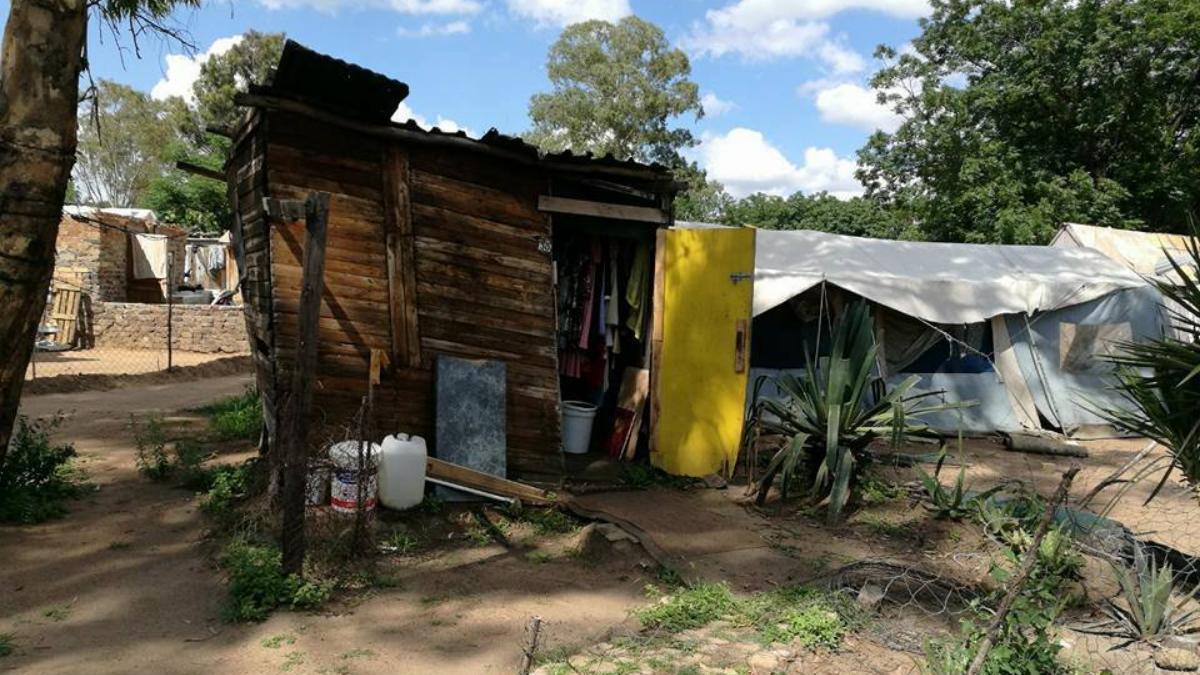
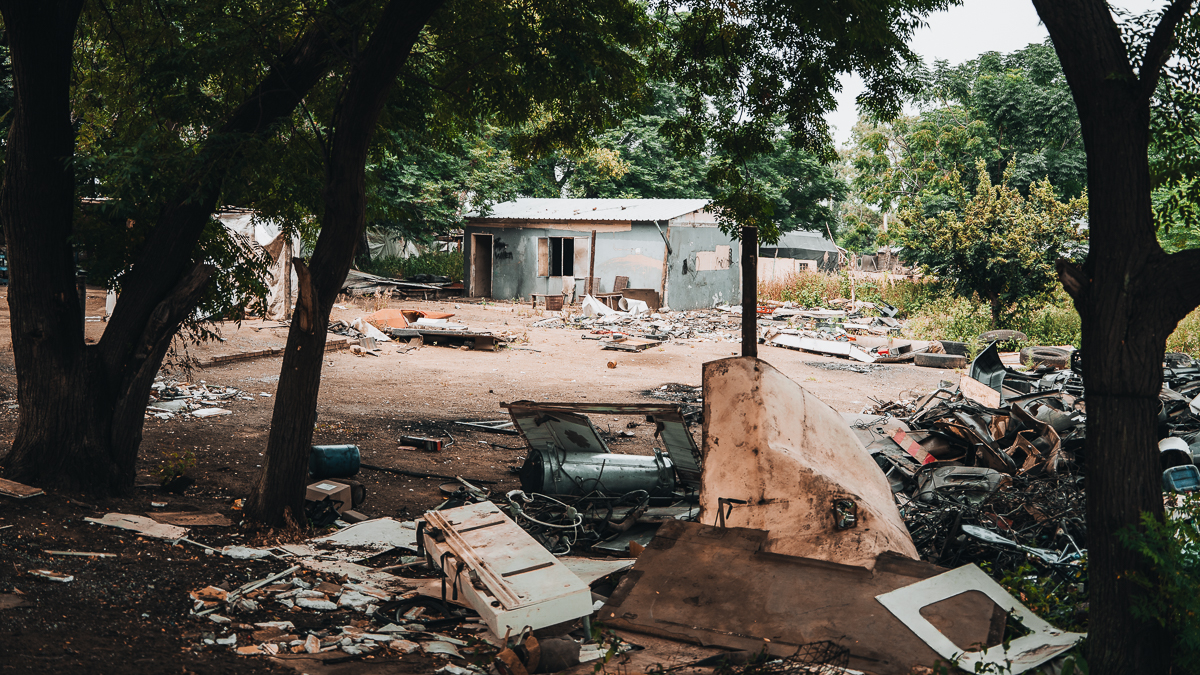
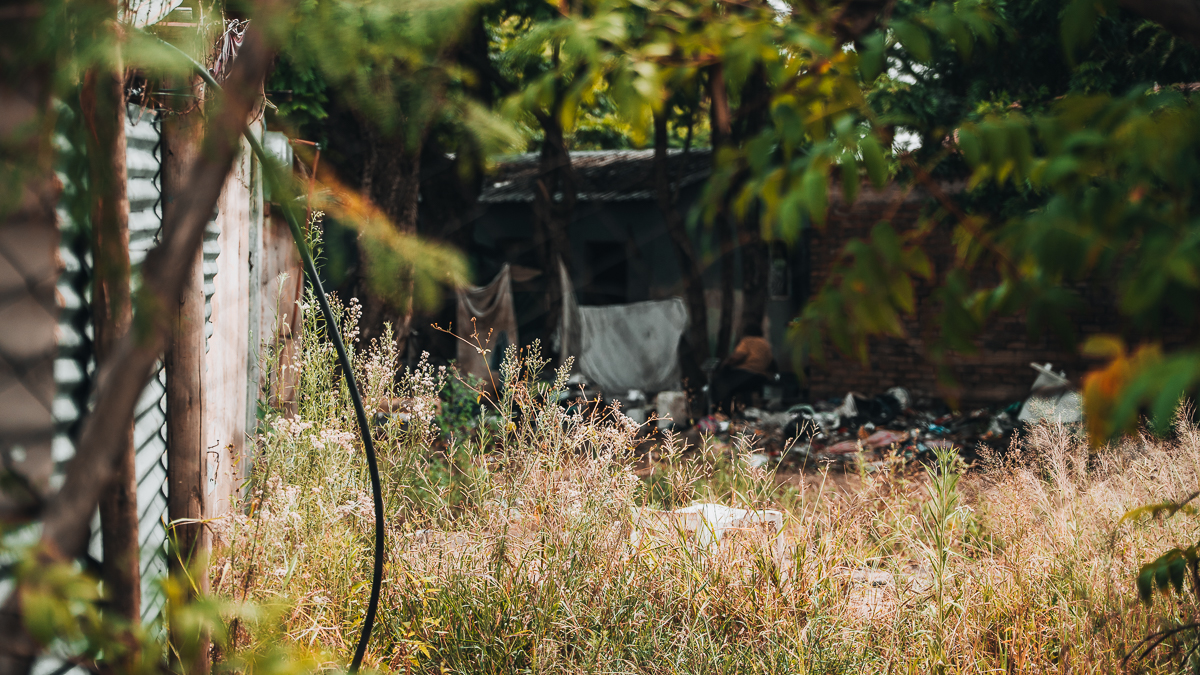
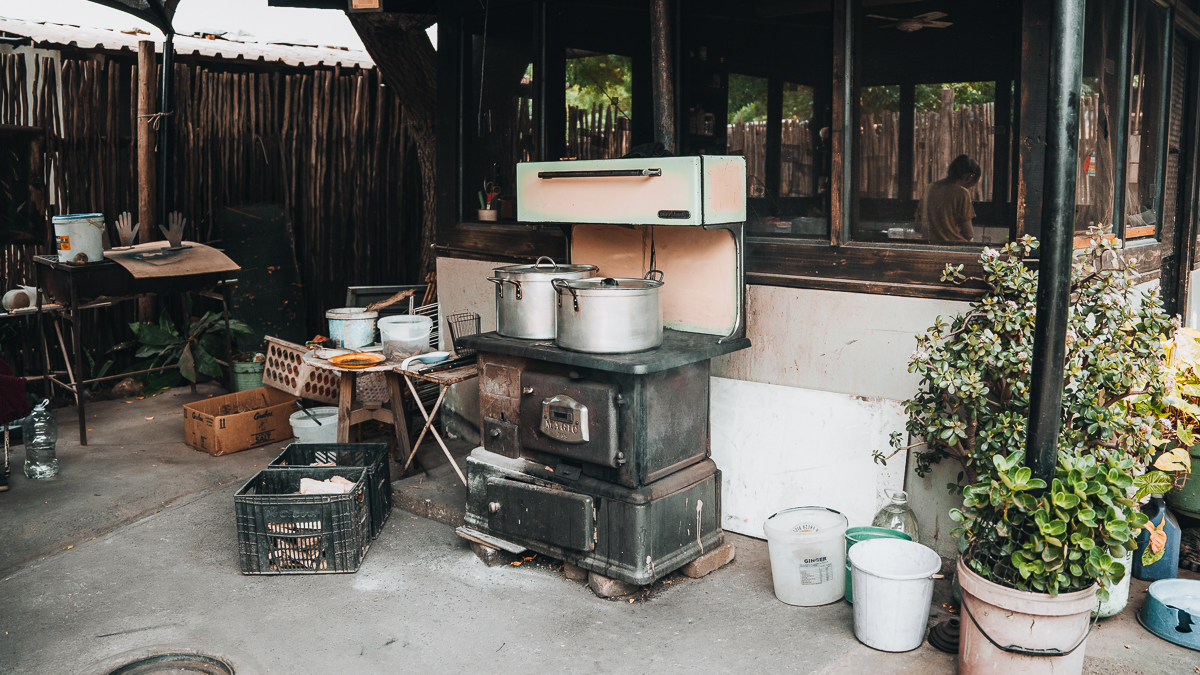
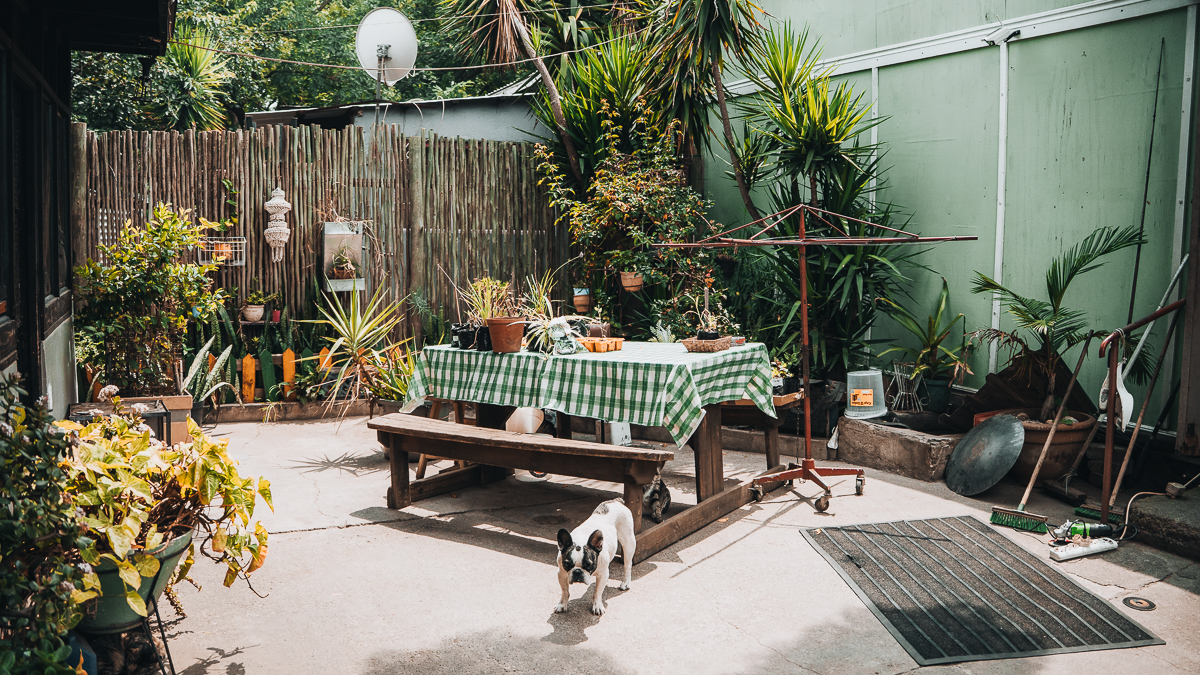
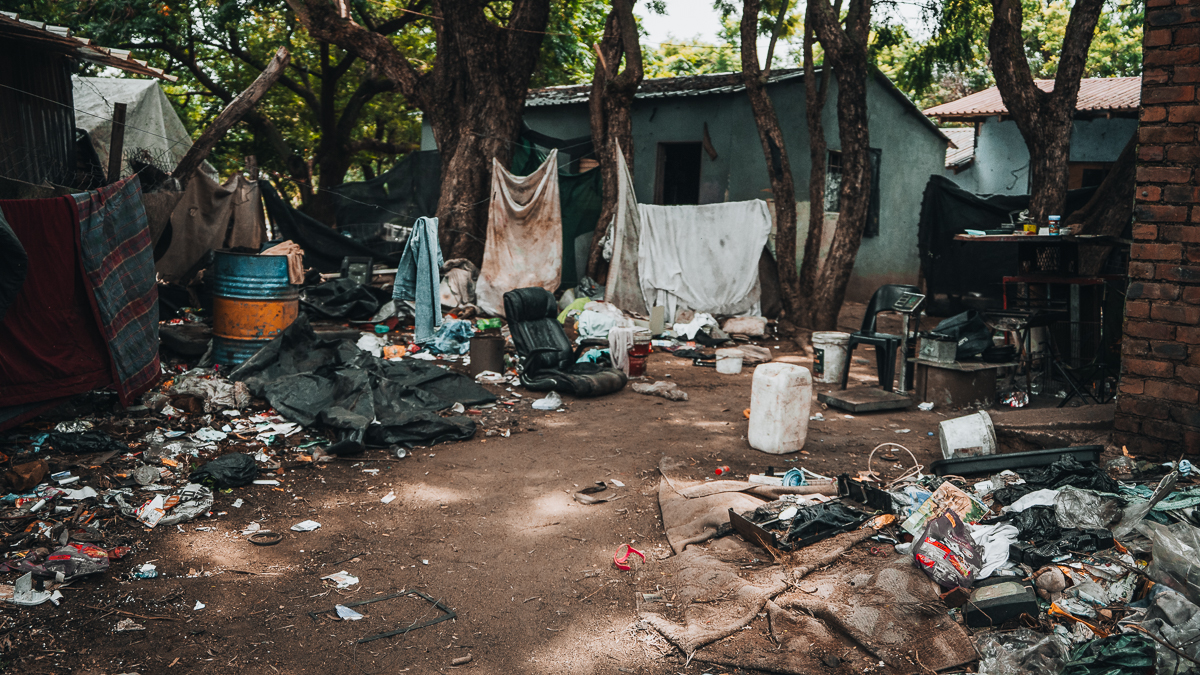
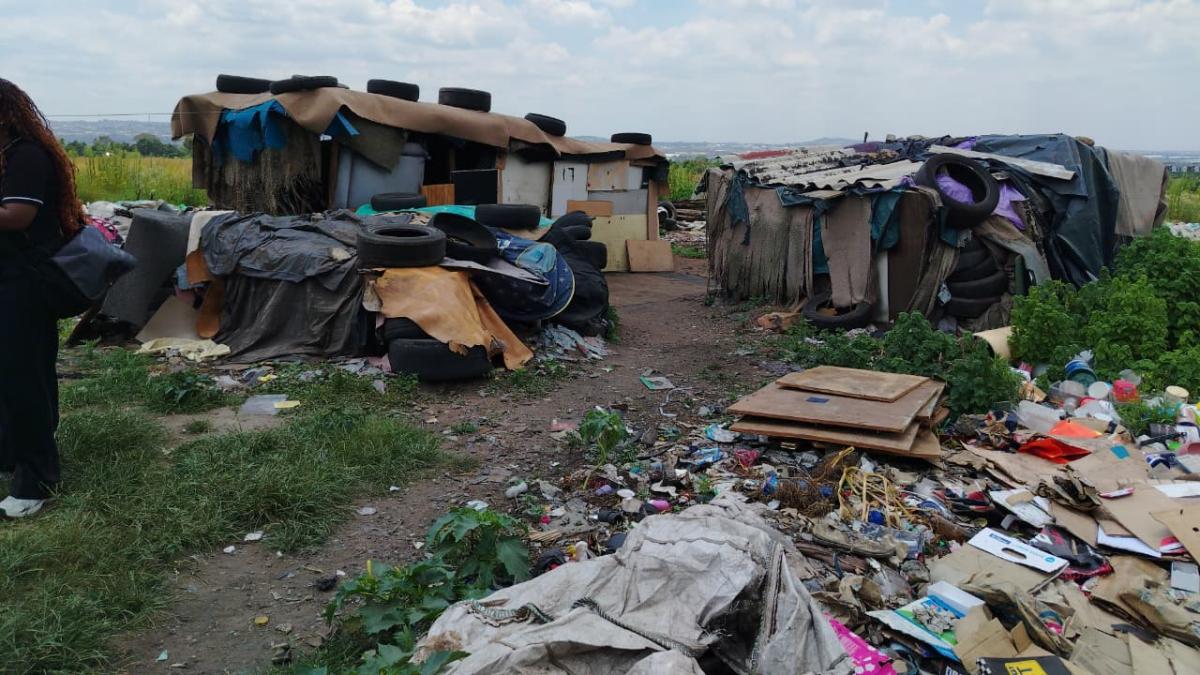
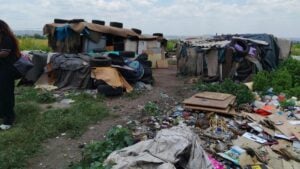
Sonskynhoekie, a white informal settlement on the outskirts of Pretoria, is characterised by extreme poverty and the absence of electricity or running water.
The white squatter camp was started in the nineties by Hans Duvenhage to provide a refuge for white South Africans who had become destitute.
Duvenhage’s aim was to help poor whites who had fallen through the socioeconomic cracks of post-apartheid South Africa.
These white people, mostly Afrikaners, can no longer afford housing in the city and have nowhere else to go.
They live in Wendy houses, shacks, or caravans, and often have to fetch water from nearby fire stations and rely on communal pit toilets.
Many residents of Sonskynhoekie over the last 30 years were blue-collar workers who lost their jobs in state industries.
These industries, such as railways, steelworks, and roadworks, previously provided employment for white South Africans. This is no longer the case.
The camp is managed through an informal hierarchy, and residents typically pay a small monthly fee for their spot.
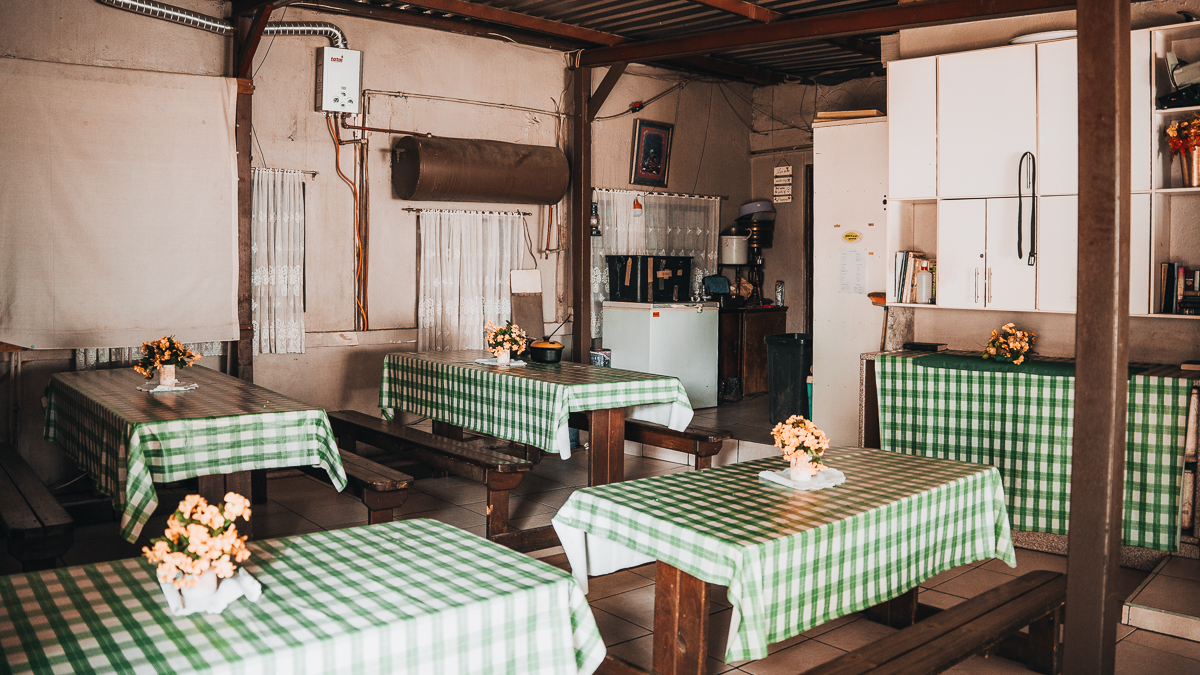
They receive three communal meals a day, often consisting of porridge or bread donated by local charities and retailers.
Residents explained that the lack of electricity means that it is a struggle to enjoy things which other people take for granted, like television and radio.
They added that they approached the municipality for water and electricity, but the costs were prohibitive. “There is no help from the government,” they said.
They explained that people often visit Sonskynhoekie with donations, which include containers with water, canned food, and other consumables.
Sonskynhoekie challenges a common South African stereotype

The settlement is almost entirely white, which challenges the common South African stereotype that informal settlements are exclusively black.
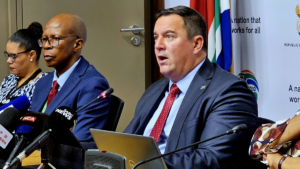
ANC Secretary-General Fikile Mbalula is one of the high-profile politicians who questioned the existence of areas like Sonskynhoekie.
“Have you seen an unemployed white person? Have you seen a white person who lives in a shack?” he said.
Mbalula asked these questions during a speech in Mogwase in Rustenburg ahead of the ANC’s celebrations on Saturday, 10 January 2026.
Sonskynhoekie, along with other squatter camps for poor white South Africans, challenge this perception.
However, the ANC and activists have criticised the disproportionate media attention these camps receive.
They argue that pointing out that while white poverty exists, the vast majority of people living in informal settlements in South Africa remain black.
Newsday visits Sonskynhoekie
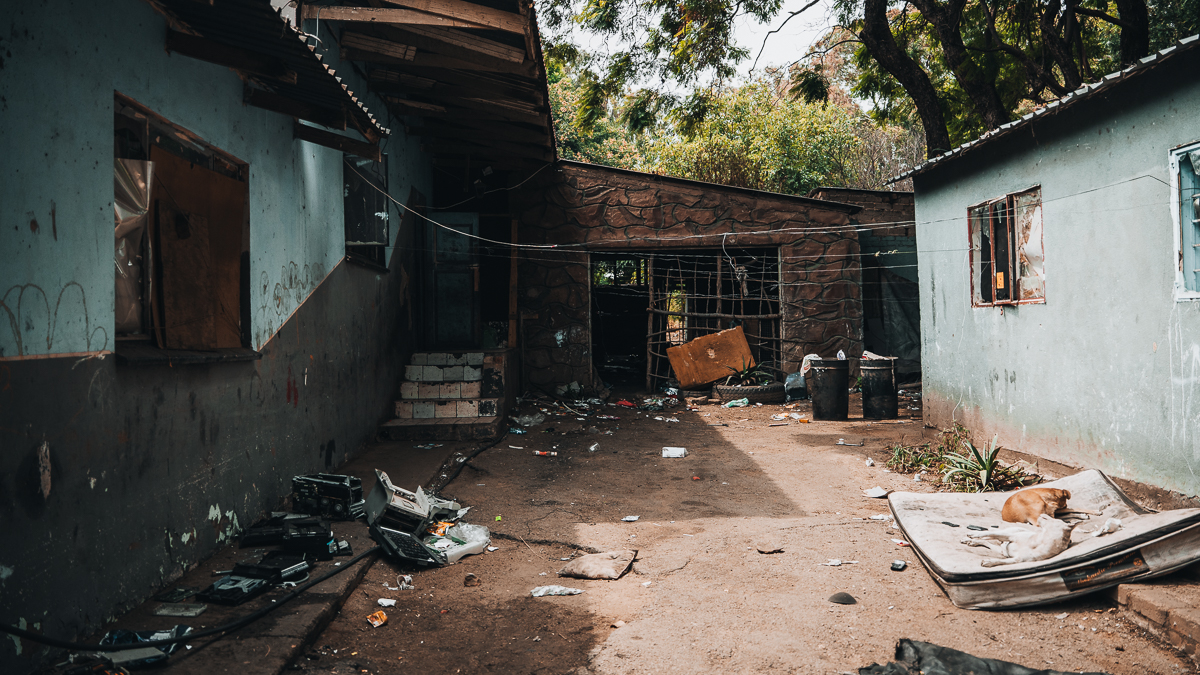
Newsday visited Sonskynhoekie in January 2026 and found that the situation remained desperate. There are still no municipal services.
The Sonskynhoekie manager explained that they receive donations from many people and that they provide three meals a day to residents.
The residents explained that they do odd jobs to get money to survive and supplement the donations they receive.
One resident explained that there used to be regular church services, but vandalism and other problems ended them. The building is now standing empty.
The manager also complained about the negative exposure Sonskynhoekie received from previous journalists.
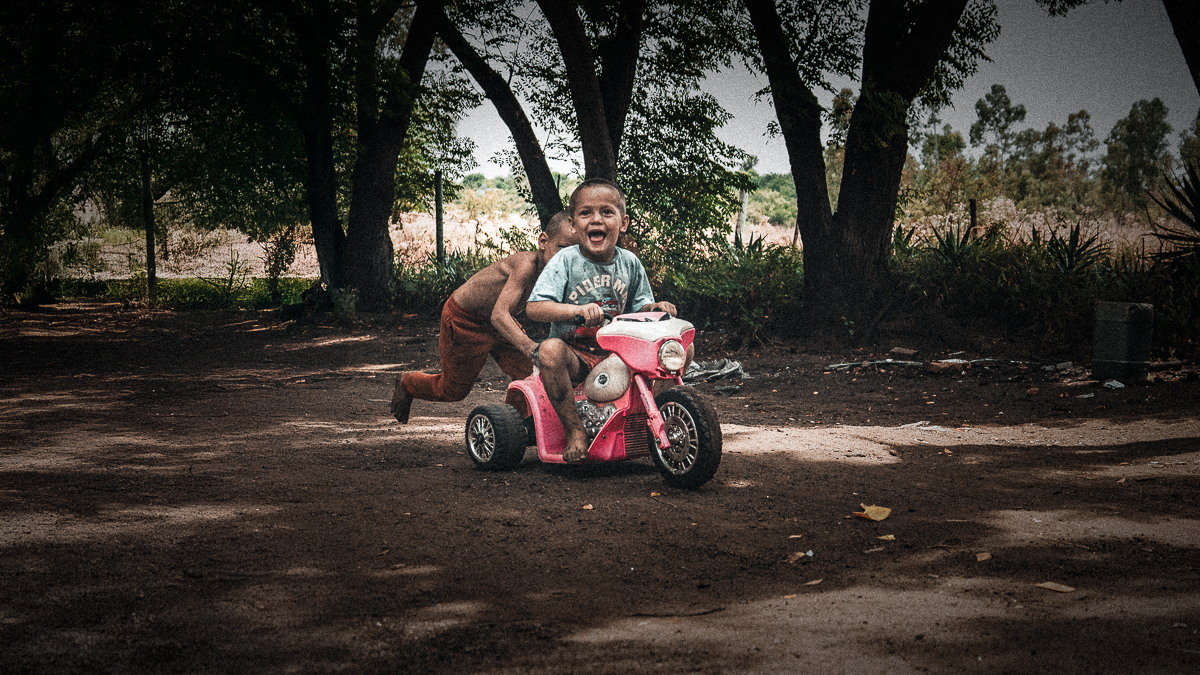
Sonskynhoekie photos
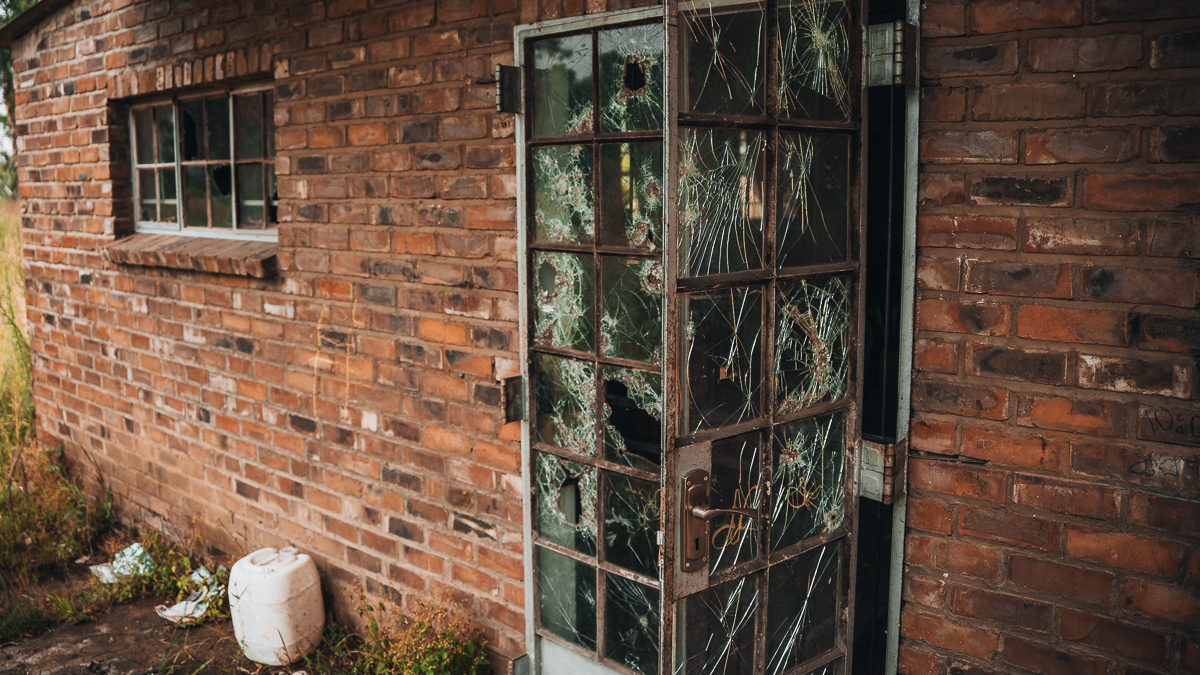
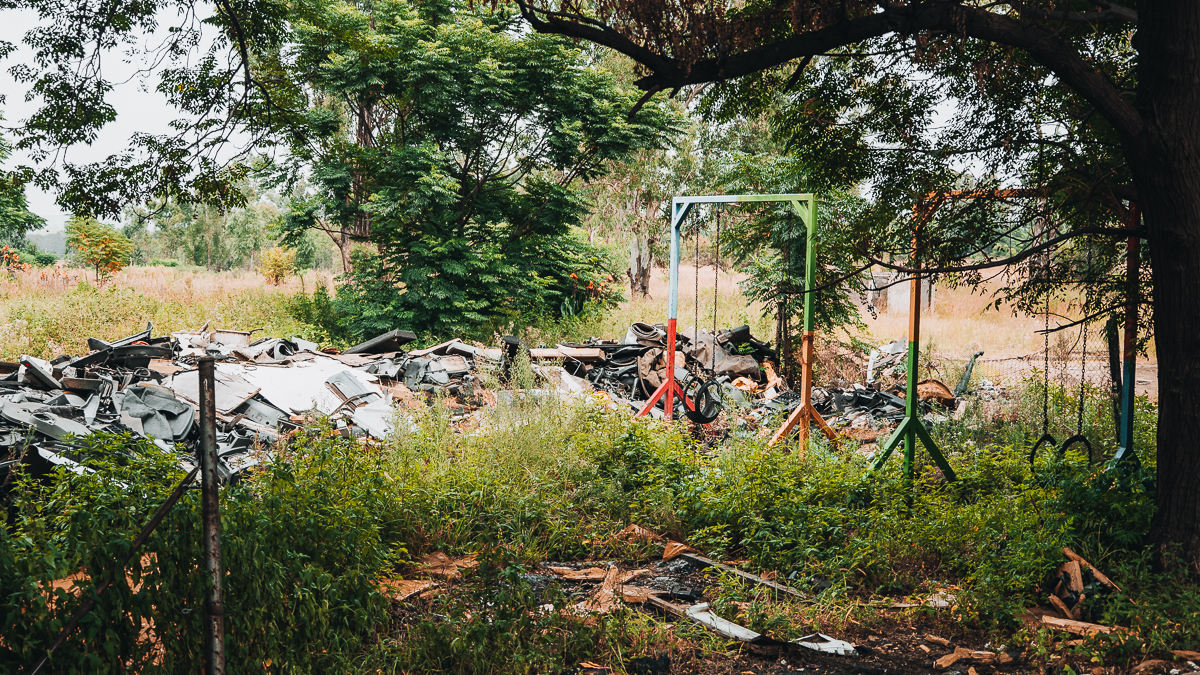





 Loading ...
I can understand them being poor but that does not mean they must live in a dirty place as the pictures clearly show
If they are doing nothing why do they not clean the place and keep it neat and tidy