
South Africa’s richest city set for a ‘de-facto mayor’ amid party factional battles


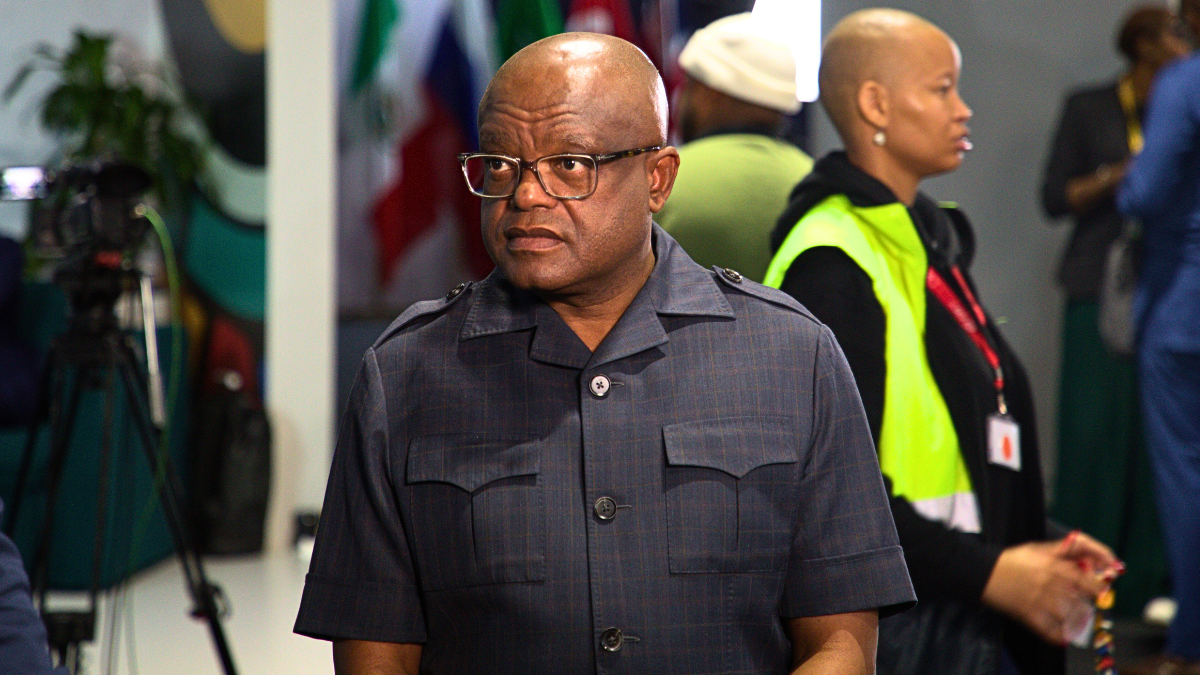
The City of Johannesburg’s decision to establish a Deputy Mayor position has been characterised by political analyst Professor Dirk Kotzé as a strategic “transition arrangement” rather than a measure to improve governance.
Following a heated council meeting on January 29, where the motion narrowly passed, Kotzé argues the move is designed to manage internal ANC dynamics and coalition instability.
While the City Council officially adopted the report several years ago to ‘relieve the executive mayor’s expanding workload’, UNISA Professor Kotzé suggests the true motivation is “all political” and “has nothing to do with service delivery”.
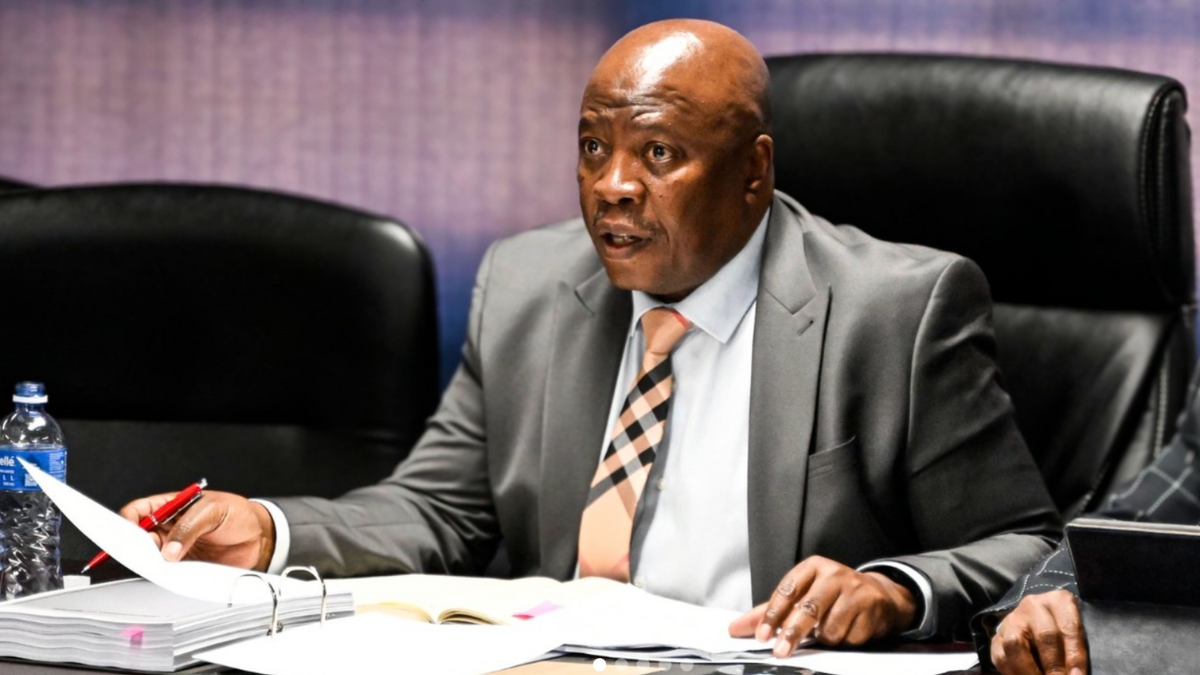
The backdrop to this decision is the faltering standing of Mayor Dada Morero, who officially fell out of favour within his own party on December 5 when he lost the position of ANC Greater Johannesburg chair to Finance MMC Loyiso Masuku.
Speaking to Newsday, Kotzé said that Masuku has “already had a victory over Morero,” and the creation of the deputy mayorship facilitates a power shift without the immediate chaos of removing the current mayor.
Although Masuku is waiting for the next local government election to officially stand as the ANC’s number one candidate, Kotzé predicts that filling this deputy role, which speculation suggests is intended for her, will make her the “de facto mayor” in the interim.
This arrangement allows Morero to remain in office officially, while the ANC navigates the remainder of the term without the disruptions associated with formal motions of no confidence.
Coalition tensions and opposition outcry
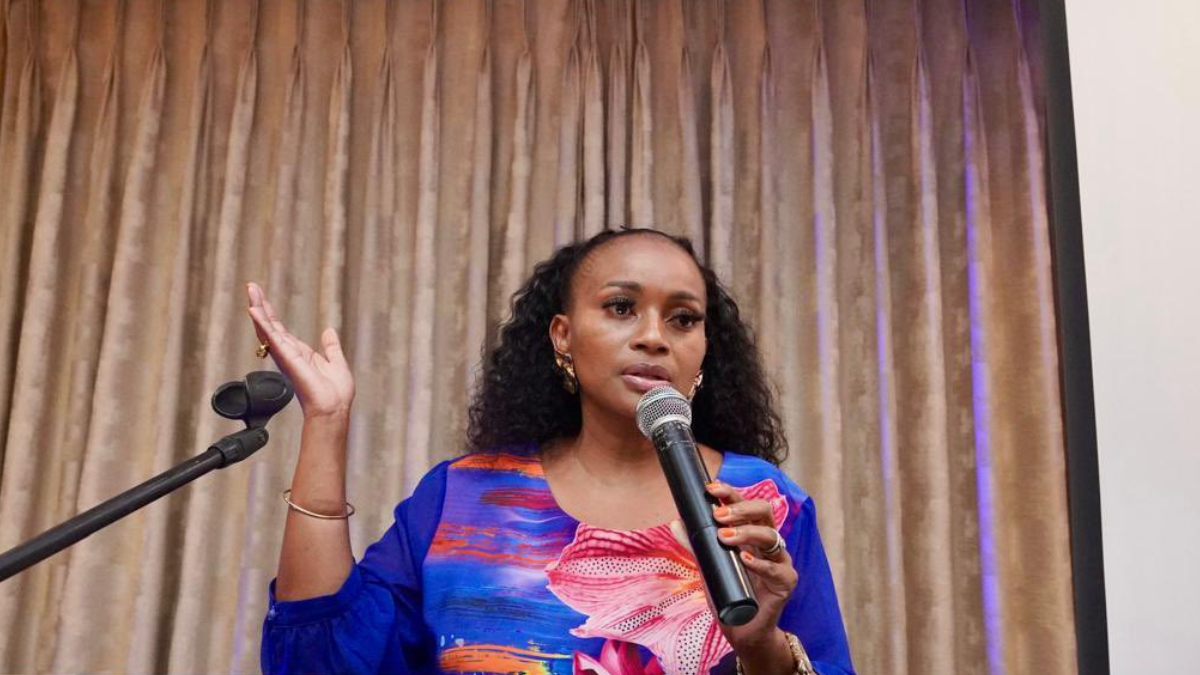
The decision coincides with a deferred motion of no confidence against Morero, originally brought by coalition partners Al Jama-ah and the UDM.
Kotzé analyses this friction as a symptom of smaller parties feeling “neglected” in the current coalition structure.
Having previously held the mayorship through Kabelo Gwamanda, Al Jama-ah has seen its public exposure diminish significantly since the ANC reclaimed the top seat.
Kotzé notes that these smaller parties are suffering politically as the country moves toward elections, as their lack of visibility is “detrimental for them.”
The motion of no confidence, which cited Morero’s failure to provide decisive leadership, was a statement of dissatisfaction from these partners.
However, the establishment of the deputy mayor post acts as an alternative stabiliser to manage these fractures.
The official justification for the new post, which will cost taxpayers over R1.2-million annually, relies on a recommendation made three years ago by the then Gauteng MEC for Cooperative Governance.
That recommendation cited the Municipal Structures Act and the need to assist the mayor with intergovernmental responsibilities and oversight.
However, opposition parties have slammed the decision as tone-deaf.
During the debate, DA councillor Alex Christians argued that creating another high-level position does not resolve the city’s underlying crises.
Christians highlighted that since the ANC-led coalition took power, financial and service delivery conditions have worsened, citing unpaid bills to Rand Water, stalled construction at the Brixton Water Tower, and Pikitup strikes.
“Today was a clear indication that position was more important than the people of Johannesburg,” Christians said.
The vote revealed a divided council: while the ANC pushed the motion through, 87 councillors from the DA and EFF voted against it, and 37 councillors, including those from ActionSA, abstained.
ActionSA indicated they would only support the role if it were combined with an existing mayoral committee portfolio to save costs.
As the ANC consults with coalition partners to finalise the appointment, the political landscape in Johannesburg remains volatile.
The motion of no confidence against Morero has been postponed pending legal advice on a secret ballot, but it is expected to return to council.
In the meantime, the new deputy mayor position appears set to function exactly as Kotzé describes: a political buffer in a city grappling with instability.









 Loading ...