
Many South Africans face a serious food crisis


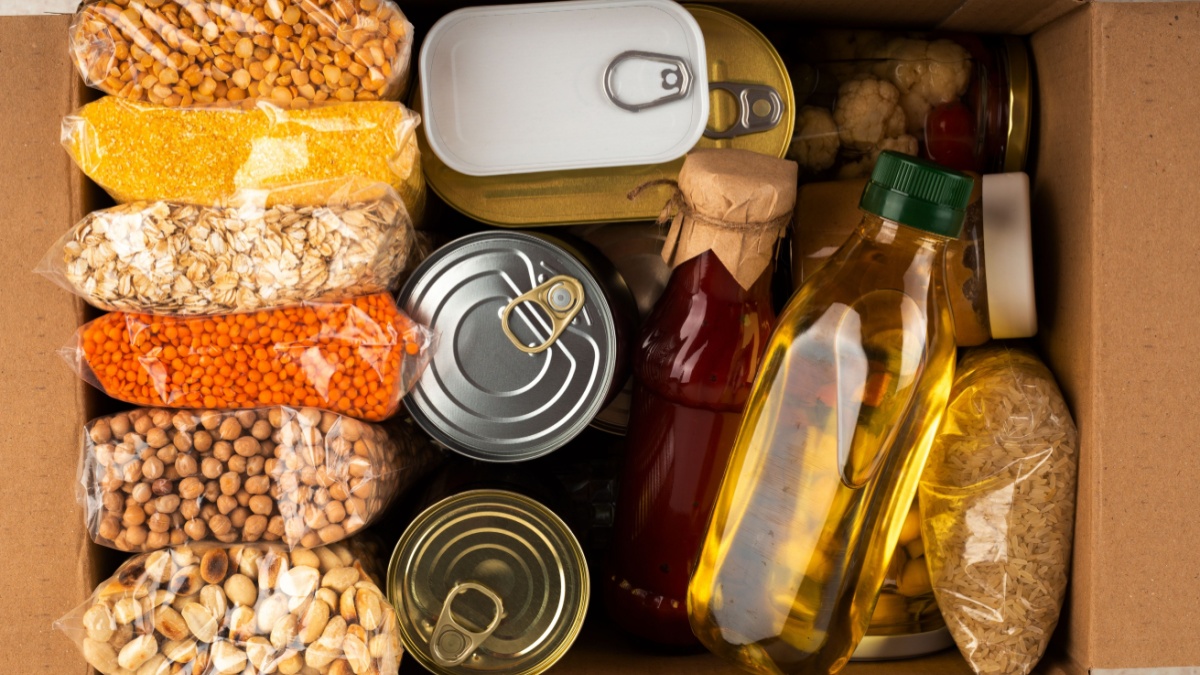
The cost of living in South Africa is unaffordable for most households, with small annual salary increments failing to keep pace with inflation, as experienced by workers or with the actual cost of workers’ expenses.
Recent research from the Pietermaritzburg Economic Justice and Dignity Group shows that individuals earning the minimum wage have a 46.9% shortfall in food.
The maximum wage of R4,836.72 in January 2026 for these workers, when disbursed in a typical family of four, amounts to R1,209.18 per person per month.
The 2023 rebased Upper-Bound Poverty Line is R2,635 per capita per month. This does not include the costs of transport and electricity. If that is factored in, workers are left with R1,974.87.
Thus, PMBEJD noted that the minimum shortfall on food for a worker’s family in January 2026 is 46.9%, representing a deficit of R1,745.38 on a nutritionally adequate food basket costing R3,720.25.
If all of the R1,974.87 was spent on food, a family of four would have R493.72 per person per month, which is well below the Food Poverty Line of R777 per person per month.
“Set at such a low level, the National Minimum Wage (NMW) works to institutionalise a low-baseline wage regime and lock millions of workers into poverty,” said the PMBEJD.
“Small annual increments off such a low wage base, which do not reflect inflation as experienced by workers or the actual cost of worker expenses… mean that workers on the NMW are getting poorer each year,” added the group.
South Africa’s malnutrition crisis
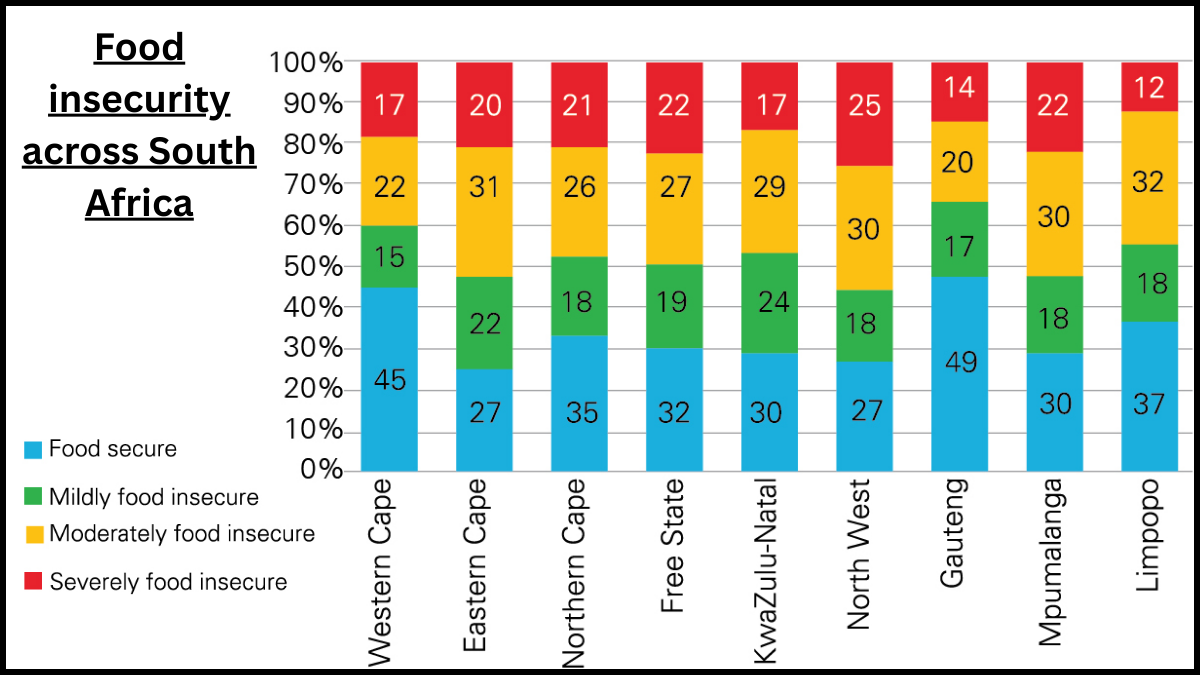
Research from the National Food and Nutrition Security Survey conducted by the Human Sciences Research Council shows that South Africa is facing a deepening malnutrition crisis.
This is characterised by a simultaneous prevalence of undernutrition, hidden hunger, and a high rate of obesity due to poor-quality diets.
Covering data from over 34,500 households, the survey represents the first in-depth, nationwide study on food and nutrition since 1994.
Professor Thokozani Simelane, the principal investigator, emphasised that South Africa is experiencing “the triple burden of malnutrition,” where households are struggling with:
- Undernutrition;
- Hidden hunger; and
- Being overweight or obese due to an inadequate diet.
The survey uncovered alarming rates of food insecurity across several provinces and revealed that nearly 50% of adult South Africans are either overweight or obese.
This contrasts sharply with the national narrative of food security, underscoring the discrepancy between official data and ground realities.
This complex issue, which the fiscus spends tens of billions on annually to tackle, is impeded by numerous woes that the country is facing.
Senior researcher Adrino Mazenda points out that while some government programmes have made some significant inroads in the fight against hunger, such as school feeding schemes and farmer support programs, the execution of other crucial ones, including the Expanded Public Works Programme, has been far from ideal.
“Execution has been suboptimal – poor coordination among government departments and agencies about priorities has led to interventions being ineffective,” said Mazenda.
The survey highlights that the primary factors contributing to malnutrition in South Africa include poverty and the rising cost of food.
Many low-income households are unable to afford nutritious food, with only 58.1% of surveyed households maintaining acceptable diets.
A significant portion of these households relies on nutrient-poor food groups like cereals, condiments, sugars, and fats, leading to inadequate intake of essential nutrients.
The reliance on such foods is a direct result of financial constraints, forcing families to make difficult choices about their diet.
The survey also provides a detailed breakdown of food insecurity levels in South Africa:
- 17.5% of households are severely food insecure, frequently facing reductions in meal sizes, skipping meals, or going hungry.
- 26.7% experience moderate food insecurity, where they often eat low-quality food and occasionally reduce their food intake.
- 19.3% are mildly food insecure, worried about food availability and quality, but without needing to significantly reduce their intake.
- 36.5% of households are considered food-secure, experiencing minimal concern about accessing sufficient food.
Regions like the North West exhibit particularly severe food insecurity, with over half of households facing moderate or severe food insecurity.
In this region, 10% of households experience severe hunger, nearly double the national average.
According to StatsSA, the worsening food security situation is closely linked to high unemployment rates, widespread poverty, and rising living costs.
These factors collectively make food more expensive and less accessible to many South Africans.
To tackle South Africa’s malnutrition crisis effectively, the study’s experts are calling for a unified effort from government, private sector, and civil society through targeted interventions and investments in sustainable solutions.










 Loading ...
The Govt doesn’t give a damn about it’s people! Just buy votes by paying ridiculous salaries to all it’s employees who’s depts are inefficient (except tax)