
Once-bustling South African town now a dilapidated mess


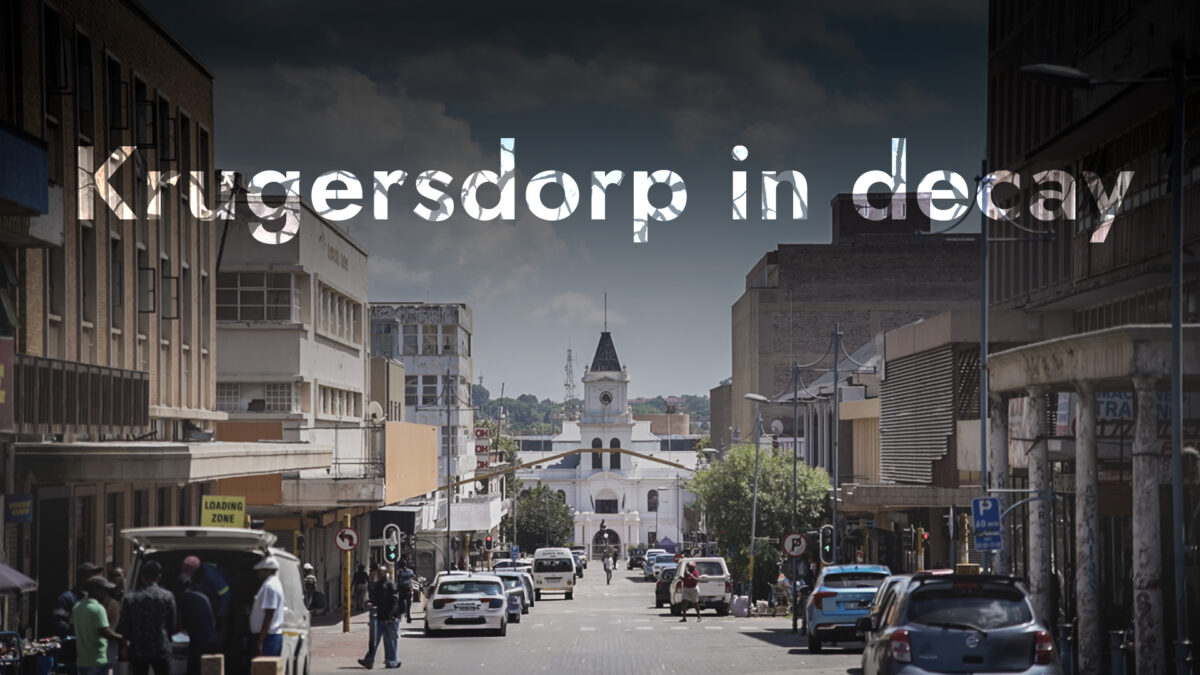
Economic decay, hijacked and dilapidating buildings, a ballooning homelessness and drug problem, dirty streets, and a municipality increasingly detached from the plight of residents and businesses.
These are some of the most cited problems facing the Central Business District (CBD) of Krugersdorp in Gauteng’s West Rand, a town once built on precious metals that is losing its sparkle fast.
Residents and entrepreneurs speaking to Newsday expressed deep frustration with the municipality, citing inconsistent service delivery regarding water, electricity, and refuse removal.
Without urgent intervention to address the hijacked buildings, service failures, and lawlessness, the Krugersdorp CBD risks becoming a permanent ghost town.
In response to queries from Newsday, the Mogale City Local Municipality argues that this decline is the result of “complex systemic factors.”
They claimed that this includes historical spatial planning, disinvestment, and the rise of decentralised commercial hubs, rather than isolated governance failures.
“That said, the municipality acknowledges existing challenges such as ageing and neglected infrastructure, deteriorating buildings, illegal land-use activities, safety concerns, underutilised public spaces, and a growing homeless population,” said spokesperson Adrian Amod.
Krugersdorp’s history is closely tied to the political struggles of the Transvaal and the rise of mining on the West Rand. Modern settlement began with Afrikaner farmers moving into the area from the 1830s.
A defining early moment came in December 1880 at Paardekraal, where Boers pledged resistance to British annexation, sparking the First Anglo-Boer War and the restoration of Transvaal independence.
The town itself emerged from the Witwatersrand gold rush after gold was discovered on the Paardekraal farm in 1886.
In April 1887, the South African Republic purchased land to establish a township named Krugersdorp — “Kruger’s Town” — in honour of President Paul Kruger.
Krugersdorp rapidly developed into a major mining and industrial centre, producing gold, manganese, iron, asbestos, lime and later uranium.
During the Second Anglo-Boer War, it was occupied by British forces in June 1900, and a concentration camp was established nearby.
In the decades that followed, the town evolved into a key industrial hub in western Gauteng.
However, by 2026, the once-vibrant CBD tells a markedly different story, reflecting a town grappling with economic decline and urban decay.
Newsday visits the Krugersdorp CBD in 2026
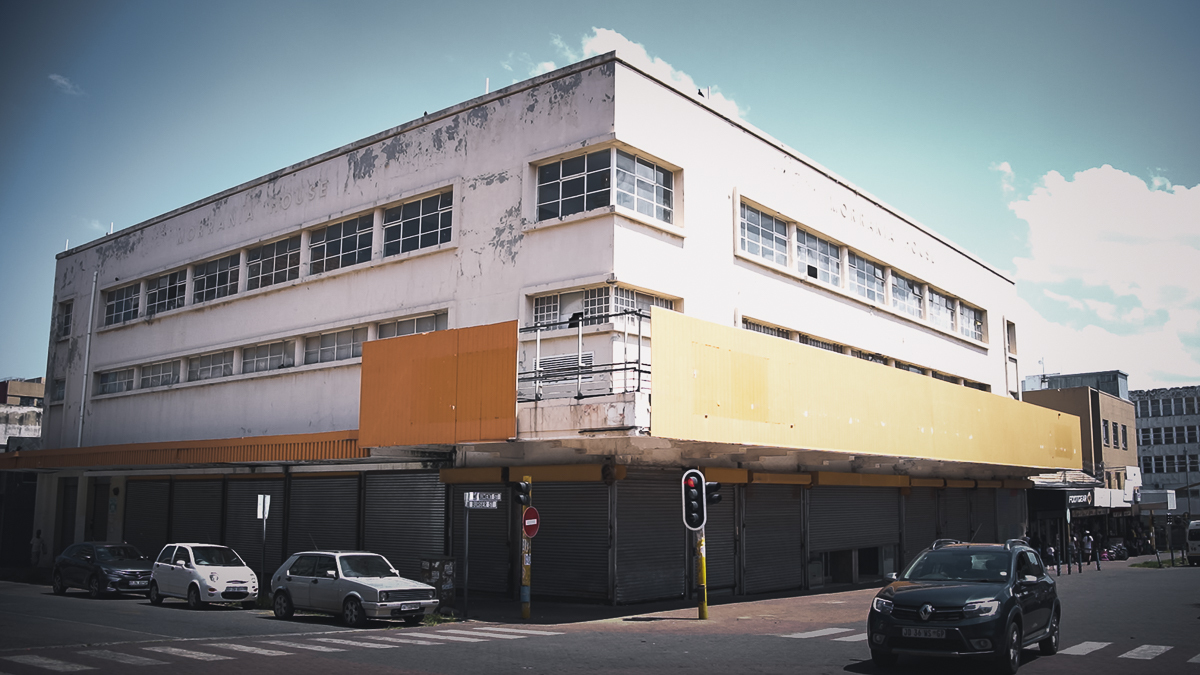
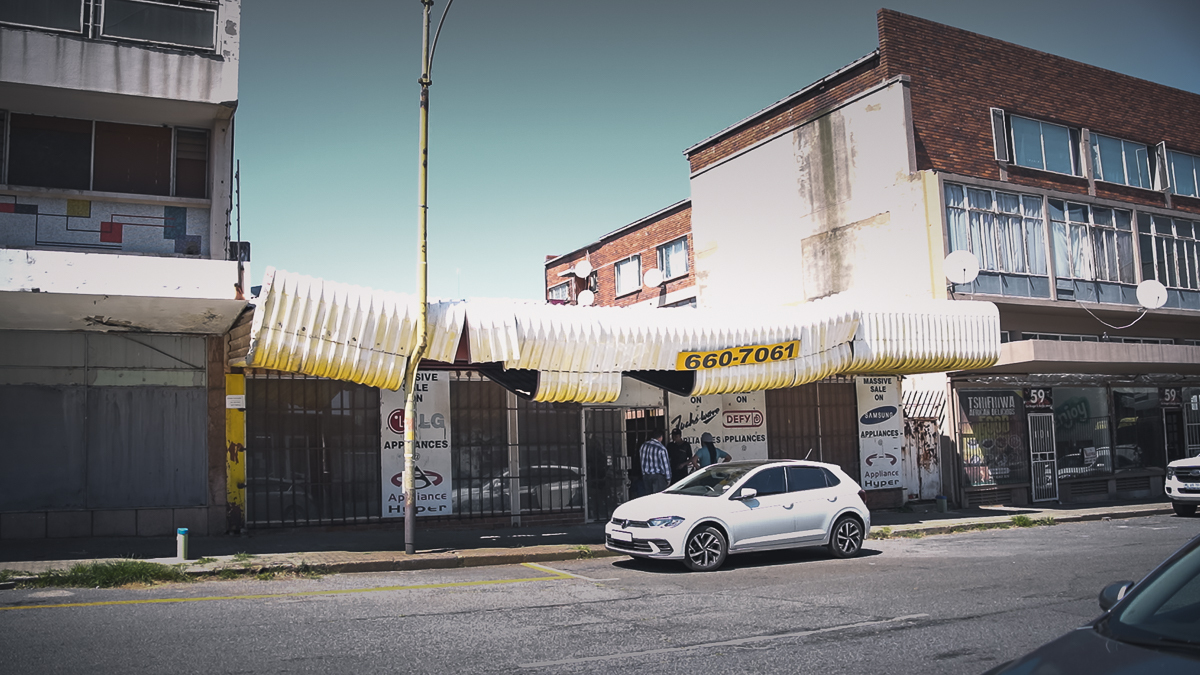
Walking through the Krugersdorp Central Business District (CBD) reveals a stark transformation.
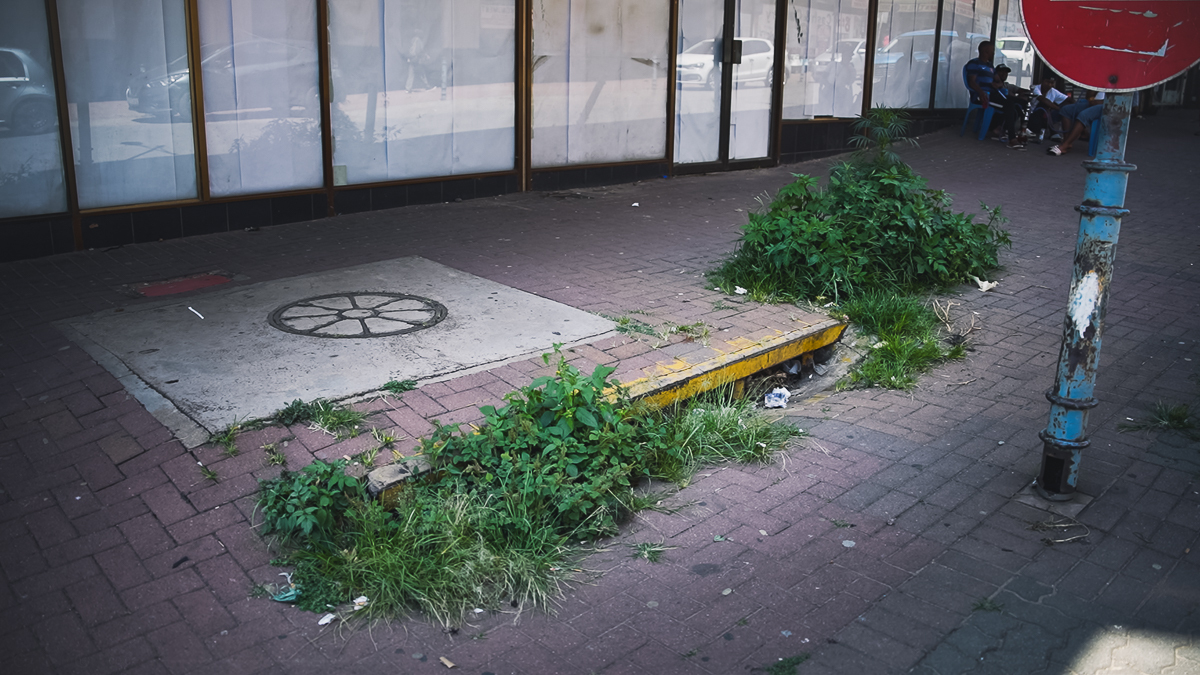
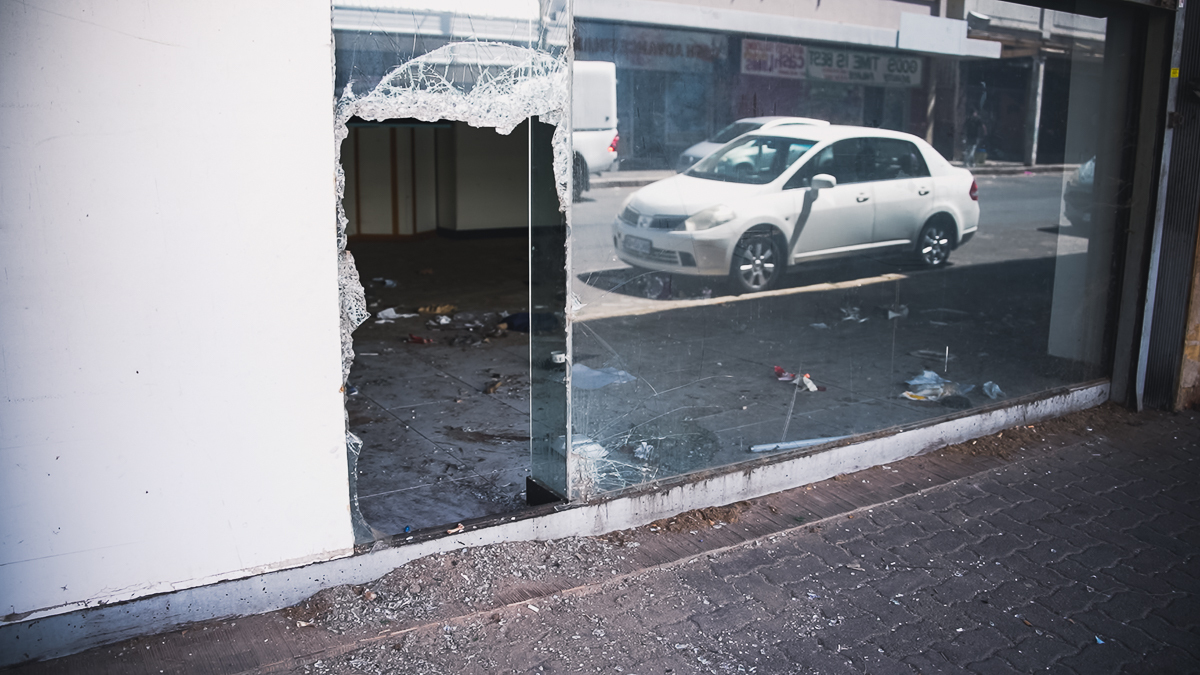
Once a bustling commercial hub, the area is now defined by shuttered storefronts, failing infrastructure and an unsettling quiet.
The CBD is increasingly exhibiting the “doughnut effect”, where economic activity drains from the centre toward peripheral developments, hollowing out the inner city.
Long-time business owners describe the decline as a slow, painful unravelling, driven by service delivery failures and what they perceive as weak enforcement.
“It’s depressing watching a local economy just slowly bleeding out,” said Boetie Bhalia, whose business has operated in the CBD for more than 50 years. “It’s like watching something suffer.”
Democratic Alliance ward councillor Mark Trump said the deterioration is structural rather than cosmetic, citing collapsing water and electricity services as the trigger for a broader economic exodus.
He said the knock-on effects have driven major anchor tenants, including Jet, a large Spar and Edgars, to close their doors.
The loss of formal businesses is visible throughout the CBD. Rows of closed shops now dominate the streets, while the space they leave behind has been filled by a rapidly expanding informal economy.
Pavements are crowded with street mechanics and vendors, and many former retail premises have been converted into hair salons.
Remaining business owners describe the situation as a “slow death”, pointing to persistent service disruptions as the main cause.
They also argue that compliant businesses are disproportionately targeted by municipal revenue collection, such as fines for pavement cleanliness affected by homelessness, while informal traders operate with limited regulation.
Taxi owners in the area told Newsday that they have also felt the economic decline of the CBD; they have seen significantly fewer travellers daily, a tide they do not see as turning.
A town in decline
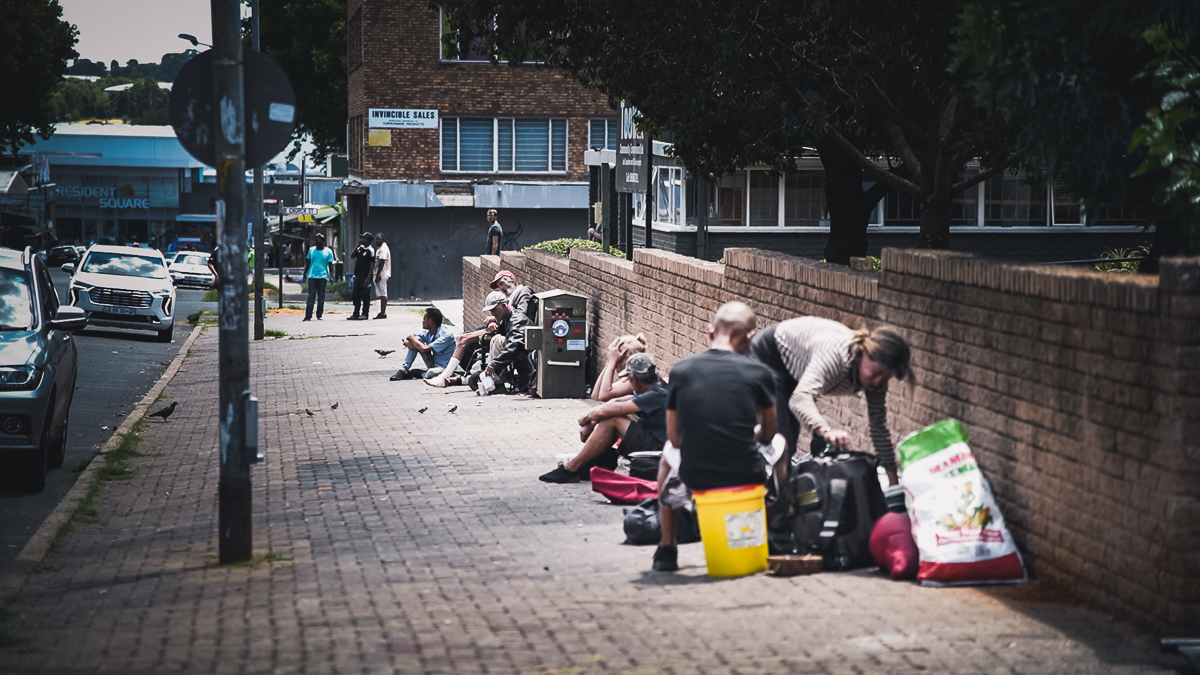
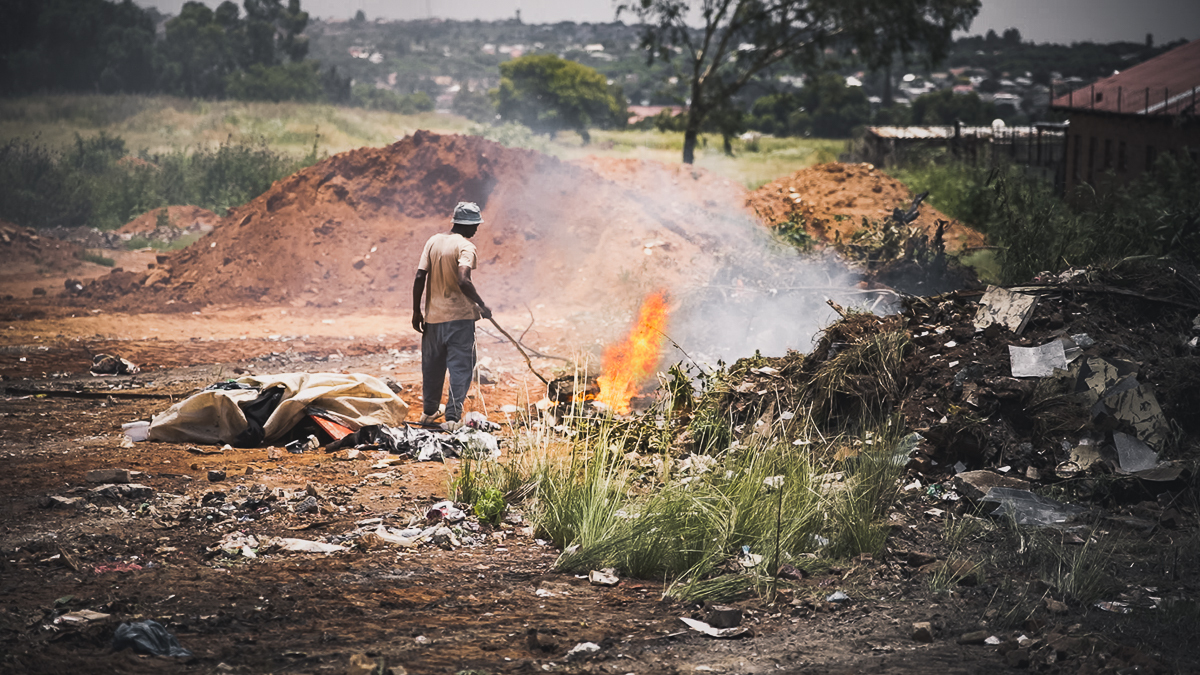
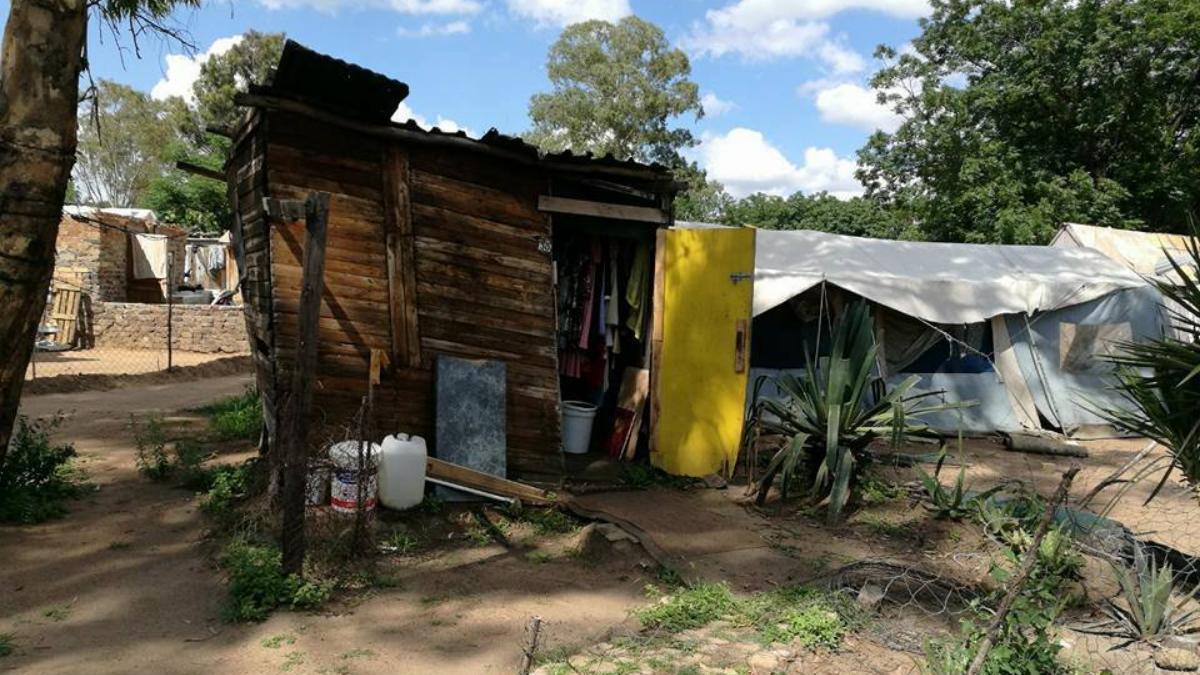
The physical decay mirrors the economic stagnation. Streets are overgrown with weeds, and historic buildings — once symbols of the town’s prosperity — are either crumbling or have been “hijacked” by slumlords who overcrowd them.
“There are pockets where private owners have tried to restore buildings, but it’s like putting lipstick on a pig,” Trump said. “You’ll see a beautifully renovated building next to one that’s falling apart.”
The breakdown of order has had serious social consequences. The CBD has become a crime hotspot, compounded by the concentration of countless taverns within a small radius.
Residents say this has contributed to contact crimes and unsafe conditions for schoolchildren.
Drug addiction has further accelerated the decay, with addicts stripping public infrastructure of copper cables and taps, leaving facilities unusable.
Many are from the homeless community, with residents and businesses saying that many are “nyope” users, a drug which turns them aggressive.
“They’re incredibly dangerous. We can’t confront them cause they either attack us or defecate on our property, and it doesn’t feel like the municipality is doing enough,” said one business owner.
Municipal response and plans
Despite the bleak conditions, the municipality insists a turnaround strategy is underway to regenerate it.
It has secured National Treasury funding through the Neighbourhood Development Partnership Programme (NDPP) to implement a comprehensive CBD Precinct Plan aimed at repositioning Krugersdorp as a “vibrant regional node”.
The plan, approved in October 2017, focuses on the northern CBD, anchored by the Civic Centre, the taxi rank and the Old Stadium.
Key interventions include the redevelopment of the Civic Centre (Phase 1), currently underway and scheduled for completion by July 2026, as well as upgrades to public open spaces and road infrastructure.
Central to the vision is the creation of a “walkable precinct core”, with traffic-calming measures and improved streetscapes.
To address hijacked and vacant buildings, the municipality is facilitating Social Housing Regulatory Authority (SHRA) projects to adaptively reuse properties for affordable rental housing.
One project has been completed, with four others in advanced stages.
The municipality said that by-law enforcement inspections in the CBD are undertaken daily, while multidisciplinary operations are done weekly.
In parallel, a newly launched Safety Forum is coordinating crime-prevention efforts with the South African Police Service, while social workers continue outreach programmes targeting homelessness and substance abuse.
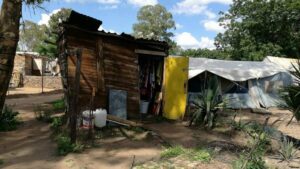
The city rejected the notion that it is inactive, describing homelessness as a “multi-faceted challenge” rooted in unemployment, substance abuse and family breakdown.
Officials point to regular outreach campaigns where social workers provide health screenings, hygiene support, and referrals to the Refuge Centre for rehabilitation.
However, they concede that they cannot compel individuals to accept assistance, with refusal of help, addiction, and shelter capacity issues limiting the impact of these interventions.












 Loading ...