
Iconic Johannesburg theatre celebrates 50th birthday


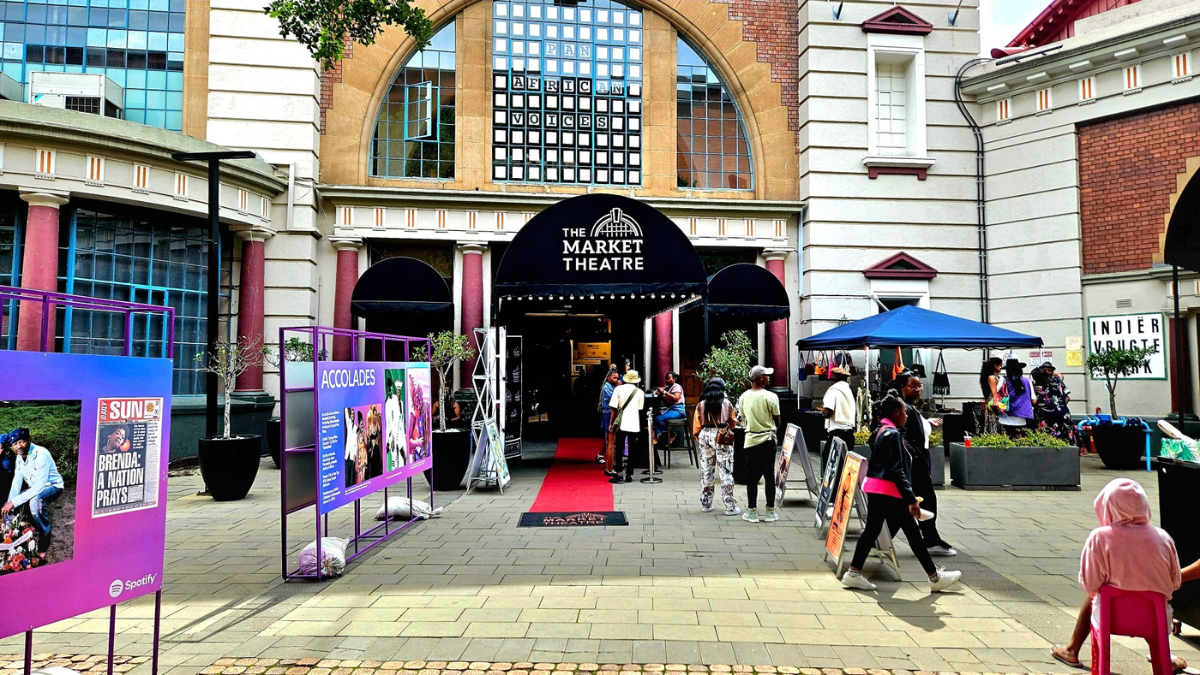
The Market Theatre in Johannesburg, known as an artistic nexus for defiance against Apartheid, is celebrating 50 years since its opening in June 1976.
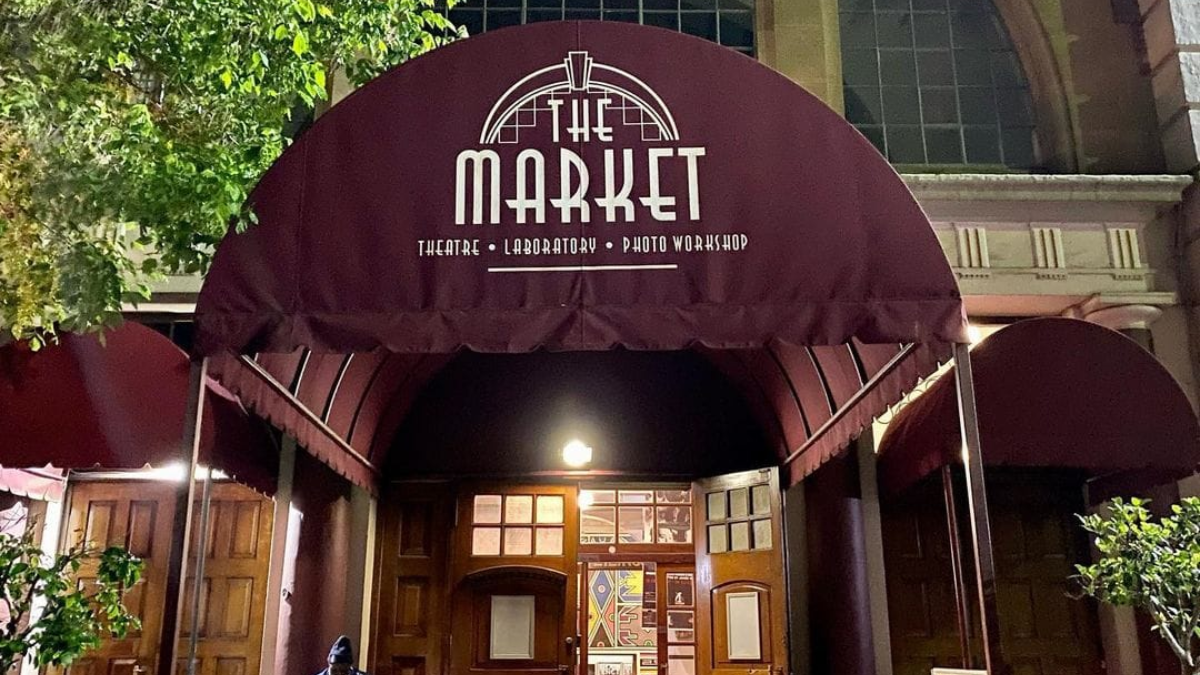
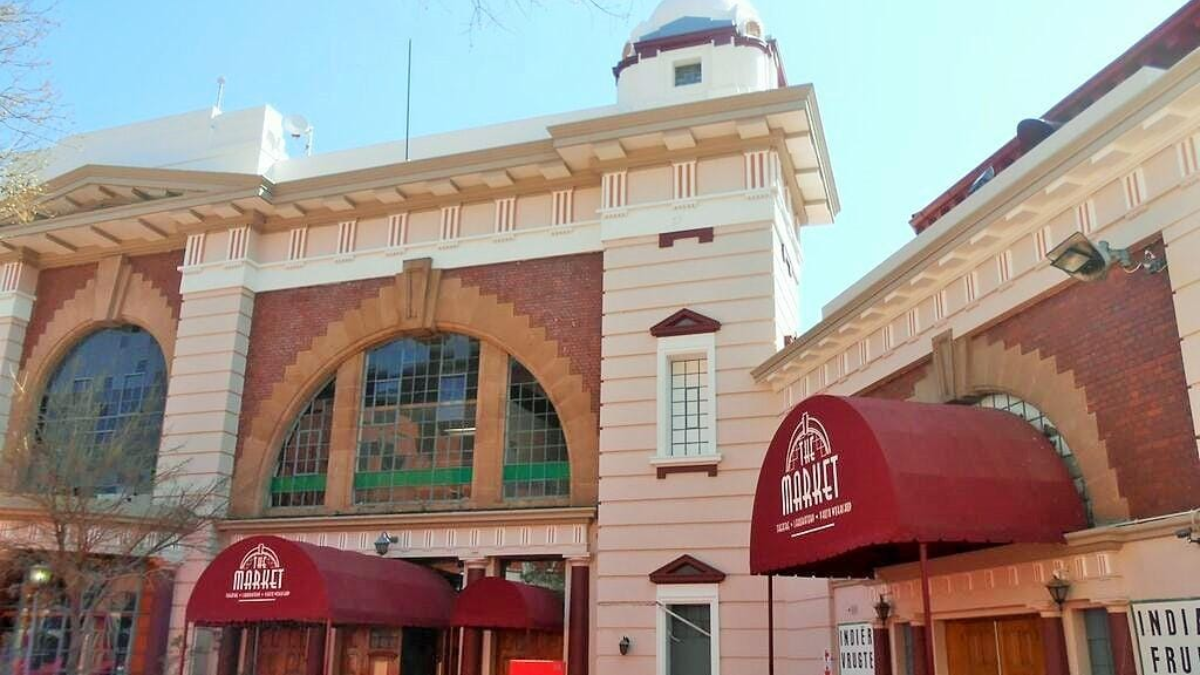
The theatre, located on Lillian Ngoyi Street in Newtown, Johannesburg, was constructed in Johannesburg’s old Indian Fruit Market, which dated back to 1913. It became known as South Africa’s “Theatre of the Struggle.”
Reflecting on the achievement, Greg Homann, Artistic Director of the Market Theatre Foundation, said in an interview with Bongani Bingwa on Radio 702, that the 50-year milestone is special to the foundation.
“It’s quite a milestone, 50 years of fearless storytelling at the Market Theatre,” he said. The Market Theatre first opened its doors on the same week as the June 16th Soweto Uprising.
Homann said it makes sense for the theatre to be aligned with such a huge historical moment, given its role as a force of defiance
“It seems to make so much sense in terms of the history of the theatre and what the theatre itself has stood for and the position that so many people who have gone through that space have taken on resistance and on storytelling,” he said.
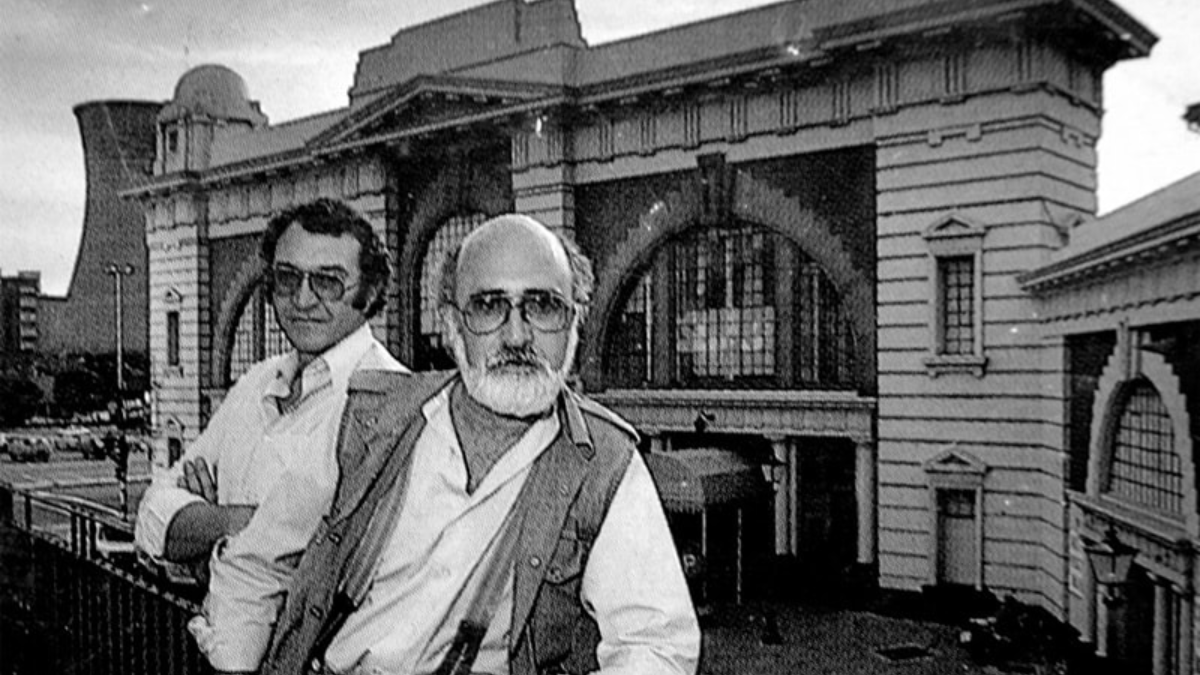
The theatre was founded by Mannie Manim and the late Barney Simon, challenging the apartheid regime with the conviction that culture can impact society.
It has gone on to win 21 international and over 300 South African theatre awards. At the time, however, Homann said the founders were not sure it would be a success.
“In 1976, this was a space that was on the edges of the city, and it wasn’t in a hugely desirable area,” said Homonn.
“There was a lot of nervousness around, you know, if we build it, will people come? Will they come to that part of our city?”
From fruit market to the theatre of the struggle
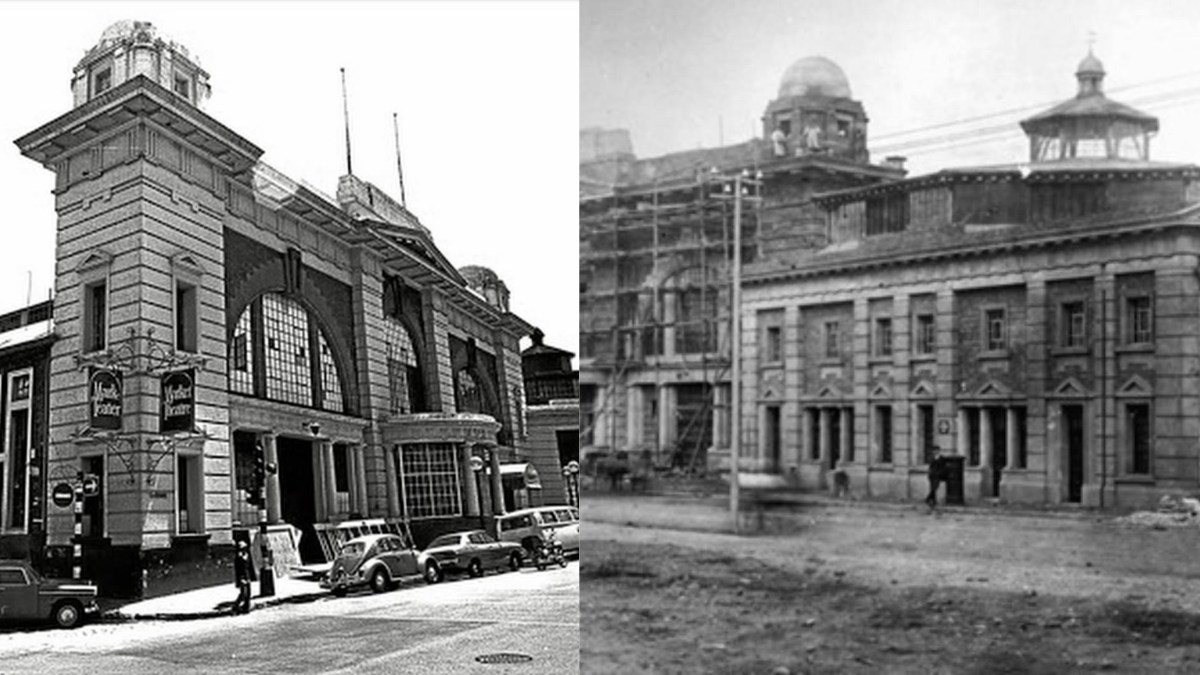
The area that came to house the iconic theatre was home to the Old Indian Fruit Market until the market closed in 1973 after 60 years. The theatre won the bid for the front section of the old market, hence its name.
This is a legacy that continues to linger in the life of the Market Theatre. Homann says the foundation is always having conversations about how the theatre is positioned and people’s perceptions of coming to the space.
“But at the same time, it was a space that independent theatre makers were trying to create, and for that reason, it’s a space of shared ownership,” he said.
The Market Theatre ran solely on self-raised funds and donations from the private sector. Now, the theatre is supported by the Department of Sports, Arts and Culture.
When it began as a small, brave, independent theatre company, the business venture was a huge risk.
“But it was really built on the love, passion and hopes of a small group of artists who wanted to make it a space for everyone, in a country that didn’t allow that at the time,” Homann said.
The theatre’s milestone coincides with several other important milestone sin South African history, including Johannesburg’s 170th birthday, the 70th anniversary of the women’s march, and 30 years since the Truth and Reconciliation Commission (TRC).
Speaking on the theatres’ plans for the year, Homann said it plans to commemorate these occasions with theatre pieces that reflect on each point in history.
50th birthday celebrations
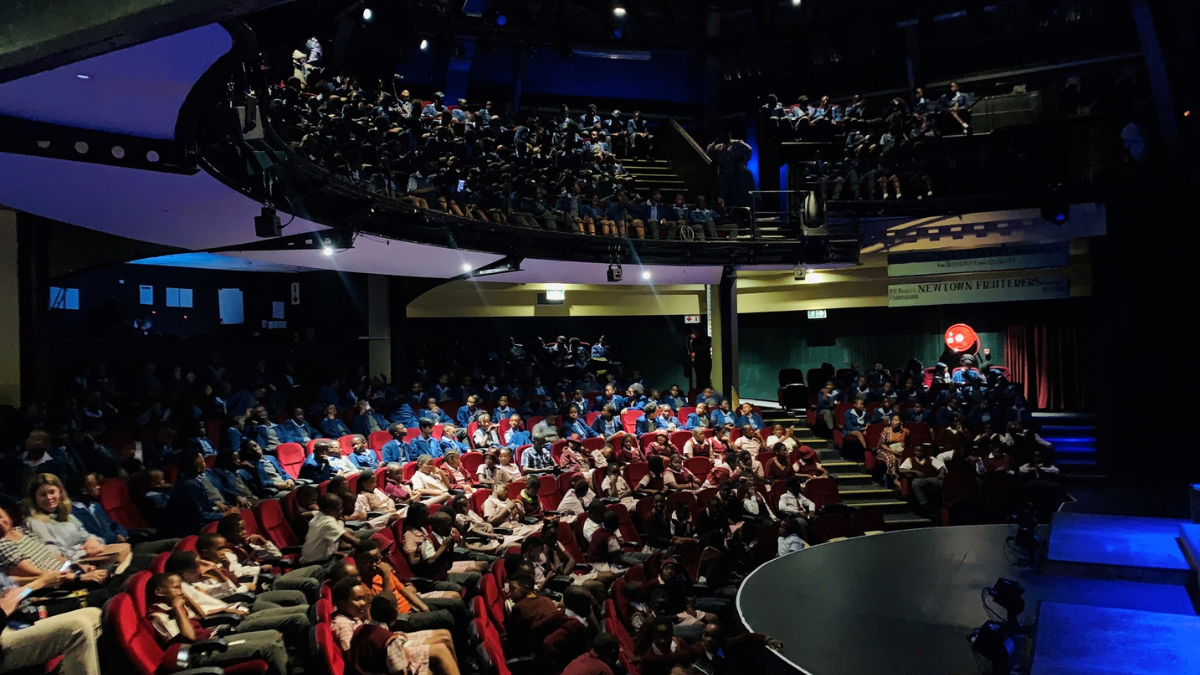
The theatre said for June 16th, it is in collaboration with the Baxter Theatre in Cape Town to develop a new play that will open in Cape Town in May and then go to the Market Theatre in June.
In commemoration of the TRC anniversary, the theatre is working in partnership with artists in Kosovo, as each country reflects on their own forgiveness processes.
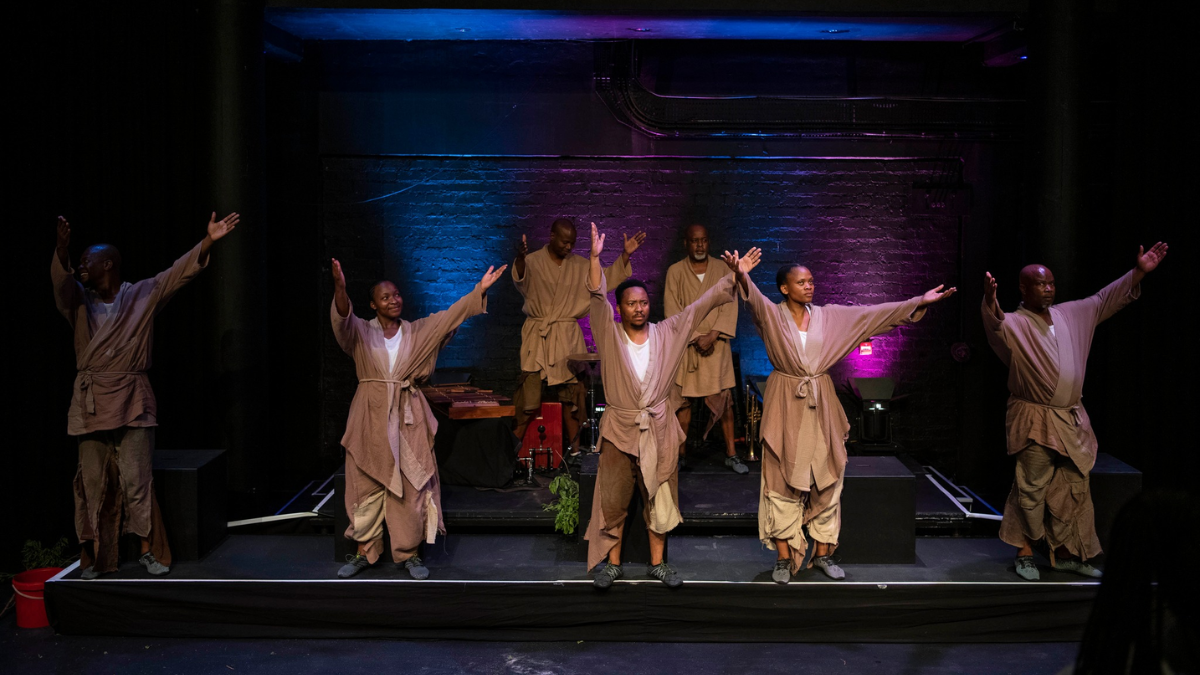
“We made a wonderful piece called Under the Shade of a Tree, I Sat and Wept. We sent three South African actors to Kosovo last year, and a musician, and they collaborated on a project, and that will be with us in April,” he said.
The play will not simply memorialise the TRC, but problematise the history of the reconciliation process.
“We’re trying to put a big spotlight on these big moments, because I think that’s very much been our legacy: telling the South African story, putting a very human story on top of being big national moments,” said Homann.
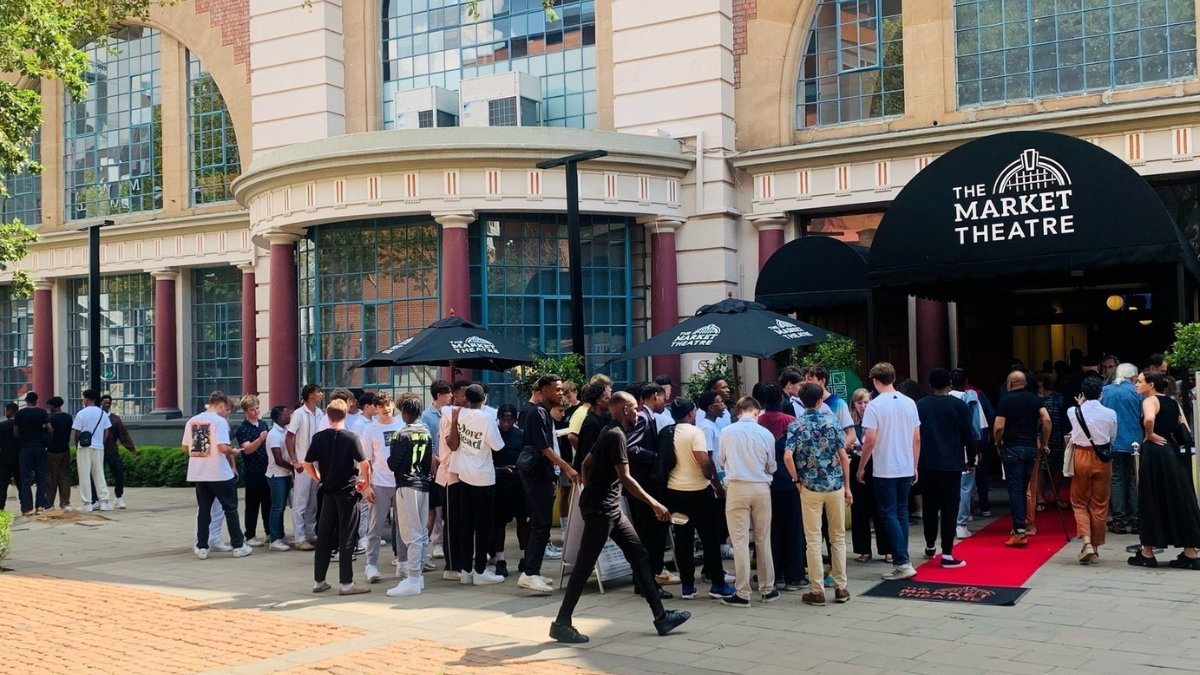
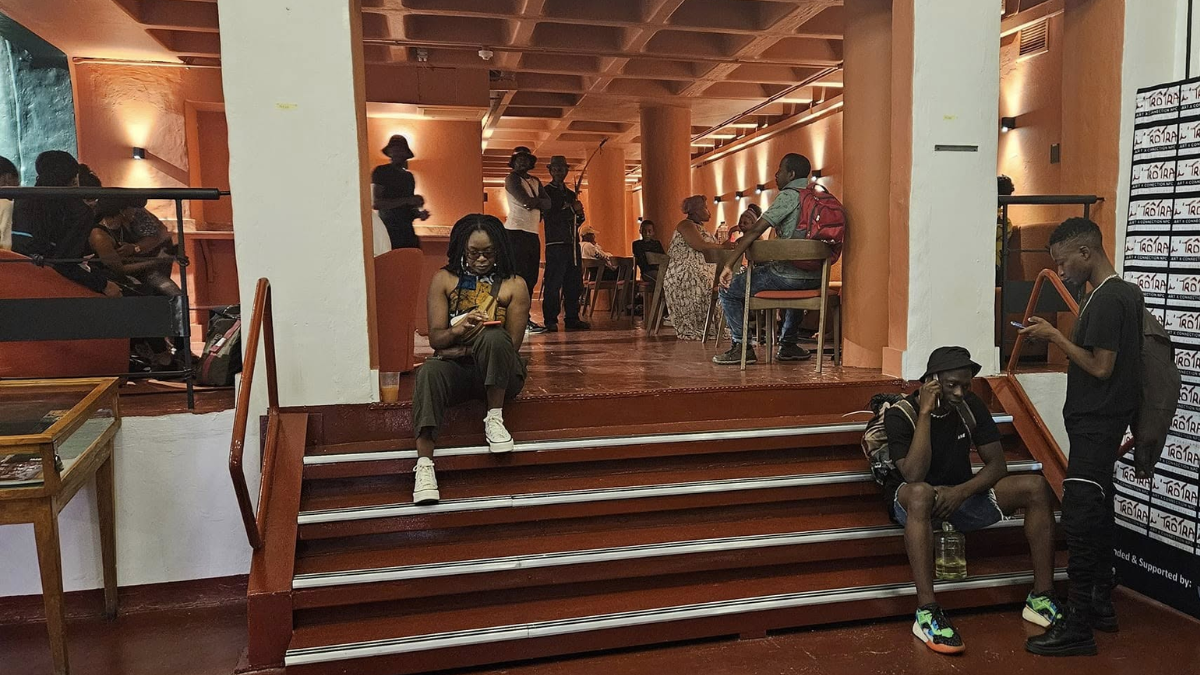
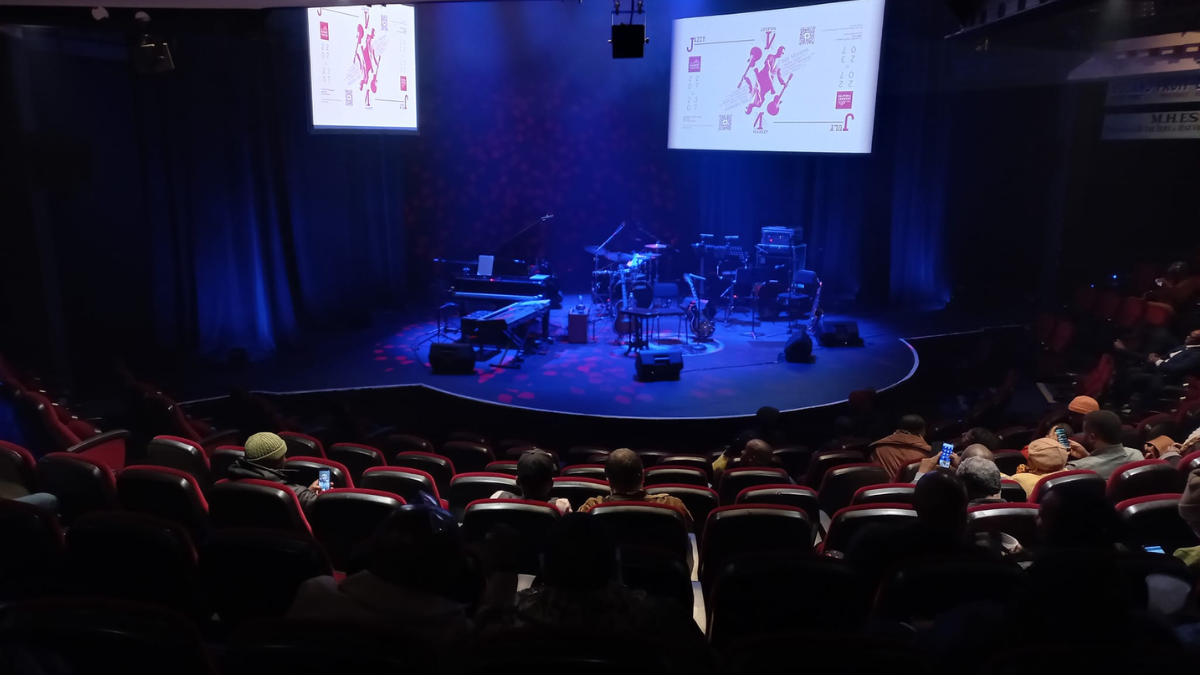
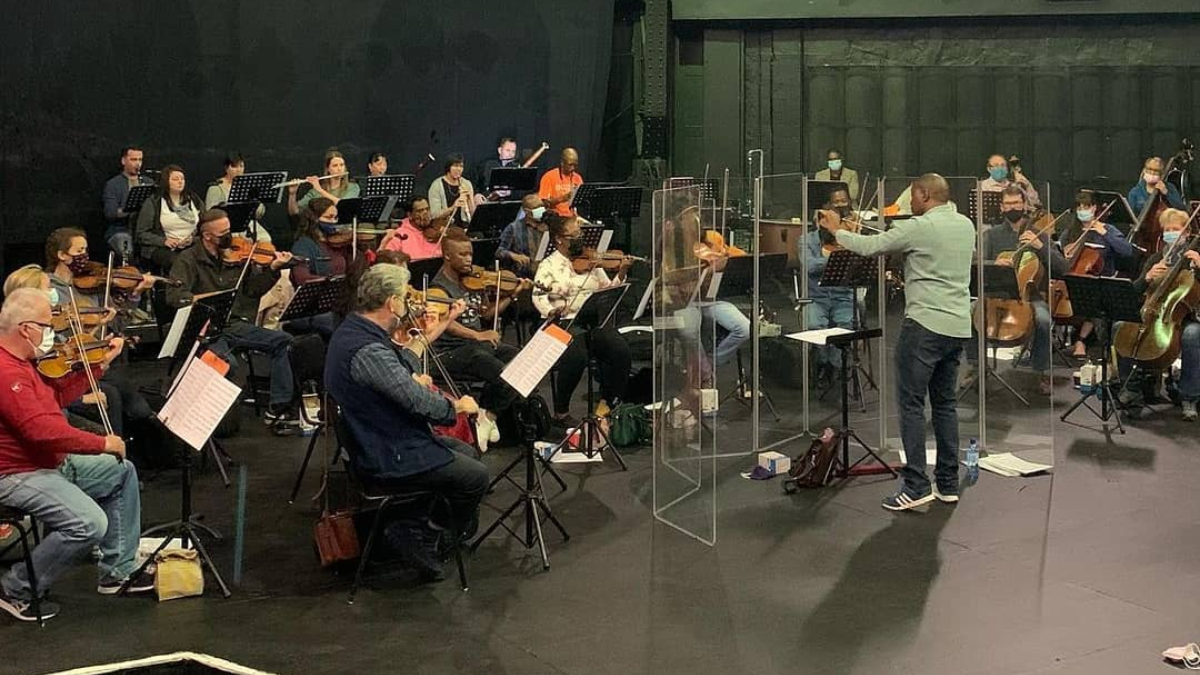
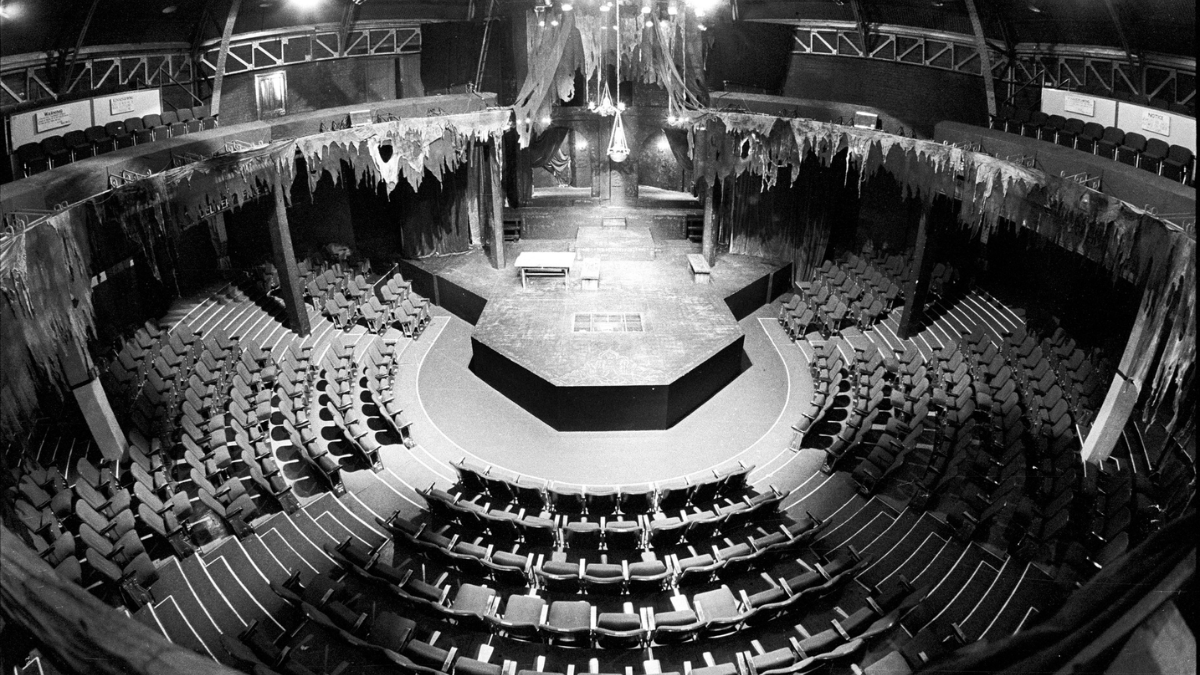
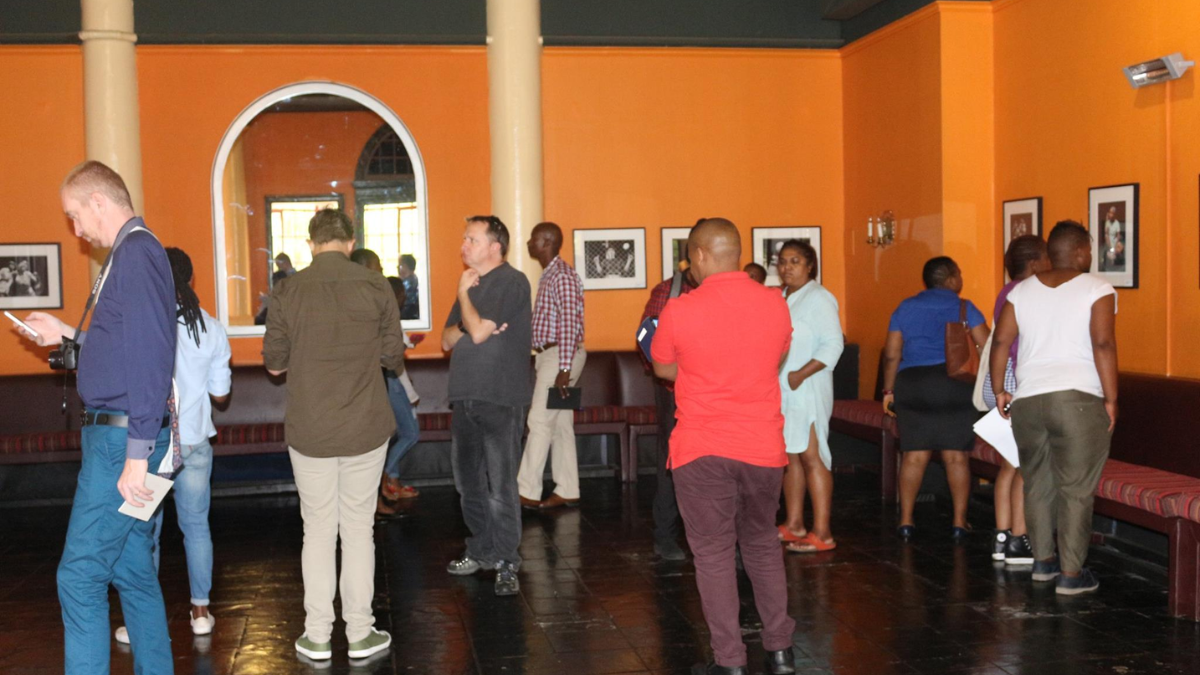
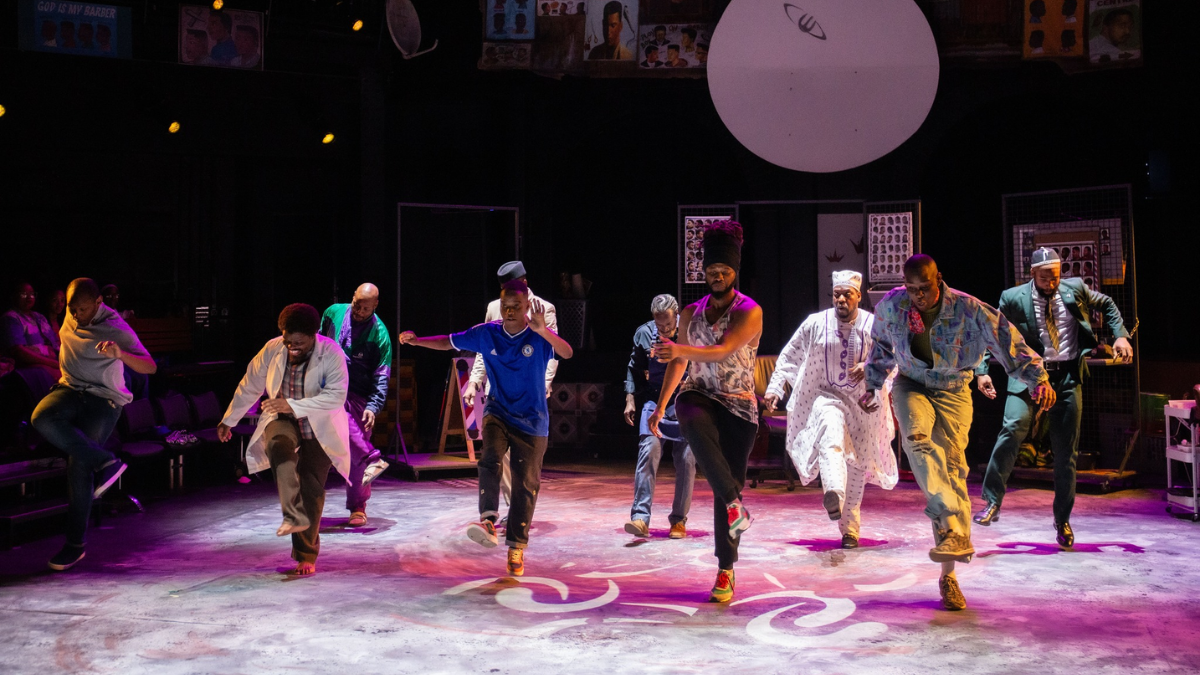
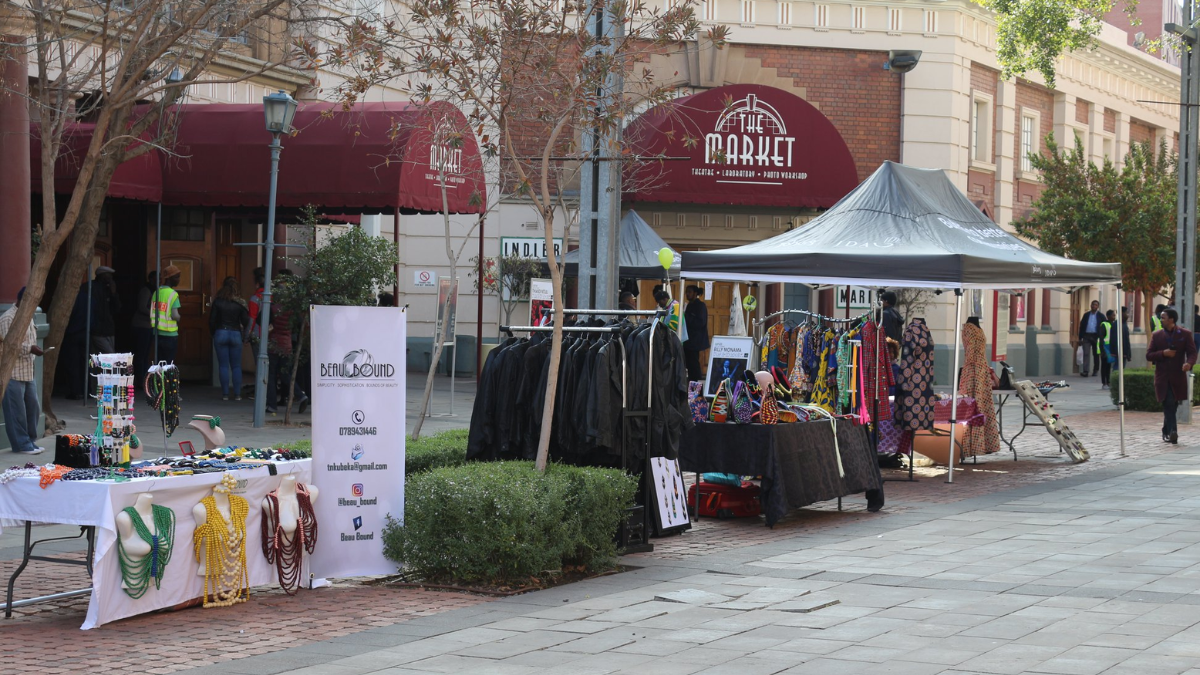
More photos from the Market Theatre:














 Loading ...
It’s a shame it’s in such a bad part of town, no way I’m going to the Joburg cbd.