
Starlink would be a tool for white insurrection in South Africa – Julius Malema



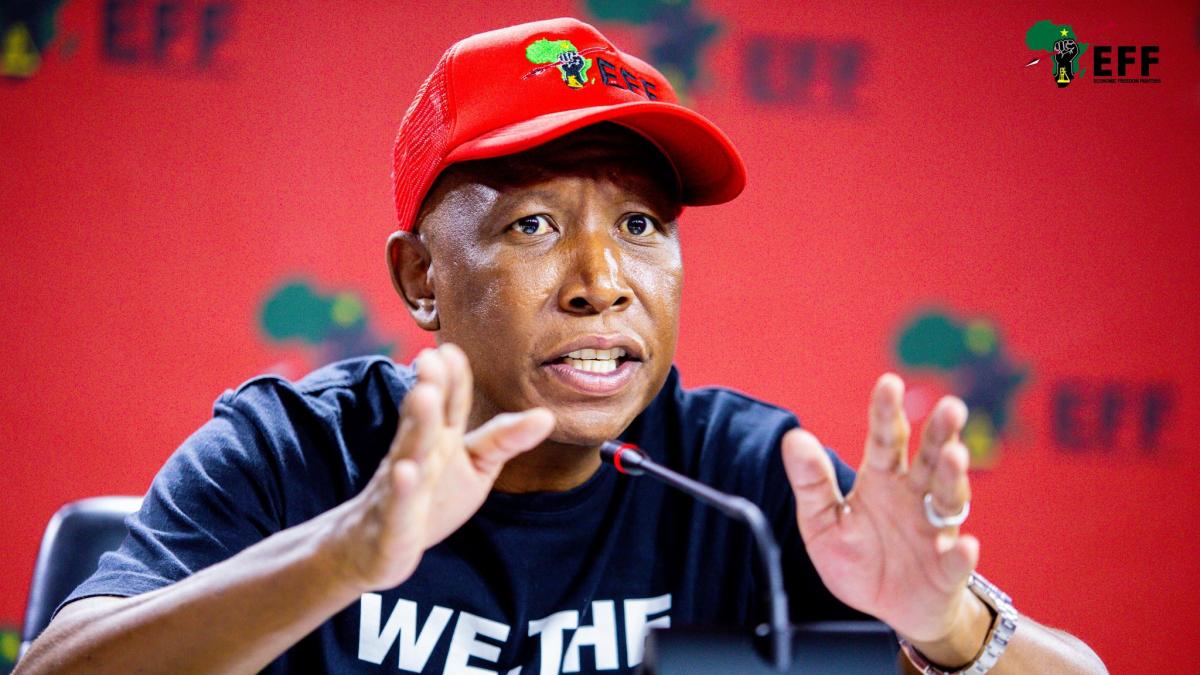
Leader of the Economic Freedom Fighters (EFF), Julius Malema, says that allowing Elon Musk’s Starlink internet services to enter South Africa would result in a white insurrection.
Malema’s remarks come amid renewed debate over whether Starlink should be granted regulatory approval in South Africa, following a December 2025 policy directive by Communications Minister Solly Malatsi.
It was aimed at easing Black Economic Empowerment (BEE) requirements for foreign technology companies through so-called “equity equivalents”.
Speaking on an episode of the EFF podcast, the party leader says the South African government should never allow Starlink to enter the country.
“He’s not fighting to bring the Starlink because he wants to step in and give us access to the network and all of that,” Malema said.
“They’re coming to police us. They’re coming to create regime change. The white people realise they cannot take it through a ballot and they are now engaged in illegal, unconstitutional methods to destabilise this country.”
Malema continued to say that Elon Musk and his company are trying to help white people overthrow the current government and take over the country.
According to the EFF leader, South Africa has a lot of strategic minerals that are needed by America and Elon Musk as a businessman.
“We are not opposed to network connectivity… we are the ones who fought for airtime not to expire.”
The more South Africa broadens its network, the more rural communities can access internet connectivity.
Melema believes that these communities are still voting for the ANC because they lack internet connectivity to see how corrupt the party has become.
“But we cannot have a network that is going to be policing us, operated to monitor our activities and instigate insurrection inside our country,” he said.
Elon Musk cannot escape BEE laws – Malema
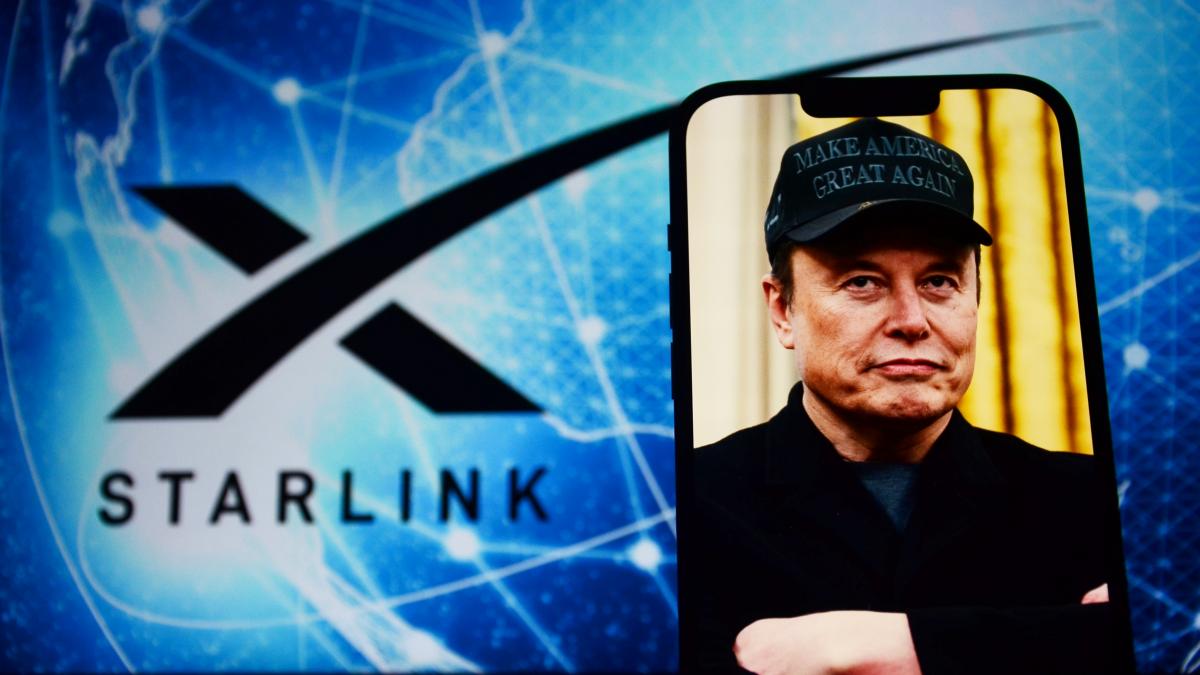
He added that South Africa should never be blackmailed into not following its own laws with regard to Broad-Based Black Economic Empowerment.
“Our laws are not racist or discriminatory. We are simply saying let’s pull those ones who are left behind to come and be at the same level as us,” he said.
“BEE is not going to be a permanent feature, we are just using it as an intervening method to address the historical imbalances.”
Malema said that all South Africans should say that, as long as Elon Musk is not compliant with South African laws, he must never be allowed to enter the country.
Starlink, operated by Musk’s SpaceX, remains unavailable in South Africa as of January 2026.
The company has not secured the necessary licences from the Independent Communications Authority of South Africa (ICASA).
Under existing law, foreign-owned telecommunications firms must comply with BEE rules, including a requirement that at least 30% ownership in local operations be held by historically disadvantaged South Africans.
SpaceX has proposed alternatives such as large-scale investments in free or subsidised internet access for schools and clinics, but no agreement has been reached.
In December 2025, Malatsi issued a policy directive allowing companies to meet empowerment obligations through investments in infrastructure, skills development or other equity-equivalent measures rather than direct ownership transfers.
The move was widely interpreted as an attempt to pave the way for Starlink’s entry, particularly to expand connectivity in rural and underserved areas.
Musk and BEE in South Africa
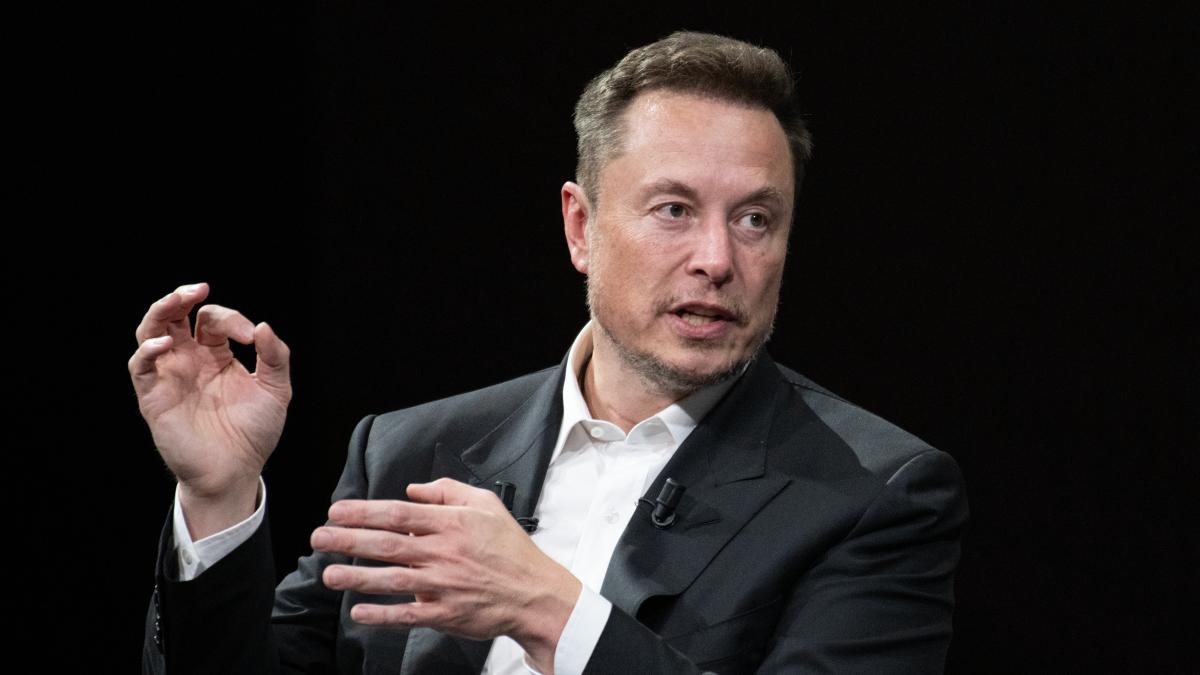
Musk, who was born in Pretoria, has become an increasingly polarising figure in South African politics.
He has repeatedly criticised BEE and other post-apartheid redress policies, calling them “racist” and inconsistent with Nelson Mandela’s vision of a non-racial society.
In public statements and social media posts, he has argued that South Africa has replaced apartheid-era discrimination with a new form of racial preference.
Supporters of Starlink argue that the service could dramatically improve internet access in rural areas, farms, schools and clinics, where connectivity remains poor or non-existent.
They point out that Starlink already operates in several African countries and could help close South Africa’s digital divide, which disproportionately affects black and poor communities.
While regulators have stated that Starlink has not formally applied for a licence, Musk has repeatedly claimed that the equity requirement is the primary obstacle, describing it as discriminatory and incompatible with his business model.










 Loading ...
Ju ju. Min dae. You will be at the mercy of the FF+ in jail.