
ANC is dying because of incompetence and corruption


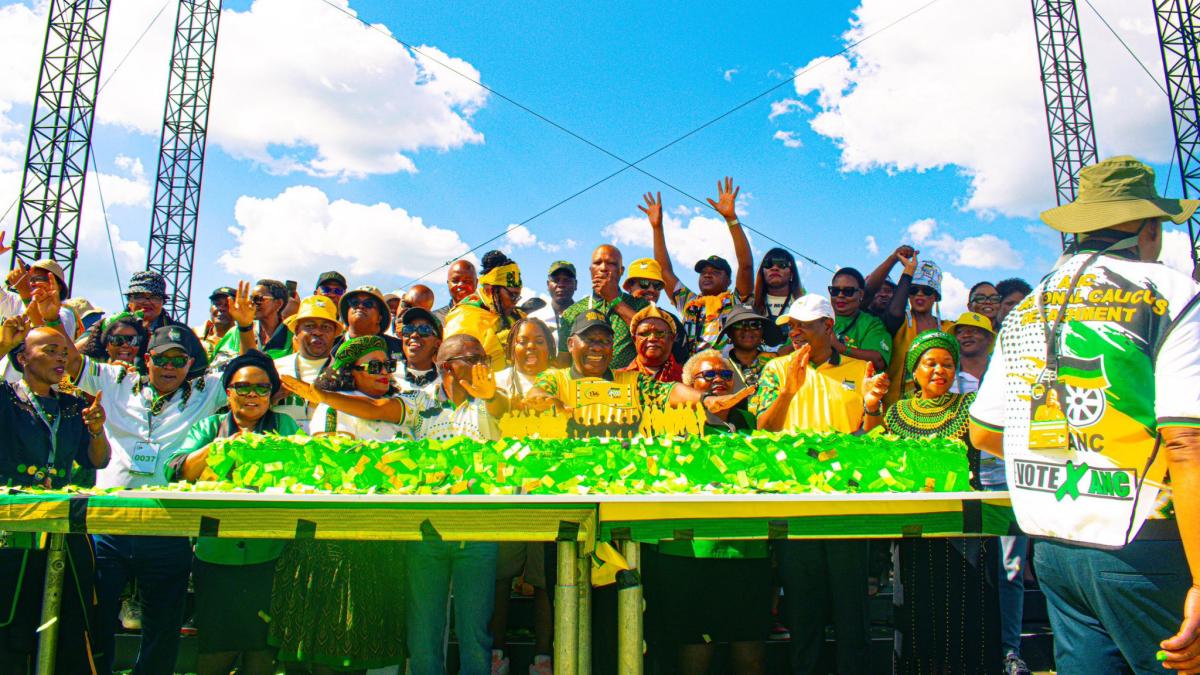
Multiple political analysts have argued that the ANC is dying as it is not serving the people and is beset with incompetence and corruption.
South Africa’s Local Government Elections (LGE) are expected to take place at the end of the year, and all eyes will be on the ANC.
Polling from the Social Research Foundation predicts that it would lose more support than it did in the 2024 general elections, where its support fell to an all-time low of 40%.
This is seen as part of a long-term erosion of support driven by service delivery failures, governance challenges, factionalism, and voter dissatisfaction.
Some observers, including Dr. Frans Cronje, suggest that the ANC could drop to around 30% nationally, a significant decline from its historic dominance.
Particularly, the ANC is likely to lose significant support in urban centres, such as the Gauteng metros and major municipalities.
Service-delivery issues across ANC-run municipalities, including water shortages and infrastructure decay, have damaged the party’s reputation.
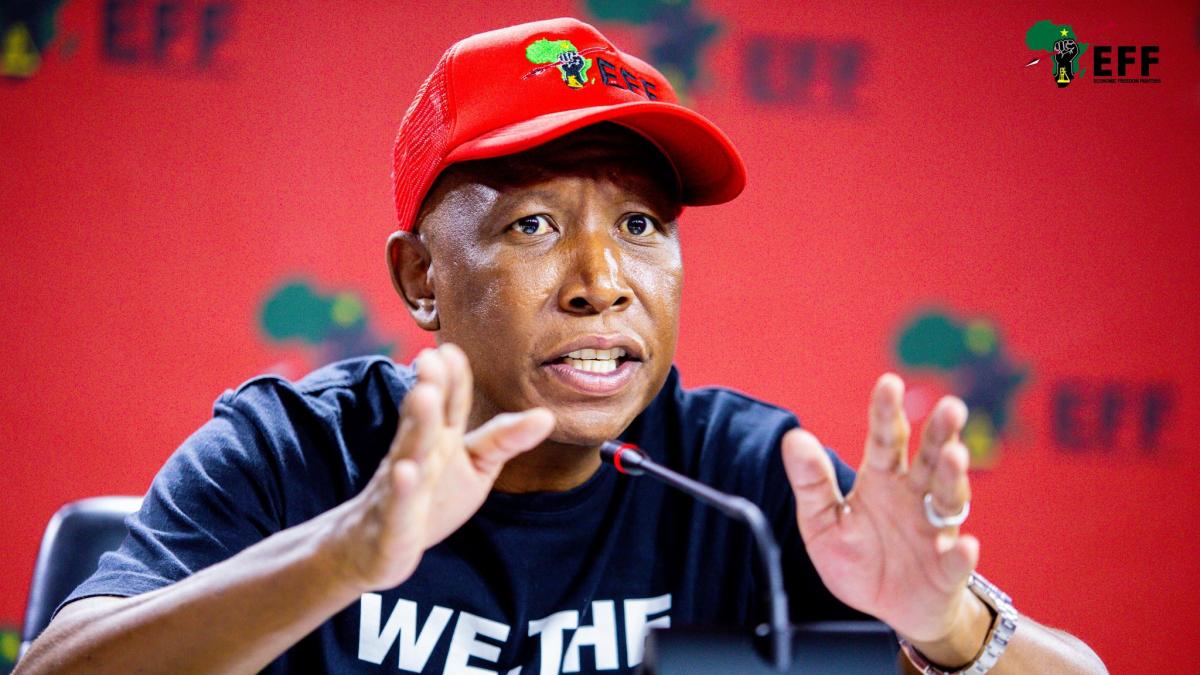
Another challenge for the ANC is the rise of parties which have eroded its support, including splinter partiers like the MK Party and EFF.
Although the ANC is likely to lose significant support, it will remain a dominant player in many municipalities, particularly in rural areas.
However, rather than outright majorities, experts widely forecast that many municipalities will end up with hung councils where no party secures more than 50%.
This marks the end of ANC’s dominance in most parts of South Africa and ushers in a new era of multi-party governance.
Better life for some – Moeletsi Mbeki

Moeletsi Mbeki, a prominent political economist, author, and entrepreneur, the younger brother of former South African President Thabo Mbeki and the son of renowned ANC struggle icon Govan Mbeki and Epainette Mbeki, has not minced his assessment of the party.
In his interview with BusinessTech, he attributed the ANC’s rapid decline in voter support, evidenced by its drop from around 70% to 40% in the 2024 national elections, to a series of longstanding, destructive economic policies.
He said that they have prioritised enriching a narrow political elite and the African middle class at the expense of the broader population.
He highlighted several key factors about why he believes the ANC has dipped significantly:
- Black Economic Empowerment (BEE) and preferential procurement:
These policies, he said, have primarily benefited a small group of politically connected individuals, creating a system that enriches elites while discouraging genuine innovation, entrepreneurship, and broader economic participation.
This has alienated the urban African working class and rural poor, whose needs remain unaddressed.
- Bloated public sector and employment equity:
The expansion of the public sector has drained resources without delivering effective services, fostering corruption and inefficiency.
Employment equity measures have further prioritized middle-class interests over job creation and industrial development for the majority.
- Economic stagnation and high unemployment:
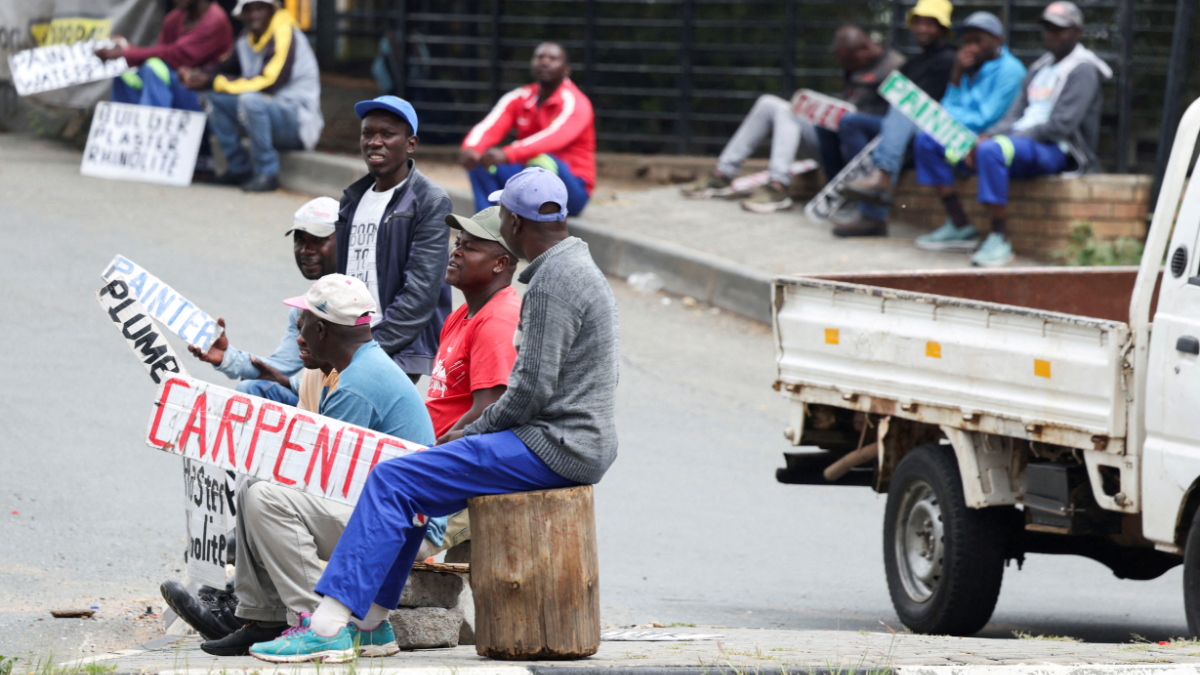
These policies have contributed to unresolved structural issues, including stagnant growth and persistent unemployment, eroding the quality of life for most South Africans and leading to widespread disillusionment with the ANC.
- Neglect of the majority’s needs:
By focusing on elite enrichment rather than inclusive growth, the ANC has alienated its core base, particularly the poor and working class, resulting in voters rejecting the party in historic numbers.
The ANC will be irrelevant in 2029 – Prince Mashele

Prince Mashele, a South African political analyst, commentator, author, and public intellectual, predicts that the ANC will become irrelevant.
He made the bold statement that the ANC will lose its relevance in the 2029 general elections and that it will not regain its strength.
Mashele argued that the ANC had started to fall a long time ago. The ANC fell around 2007 and 2008. It started to behave in a manner which shocked observers,” he said.
“You started to hear people refer to the ANC as thieves and scoundrels. You could see them openly criticising the party.”
“By 2016, we knew that it was over for the ANC. At the time, our prediction was shocking. However, the results proved we were right.”
He predicted that the ANC would be very lucky to get 15% of the vote in South Africa’s 2029 general elections.
“South Africans are fed up. They cannot wait to vote the ANC out of power. The party is going to see dust,” Mashele said.
He said when he does scenario planning for South Africa, he no longer sees the ANC as playing a significant role. “The ANC is out, and it will not come back,” he said.
The ANC is on its last legs

Renowned economist Dawie Roodt said the ANC is on its last legs due to its destructive impact on the economy and the country.
He said that South Africans are gradually changing their mindset and voting habits to remove the ANC from power, seeing it as a destructive force.
Roodt said that incompetence and corruption have weakened the party, but the central reason for its demise will be its foundational ideology.
“The ideology the ANC subscribes to is a leftist ideology. You can call it socialism or communism, but it is rooted in the ideas codified by Karl Marx,” Roodt said.
The ANC’s alignment with leftist ideology, Roodt argues, emerged when the world split in two: the capitalist West and the communist East.
“The ANC had to choose a side, and they chose the East. It made sense to them as Europe, especially Britain, was a colonial power,” he explained.
The party saw itself as non-racial and supportive of equality, particularly for workers, and thus aligned with socialist and communist ideologies.
However, these ideologies are outdated because the economy has moved from primary and secondary sectors to a service-based economy.
“In South Africa 100 years ago, agriculture and mining made up more than 80% of the economy. Today it’s less than 20%. The world has changed,” he said.
The ANC’s ideology is still rooted in Marxist labour theory, and it is part of a tripartite alliance with the South African Communist Party (SACP) and COSATU.
Roodt explained that the ANC’s left-leaning, Marx-inspired ideology is the driving force behind its most controversial and destructive policies.
This includes the expropriation of land without compensation, National Health Insurance (NHI), and the Basic Education Laws Amendment Act (BELA).
The destructive effects of these policies are evident in South Africa’s poor economic growth, high unemployment rate, and rising poverty levels.
Policies such as cadre deployment and black economic empowerment (BEE) have also taken their toll, resulting in widespread corruption and service delivery issues.
Voters are tired of these problems, and they are now making their voices heard at the ballot box, with the ANC’s support plummeting.
















 Loading ...
Don’t you mean “misgovern” next? Like most of Africa.