
Critical South African NGO forced to close its doors


The Foundation for Alcohol Related Research (FARR) has been forced to shut down by May 2026 due to a lack of funding for its work.
This comes while South Africa continues to have the highest rates of alcohol abuse in the world.
FARR is the primary entity in South Africa for identifying, diagnosing, preventing and treating Fetal Alcohol Spectrum Disorders (FASD) in South Africa.
According to a study in the South African Medical Journal, South Africa has the world’s highest estimated prevalence of Fetal Alcohol Spectrum Disorders (FASD), with rates reaching up to 111 per 1,000 children.
During the 2025 festive season alone, DG Murray’s Trust Rethink Your Drink Campaign reported that South Africans spent an average of R1 billion a day on alcohol.
Despite the scale of the problem, Leana Olivier, CEO of FARR, told Newsday that the foundation has not been able to secure sustainable, long-term funding for multiple reasons.
Issues of corruption, uncertainty and the fluctuation of the Rand, as well as South Africa’s current geopolitical climate, have made both international and local funders reluctant to commit to funding the organisation for longer than a year at a time.
Olivier explained that there are donors prepared to fund FARR’s awareness and training initiatives, but not for the foundation’s research, which largely assesses the impact and credibility of its interventions.
The board of directors ultimately decided that the foundation would have to close to avoid compromising the organisation’s core mission.
Olivier said that FARR’s closure will have a huge impact on South Africa.
FARR is the sole provider of diagnostic services for FASD, and so the country will nationally lose its diagnostic capability.
This is a complex process, requiring a multidisciplinary team, including a medical specialist for a clinical examination, a psychologist for psychometric testing as well as a counsellor to obtain detailed maternal history from the child’s mother.
While training has been a central factor in FARR’s operations, Olivier said that these trained professionals often leave the country once qualified.
South Africa as a global outlier
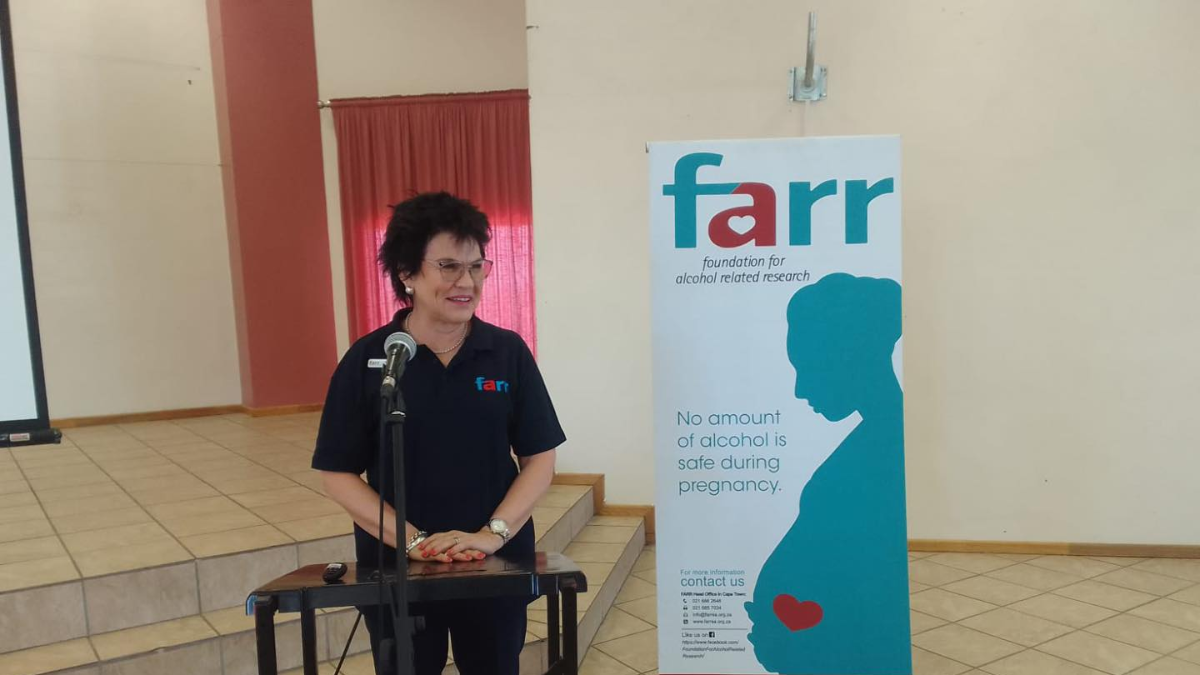
FARR is also the scientific authority on the extent of FASD in South Africa.
While the global rate for FASD, according to Lancet, is less than 1%, FARR’s research reveals that South Africa’s prevalence rate is between 28 and 31%.
It is very unusual for an NGO to also operate as the primary producer of research and scientific data. FARR has conducted 20 prevalence studies and published 75 articles in scientific journals.
This research has been instrumental in influencing the government policies across the departments of health, social development, agriculture and education.
FARR has developed evidence-based programmes that have been proven to save thousands of children from being born with lifelong brain damage.
FARR was founded in 1997 by Professor Dennis Viljoen, who was the Deputy Head of the Department of Human Genetics at the University of Cape Town Medical School, with support from US institutions.
Its first study was conducted in Wellington in 1998, where some research participants who worked on the wine farms were exposed to the tot system, whereby they were partially paid in cheap wine.
“The results of that study were widely published in the media, and that led to the myth that we find up to today, where people still think it’s only people of colour who are susceptible to having children with FASD,” Olivier said.
After the first FARR study was completed in 2000, the organisation was supposed to close. However, through the study, the researchers were exposed to the extent of the issue in South Africa.
The decision was made to expand research to other areas in South Africa as well. When the second study was done in De Aar, the prevalence rate was found to be 11.9%.
“At that stage, that was the highest prevalence rate of FASD ever,” Olivier said. The foundation was only beginning to scratch the surface of the extent of alcohol-related pregnancy complications in South Africa.
A national crisis looms

South Africa has become the country with the most prevalence studies in the world, largely due to FARR’s work.
When these studies showed how many children are born with FASD, FARR started its awareness and prevention work as well.
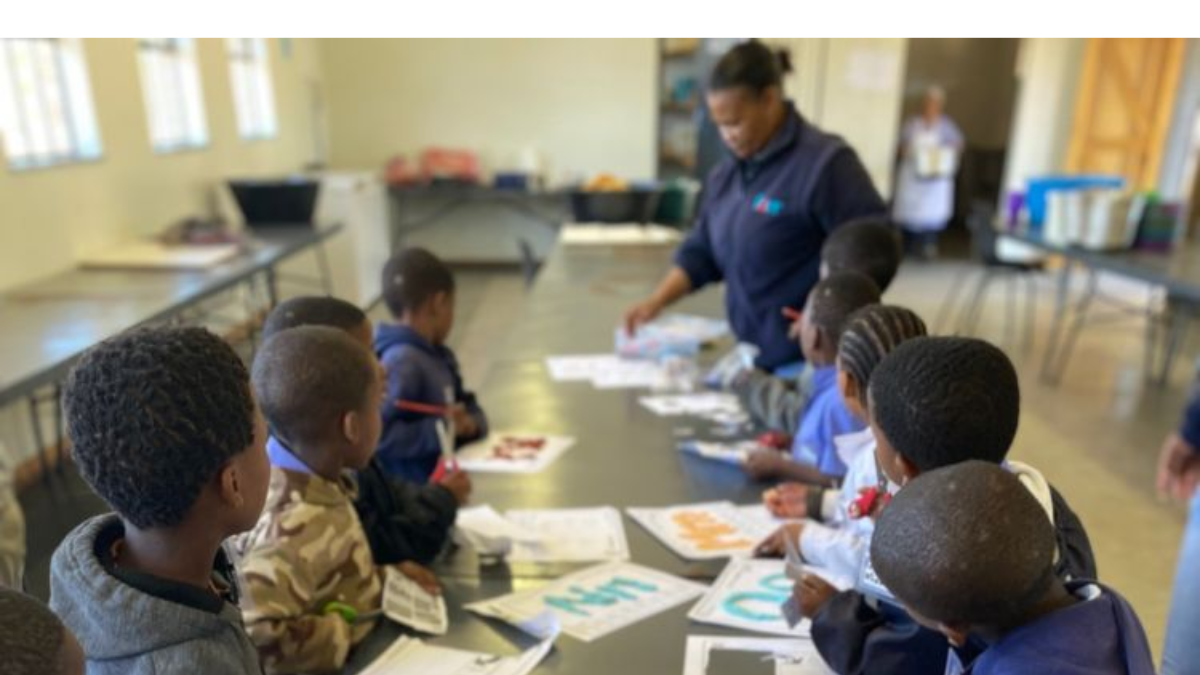
FARR operates programs for pregnant women, evidence-based prevention programs, early childhood development programmes, learner support programs, programs for adolescents, as well as programs for fathers and grandparents.
Olivier said that the impact of the foundation’s work has been far-reaching and significant.
In one community with a prevalence rate of 28%, after FARR implemented its programs, it has recently seen only one or two children who were slightly affected visiting its clinics.
The CEO said that some of FARR’s programmes have already been shut down in April, June, and December 2025.
More projects are expected to close in March 2026, and the FARR head office will close by March 31. The FARR training academy will close by May.
South Africa has the fifth-highest alcohol consumption rate in the world. Reflecting on the organisation’s past 30 years of operations, Olivier said that she wishes she could say that the foundation is closing after reducing high rates of alcohol abuse and, therefore, FASD.
“I wish I could say that we managed to help people become less thirsty, but unfortunately, that is not true,” she said.
She said the foundation had bigger plans of further influencing government policy, as well as getting alcohol advertising to display warnings for FASD.
“I wish we could hand over to somebody else to do that type of advocacy work,” she said.
“But at least we have worked, and where we have worked, communities are well aware of the danger of prenatal alcohol use.”
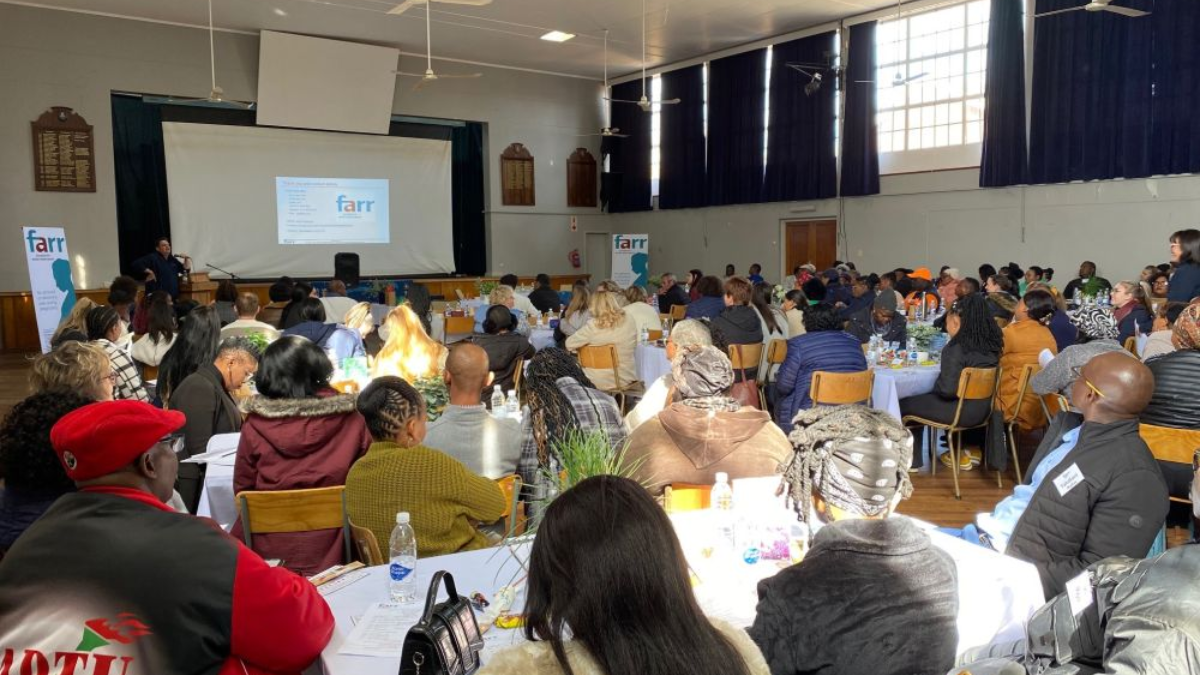
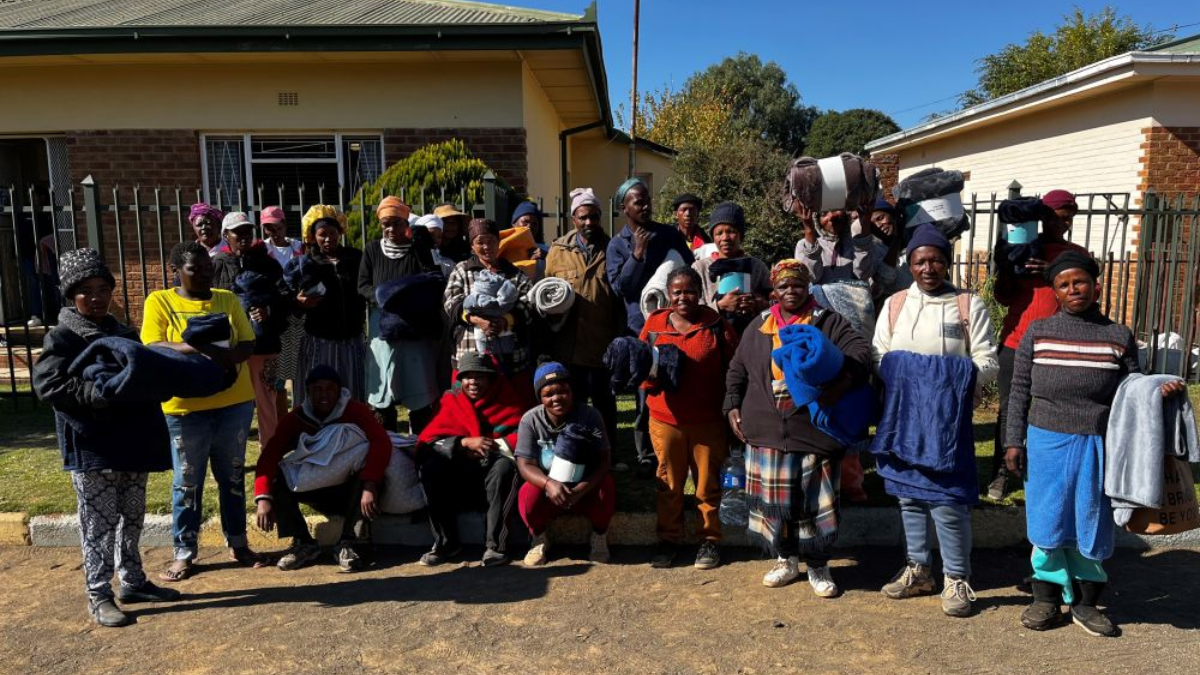
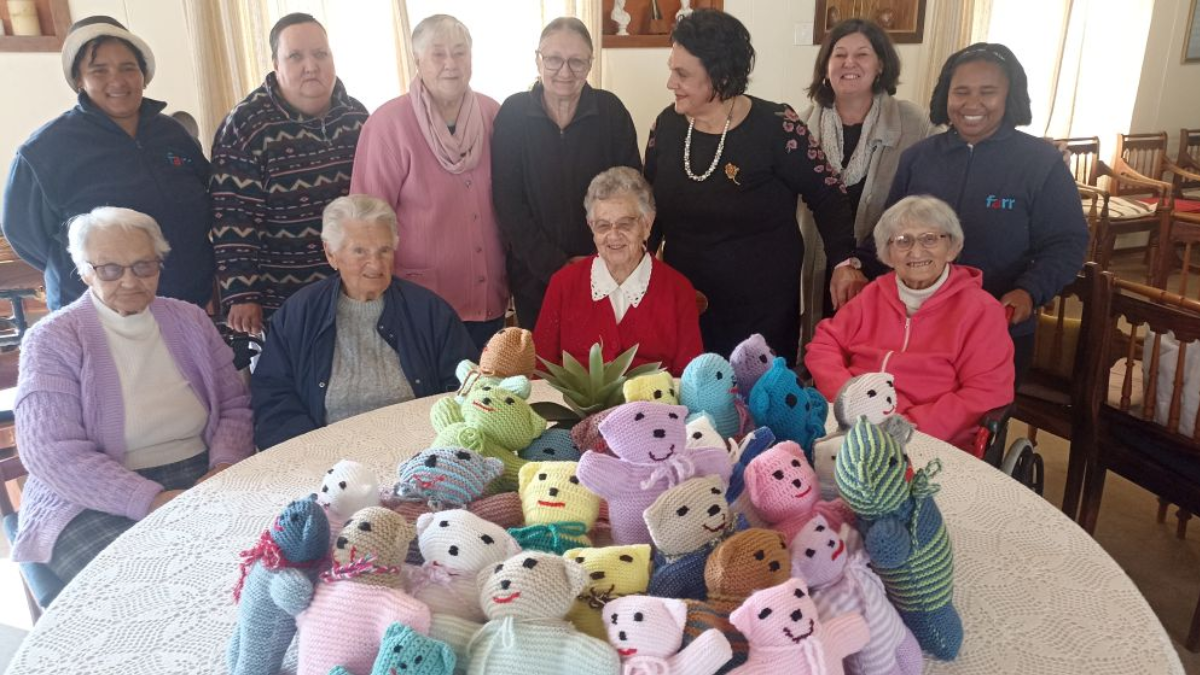
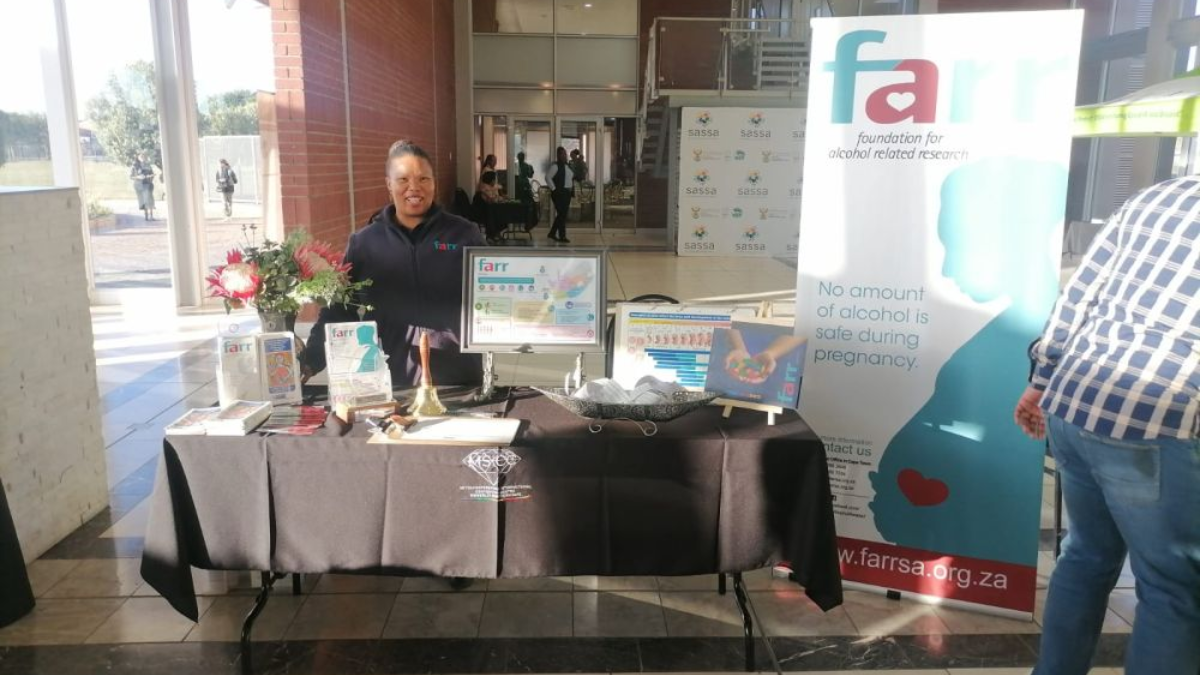
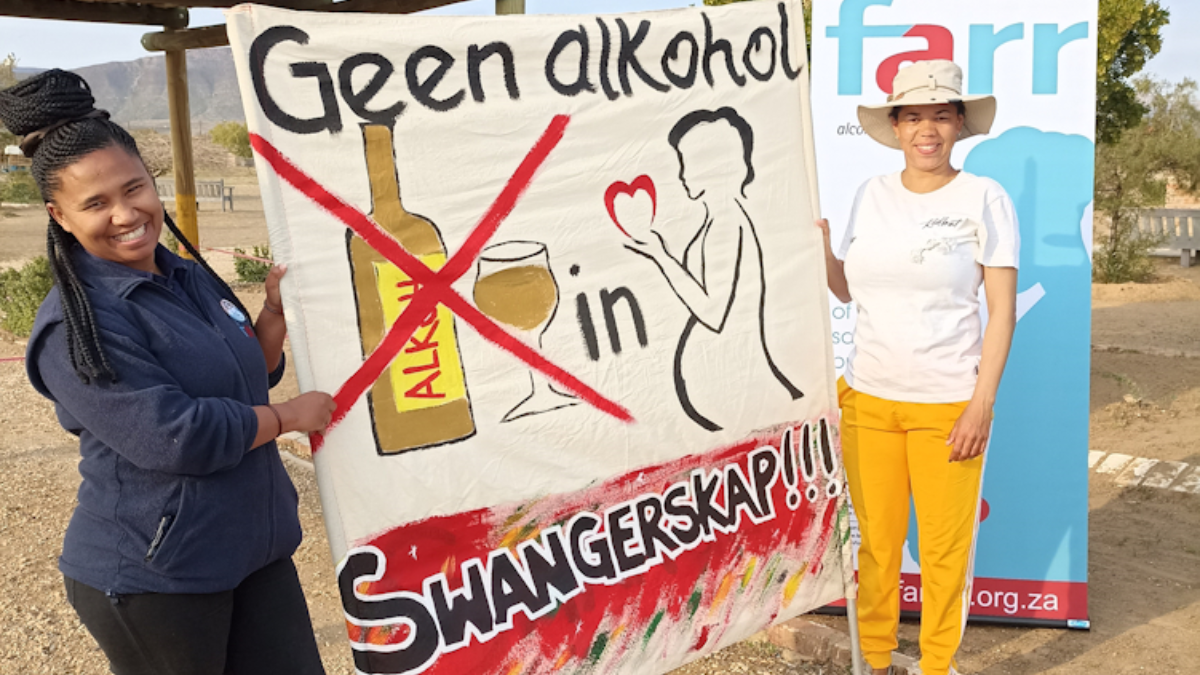
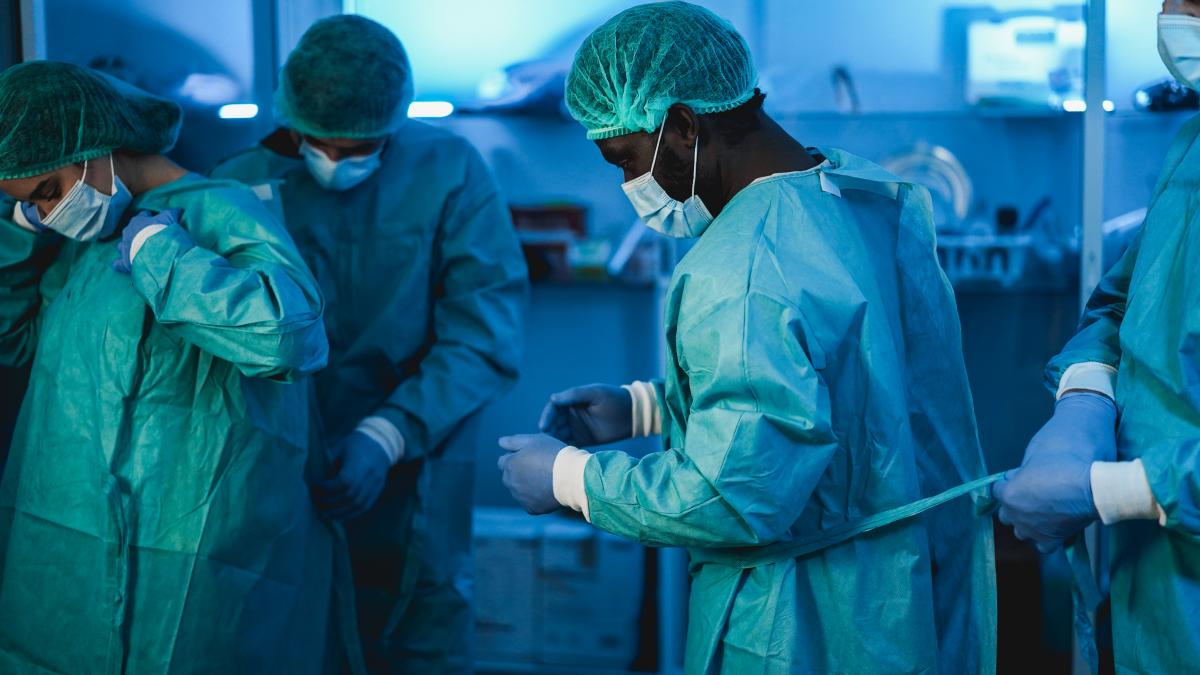
More images of the work that FARR does:























 Loading ...
This is another tragedy for South Africa. Research like this should be funded by the Department of Health. Looks like we have a huge social problem here. The government should be doing all it can to educate and help the fight of alcohol abuse in the country. What will happen to all these children born with FASD if there is no funding for research and education! A vicious circle of hopelessness.