
The story behind an iconic South African cinema chain


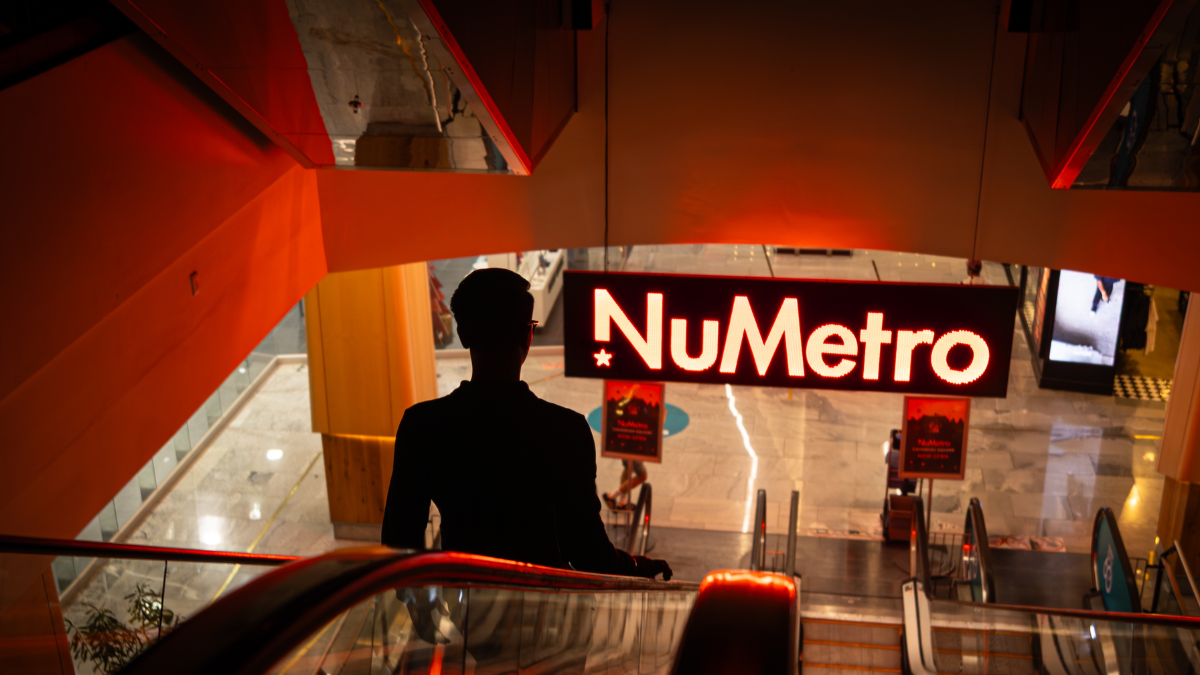
In almost 100 years of operations, Nu Metro Cinemas has survived the rise and fall of cinema popularity in South Africa, and continues to delight cinema-goers across the country.
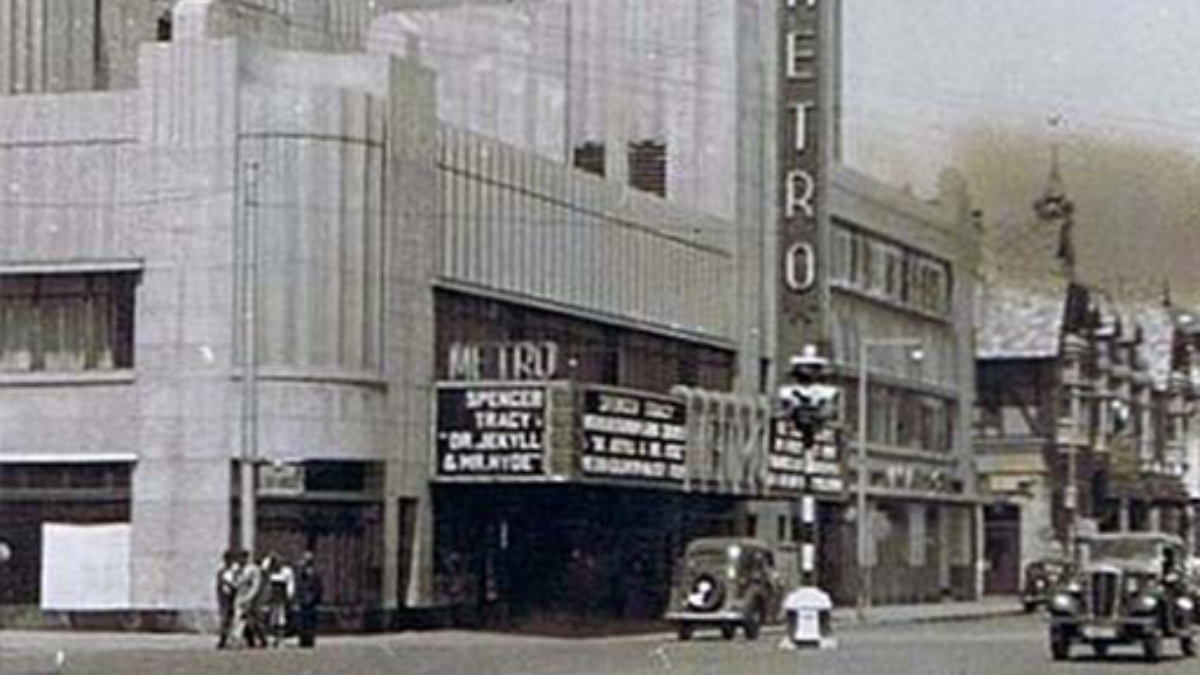
Nu Metro showed its first film in Johannesburg in 1932 at the Metro Cinema, located on the corner of Bree Street and Von Brandis Street in the Johannesburg CBD.
American film company Metro-Goldwyn-Mayer (MGM) purchased the property in 1925 for 50,000 Pounds, according to Johannesburg 1912.
When it opened, the Metro Theatre was the biggest South Africa had ever seen, with a seating capacity of 2,800 in total.
The cinema became a popular gathering place for cinophiles, decorated in a luxurious French style with a grand staircase, the theatre’s main feature.
The Metro Theatre was MGM’s attempt to go up against the already-established African Theatre Chain, the precursor to Ster-Kinekor Theatres.
This is a rivalry that would follow Nu Metro Cinemas throughout its existence.
“The awesome splendour and size of the auditorium have never been equalled in South Africa for a single-screen cinema,” the company said.
Unfortunately, the vision of a luxurious, grand, single-screen cinema was not as successful as other multiple-screen cinemas. The original Metro Theatre was, therefore, demolished in 1972.
However, this was also the year that Metro Theatres would open its oldest surviving cinema in Bedfordview.
This time, the cinema was smaller, less luxurious and had two cinemas, with 350 seats each, keeping up with the market appetite of the time.
On February 19 1988, Metro Cinemas rebranded to Nu Metro Theatres. And by 1993, the company had adapted to the times, showing films in multiplex cinemas.
From theatre luxury to casual cinemas

The Bedfordview cinema was the first Nu Metro to feature digital audio when it showed the first Jurassic Park film. The picture played from film, alongside a 6-channel audio coming from a CD-ROM disc.
It is documented that during the early 2000s, the company was owned by the Times Media Group, which held shares in other cinema companies as well.
The cinema group continued to fiercely compete against Ster-Kinekor cinemas, keeping up with the latest technology in film.
In 2006, the first digital screen for Nu Metro Cinemas went live at the Nu Metro Monte Casino, showing the animated film Happy Feet.
The group’s first all-digital cinema complex opened at Emperor’s Palace in 2009. During this time, in 2008, the company rebranded from Nu Metro Theatres to Nu Metro Cinemas and had a new logo designed.
By 2013, all Nu Metro Cinemas had been converted to digital screens. This coincided with Ster-Kinekor’s rollout, with fierce competition to have the latest technology.
Nu Metro Cinemas has kept trying to stay ahead of the competition in technological advancements, and in 2013, the company installed an immersive sound system, the first of its kind on the continent.
However, at this time, the Time Media Group stated in its annual reports that the Entertainment portion of its portfolio, including Nu Metro Cinemas, was unprofitable and unmanageable.
The turnaround plan
“The entertainment division has been a problem-child within TMG, and over the last few years a significant amount of money has been lost while the division absorbed capital from the Group without delivering returns,” the company said.
Nu Metro Cinemas was making an operating loss of R3 million in 2013, and after years of growth, the company closed four unprofitable sites in 2012.
TMG identified Nu Metro Cinemas as a non-core asset and sold the company to KwaZulu-Natal-based private equity company One Fifty Capital in 2014.
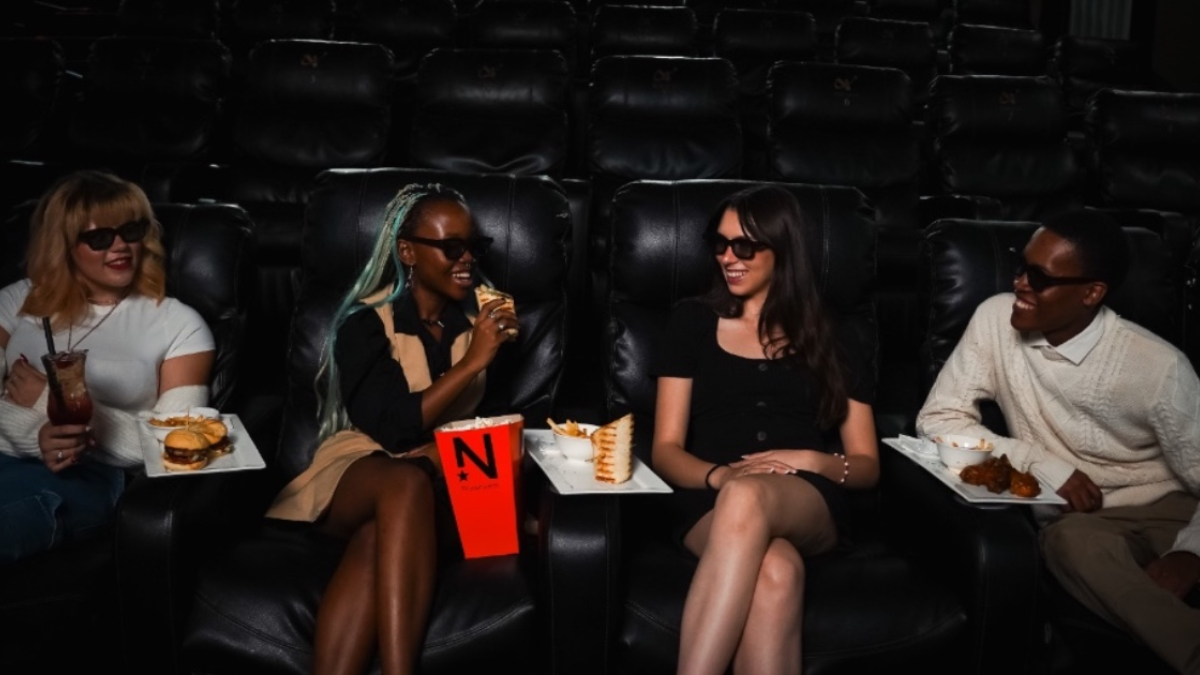
Once One Fifty Capital acquired the cinemas, the ownership largely returned to the roots of the cinema group, creating the Scene VIP luxury experience.
These cinemas have fully reclining leather seats, exclusive lounges and bars with both alcoholic and non-alcoholic drinks and light meals.
After Times Media Group sold the cinema chain in early 2014, the company operated 17 movie theatres.
It opened its first two Scene Xtreme cinemas in late 2014, and another followed in July 2015. In August 2015, the Trade Route Mall in Lenasia also got a six-screen cinema, including a fourth Scene Xtreme.
Therefore, by late 2015, the company had about 21 cinemas. By May 2025, however, this number dropped again to 16 cinemas
Today, according to its website, Nu Metro Cinemas has 19 cinemas, after taking over several Cineplexes previously run by Ster-Kinekor.
This includes the Gateway Theatre of Shopping site in Umhlanga, and the Bedford Square Cinema.
The most recent opening was in December 2025, when Nu Metro took over a Ster-Kinekor cinema complex in Cavendish Square, Cape Town.
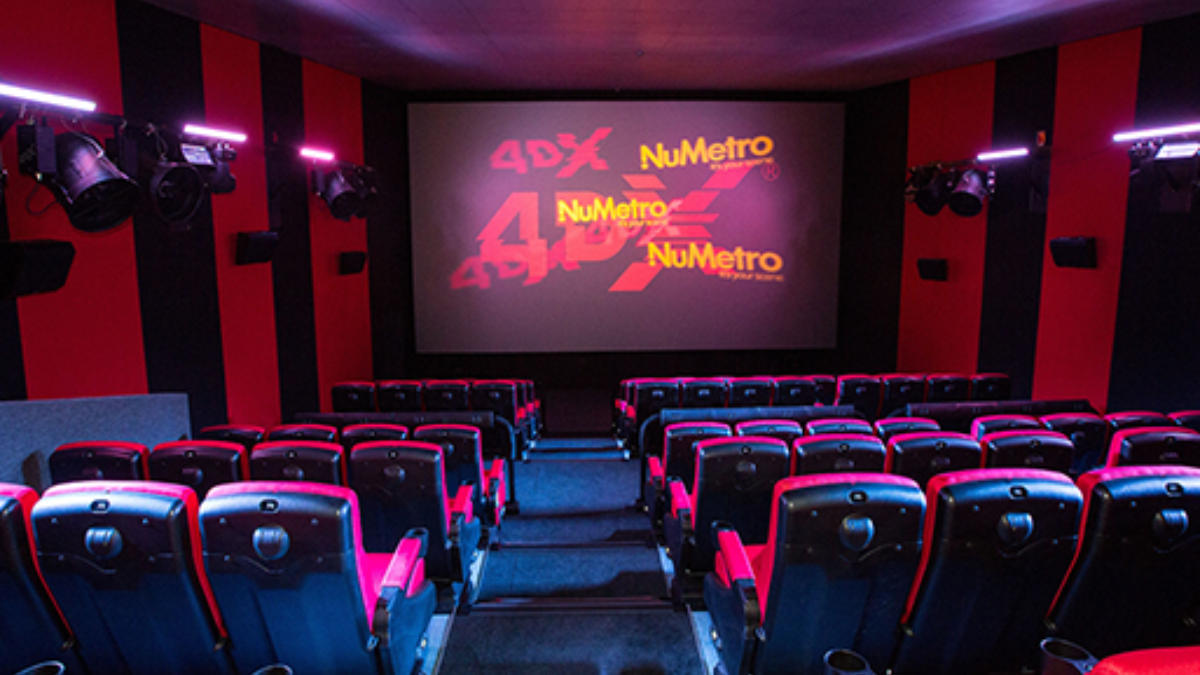
The Nu Metro site in Gateway features the country’s first-ever 270-degree ScreenX auditorium and the chain’s new VIP Premiere Cinemas.
It houses nine refurbished theatres, including the ScreenX auditorium, which provides a “panoramic” experience with a screen that covers three walls.
Nu Metro Gateway also offers 4DX, Scene Xtreme, and a Kidz Cinema option. The company said its VIP Premiere theatres are its latest, highest-tier offering, providing an exclusive cinema experience.
Nu Metro’s operations executive, Andries Basson, said that the cinema business has not yet been lost to streaming platforms like Netflix and Showmax.
“Covid did us no favours. It awakened the scenario where we were closed for nine months,” he said. “Then the narrative became ‘cinema is dead, cinema is going to be taken over by streaming platforms’.”
He said he believes there is still an experiential component involved, and that people would like to come and watch something at the cinema.

















 Loading ...