
No white farmers need apply



The Department of Land Reform and Rural Development has faced intense scrutiny regarding the criteria it uses to lease state land, particularly its racial eligibility requirements.
In early December, the Department opened applications to lease a 16-hectare state-owned property called Greenvalley Farm in Gauteng Province.
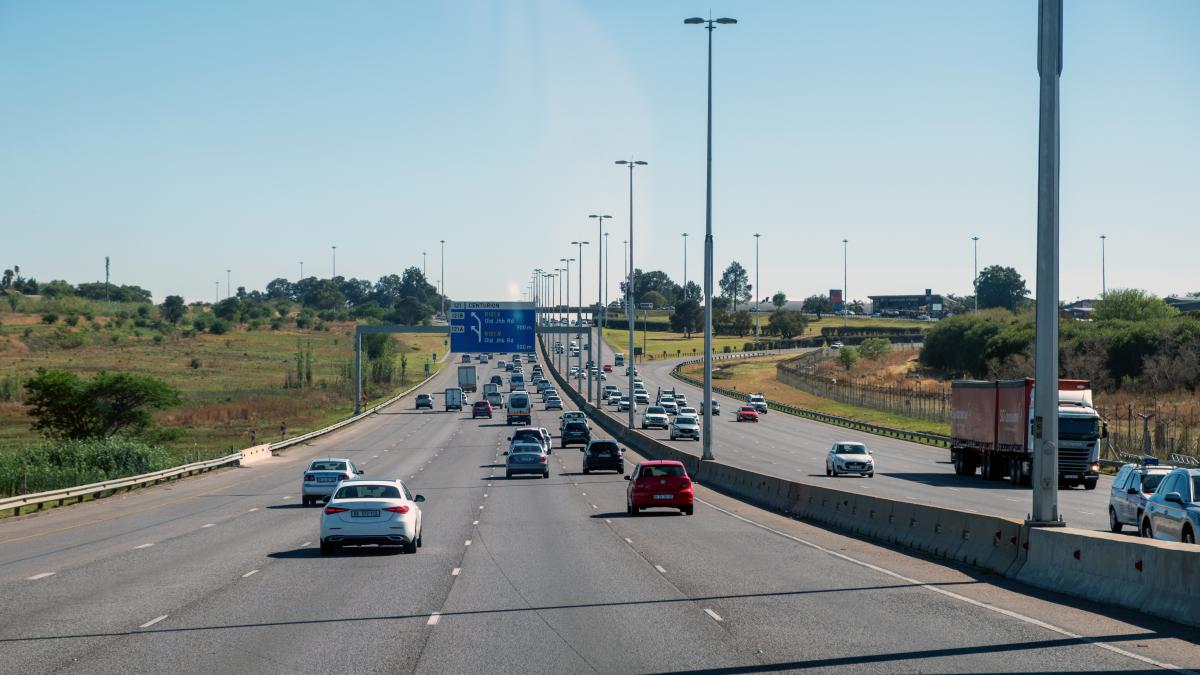
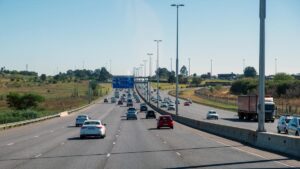
The farm, located near Meyerton, approximately 25 km from Alberton and close to the R25 highway, is described as suitable for crop and vegetable farming.
Current lease categories range from 8 hectares with an annual rental of R90,000, to the full extent of R1 million.
The post explicitly outlines eligibility criteria under the department’s Beneficiary Selection and Land Allocation Policy and State Land Lease and Disposal Policy. Key points include:
- Applicants must be Africans, Indians, and Coloureds who are South African citizens, with “African” defined to include persons from South Africa’s first nations.
This racial restriction, barring white South Africans, has ignited some widespread backlash.
Critics have labeled it “state-sponsored racism” and a violation of Section 9 of the South African Constitution, which prohibits unfair discrimination on grounds of race.
High-profile users like musician The Kiffness quipped, “Interesting way of saying ‘whites need not apply’.”
Executive Director at Southern African Agri Initiative (SAAI), Theo de Jager, wrote: “No white people are allowed to rent state property, it says.”
The DALRRD’s eligibility criteria for leasing state-owned land—including in the Greenvalley Farm advertisement—are drawn from the Beneficiary Selection and Land Allocation Policy and the State Land Lease and Disposal Policy.
Both policies prioritise “previously disadvantaged” South Africans in line with Section 25’s land-reform mandate.
This sets out that people dispossessed after 19 June 1913 due to racially discriminatory laws are entitled to restitution or equitable redress.
According to the Department’s policy, applicants must show farming commitment, relevant experience, and some own resources.
Shortlisted candidates undergo verification, and successful ones receive long-term leases with potential ownership only after 50 years.
The Department of Land Reform and Rural Development did not answer questions from Newsday.
Support for the criteria – and misconceptions of land ownership
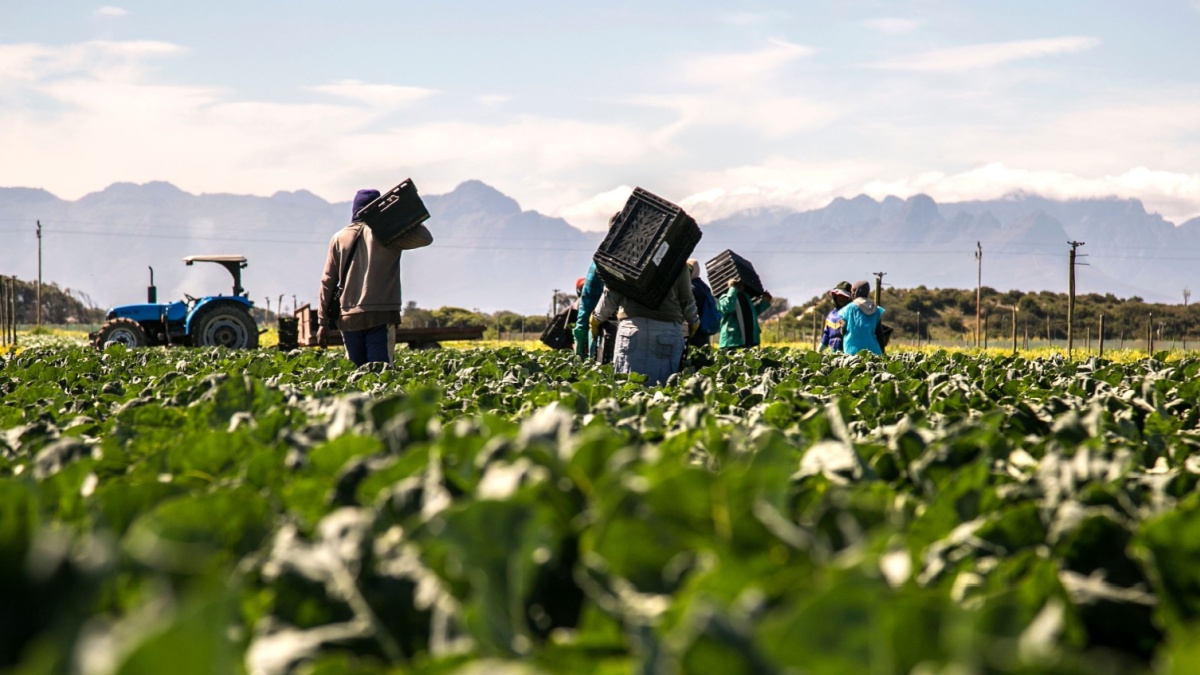
The department frames these criteria as constitutional redress aimed at transforming an agricultural sector still dominated by white land ownership.
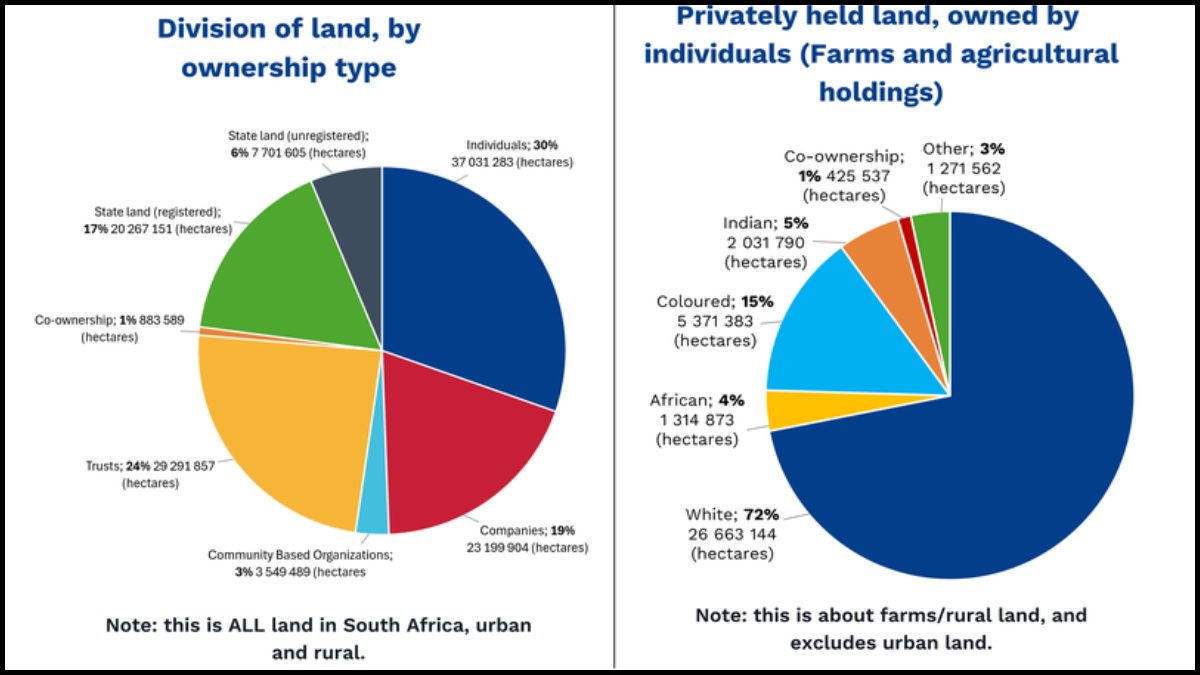
It is often said, without proper contextualisation, that 72% of the country’s farmland is owned by “white” people as opposed to only 4% owned by “black” people.
Terence Corrigan, Projects and Publications Manager at the Institute of Race Relations, explained that the data showing the 72%-4% split comes from the official 2017 land audit report.
This data pertains only to freehold land owned by individuals and registered at the Deeds Office.
The report indicates that people of color own 15% of this land, Indian people own 5%, “others’ own 3%, and co-ownership schemes account for 1%.
However, the IRR note that land under these conditions represents roughly a third of the total land in the country.
While often labeled as farmland, much of this land is better categorised as “rural” land, as a significant portion is not used for agriculture.
Landholding across South Africa – urban and rural – is held in the following manner:
- Individuals, 30.4%;
- Trusts, 24%;
- The state, 23%;
- Companies, 19%;
- Community-based organisations, 2.9%; and
- Co-ownership schemes, 0.7%.
“It is revealing – and damaging – that the narrative constructed around the 72%-4% split conveys the message that ‘nothing has changed,'” said Corrigan.
“It erases the modest land reform successes that have been achieved, since this tends to happen through community rather than individual schemes.”
“It also ignores recognising that land to which black people have historically had access – the erstwhile homelands – has been state property and remains so three decades after the transition,” he added.
The criteria outlined in December 2025 are not new.
The IRR note that it has long been government policy to hold onto land ownership and prevent certain categories of beneficiaries, as clearly stated in the 2013 State Land Lease and Disposal Policy.
The government’s position emphasised that land redistribution is based on providing black farming households and communities with 30-year leases, renewable for an additional 20 years, before considering ownership transfer.
This approach is evident when the government contested a court case to revoke an agreement to sell land to African farmer David Rakgase, which he was using.
The IRR noted earlier this year that while recent iterations of the State Land Lease and Disposal Policy have been more open to freehold ownership, there is a much more menacing issue.
“It is impossible to understand the state of landholding without reference to the heavily statist mindset and distrust of private property rights for black people that have been a long-standing feature of it.”
“Indeed, recent changes to the legislation governing Communal Property Associations deprive such property owners of the right to make key decisions over their holdings.”










 Loading ...
I wish that doomsday come faster – when m0r0ns in suits (from guavament) lose everything – elec, water, cars, just lonely stone boxes with lux sh_t. Then we can laugh how these racist m0r0ns return back to palmtree from where they were taken.