
From a Johannesburg township to South Africa’s first Grammy winner



Zenzile Miriam “Mama Africa” Makeba was one of South Africa’s most influential cultural ambassadors, a vocalist whose sound travelled across continents and whose convictions helped galvanise international opposition to apartheid.
Yet Makeba’s story begins far from the global stages where she would one day captivate millions.
As documented in numerous interviews, her early years were marked by loss and instability, shaped by poverty and hardship.
She would go on to spend most of her adult life in exile, unable to return home after speaking out against the injustices of apartheid.
Born on 4 March 1932 in the township of Prospect, Johannesburg, Miriam was raised by a Swazi mother and a Xhosa father.
Her mother, a domestic worker, was arrested just days after Miriam’s birth for brewing homemade beer, which was criminalised by the authorities.
Unable to afford the fine, she served a six-month jail sentence, with her newborn daughter beside her.
Even after her mother’s release, stability remained elusive. Makeba’s father died when she was six, plunging the family into deeper financial distress.
She moved between townships as relatives searched for work, and by her teenage years she was contributing to the household income as a nanny and laundress.
Despite these struggles, her musical gift was unmistakable. Makeba sang in the choir at the Kilnerton Training Institute in Pretoria, an all-Black Methodist primary school she attended for eight years.
Music also filled her home. Her mother played traditional instruments, her father sang in a local group, and her brother collected jazz records.
Through these influences, she later said, she absorbed African rhythms alongside the sounds of Duke Ellington and Ella Fitzgerald.
Early professional career and exile
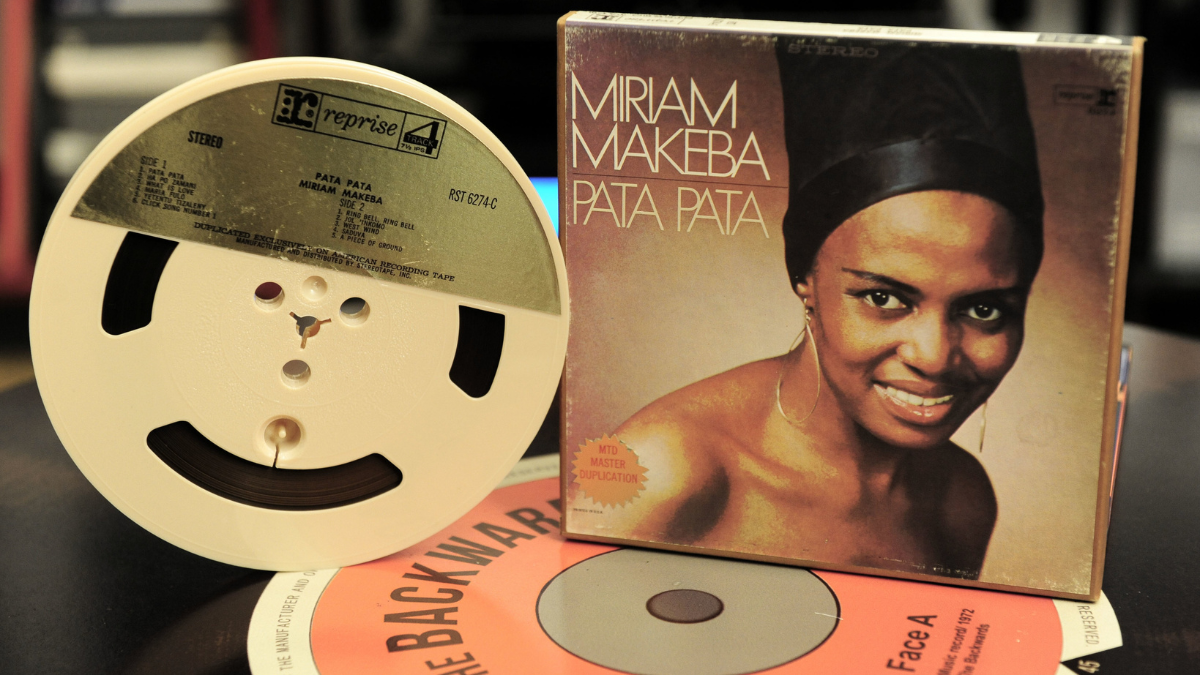
Makeba’s professional ascent began quietly in the 1950s, performing with groups such as the Cuban Brothers and the Manhattan Brothers.
In 1953, she recorded her first hit, Lakutshona Ilanga, and later joined the all-female ensemble the Skylarks.
Their harmonies, blending jazz with African melodies, earned national acclaim and quickly elevated Makeba’s profile.
She appeared on the cover of Drum magazine and gained visibility across a deeply segregated South Africa, attracting recognition even from a young Nelson Mandela.
Her international breakthrough came in 1959 with Come Back, Africa, a film exposing the brutal realities of apartheid.
Though her appearance lasted only a few minutes, it left a lasting impression. The film earned her an invitation to its premiere at the Venice Film Festival, where audiences and critics alike were captivated.
She travelled to Europe for the premiere, never imagining she would be unable to return home for decades.
Soon afterwards, she moved to London, where she met American singer Harry Belafonte, who would become her lifelong collaborator.
By the end of 1959, Makeba had relocated to New York, making a remarkable American debut on The Steve Allen Show before an audience of 60 million viewers.
Performances at the Village Vanguard cemented her reputation as an exciting new voice. Singing in Xhosa, Zulu and English, she introduced African music to audiences who had never encountered it.
American publications compared her to Ella Fitzgerald and Frank Sinatra.
Everything changed in 1960 when Makeba attempted to return home for her mother’s funeral, only to discover that her South African passport had been revoked.
Exile became her reality. “Nobody will know the pain of exile until you are in exile,” she later reflected.
Career rise
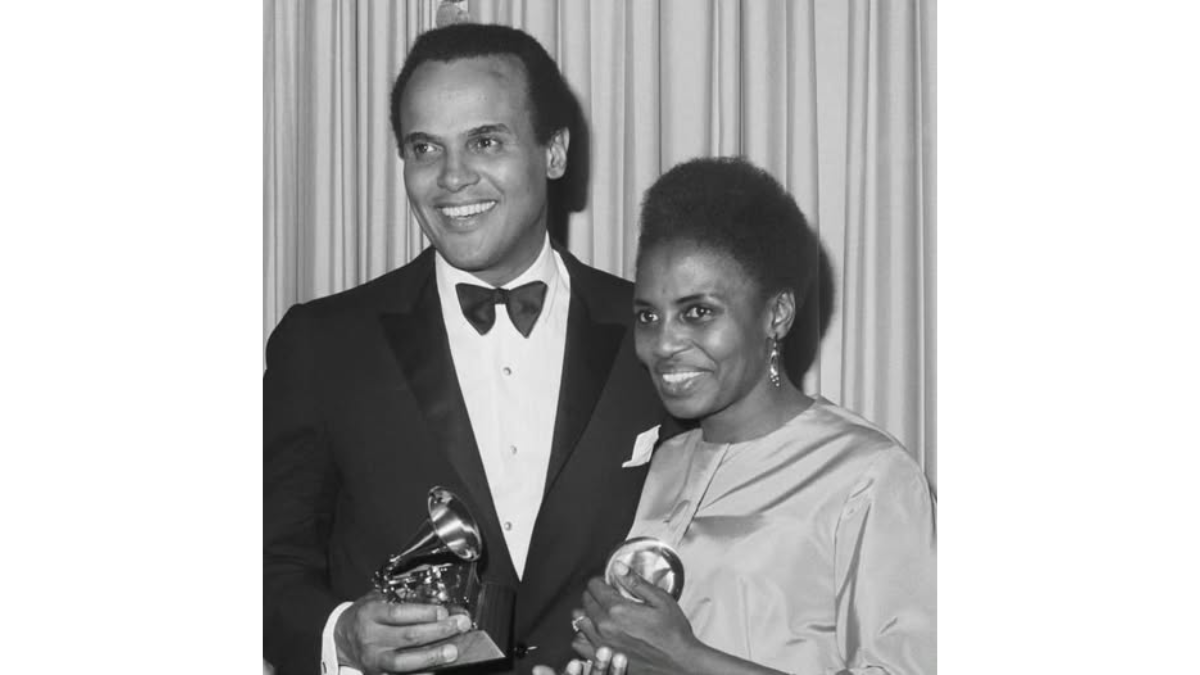
Despite this, her influence continued to grow. Makeba testified before the United Nations, calling for sanctions against South Africa and warning the world about apartheid’s violence.
At the same time, her music flourished. She released acclaimed albums and songs such as Pata Pata, and, together with Belafonte, recorded An Evening with Belafonte/Makeba.
In 1966, the pair won the Grammy Award for Best Folk Recording, making her the first South African to receive the honour.
Her rising fame came at a political cost. After marrying Stokely Carmichael, a leader of the Black Panther Party, sections of the American establishment turned against her.
Performances were cancelled, invitations withdrawn, and both the FBI and CIA monitored her activities.
While touring, she was effectively shut out of the United States and relocated to Guinea. There, she became both a cultural icon and a diplomat, serving as Guinea’s representative to the United Nations.
Over the next 15 years, Makeba travelled the world performing at independence celebrations, African festivals and global solidarity events. Her global presence earned her the affectionate title “Mama Africa”.
When apartheid finally collapsed, Makeba returned home in 1990 after more than 30 years in exile.
She continued to perform, record and advocate for humanitarian causes, collaborating with legends such as Nina Simone and Dizzy Gillespie, and appearing in films including Sarafina!. Even in her later years, she remained committed to using her art in the service of justice.
Death and legacy
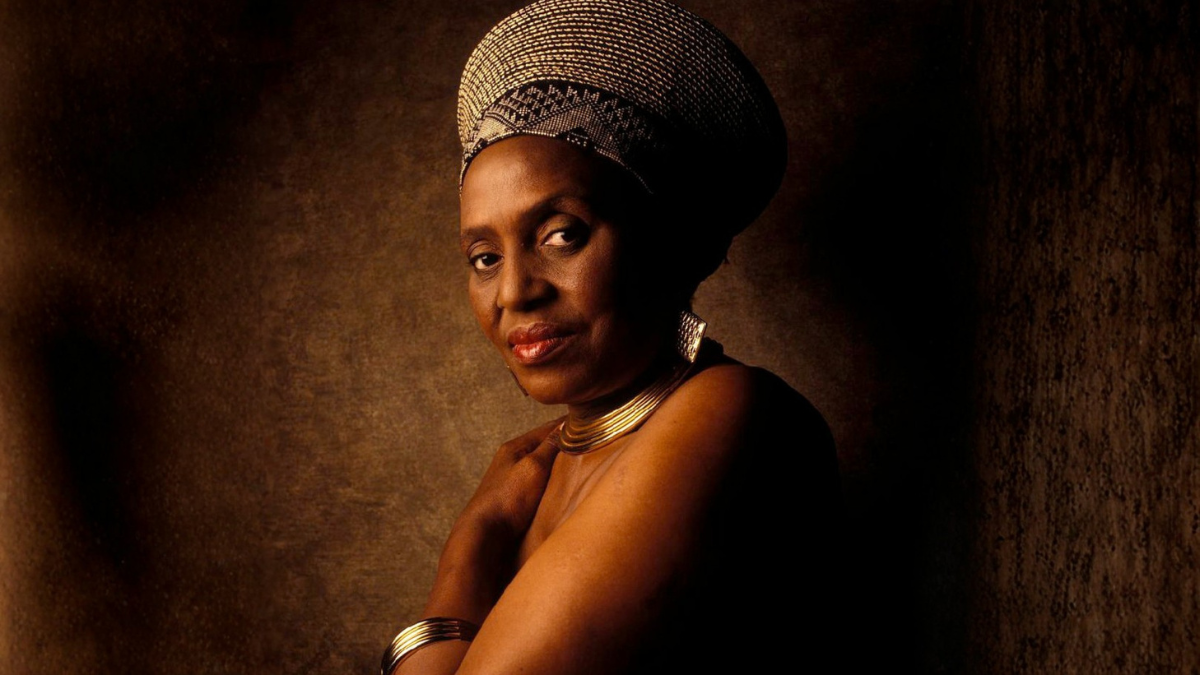
On 9 November 2008, at the age of 76, Makeba died after suffering a heart attack during a benefit concert in Italy — fittingly, while doing what she loved, in service of others.
“She was South Africa’s first lady of song and so richly deserved the title of Mama Afrika,” former president Nelson Mandela said after her death. “She was a mother to our struggle and to our young nation.”
“For many decades, starting in the years before we went to prison, MaMiriam featured prominently in our lives, and we enjoyed her moving performances at home,” he said.
“Despite the tremendous sacrifice and pain of leaving behind her family and her country when she went into exile, she continued to make us proud by using her worldwide fame to focus attention on the abomination of apartheid.
“Her haunting melodies gave voice to the pain of exile and dislocation which she felt for 31 long years, while inspiring a powerful sense of hope in all of us.
“Even after she returned home, she continued to use her name to make a difference.”
More images of Mama Africa
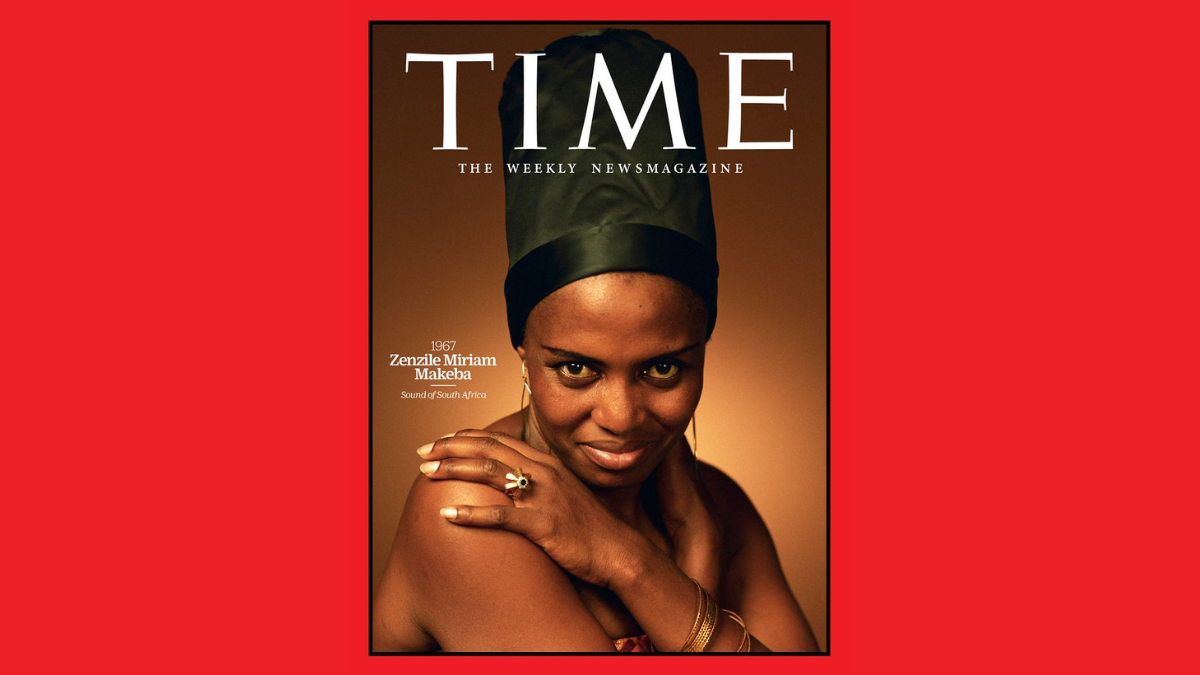







 Loading ...
She was indeed the Diva of South Africa.
Another male singer who added to our accolades was Danny Williams from Schauderville in Port Elizabeth.