
The crisis in South Africa worse than loadshedding



While years of rolling power outages in South Africa contributed to bringing the country’s economy to its knees, a much bigger crisis is emerging as load shedding eases.
Taps across the country often run dry thanks to, but not limited to, inadequate investment in infrastructure, maladministration, corruption, the proliferation of illegal connections, water scarcity, climate change, and other inefficiencies in the system.
In a Coronation correspondent, economist Marie Antelme and ESG analyst Leila Joseph say that “water security is arguably one of the most critical risks to South Africa’s social, economic, and political long-term future.”
A study by the department of Water and Sanitation showed that “water demand is expected to sharply increase over the next 20 years while the water supply is likely to decline, therefore anticipating a projected supply deficit of 17% by 2030.”
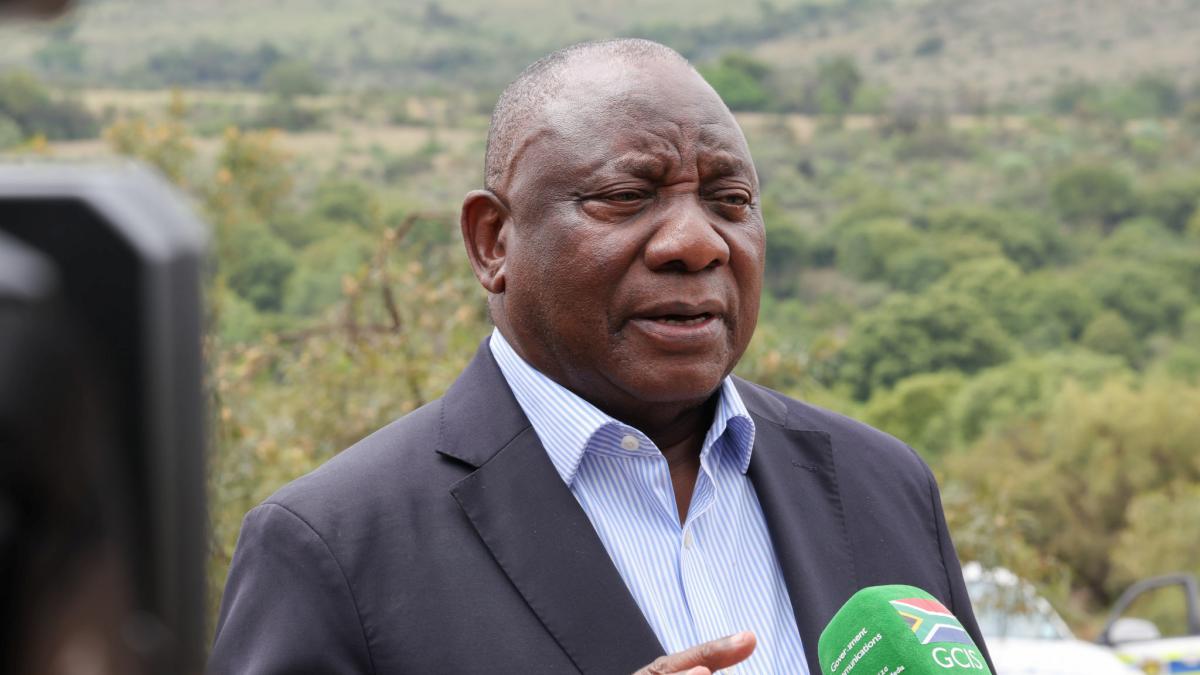
Speaking in Khayelitsha, Cape Town, in January 2025, President Cyril Ramaphosa acknowledged the severe and mounting water challenges facing many parts of the country.
“Load shedding has been supplanted by the crisis of water security, which poses a similar if not greater threat to the quality of life and economic prospects of all South Africans,” said Ramaphosa.
“Indeed, water is life and sanitation is dignity,” he added.
Recent reports by the Department of Water and Sanitation — including the Green, Blue, and No Drop Reports – paint a concerning image of the current state of the provision of the essential resource, showing that at a countrywide average:
- 51% of water provided has poor to bad microbiological water quality status;
- 40.8% of water was lost due to leaks or was unaccounted for;
- 67.6% of wastewater treatments failed to adequately process sewage and other wastes.
Municipal performance in providing good-quality drinking water across South Africa has deteriorated over the past five years, from 93 “good” water supply systems in 2021 to 59 in 2024.
According to the information provided by the Minister of Water and Sanitation, the performance of municipal water supply systems in the country over the past four years has been:
| Year | Bad | Poor | Good |
| 2020 | 544 | 39 | 70 |
| 2021 | 502 | 43 | 93 |
| 2022 | 529 | 53 | 85 |
| 2023 | 535 | 62 | 78 |
| 2024 | 491 | 57 | 59 |
Fresh water sources being polluted
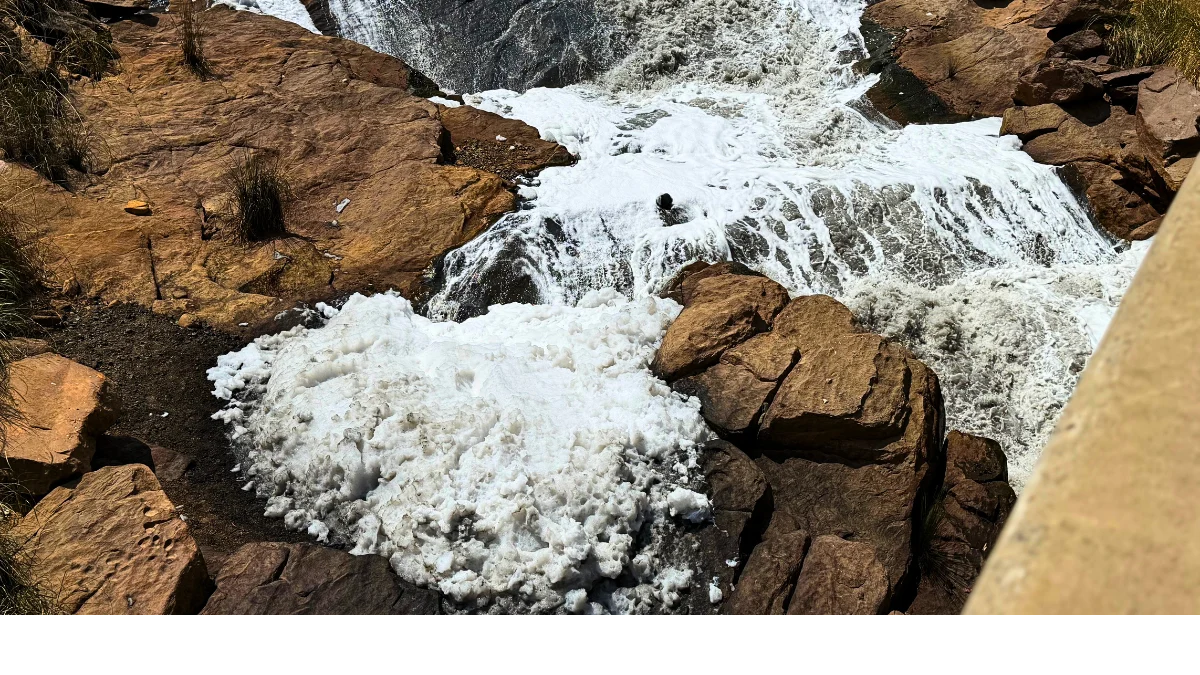
South Africa is experiencing a severe water crisis, exacerbated by municipal sewage pollution contaminating already limited freshwater supplies.
Although the constitution mandates responsible wastewater and sewage management, many municipalities operate outdated, poorly maintained, and often dysfunctional wastewater treatment plants (WWTWs).
These plants frequently release untreated or partially treated sewage into rivers, dams, and groundwater, causing environmental damage, increasing health risks, and restricting access to safe drinking water.
By neglecting maintenance of essential infrastructure and permitting sewage overflows into natural water sources, municipalities have become key contributors to the country’s water pollution problem.
Of the 850 municipal WWTWs assessed, 39%, or 334 systems, were identified to be in a critical state, requiring urgent interventions and turnaround.
“Without sounding dramatic, South Africa is slowly committing ecocide – national suicide by poisoning its own drinking and crop production water,” said water expert Professor Anthony Turton.
He explained South Africa mirrors a global crisis, where a growing population dependent on a diminishing fresh water supply with pollution exacerbating the problem.
However, Turton notes that South Africa is currently far from effective mitigation efforts, and is also falling behind in key technological advancements in the sector.
Turton said South Africa’s policies are mostly fine but unenforced.
Two key issues exacerbate the crisis:
- The outdated drinking water standard fails to address toxins like cyanotoxins, PFAS, and endocrine disruptors;
- The government’s “Three D’s” approach to the crisis—Deny, Deflect, and Demonise—has eroded public trust, with political parties confusing the public by downplaying dangers like that of blue-green algae.
Turton said the “single most important step is to stand together in holding elected officials accountable, arguing that non-accountability has caused the collapse of the water systems.
He said individuals will continue to be victims of a failing government if they don’t unite to hold officials accountable.”
Secondly, South Africans should be accurately aware of water quality. If water looks, smells, or tastes bad, avoid using it.
If necessary, sterilise it by boiling or using a disinfectant, but do so carefully, as the sterilising agent can be hazardous.









 Loading ...
South Africans need to wake up and look after their rainfall, which is not the problem. The problem is incompetence – South Africans do not retain and distribute water effectively. Lack of investment and maintenance at National, Provincial and Municipal levels over decades, combined with an increase in demand (which was not difficult to predict). This problem will not go away – it needs competent people who care about God’s Lemonade enough to save and distribute the abundant rainfall. Disagree? Then live in Israel or Cyprus – they are semi-desert arid places to live, but are competent enough to keep the water safe and distribute it sensibly……