
South Africa’s biggest drug busts of 2025



South Africa has seen several major narcotics busts in 2025, with police raiding multiple drug labs and halting shipments amounting to billions of rands.
The most significant of these busts came after Limpopo police and the Directorate for Priority Crime Investigations acted on intelligence about a crystal methamphetamine operation on a farm within the province.
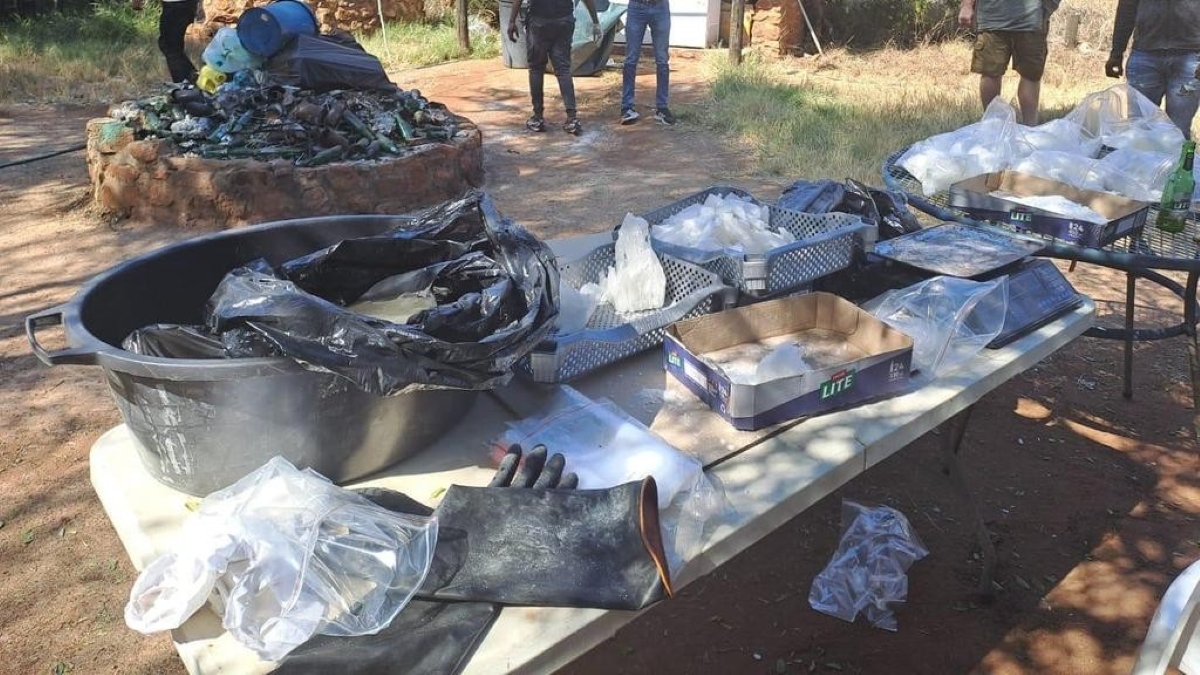
After inspecting the four buildings on the property, authorities found large amounts of chemicals, such as acetone, used to manufacture illicit substances.
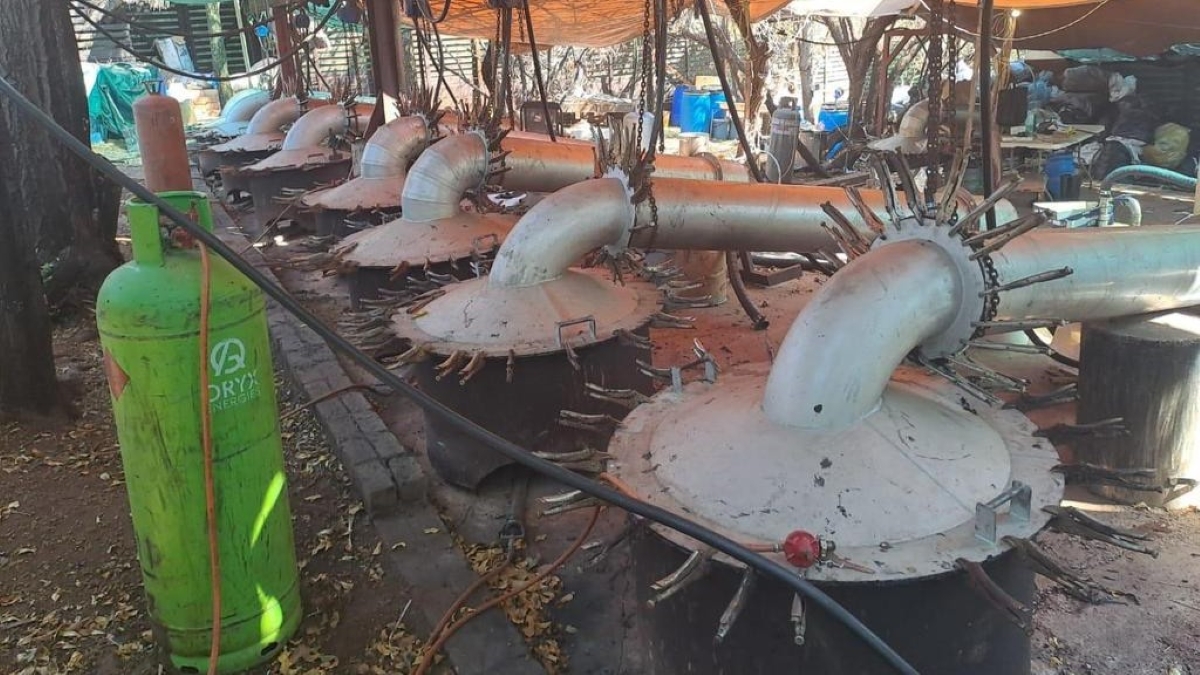
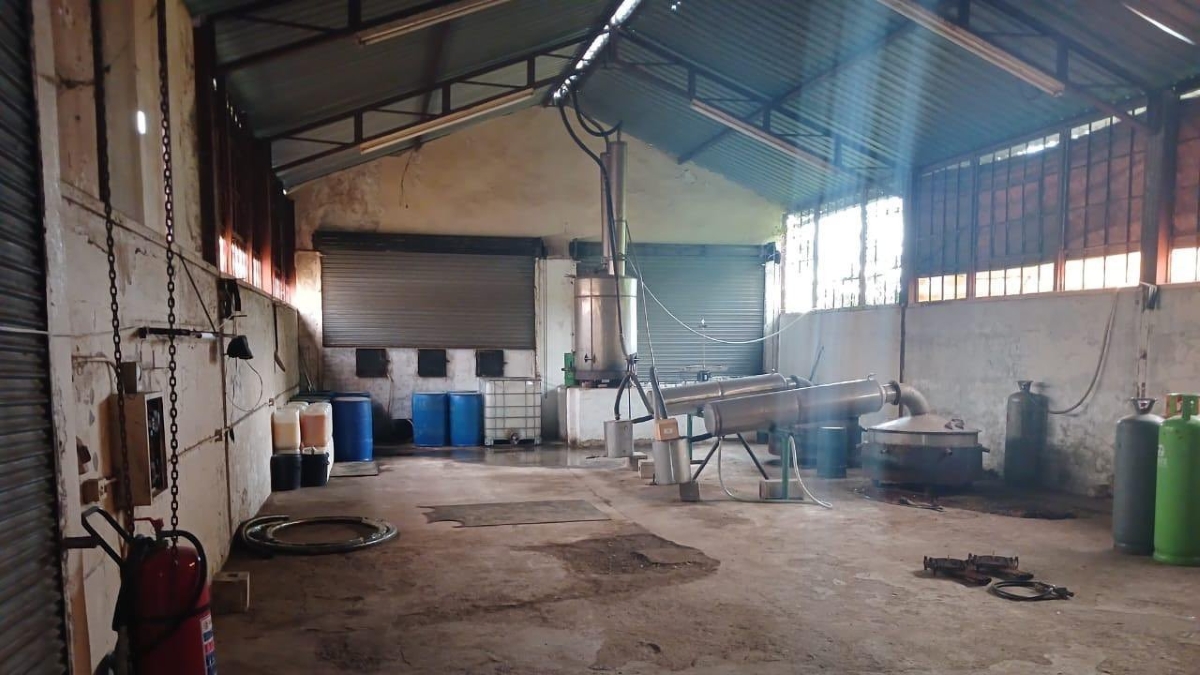
Outside, they came across what one can only describe as a sophisticated industrial drug production line that resembled something out of a Mad Max scene. A similar setup had been constructed inside.
Unsurprisingly, police also uncovered crystal meth with an estimated street value of roughly R2 billion.
Police arrested five individuals, including two Mexican nationals and three South Africans, all of whom have appeared in court.
In September, a clandestine operation was discovered in Volksrust, Mpumalanga, following complaints of an unpleasant smell in the area, raising suspicions of illicit drug manufacturing.
When police arrived, the eight suspects working inside the single building immediately fled, with two managing to evade authorities.
The rest were apprehended by police, including a South African who owned the farm, and five Mexican nationals.
Following a thorough search of the premises, police found large quantities of precursor chemicals used to manufacture drugs, drug manufacturing equipment, and crystal methamphetamine stored in a freezer.
The drugs were estimated to have a street value of roughly R350 million.
The area was declared a health hazard to the public and the environment and was placed under police guard following the operation.
The South African Revenue Service (SARS) has also conducted its fair share of operations, with one of its largest in 2025 amounting to R65 million.
A collaborative effort between the SARS Durban Customs office, the Hawks, and SAPS resulted in the interception of a vessel in October.
Upon boarding and searching the vessel, authorities found 30 bricks of cocaine, which were handed over to SAPS.
A month earlier, SARS had similar success after the Customs Marine Patrol intercepted a cargo ship just off the east coast of Durban.
On board, officials discovered 25 large bricks of what was suspected to be cocaine, “of a very high quality suitable for further dilution and expansion into larger volumes for illicit distribution.”
In March, police in the Free State intercepted a truck in Aliwal North carrying 12 bags of crystal meth, weighing over 300 kilograms.
Police estimated that the value of the narcotics was over R50 million.
Synthetic drug hub of Africa
South Africa has a score of 9 out of 10 for the prevalence of the synthetic drug trade, the highest on the continent, according to the 2025 Enact Africa Organised Crime Index.
This score comprises a criminal market rating (7.17) and a criminal actor rating (7.7). Of the criminal markets, the synthetic drug trade was determined to be the most severe.
Synthetic drugs refer to synthesised substances that are artificially modified to mimic the effects of existing drugs.
Common synthetic drugs illegally traded in South Africa include methamphetamine, or tik; methcathinone, known as CAT; Mandrax; and Nyaope, a cocktail of low-grade heroin mixed with cannabis.
The report says that tik dominates this market. Local production of this drug is concentrated in the Western Cape, using smuggled precursors such as ephedrine and pseudoephedrine.
However, this is often supplemented by “high-purity meth” smuggled into the country from Southeast Asia and West Africa.
“The involvement of transnational actors, including those from West Africa and Australia, underscores the globalised nature of a market in which South Africa is a central player,” the report argues.
Heroin, which is a semi-synthetic substance, is also identified as a key component of South Africa’s drug trade, with the country serving as a transit point and destination hub.
The drug is then distributed through violent street-level networks, with the rise in gang violence being associated with the increase in distribution.












 Loading ...
They can’t even control firearms and illegal immigrants to cross the border. But they can cover up murderers.