
Heated debate over proposal to reintroduce corporal punishment in South Africa



Correctional Services Minister Dr. Pieter Groenewald has sparked a heated debate by proposing the reintroduction of corporal punishment for certain offenders, particularly those unable to pay bail for minor crimes.
This was debated in a Parliamentary Portfolio Committee on Correctional Services on 25 November. The idea came to the fore during his budget-vote address earlier this year.
Groenewald argued that South Africa’s prison system is under unsustainable strain, pointing out that more than 60,000 remand detainees are still waiting to go to trial, with roughly 2,500 held simply because they cannot afford bail amounts of R1,000 or less.
“We must start a debate … shouldn’t we bring back corporal punishment?” Groenewald asked, referencing young people jailed for minor thefts who may wait years before their cases are resolved.
He framed the suggestion not as a return to cruelty, but as a pragmatic measure to ease overcrowding, reduce fiscal pressure, and relieve the courts.
Groenewald said that any lashes would be administered only under court order and strict senior supervision, and that the policy would not extend to women or certain vulnerable groups.
In the meeting, the proposal drew strong criticism from across the political spectrum.
Some Members of Parliament rejected it outright, arguing that corporal punishment is demeaning and incompatible with the country’s constitution.
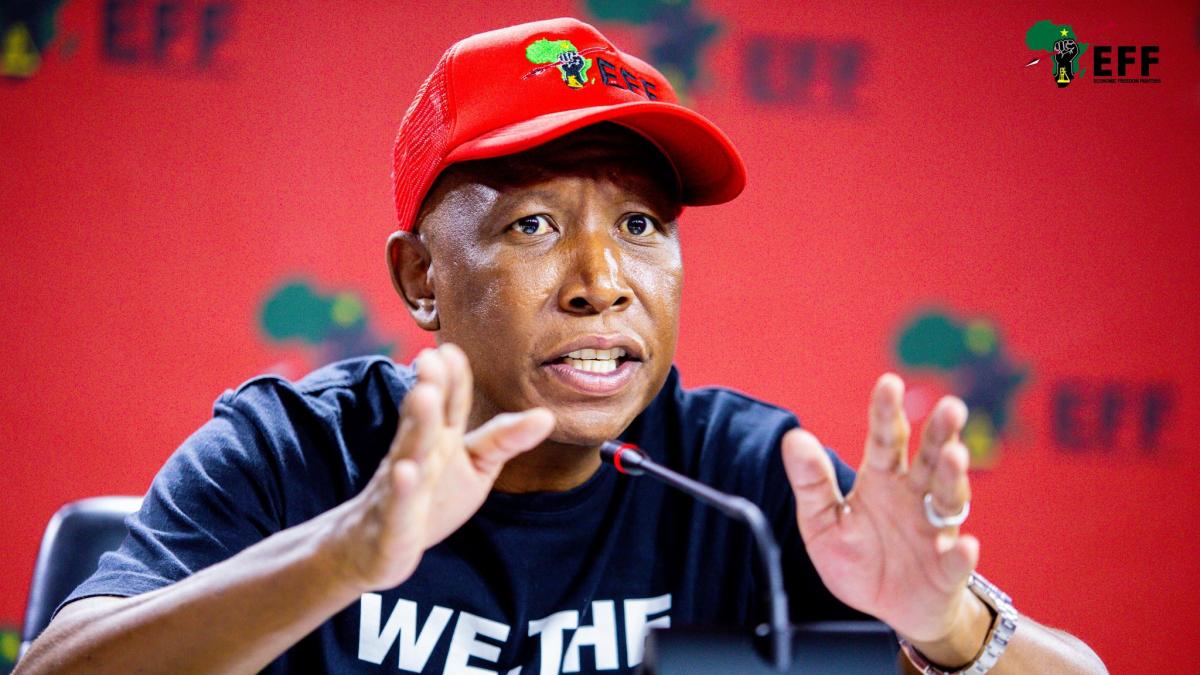
MPs, including EFF’s Carl Niehaus, raised concerns that such a measure relives historical trauma from apartheid-era state violence.
“The proposal by the minister is not only racist and populist, but repugnant,” Niehaus told Newsday.
He questioned whether the policy would genuinely reduce reoffending, warning that it serves as a populist gesture than a practical solution.
The ANC’s Mzwanele Sokopo stressed that corporal punishment was outlawed in 1997 and any debate over judicial punishment should be reserved for the courts.
Groenewald remains resolute

Despite the backlash, Groenewald remained resolute. He claimed the idea resonates with many in the public who are frustrated by crime.
He said that corporal punishment could be less inhumane than leaving people in overcrowded, unsafe detention facilities.
Groenewald indicated willingness to explore constitutional adjustments if necessary and insists that this measure is part of a broader strategy to reform South Africa’s correctional system.
He added that he was not suggesting police be able to beat suspects and release them, but that the process would be a formal sentencing by a court.
However, Niehaus said that it goes against the human-rights-focused Constitution adopted post 1994, opening the floodgates for possible human rights abuses across the entire criminal justice system.
DA spokesperson for Correctional Services, Janho Engelbrecht, accused the Minister of “undermining the Constitution.”
He condemned the call for amendments to the Constitution to justify his call for corporal punishment, “as this is a slippery slope to the EFF and MK agenda to undo the protections enshrined in our Constitution.”
“Extremist parties like the EFF and the MK Party have long sought to rewrite our Constitution to destroy the economy, erode property rights, and weaken the rule of law,” said Engelbrecht.
“Groenewald’s comments risk normalising these attacks, and he is opening a slippery slope which he must close immediately,” he added.
In addition to corporal punishment, Groenewald highlighted systemic issues within the Department of Correctional Services.
He pointed to aging and poorly maintained prison infrastructure, budget constraints that force the department to “do more with less,” and strict parole policies that deny early release even for rehabilitated inmates deemed high risk.
Groenewald also floated the idea of deporting foreign nationals convicted of crimes to serve sentences in their home countries as a way to reduce domestic prison populations.

















 Loading ...
I would listen to Dr Groenewaldt. He is a clever man and very pragmatic, which is just the type of leadership one requires in a Thirld World country. Or we could follow the Arab rule of steal, hand cut off.