
The South African school winning global awards for innovation



Executive Head of Redhill School in Sandton, Johannesburg, Joseph Gerassi, has recently taken home a global award for his role in shaking up the landscape of education.
Gerassi was awarded the “Outstanding Contribution in Education Award at the GESS International Education Awards, 2025,” held in Dubai.
The executive head has been responsible for many innovations at the top-performing school, such as implementing dual Internal Examination Board (IEB) and International Baccalaureate (IB) pathways for students.
The school claims to be the only institution in the country to offer students both options.
Gerassi has further implemented bilingual early learning foundations, four developmentally aligned school phases, and a culture of ongoing professional learning for all academic staff.
“Most importantly, he has helped shape a school where students are encouraged to discover who they are, not who they are expected to be,” the school said.
“A school where learning is something to look forward to, not recover from.”
The GESS Education Awards is a global event highlighting the quality and diversity of educational products, resources, services and people.
It aims to showcase the best educational establishments and the most dedicated members of the teaching profession.
Redhill School is a private school that certainly stands out for its bold choices in education.
The school has done away with any formal testing and homework before grade 7, to focus more on collaboration, problem-solving, confidence, curiosity and resilience instead of simply learning and regurgitating facts.
“Alfie Kohn said it best, ‘Homework is the single greatest extinguisher of children’s curiosity that we have invented.’ We couldn’t agree more,” the school said.
The School’s bilingual learning programme means that learners can be educated in English or IsiZulu up to Grade 4.
A 115 year history, and a bright future

The school is divided into four smaller schools, each with its own head of school. This includes an early learning centre for children up to grade 1, a junior school for grades 2 to 5, a middle school for grades 6 to 9 and a senior school for grades 10 to Matric.
While now known for its forward thinking and innovation, Redhill also has a long and interesting history. The school is over 100 years old.
Redhill dates back to 1907 when St Winifred’s School for Girls was founded, occupying a small, double-storey building in Yeoville, Johannesburg.
The name changed to Redhill School in 1941, named after the school’s vibrant red uniforms, and the then-headmistress Catherine Hill.
Even in its early years, the school was an innovator. Towards the end of 1941, when many young mothers went to work during the war effort, Redhill opened a Nursery School.
According to the school, this was soon to become the first independent nursery school that was up to government standards.
During the 1908’s in the height of apartheid, a number of black students were admitted into Redhill and a scholarship scheme was established to provide scholarships for them.
This was despite laws restricting black children from attending what was considered by the government as a ‘whites only’ school.
After 115 years, Redhill continues to focus on innovation and excellence, becoming one of the top-10 schools in South Africa by 2024. Its matrics achieved an average of 3.5 distinctions.
“After a challenging century, Redhill has weathered many storms and grown to become one of the leading educational institutions in South Africa,” the school said.
“Given the pace of technological and societal change, the need to embrace change as a constant and provide pupils with the skills to cope with it is vital.”
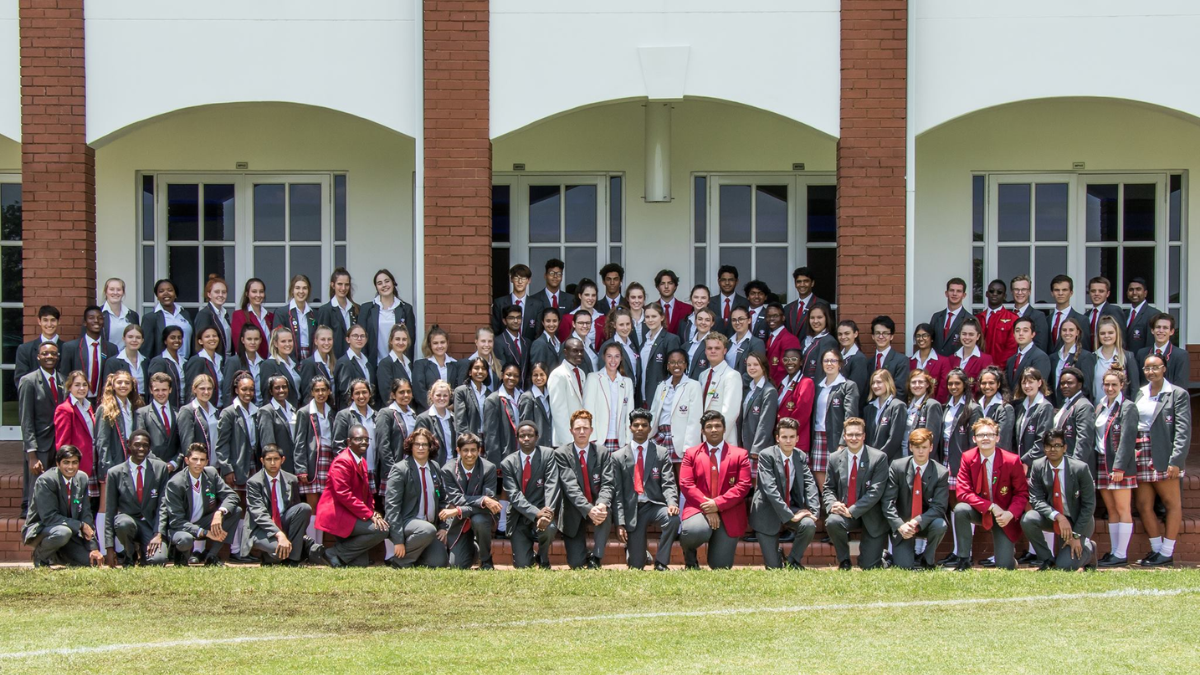
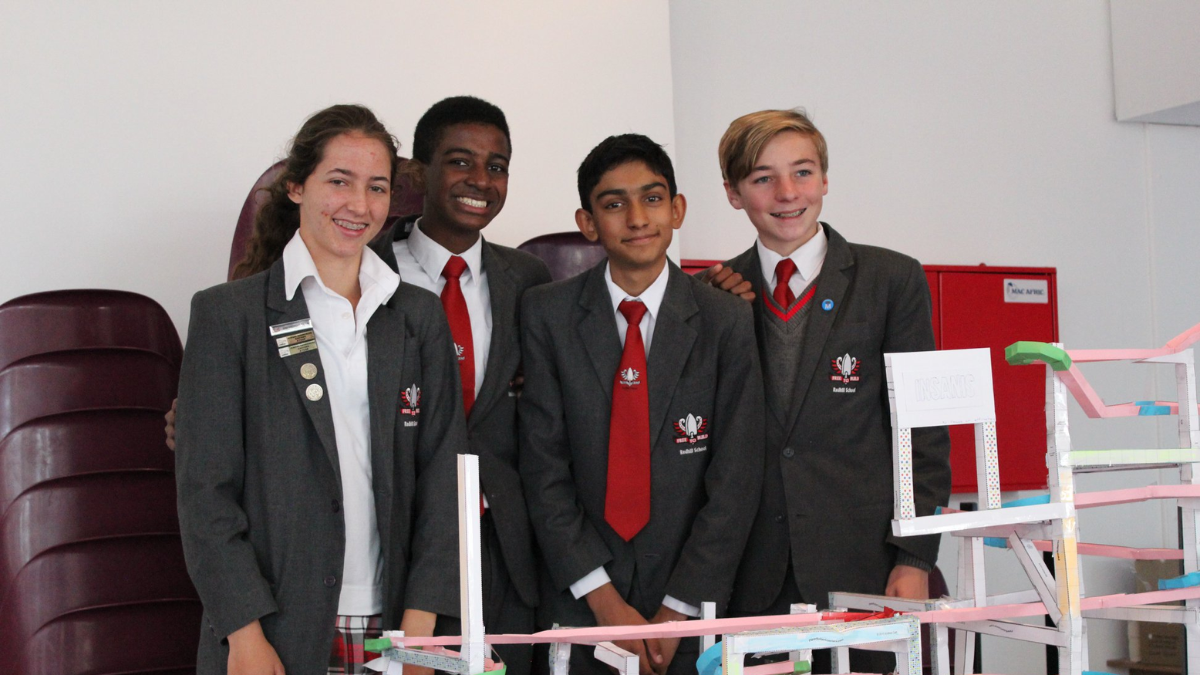
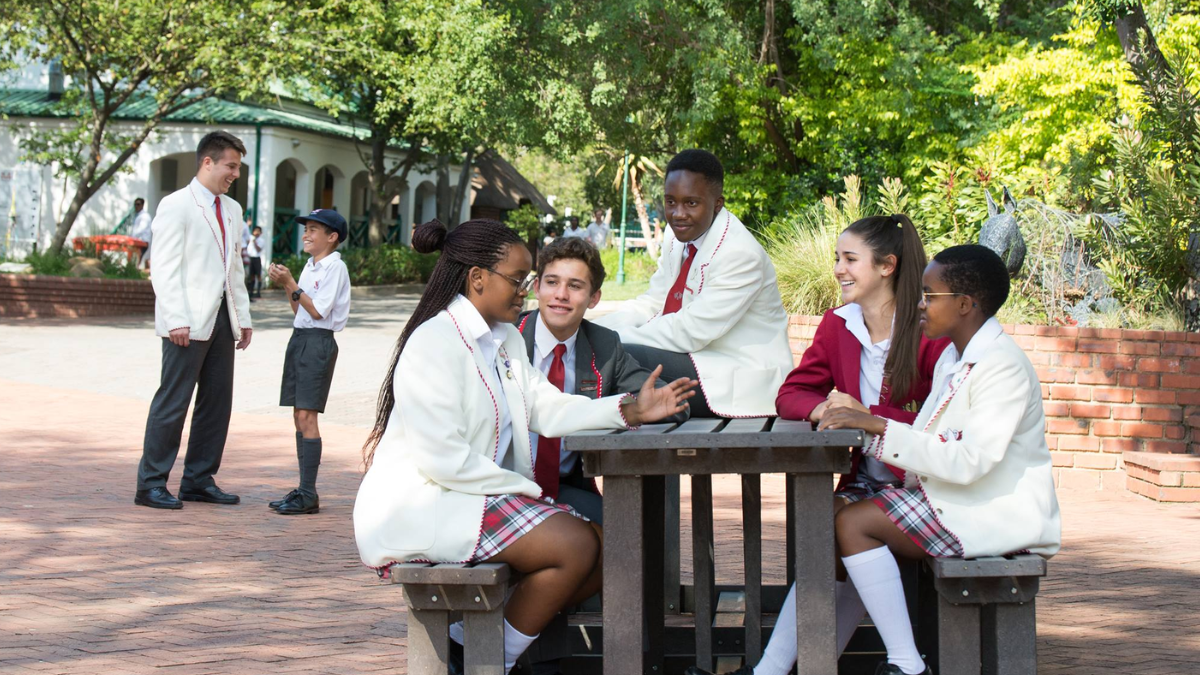
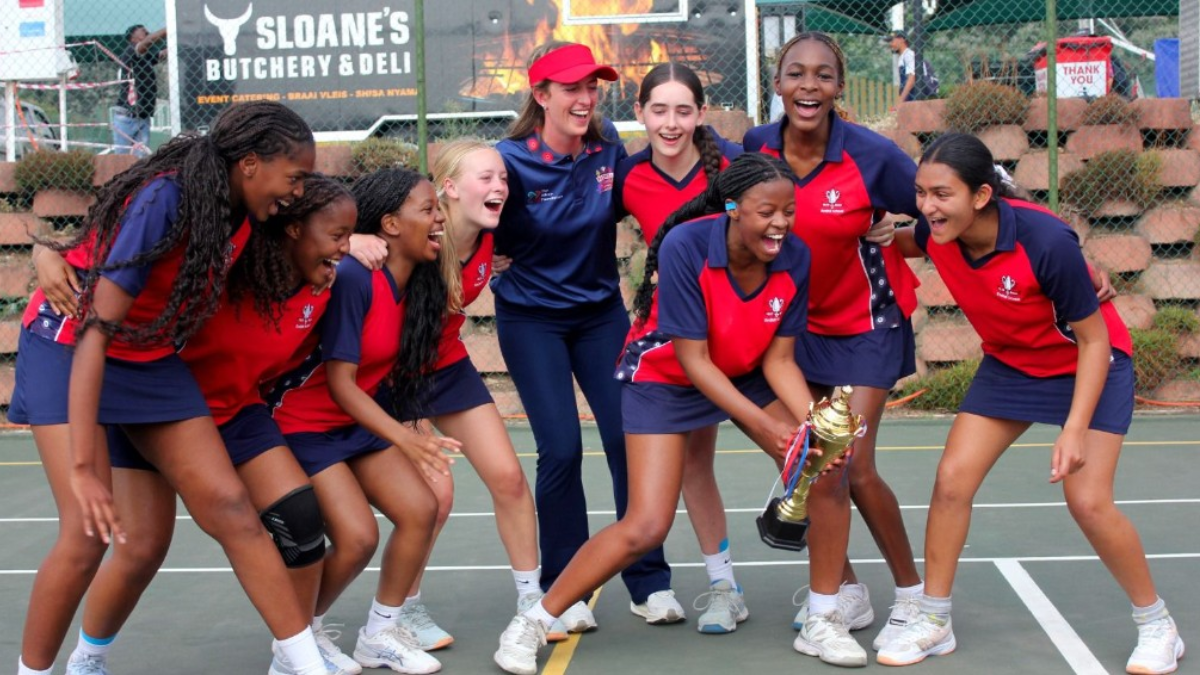
More Photos of Redhill School:



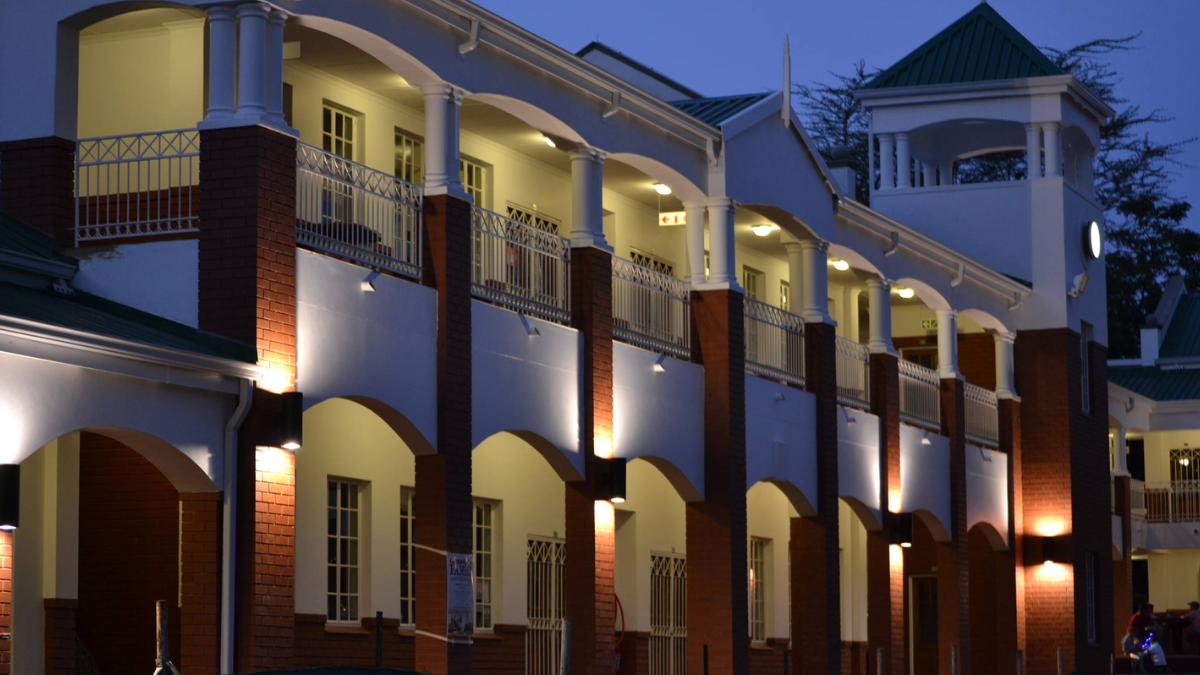
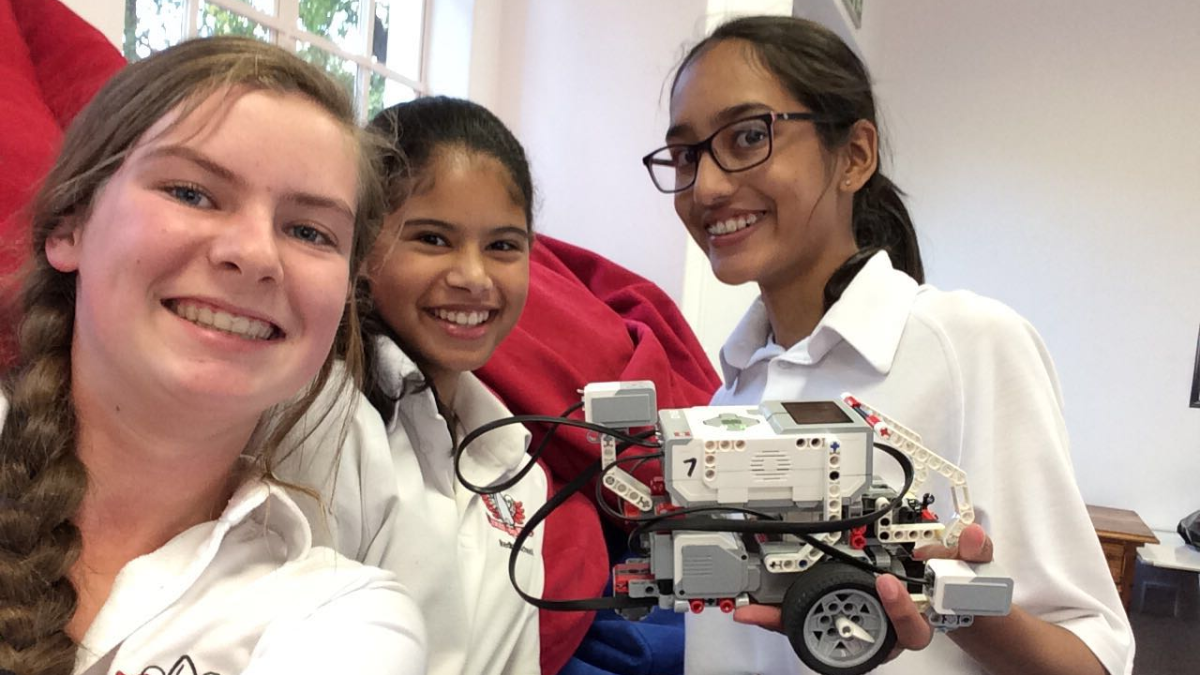
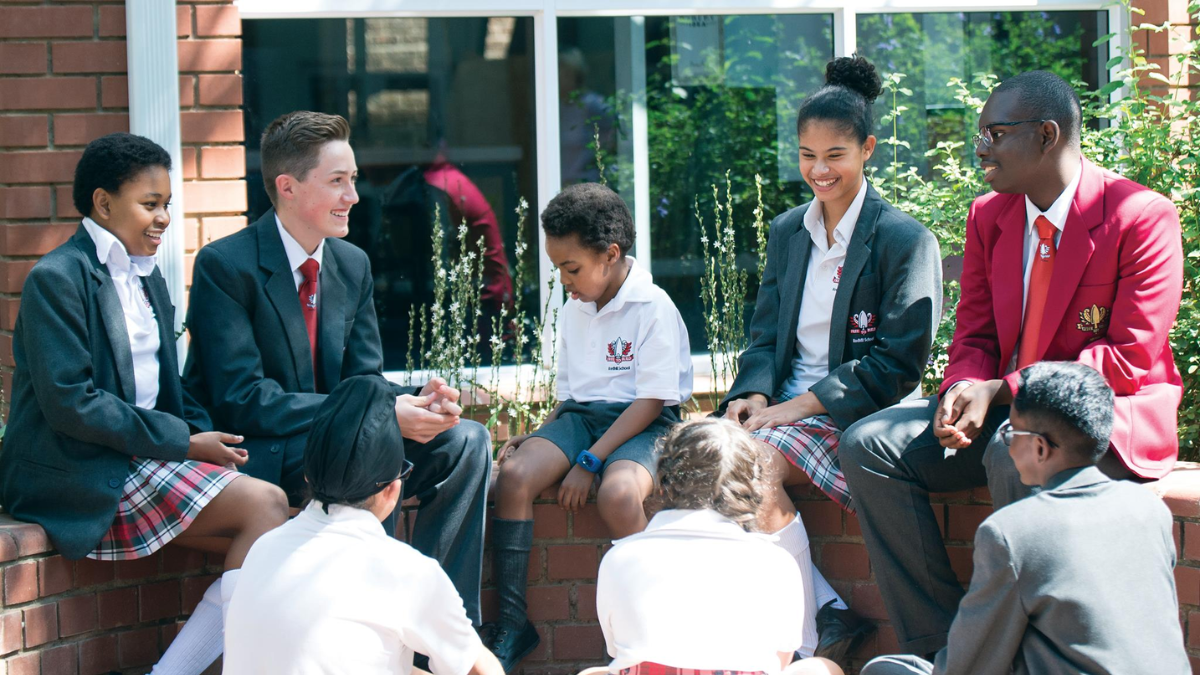
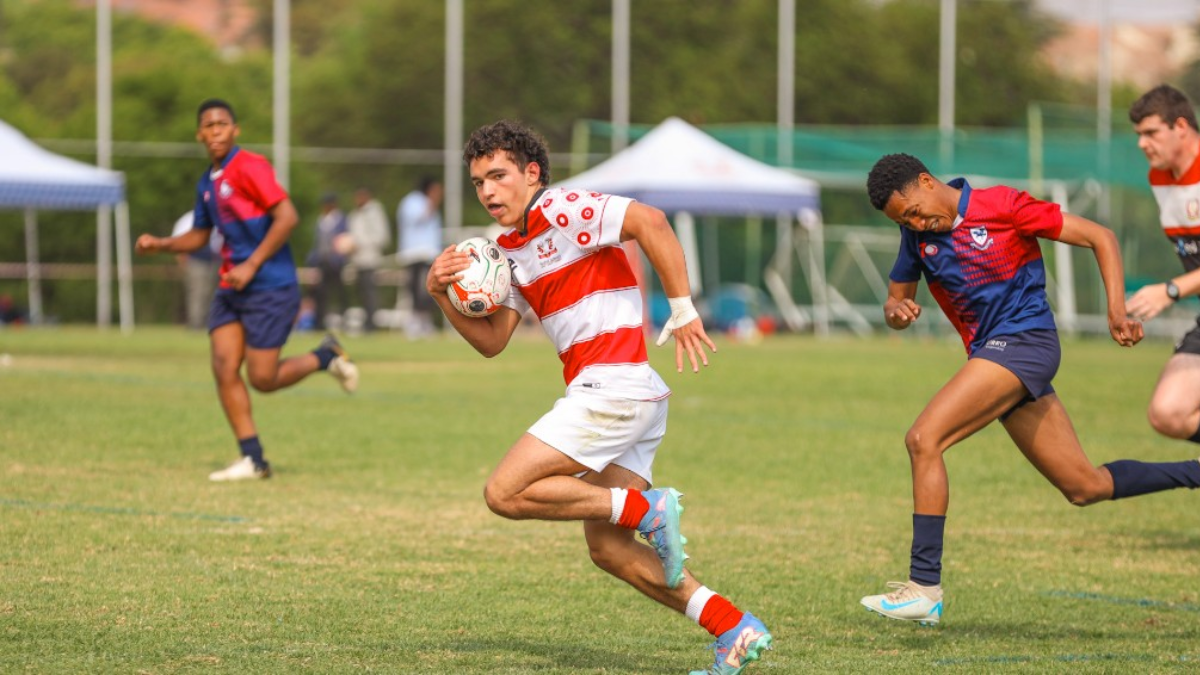










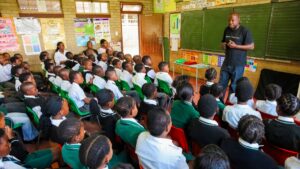




 Loading ...
EVERY CHILD DESERVES TO BE EDUCATED TO STANDARDS REQUIRED BY LAW.
HISTORY PROVES THAT AFRICA AND NEARBY COUNTRIES “SOLD THEIR UNWANTED PEOPLE INTO SLAVERY” TO COLLECT MONIES TO SUPPORT THEIR
GOVERNMENT, AT TIMES OF HARDSHIP.
PEOPLE HAVE ALWAYS USED ITS PEOPLE “AS A MEDIUM-OF-EXCHANGE”.
THE UNWANTED PEOPLE, WERE NOT ALLOWED TO TAKE THEIR FAMILY NAME, TO ANOTHER COUNTRY.
THE RELATIVES TO A PERSON SOLD INTO SLAVERY WERE: “A PEOPLE WITHOUT A PAST”. THEY COULD USE, ONLY A “ONE WORD NAME”.
SELLING OR TRADING PEOPLE FOR GOODS OR MONEY WAS DONE, UNDER MILITARY ORDERS.
THESE PEOPLE WERE STRIPPED OF THEIR BIRTHRIGHT CITIXENSHIP & BIRTHRIGHT INHERITANCE TO THE LAND & COUNTRY.
IMMIGRANTS ENTERING A DIFFERENT COUNTRY, STILL POSSESS THEIR BIRTHRIGHT CITIZENSHIP & INHERITAGE RIGHTS IN THEIR HOME COUNTRY AND CANNOT BE GIVEN CITIZENSHIP IN A FOREIGN COUNTRY (LEGALLY) UNTIL THEIR HOME COUNTRY REMOVES / ELIMINATES THE IMMIGRANTS BIRTHRIGHTS.
INTERNATIONAL LAWS FROM YEARS AGO
MAYBE CENTURIES AGO