
One of the most politically charged climate summits yet



As COP30 negotiations, in Belém, Brazil, look set to continue beyond the original end date of November 21, the climate conference has become one of the most politically charged climate summits in recent years.
Expectations are high: this is the first COP since the inaugural Global Stocktake unequivocally confirmed that the world is far off track to meet the Paris Agreement’s 1.5°C limit.
Yet, despite this urgency, negotiators remain deeply divided, particularly on the summit’s most explosive issue: whether COP30 should deliver a clear roadmap to end the use of fossil fuels.
The debate is as fierce as it is symbolic. Many countries, especially climate-vulnerable states and a coalition of progressive economies, argue that without a global agreement explicitly naming and phasing out coal, oil and gas, the summit risks becoming another exercise in rhetoric.
A fossil-fuel roadmap, they argue, would provide the political clarity necessary for markets, investors and governments to align their plans with science.
It would help shift subsidies, accelerate renewable deployment and send a powerful signal that the age of fossil fuels is reaching its end.
But the politics are proving treacherous. Successive draft texts released during the first week of COP30 alarmed many observers when explicit references to fossil fuels were removed.
For campaigners and negotiators from vulnerable countries, this was a red flag: the possibility that Belém might walk back the modest language agreed in Dubai two years earlier, where parties committed to “transitioning away from fossil fuels,” already seen as overly vague.
Behind the scenes, the resistance is led by a bloc of fossil-fuel producers and several emerging economies who fear that naming fossil fuels — let alone agreeing to a timeline — could undermine their economic stability.
For these countries, any roadmap must be accompanied by financial guarantees, technology transfer and flexibility to ensure national development is not sacrificed in the name of global ambition.
This divide has turned the roadmap into a litmus test of global climate politics. For vulnerable nations, especially small island states, not including fossil fuels in the final decision is seen as a failure of global solidarity.
For others, it is a question of sequencing: they argue that no country can be expected to rapidly close down fossil-fuel industries without an economic plan, social protection measures and significant support from the world’s largest historic emitters.
Climate finance a major sticking point
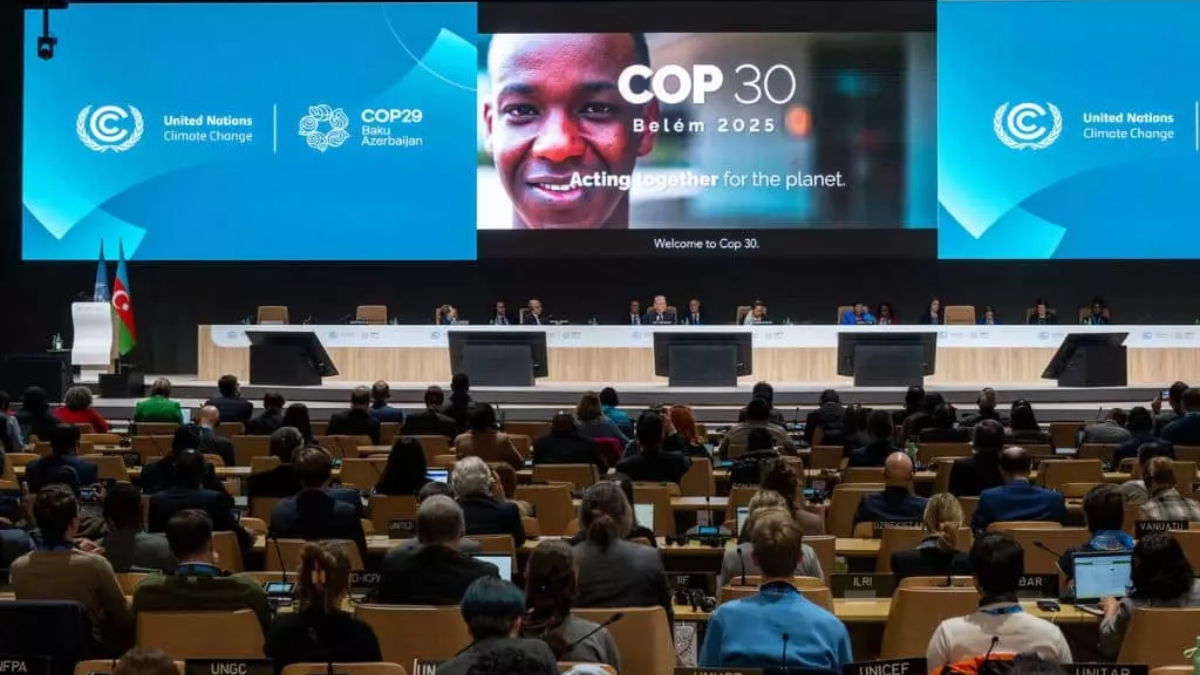
Parallel to the fossil-fuel fight, COP30 is grappling with a host of other unresolved issues, none more urgent than finance.
One of the summit’s most tangible advances has been the operationalisation of the Fund for Responding to Loss and Damage.
The fund, established after years of negotiation and pressure from developing countries, is now taking its first steps with initial “start-up” financing.
But the details remain contentious: how large the fund should be, how often it will be replenished, and who gets direct access.
Civil-society groups want mechanisms that allow communities at the front lines of cyclones, droughts and sea-level rise to access funds without waiting for national governments to navigate slow bureaucratic channels.
Equally fraught is the debate on adaptation finance. Estimates show that developing countries will need hundreds of billions of dollars per year to protect communities from rising temperatures, intensified heatwaves, food-system shocks and coastal flooding.
Yet, current adaptation finance remains a fraction of what is needed.
Developing countries have pressed for clear, quantifiable commitments to scale up public financing — and to ensure it is “new and additional,” rather than repackaged development aid.
So far, however, concrete pledges have been limited.
The implementation of the Global Stocktake’s recommendations hangs over all of this. Its findings — that the world is not on track and that current Nationally Determined Contributions (NDCs) fall far short — have created pressure on governments to strengthen targets for 2035.
But while technical discussions make clear what needs to be done, political realities continue to slow progress.
Other complex agenda items are also proving difficult to resolve. Negotiators remain split over the rules for international carbon markets under Article 6, particularly around environmental integrity and the role of carbon removals.
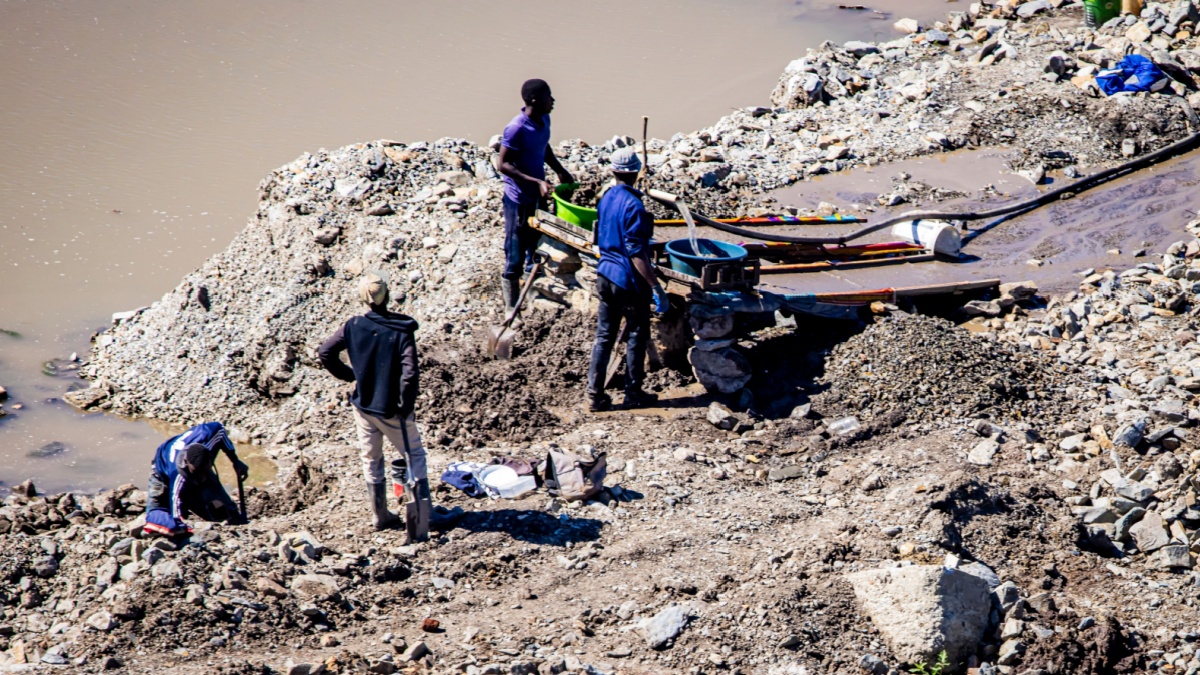
Disagreements on the governance of critical minerals — essential for renewable technologies but fraught with environmental and social risks — have led several countries to push back against including them in the cover decision.
Even fossil-fuel subsidies, a recurring theme at COPs, remain stuck, with many countries acknowledge the need to phase them out, but fear the domestic political backlash of doing so without social-protection measures.
If there is a thread running through COP30, it is the tension between scientific urgency and political caution.
The summit has all the ingredients for a landmark outcome: a vocal youth movement, unprecedented civil-society mobilisation, and a host country eager to highlight Amazon protection and Indigenous rights.
Yet, the divisions on fossil fuels — and the lack of clarity on finance — threaten to blunt its impact.
To many delegates, Belém represents a pivotal moment.
Either COP30 delivers a political signal strong enough to reshape energy and finance systems, or the world will drift further from its climate goals, leaving vulnerable nations to shoulder the consequences.
The question now is whether negotiators can overcome geopolitical divides and deliver a package that matches the scale of the crisis.
As the global climate event rounds up, all eyes turn to whether COP30 can step into history, or whether it will join the long list of summits remembered for what they failed to do.
Dr Enock Sithole is the executive director of the Institute for Climate Change Communication.









 Loading ...