
South Africa’s G20 presidency goals



South Africa is using its historic G20 presidency to push for a stronger, more equitable multilateral system, with officials arguing that development issues long raised by the Global South can no longer be sidelined.
Chrispin Phiri, South Africa’s International Relations and Cooperation spokesperson, told Newsday that South Africa’s ambition is to ensure the country’s priorities “reverberate beyond South Africa,” noting that early indications show they already have.
Speaking in on the sidelines of the historic G20 leaders summit on 22 November, Phiri said that “these issues are at the heart of development.”
“If we are able to approach this from a common framework, we will go a long way.”
The G20, founded in 1999 and elevated to leaders’ level during the 2008 global financial crisis, brings together 19 countries, the European Union, and, since 2023, the African Union as a permanent member.
For the first time, the group is being hosted by an African country.
South Africa’s presidency has placed inequality, debt reform, industrialisation and health manufacturing at the centre of the agenda, arguing these are essential conditions for sustainable development.
Global South priorities move to the fore

Phiri said South Africa is advocating for a unified international stance on inequality, highlighting agreement among global institutions and experts on issues related to global debt and climate resilience.
“The expert panel report shows you that experts across the world agree this is something we need to address,” he said.
“World leaders will now receive that report. The UN has also recognised this as a fundamental issue.”
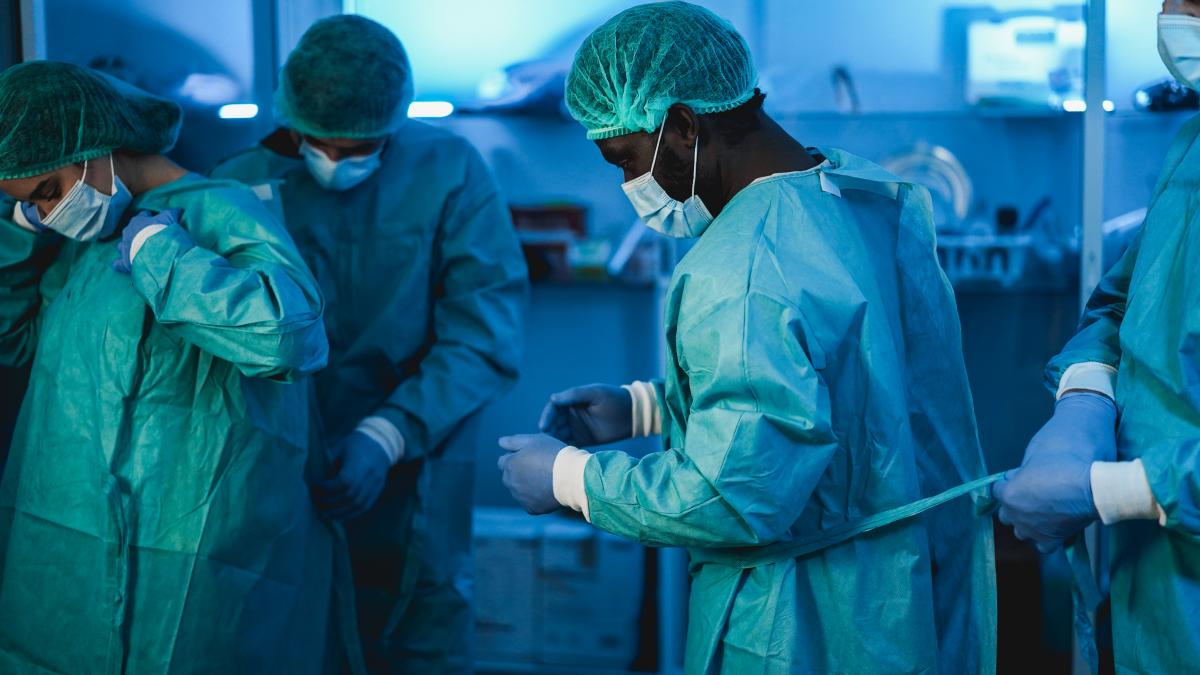
On industrialisation, Phiri linked South Africa’s agenda to lessons learned during the COVID-19 pandemic, when African countries struggled to access vaccines promised to them.
“What you are speaking about is the ability of a country to produce its own vaccine,” he said.
“South Africa has some level of capability, but it is quite different on the African continent as a whole.”
He noted that countries such as India are “very advanced” in manufacturing capacity, and the challenge now is ensuring similar abilities across the Global South.
A new global health fund, announced during the summit and led by the United Kingdom, was described by Phiri as “an immense achievement” emerging from Johannesburg.
South Africa argues that its presidency has already shifted the global conversation toward long-neglected development priorities.
Phiri said alignment between the UN, global economists and civil-society reports shows the Johannesburg summit has amplified issues of inequality and debt beyond South Africa.
“South Africa’s presidency is living beyond South Africa,” he said. “It’s really, really encouraging.”
Consensus and points of tension

While Phiri said many countries agree on the problems, negotiations continue over solutions.
“There’s an in-principle agreement that these are issues we can address,” he said. “The question is how we get there.”
Domestic priorities, he said, influence how countries approach inequality, debt and industrialisation.
Argentina has been a key holdout, though Phiri insisted the “technical work has been done” and consensus was “edging closer.”
There is also diplomatic friction with the United States, who has urged nations not to adopt the declaration.
After Washington signalled it would only send a chargé d’affaires to the closing ceremony, South Africa declined to allow President Ramaphosa to hand over the G20 presidency to a junior official.
“We have communicated to the American government that the president will not be handing over to a junior official,” Phiri said.
“We will have a handover at DIRCO headquarters at the appropriate level.”
Follow Newsday for rolling coverage of the G20.









 Loading ...