
Protest action expected at the G20 summit



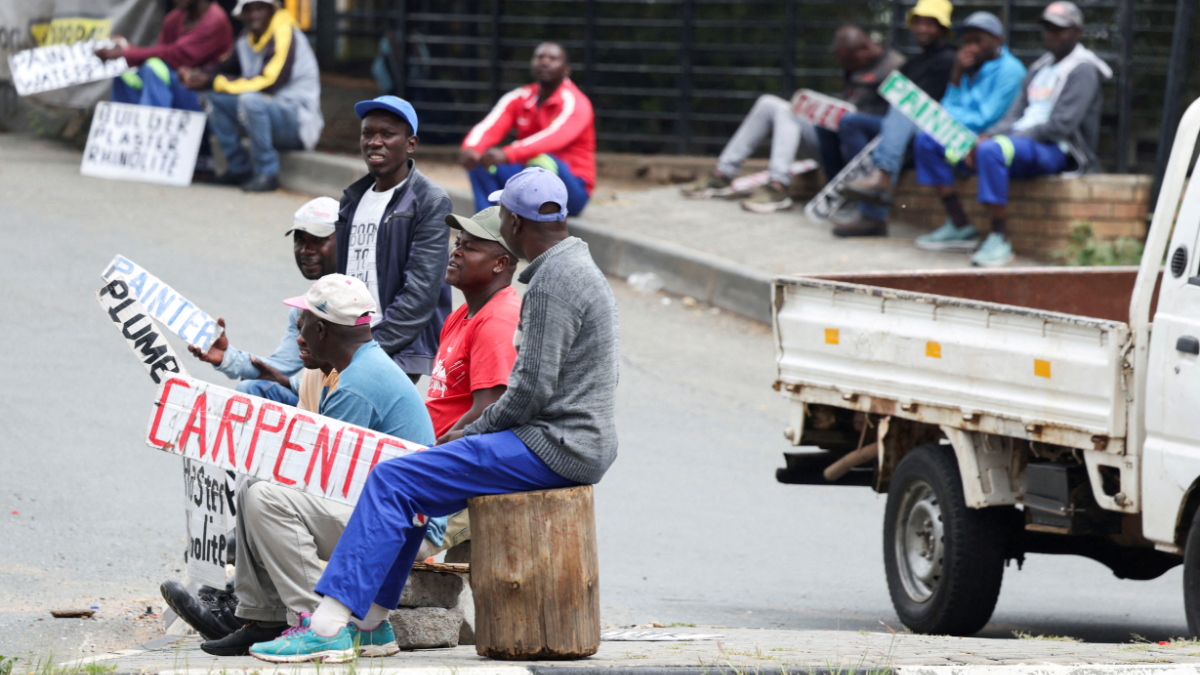
Operation Dudula says that it will hold protests during the G20 summit in the hope that global leaders in attendance will help address its challenges with illegal immigration.
The nationalist group, widely recognised for its anti-immigrant advocacy, says that it will hold peaceful protests around the Nasrec Convention Centre.
However, its president, Zandile Dabula, said that the protests will not disrupt any of the proceedings as the group hopes the summit will address the issue.
“The only reason we are going there is that we need the attention of the President, and we would not want to disrupt any proceedings,” Dabula said.
“The only problem becomes the law enforcers when they want to work against communities.”
She added that the protest plans to highlight issues of unemployment, security, and poor service delivery, which Operation Dudula blames on illegal immigration.
“It is going to be very meaningless if South Africans continue to struggle to find work, access to quality services, and don’t feel safe in their own country due to illegal immigration,” Dabula said.
“We really want this topic of immigration to be part of engagements, and other leaders can help SA because it looks like the president of this country is battling with the issue of immigration.”
Operation Dudula started as a splinter group of the Put South Africans First movement, which was formed in 2021.
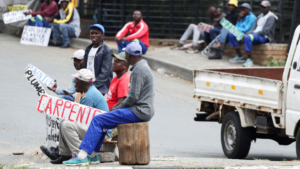
It began as an organisation holding small, localised pickets in 2022. However, it has since become a political party with ambitions of contesting the next national elections.
The party was recently the centre of controversy after it was said to be blocking suspected foreign nationals who failed to produce a South African ID from receiving healthcare or education.
It argued that it was doing so because illegal foreigners are overburdening South Africa’s already strained systems.
However, the Johannesburg High Court interdicted these actions, ruling that Operation Dudula’s vigilante conduct was against the law, as citizens are not entitled to take the law into their own hands.
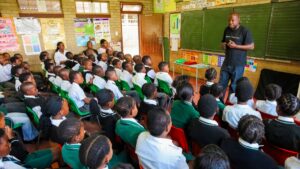
According to the judgment, the group’s actions led to the closure of a school with 300 learners in Jeppestown, after the school’s management decided it could not guarantee the safety of its learners and teachers.
South Africa has a long history of xenophobic violence. The most significant violent attacks began in 2008, spreading from Gauteng to KwaZulu-Natal and the Western Cape.
At least 62 people died in the initial attacks, including 21 South Africans, as xenophobic mobs burned homes and attacked suspected foreigners. A further 1,700 were injured.
By 2012, over 100,000 people were displaced.










 Loading ...
Did the go to the airport when the Gazans arrived? No! It seems as if they are only against Afircans but still illegal and xenophobic