
Inside Pretoria’s Palace: South Africa’s most historically significant court



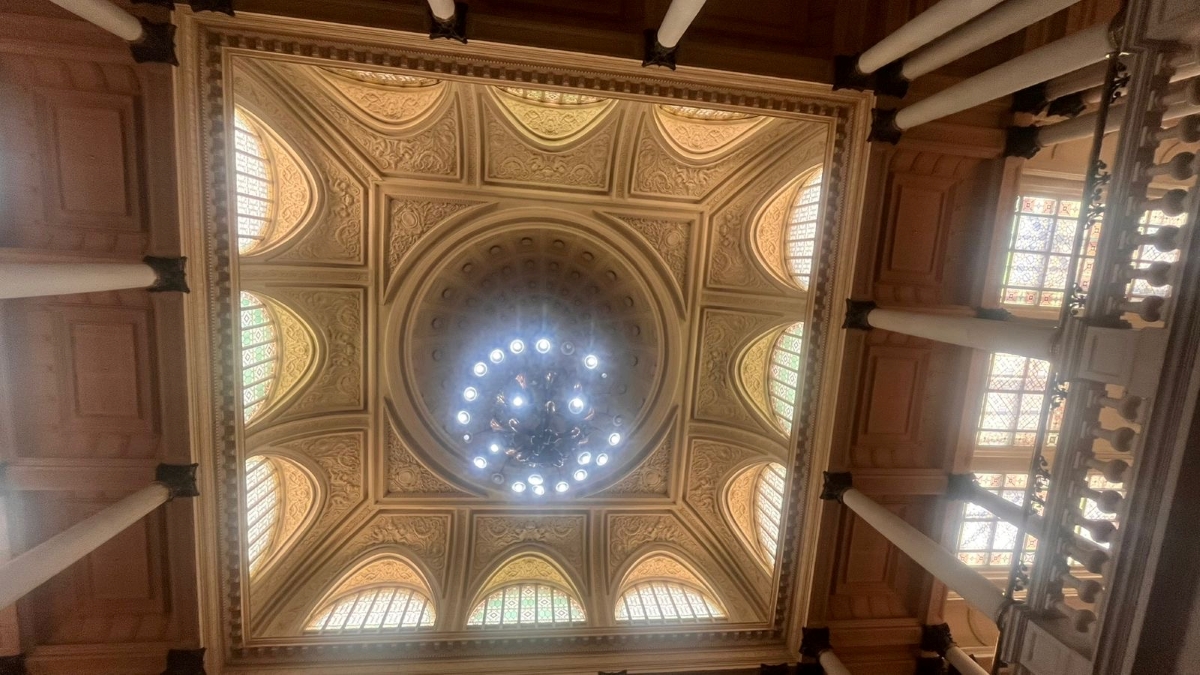
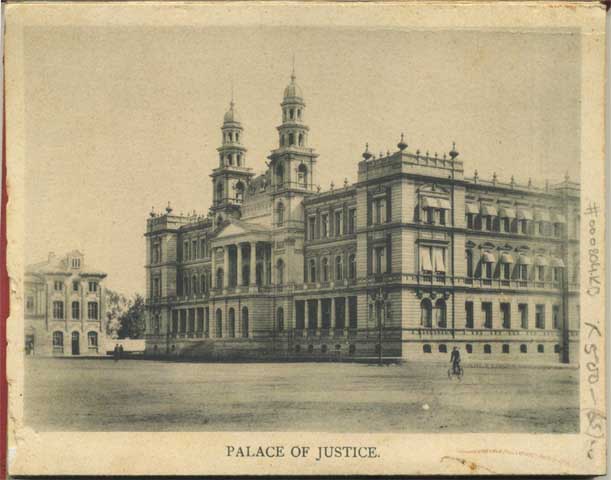
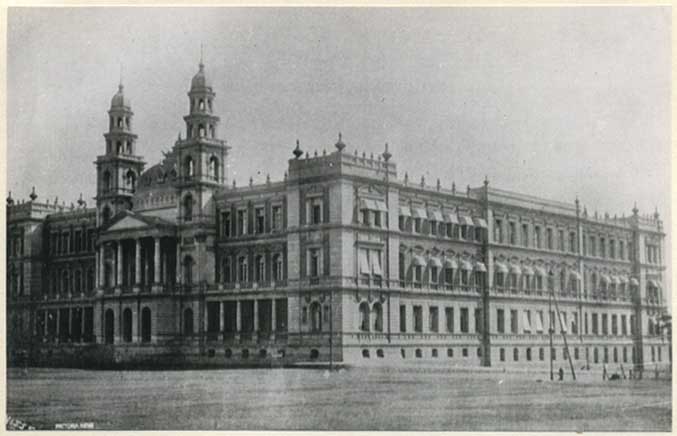
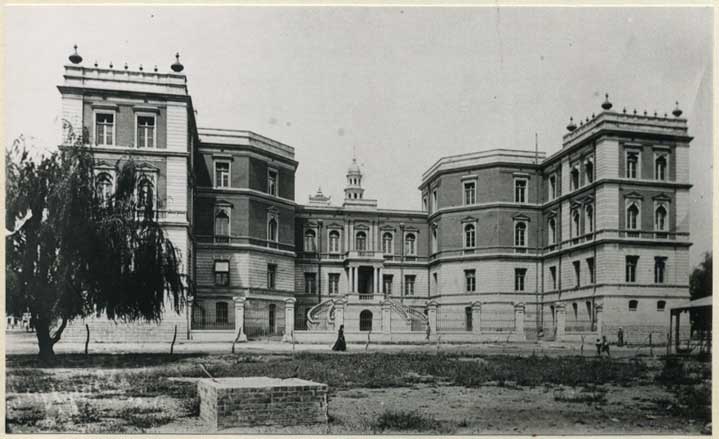
Best known for where Nelson Mandela famously said that he was willing to die for a democratic South Africa, the Palace of Justice lives up to its name, with its nineteenth-century architecture standing in stark contrast to the backdrop of the Pretoria CBD.
While the exterior of the building tells its own story, the history of the Palace paints a vivid picture of the laws that have governed South Africa’s past.
Located in Church Square, Pretoria, the building serves as the headquarters of the Gauteng Division of the High Court.
Prior to the Palace’s construction, the Transvaal High Court’s chambers were based in an old school building and called the “Governmentsgebou”, located more or less where it is today.
Shortly before the outbreak of the Second Boer War, the Transvaal government commissioned the construction of a new building which would replace the old Governmentsgebou.
Dutch architect and engineer Sytze Wierda, who also designed the Ou Raadsaal across from the Palace and the Old Magistrates’ building in Johannesburg, was put in charge of its architecture.
The construction took place under John Munro, Pretoria’s leading builder at the time, with Paul Kruger laying the foundation stone on 8 June 1897.
The war broke out two years later, with the construction, still incomplete at the time, being used as a hospital for the duration of the conflict.
It was only completed after the war and became the seat of the Transvaal Supreme Court following the integration of the Boer Republics into the British Empire.
The Bench was presided over by Sir James Rose Innes as Chief Justice, Sir William Henry Solomon, Sir John Wessels and J. S. Curlewis.
Following the creation of the Union of South Africa in 1910, the Transvaal Provincial Division of the Supreme Court of South Africa was established, with the Palace of Justice serving as its headquarters.
Today this has become the Gauteng North Division of the High Court, while the Witwatersrand Division, which was a local division until 1997, has become the Gauteng South High Court.
However, the main seat of the division remains in Pretoria.
The historical significance of the Palace of Justice
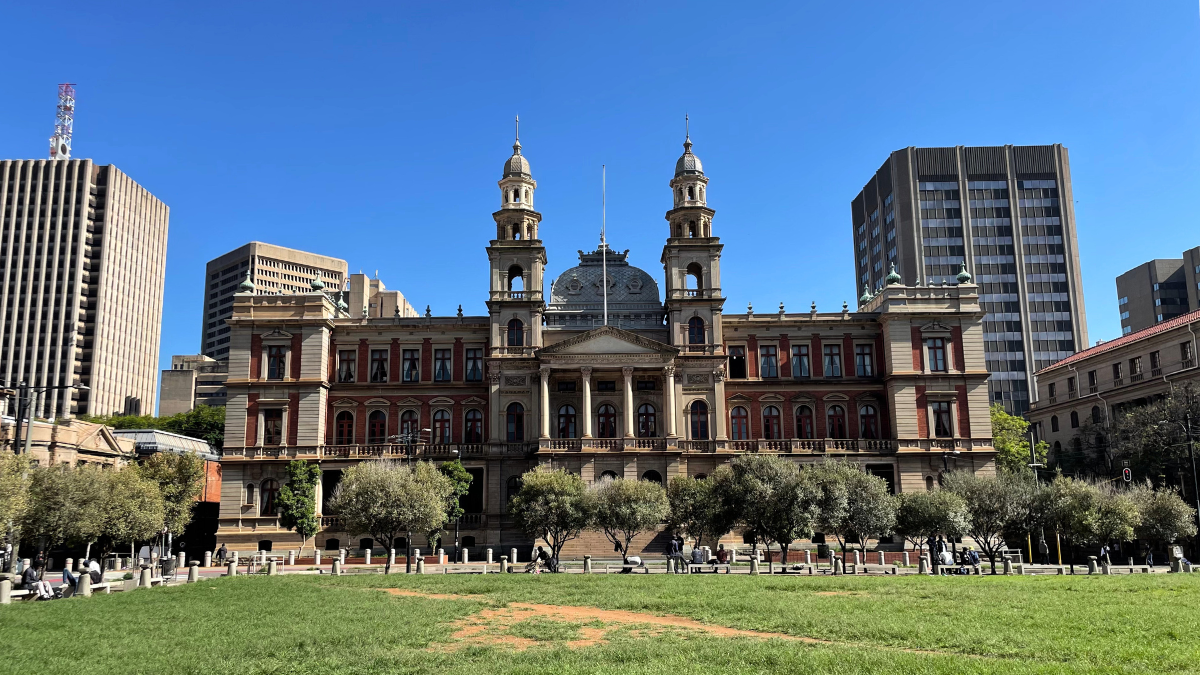
The Palace of Justice served as the location of several of South Africa’s most significant trials during the apartheid era.
The Rivonia Trial, which took place between 9 October 1963 and 12 June 1964, was one of the most notable trials of this period.
After a group of 15 anti-apartheid activists were arrested on Liliesleaf Farm in Rivonia, hence the name, they appeared before the Transvaal Division of the Supreme Court.
These included, among others, Nelson Mandela, Walter Sisulu, Ahmed Kathrada, Govan Mbeki, Lionel Bernstein, and Raymond Mhlaba, who were facing charges of treason.
What followed was one of the most iconic speeches from the anti-apartheid struggle:
“During my lifetime, I have dedicated myself to this struggle of the African people,” Mandela told the court.
“I have fought against white domination, and I have fought against black domination. I have cherished the ideal of a democratic and free society in which all persons live together in harmony and with equal opportunities. It is an ideal which I hope to live for and to achieve.”
“But if needs be, it is an ideal for which I am prepared to die.”
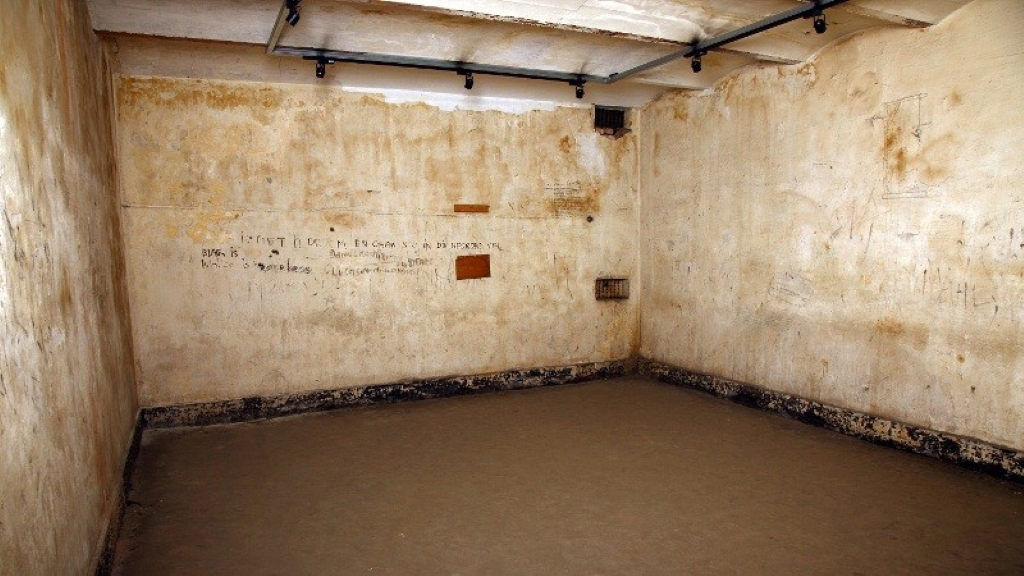
While Mandela’s speech remains metaphysically attached to the Palace’s history, the 5 m x 7 m holding rooms below the three courts serve as a visual reminder of those who have faced the courts.
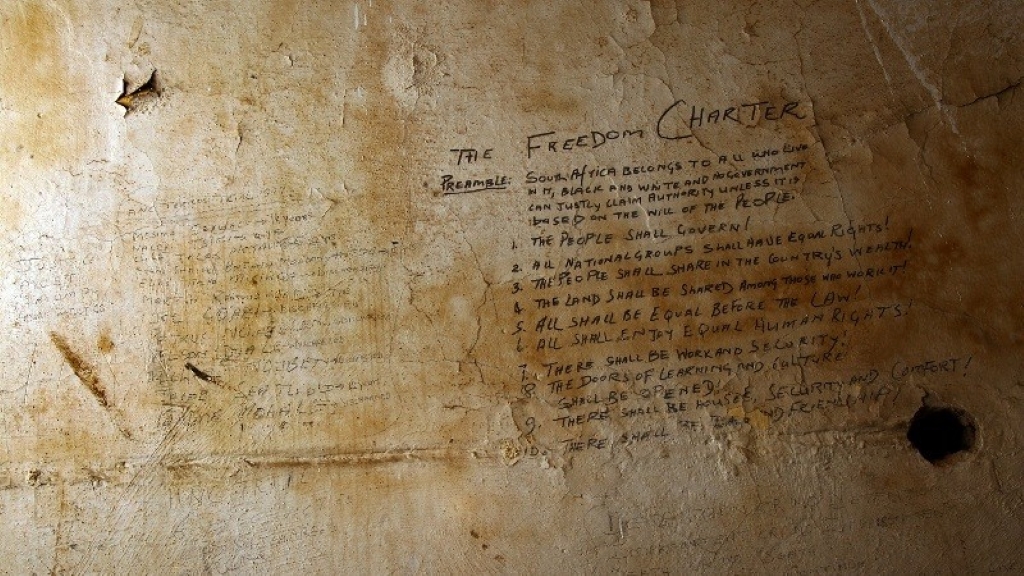
Among inscriptions saying “Arnold was here” and “The AWB shall govern” on the walls of the cells is the preamble and all ten points of the Freedom Charter, written by a former detainee.
Others read, “My dream is to be free, one love”, and “There comes a time in the life of any nation where only two choices remain — whether to submit or fight.”
“Detention or no detention, imprisonment or no imprisonment, death or no death, the struggle shall continue to vindicate the right of our people. Mayibuye iAfrica. Amandla,” another wrote.
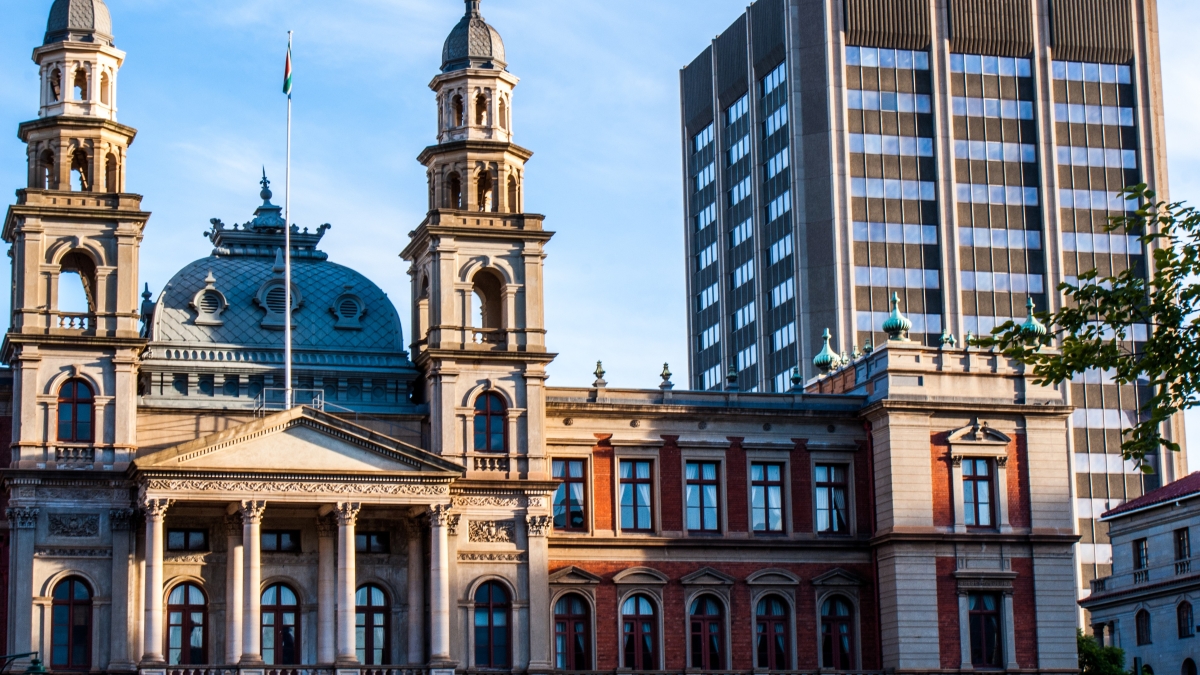
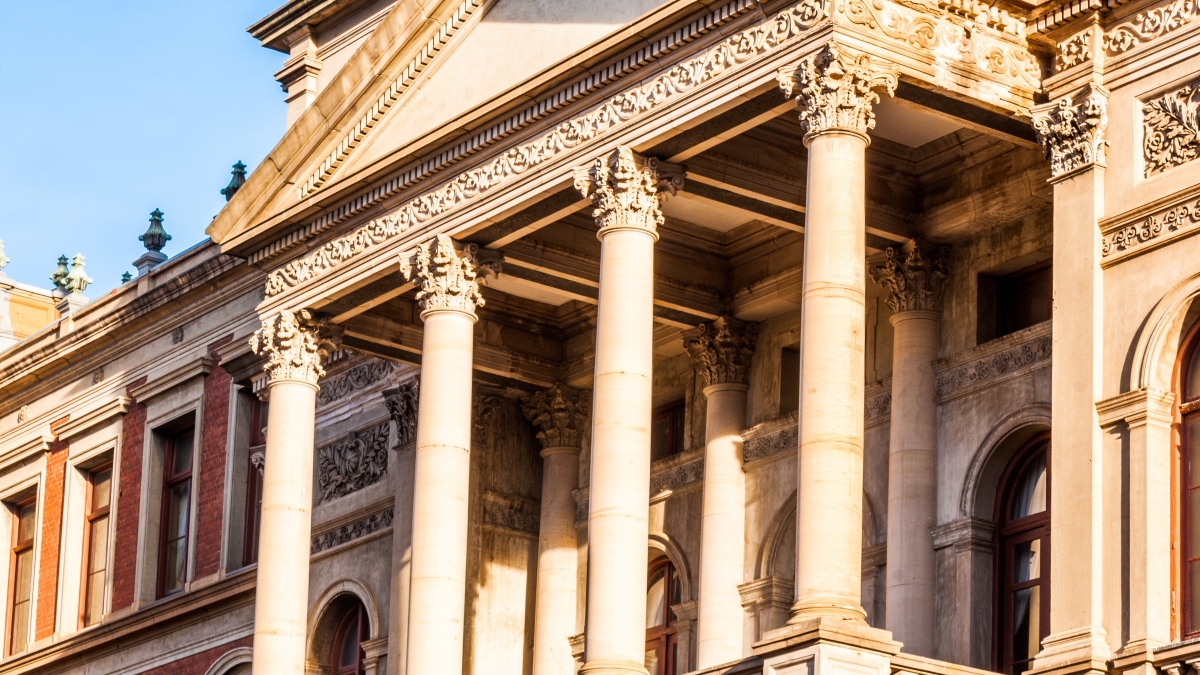
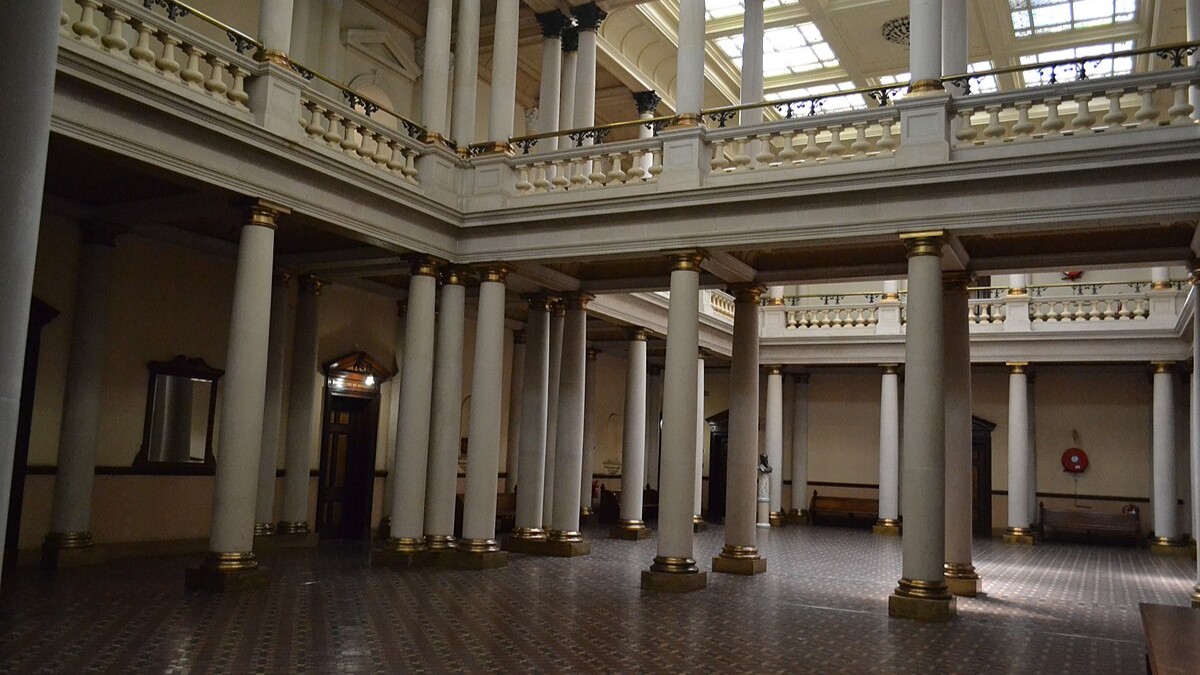
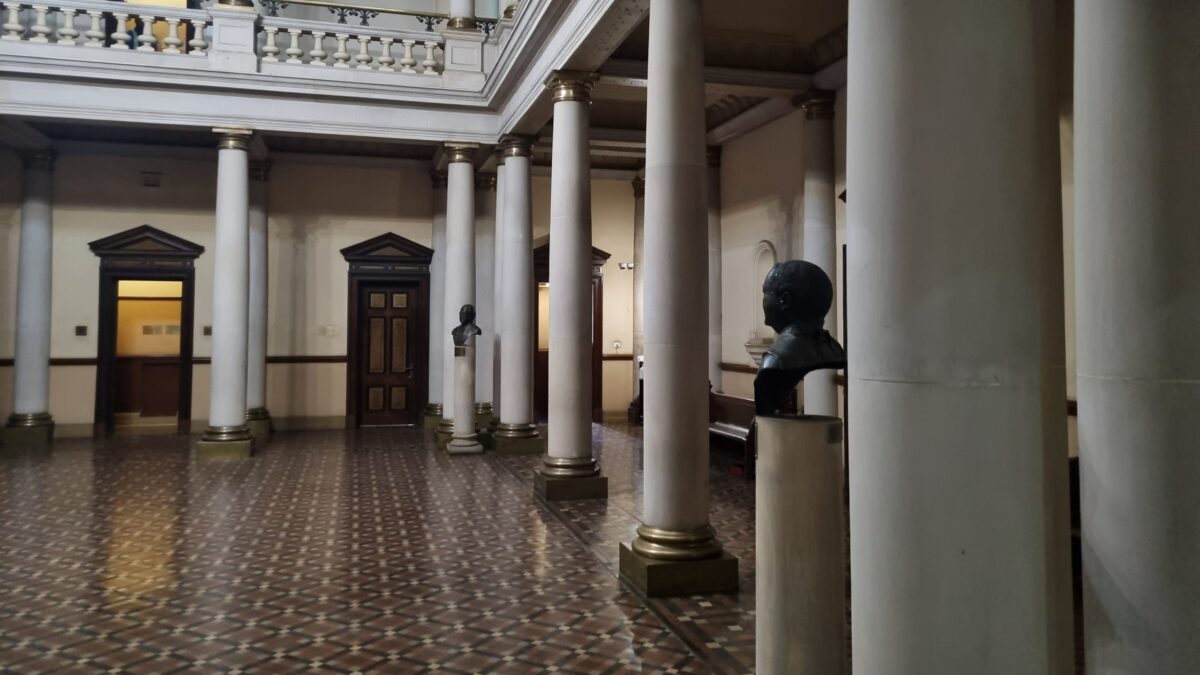
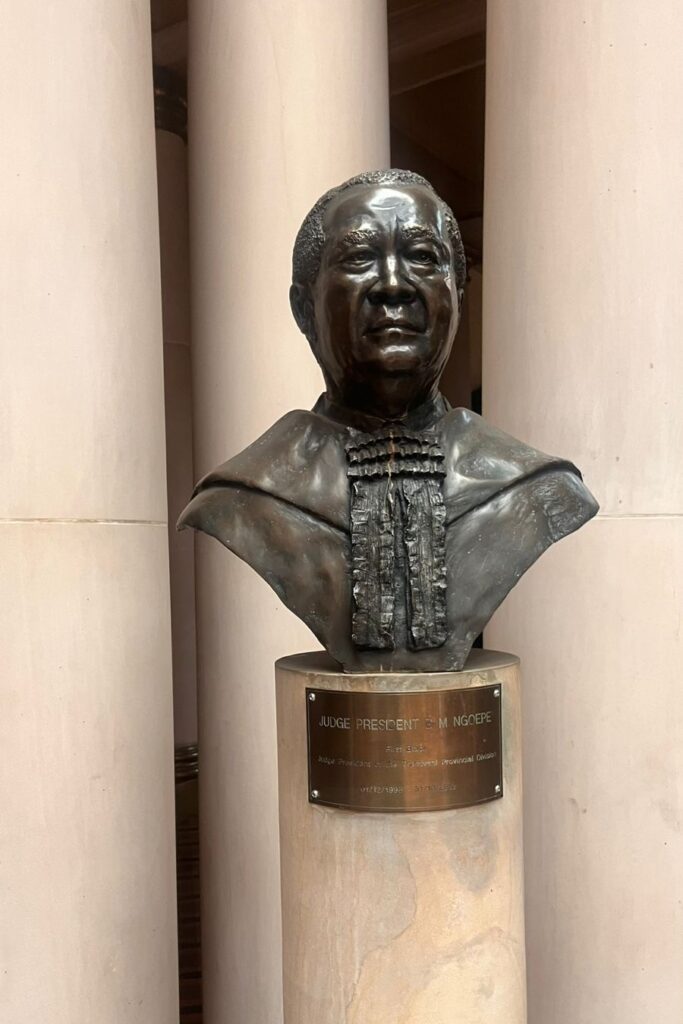
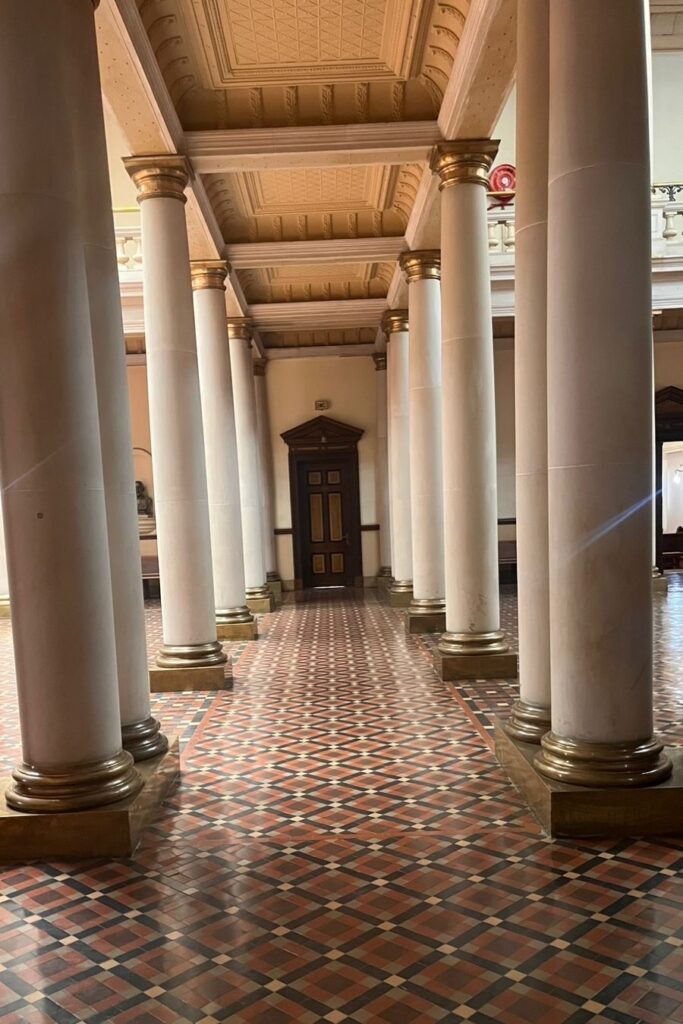
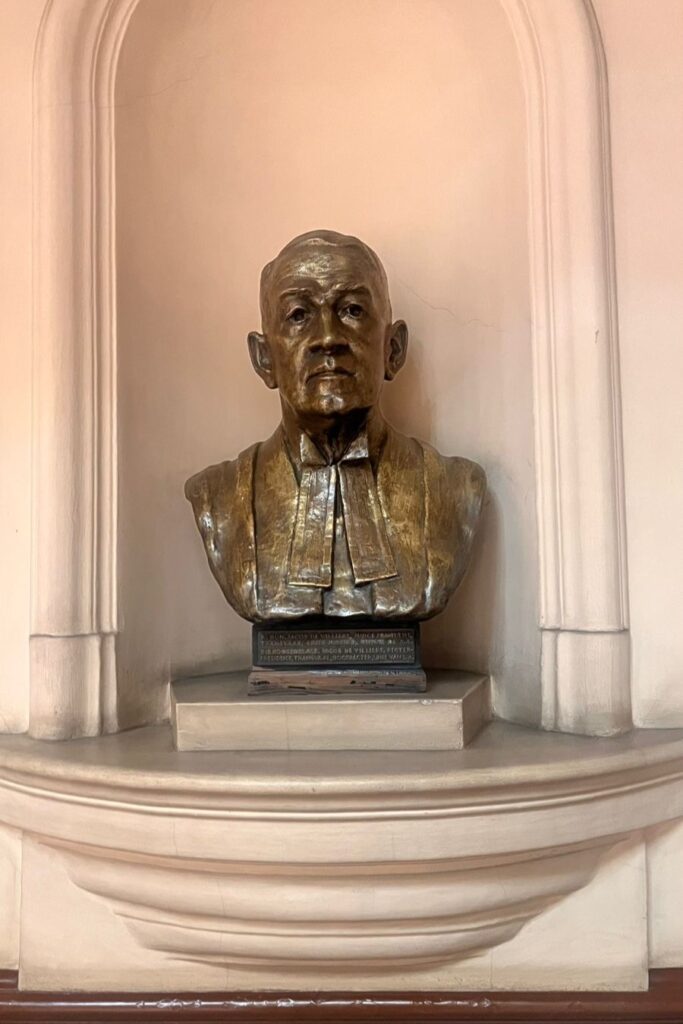
Images of the Palace of Justice














 Loading ...
They built really beautiful buildings in the old days.