
South African taxpayers fork out R14 million for council overseeing place name changes



Since 2019, South Africa’s Geographical Names Council has cost taxpayers around R14 million to run, not including gazetting, signage, or public consultation expenses, highlighting the hidden costs of renaming towns, streets, and public spaces.
This is according to the Minister of Sports, Arts and Culture, Gayton Mackenzie, who was responding to a parliamentary question from Freedom Front Plus leader Dr Corné Mulder.
The Minister explained that a consolidated cost analysis for the total expense of renaming places has not been done.
However, he added, the Department estimates that the cost of the South African Geographical Names Council (SAGNC), which is responsible for the job, costs R740,556.35 per quarter since 2019.
“This estimate includes costs relating to flights, ground transport, accommodation, catering and venue hire, honoraria and travel reimbursements, and administrative and logistical support for physical and virtual meetings.”
This amounts to a substantial R14 million for the almost-six-year period.
This excludes the cost of gazetting the approved name, as well as the cost of replacing the signage, which is incurred by the South African National Roads Agency (SANRAL).
The cost of replacing the signs falls under maintenance costs for SANRAL, and as such, it is not possible to separate name changes from replacements for ageing or damaged signage.
But the Department provided costs for gazetting an approved name.
“The publication of approved names in the Government Gazette costs between R3 000 and R9 000 per notice, depending on word count and length,” Mackenzie explained.
As there have been 14 name changes since 2019, this cost now sits somewhere between R42,000 and R126,000.
This amount also excludes advertisements for new names in local newspapers and the cost of venue hire for public consultations.
A controversial debate

The SAGNC was established by the government in 1998 to “redress, correct and transform” geographical names in South Africa.
The system works through provincial Geographical Name Change Councils in each province, which make recommendations to the national body and enforce the renaming process.
The council is responsible for collecting the name-change requests and making recommendations to the Minister of Sports, Arts and Culture, who is ultimately responsible for changing the name.
The Council currently has 66 name changes in progress. In most cases, these names were already used by local communities.
Most of the name changes since 1994 have consisted of spelling changes, but some name changes, especially in the last six years, have come under scrutiny.
One such name change was the decision to rename Port Elizabeth, Gqeberha. Some were concerned this would negatively affect tourism, with over 30,000 people signing a petition to stop the change.
Other significant name changes in the last six years included changing King William’s Town to Qonce, Uitenhage to Kariega, Cradock to Nxuba, Somerset East to KwaNojoli, and Ladysmith to uMnambithi.
The latest proposition to draw criticism is the application to rename the town of Port Alfred to iCawa or iCowi.
The community, according to EWN, said it has invested a lot in its tourism offering and is concerned the name change could negatively impact this.
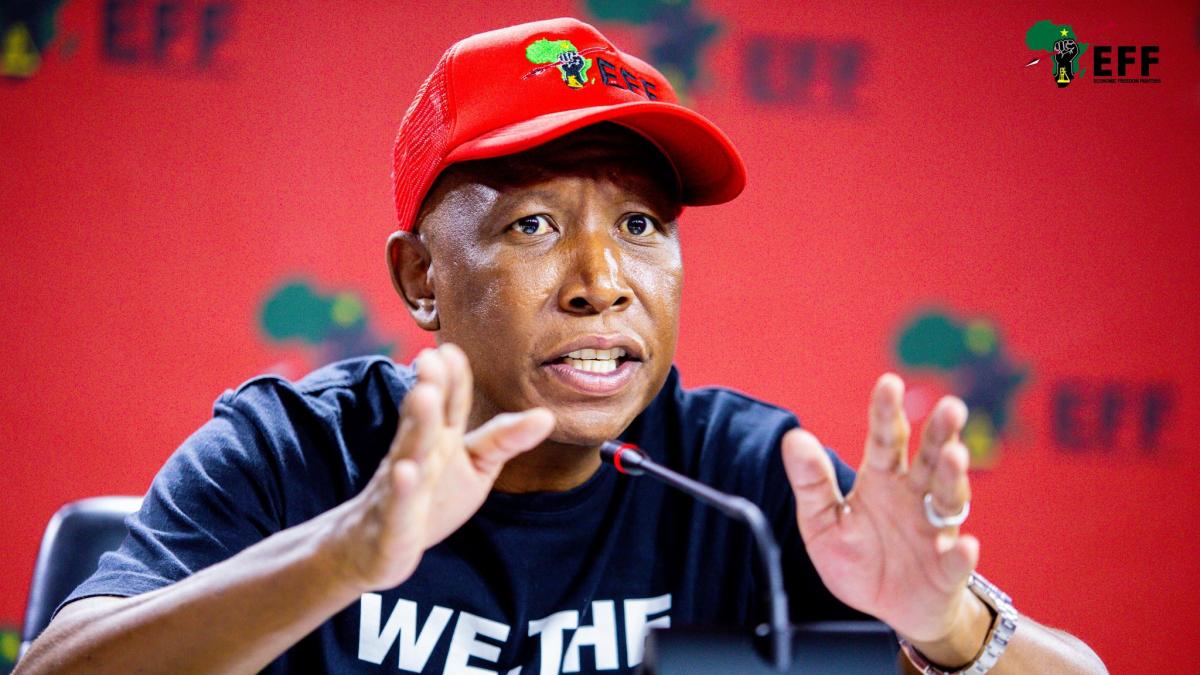
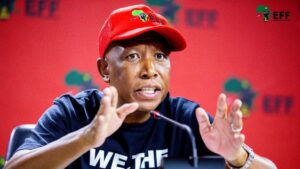
Others, such as the Economic Freedom Fighters (EFF), have argued that the name changes are necessary to decolonise public spaces.
In fact, the party said in 2021 that the process was happening too slowly and criticised the African National Congress (ANC) for keeping the name of one of South Africa’s biggest cities, Durban.
Durban was named after British colonial administrator Sir Benjamin D’Urban. D’Urban was Governor of the Cape Colony from 1834 to 1837. His tenure was marked by conflicts with the Xhosa people.










 Loading ...
Agree with both readers. A waste of taxpayers money. There are so many bigger problems to solve in our country. Education, sanitation, power , housing, the list is endless. You cannot wipe out history, its part of the country. It is just a vain political move and very disruptive to a community. Offensive names like Verwoerd who was the architect of apartheid is a point in case that warrants change. If other countries followed our crazy logic no one in the world would have a clue where they lived or where they were going! If you must name public places after people forget politicians as they come and go with change, name Botanical Gardens after Botanists ,Hospitals after doctors or scientists, Airport after aviators etc. What you are doing is not going to change lives, put the effort and money where it is desperately needed.