
South African political parties are either too far left or right-wing



South Africa’s political landscape has long been dominated by parties that lean sharply to the left or right, leaving many voters feeling politically homeless.
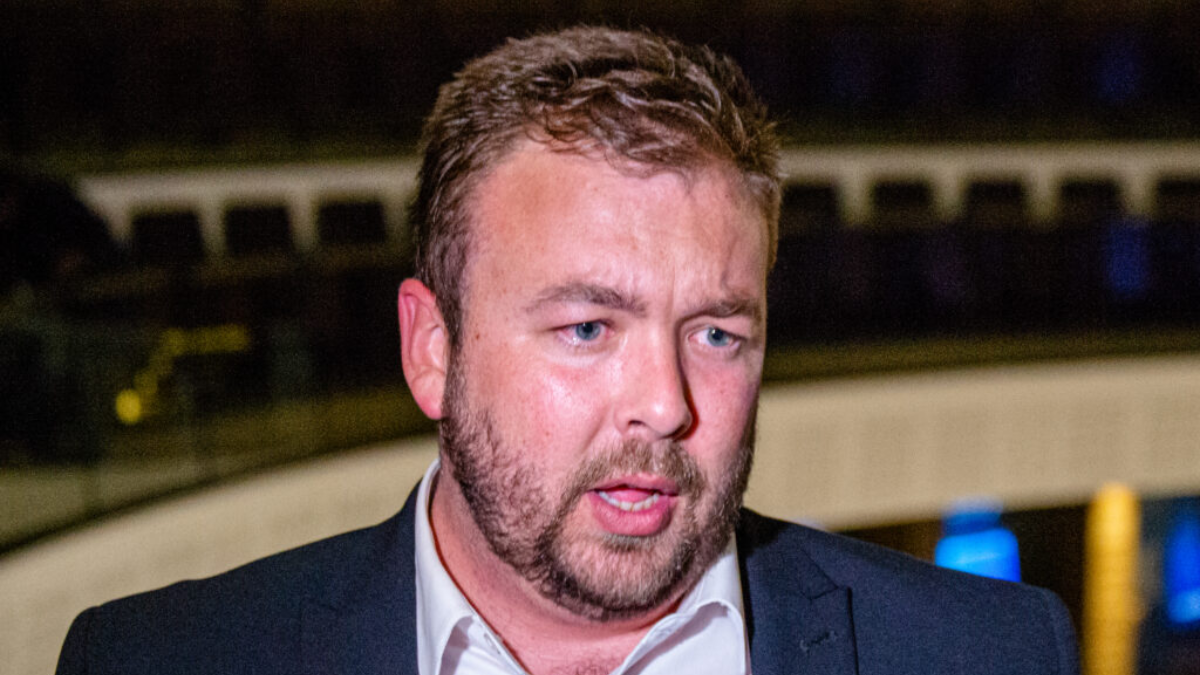
This is according to Michael Beaumont, national chairperson of ActionSA, who said in an interview with Newsday that this polarisation has created a vacuum in the political center, a space the party aims to occupy.
“Too many parties have moved to the right or the left in order to compete in that space,” Beaumont said. “We want to offer a reasonable space for South Africans, and we think that’s what we’re doing.”
ActionSA, formed by former Johannesburg Mayor Herman Mashaba, emerged after Beaumont and Mashaba felt alienated by the Democratic Alliance (DA) post the return of Helen Zille to party leadership in 2019.
The party’s creation followed a public consultation initiative called the People’s Dialogue, which received 2.44 million engagements.
This, Beaumont said, gave an “overwhelming mandate for the formation of a new political party,” which he said is grounded in centrist values such as non-racialism, the rule of law, and a prosperous economic system based on freedom.
He said that the party’s focus on centrist governance stems from a frustration with South Africa’s historically polarised political environment.
Beaumont explains that extreme left-leaning or right-leaning ideologies and their continious frictions have often resulted in instability and poor service delivery.
“We think a lot of voters reside in the political center of South Africa,” he said. “The system is stale, and voters are looking for an alternative that is reasonable, rational, and capable of delivering services.”
Coalition politics

Beaumont said that the centrist approach also influences how ActionSA engages in coalition politics.
He criticised other parties, particularly the DA, for failing to manage multi-party administrations effectively in Johannesburg and Tshwane.
“The DA continued to run governments that were not consultative and didn’t try to bring about a multi-party coalition,” he said.
“They wanted to be the big brother that determined how things should be run, and everyone else just served at their pleasure to keep them in power.”
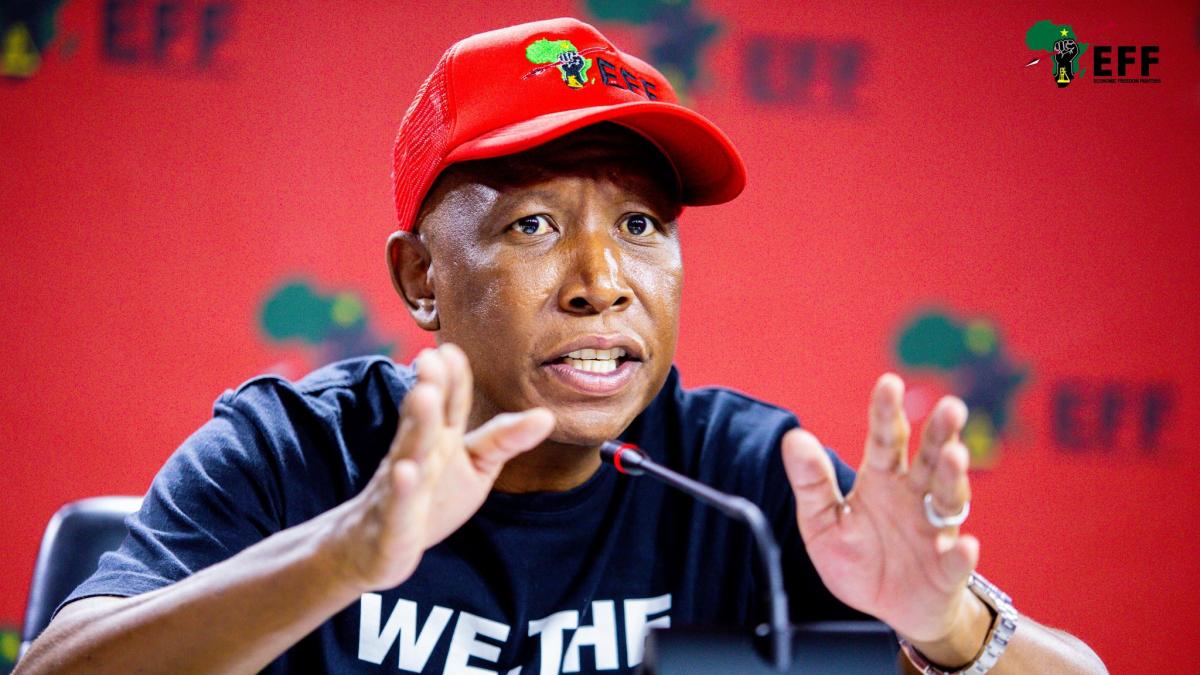
ActionSA currently governs with the ANC, EFF and other minority parties in Tshwane, with Dr Nasiphi Moya as mayor.
The party has since launched the “Big Green Umbrella,” a strategy for working with smaller, like-minded local parties to strengthen municipal governance without sacrificing its centrist principles.
Beaumont says this strategy emphasises practical service delivery over ideological purity: “This is not a social media election. It’s not a parliamentary election.”
“This is an election about feet on the ground, local government service delivery, bread-and-butter issues.”
For voters tired of extreme left- or right-wing politics, Beaumont believes ActionSA represents a viable alternative.
“98% of municipalities in South Africa are governed either by the ANC, the DA, or the IFP, and 90% of municipalities are dysfunctional,” he said.
“South Africans need to look elsewhere for a political alternative to parties that have been around for decades and presided over the collapse of local government.”
In Beaumont’s view, the political center is not only where ActionSA stands ideologically but also where voters who are dissatisfied with polarisation can find practical, results-oriented governance.
Centrist coalition block calls
There are growing calls for a shift toward competence-based politics and a centrist coalition that can provide stability amid fragmentation and populism.
A significant proponent of this call is Professor William Gumede, founder of the Democracy Works Foundation, associate professor at the University of the Witwatersrand’s School of Governance, and a multiple-time bestselling author.
Speaking to Newsday, he highlighted the importance of voters prioritising experience, integrity, and ability over ideology or identity when casting their ballots.
Central to Gumede’s vision is the development of a “big tent centrist political center”, an alliance of parties that share a commitment to the constitution, the rule of law, anti-violence, business growth, and competence-based governance.
Such an alliance, he says, would act as a counterweight to populist or extremist parties.
“It is very important as a country that we proactively work to foster a big-tent centrist political center,” Gumede said.
“If we can get political parties that are pro-constitution, that believe in non-racialism, that believe in competence, that are anti-violence, and that believe in business and the market, we can collaborate, whether through mergers, coalitions, nationally, or locally.”
Gumede said that the centrist coalition should not simply react to the presence of populist parties, but be strategically built to provide a stable governing base.















 Loading ...
“He criticised other parties, particularly the DA, for failing to manage multi-party administrations effectively in Johannesburg and Tshwane.”
Yeah thanks to that idiot Mashaba who’s your boss?
What a d-head Beaumont is.