
Major South African hospital collapsing in front of everyone’s eyes



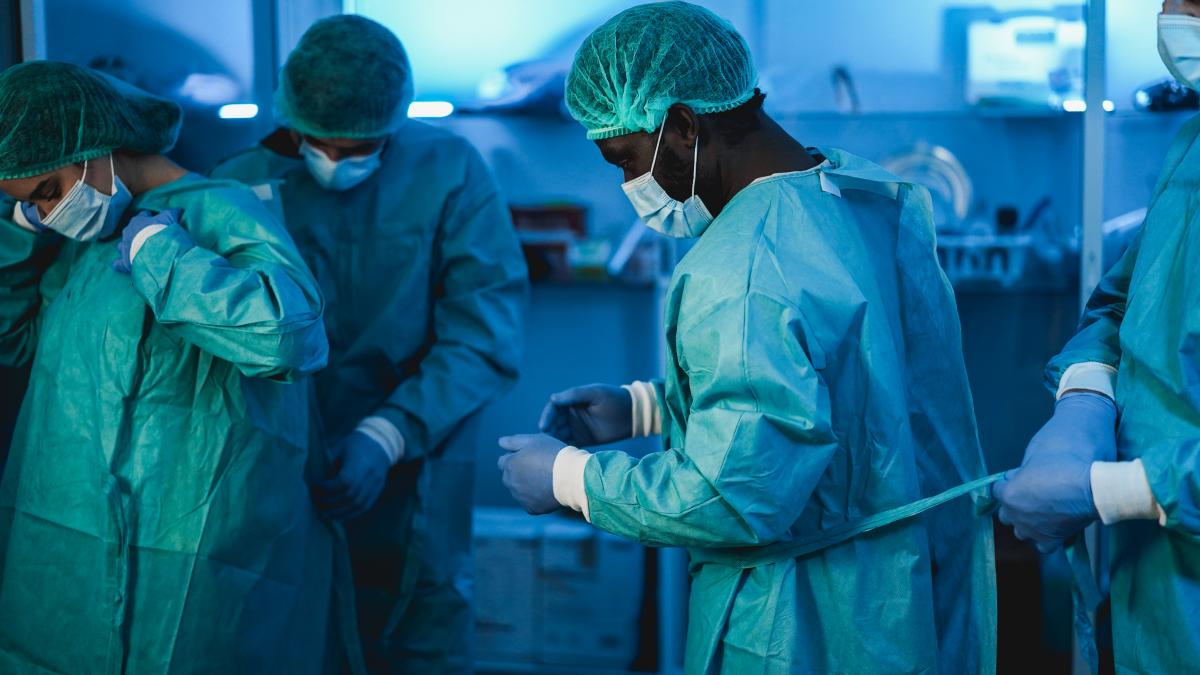
A report by the North West Provincial Legislature has highlighted the critical state of the Mafikeng Provincial Hospital, which the Public Servants Association (PSA) has called a humanitarian disaster.
“The situation at Mafikeng Provincial Hospital has reached crisis levels,” the PSA said in a statement following the report being published.
“From broken and outdated medical equipment, unending surgical backlogs, and chronic staff shortages to unhygienic wards and demoralised employees, the hospital mirrors the broader collapse of the provincial health system,” said the PSA.
It added that it “has repeatedly warned that poor planning, mismanagement of funds, and delayed procurement processes would lead to this humanitarian disaster.”
The report found that the insufficient number of medical and support personnel at the facility negatively impacts patient care and service efficiency.
This is despite having an annual budget of R824 million for the 2025/26 financial year, which the PSA claims raises questions about how it remains in such a dire state.
The Department’s own case study revealed that North West receives 13% less funding per uninsured patient compared to the national average, despite serving one of South Africa’s poorest and most rural populations.
“This underfunding has become a convenient scapegoat for incompetence, as corruption, nepotism, and lack of accountability continue to paralyse the system,” noted the PSA.
The study in question, conducted by the North West government, found that the province receives only 6.2% of the national provincial health budget, despite being home to 7.1% of the national population.
However, it is worth noting that patients travel from surrounding areas, as it is bordered by level-one hospitals and community health centres.
This is according to Beth Engelbrecht, adjunct professor and leadership and governance lead at the North-West University School of Medicine, speaking to public-interest health publication Spotlight.
Understaffed and resourced
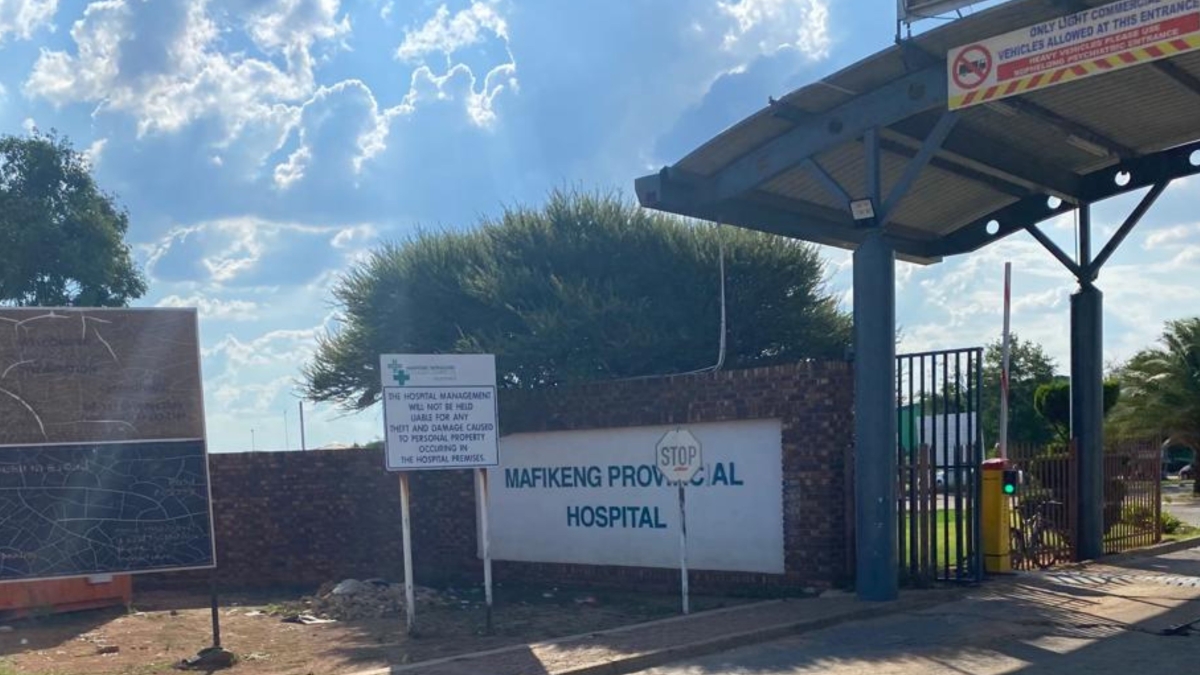
A former patient told Spotlight that they had been admitted to Mafikeng Provincial Hospital in 2019 for two fractures to their leg.
However, they demanded to be transferred to a nearby private hospital after being at the facility for six days and only receiving painkillers, despite their wounds beginning to fester. This resulted in a medical bill of over R260,000.
A lack of cleaning equipment, resulting in “poor hygiene standards that increase the risk of infections and undermine healthcare equipment”, was also highlighted in the report.
A woman who spent three months at the hospital due to pregnancy-related complications in early 2025 described an unhygienic experience.
She said that because the hot water reticulation had failed in the ward, nurses had to bring buckets of water for patients to wash themselves in the basins.
“Sometimes we had to clean other patients’ vomit off toilet seats even though there were cleaners at the facility,” she said.
Other issues highlighted in the report include infrastructure challenges such as “ageing buildings, inadequate facilities, and equipment shortages, which limit the hospital’s ability to function optimally.”
However, these issues are nothing new.
In July this year, the North West High Court found the North West Member of the Executive Council (MEC) for Health liable for damages sustained by a child during birth at the facility in 2013.
It was not revealed in the report who the MEC was. However, Dr. Magome Masike was MEC at the time.
The mother of the child alleged that she endured long periods without medical attention or treatment before the infant was delivered via Caesarean section.
As a result of the brain injury sustained by the child, they developed cerebral palsy.
The court ruled that the MEC was responsible for ensuring that employees at the facility provided medical treatment diligently.
North West responds
In response to the findings, the report said that “these persistent challenges highlight the need for strengthened oversight and accountability to ensure improved healthcare service delivery.”
“These are not just statistics or policy concerns; they are everyday realities affecting people, patients, nurses, doctors, and the families who rely on this hospital for care.”
It suggested regular oversight visits, where hospital management, staff, and patients can provide real-time insights; quarterly meetings with the Department of Health; and the adoption of the facility as a priority project.
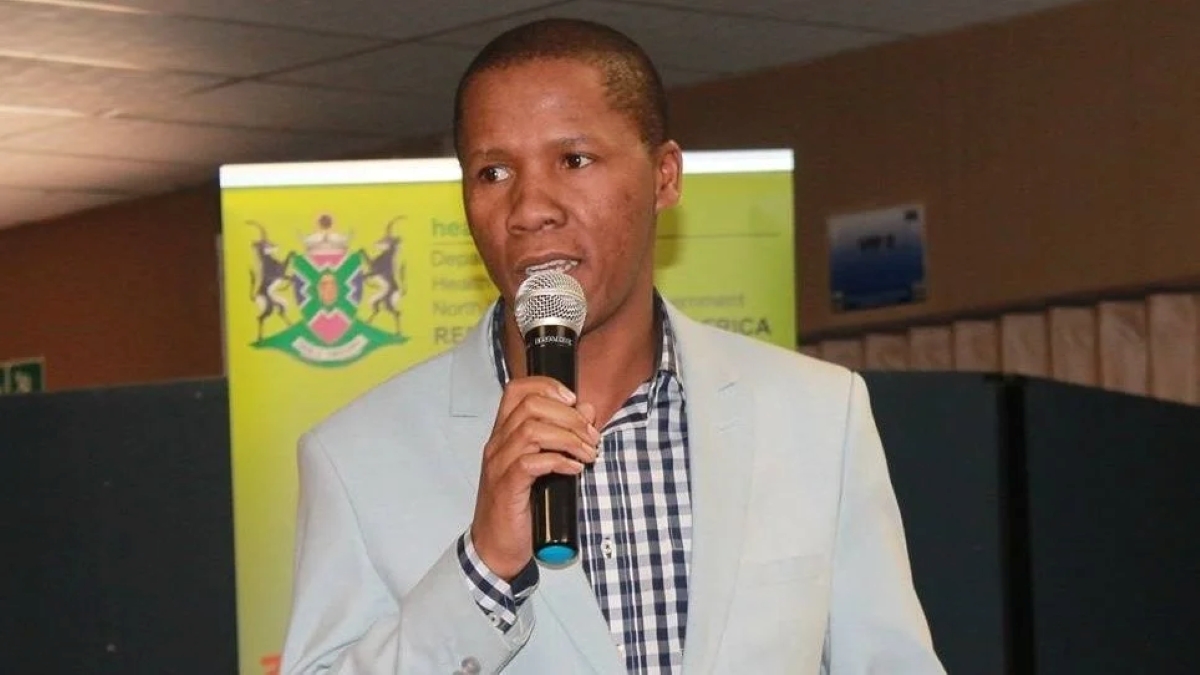
Provincial health spokesperson Tebogo Lekgethwane said that the hospital has developed a “comprehensive master plan to address the infrastructure challenges.”
This includes upgrading the kitchen, laundry, mortuary, and renal unit, restoring the hot water reticulation in wards 7, 8, and 9, and renovating ward 3.
To tackle the surgical backlog, Lekgethwane said the hospital is working on weekends and paying specialists for overtime.
As for the claims of broken medical equipment, he said “there is a fully functional health care technology department, supported by provincial offices, with technicians that are dealing with maintenance of equipment daily.”








 Loading ...
When will this endless destruction of our country stop? When will the blacks accept that they cannot run a bath, never mind a country. Just cast your eyes up north on our continent, and you will see the same mess everywhere, even though Botswana and Namibia seem to have an easier time of it. I think because there are not enough indigenous to hamper every try at modernity.
Please anc. If you have any love for South Africa, step back and let the economically literate people back into the driving seat. Once we have fixed the country, we can then implement a scheme of proper mentoring of black people, so they can actually do the job, and maybe even stop stealing.
You cannot reasonably expect a gardener in Monday to be the Finance Minister the next day. And that’s basically what the anc did. Put people into government and Parliament who had absolutely no clue. 5 Trillion Rand later in thievery, and no maintenance or planning for vital infrastructure, and the “modern” SA has been born. Right back in the dark ages.