
One Chinese car brand starting to dominate the South African market



Chery has become a fierce competitor in South Africa’s internal combustion engine and hybrid car markets, launching three additional vehicle brands in the country since its return in 2022.
According to the National Association of Automobile Manufacturers of South Africa (Naamsa), Chery ranked eighth in October 2025, with the highest number of passenger vehicles sold at 2,210.
The only other Chinese brand ahead of it was GWM with 2,805. However, adding its Jetour, Omoda, and Jaecoo figures brings it up to 4,377 and into fourth place overall, behind Volkswagen, Suzuki, and Toyota.
However, success in South Africa never came easy, as the company had to withdraw at one stage and only recently re-entered the market.
Chery, derived from the Chinese Mandarin word “Qirui”, meaning “lucky” or “auspicious”, was founded as a state-owned entity in China in 1997.
At the time, the company’s current chairperson, Yin Tongyue, was appointed as its first technical director.
Within two years, it had launched its very first vehicle, known as the Fengyun, which translates to “wind cloud.”
It initially licensed the technology of other manufacturers for its vehicles. However, its tendency to reverse-engineer other companies’ technology led to several lawsuits, including one from General Motors in 2003.
It soon began building and selling its own engines in 2006, under the name ACTECO. Chery also began exporting vehicles at this stage and established its first foreign production facility in Egypt in 2009.
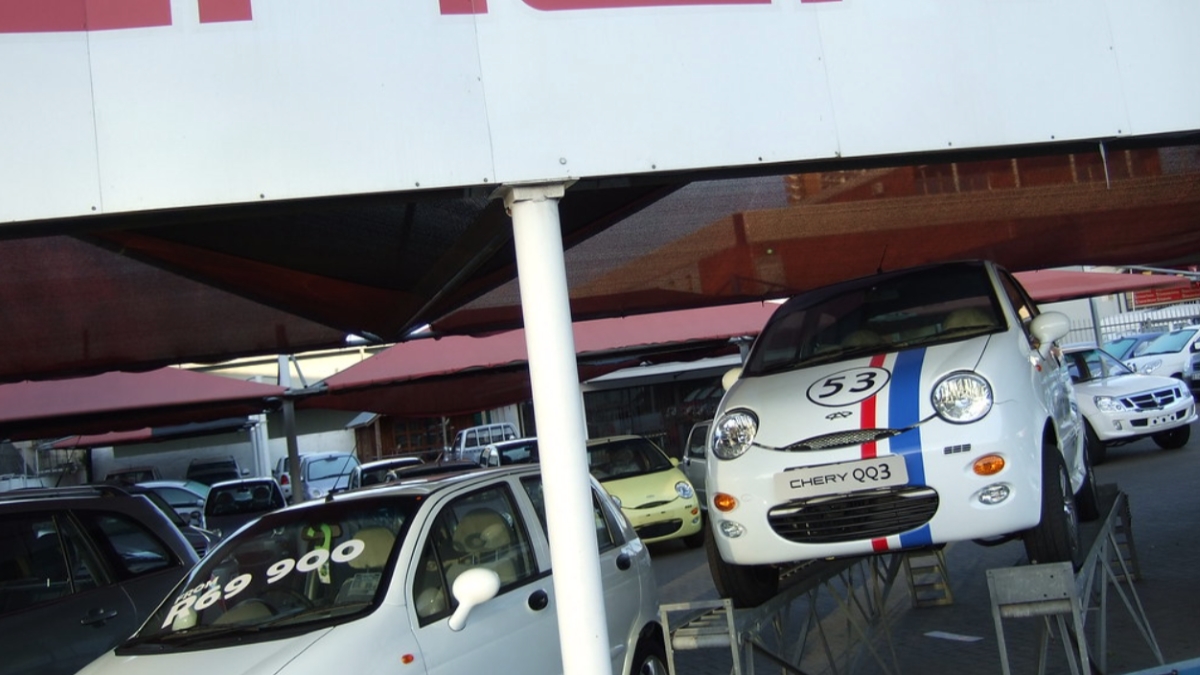
The carmaker first entered the South African market in 2007, imported by the McCarthy Group, and was subsequently marketed and distributed by a Bidvest-Imperial joint venture.
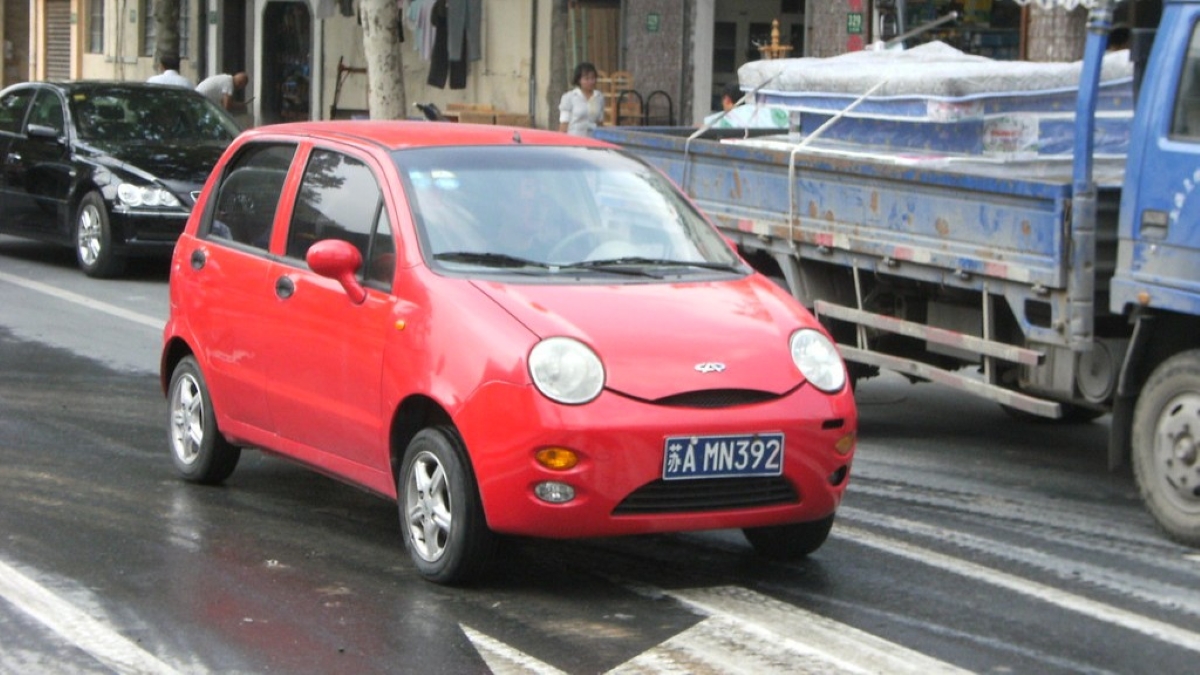
Chery made its debut in the market with the QQ, a compact hatchback that appealed to first-time car buyers due to its economical fuel consumption.
While many were sceptical about Chery’s entrance into the market, given fierce competition from established brands, such as Volkswagen and Toyota, it soon began to build a presence.
This was realised in the early 2010s when it introduced models, such as the Tiggo, a compact SUV that diversified its offering in the market.
It decided to focus on building brand loyalty by establishing a network of dealerships and partnering with local businesses to provide sales and after-sales support.
While it gained some traction in the market, consumer preferences began to shift, and South Africans began demanding more premium vehicles.
Despite trying to accommodate this demand, its failure to adapt to the competitive market led to its withdrawal from the country in 2018.
An instant impact
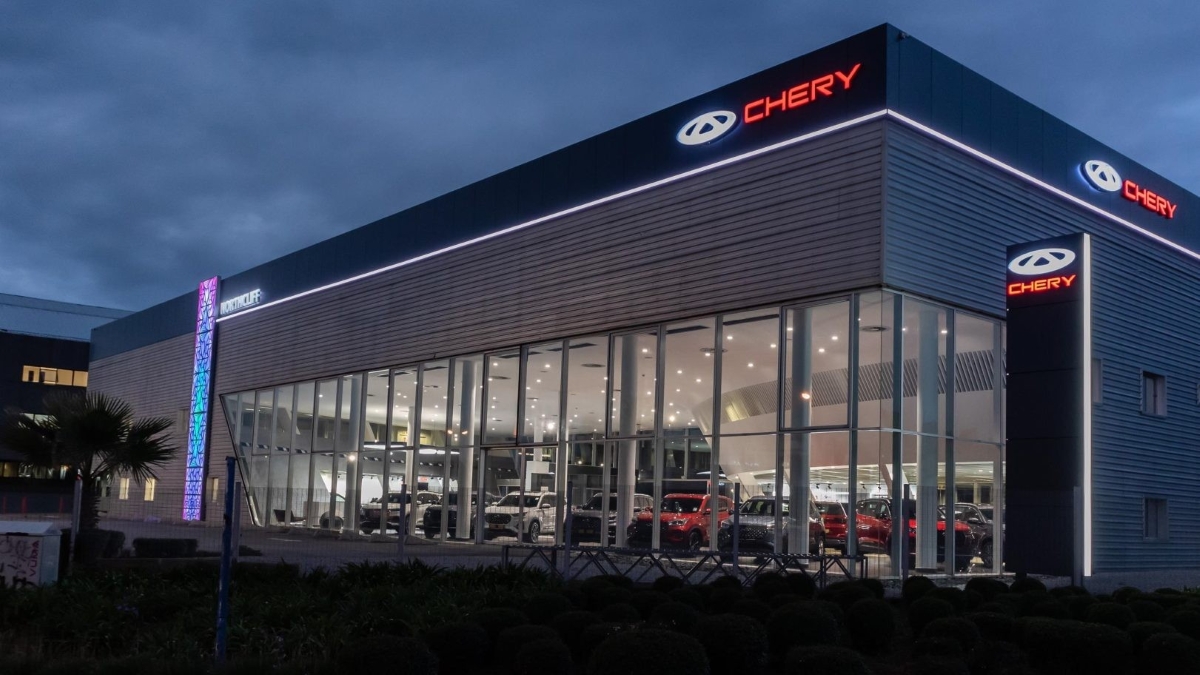
However, Chery re-entered South Africa in 2022 and became the sixth best-selling car brand the following year.
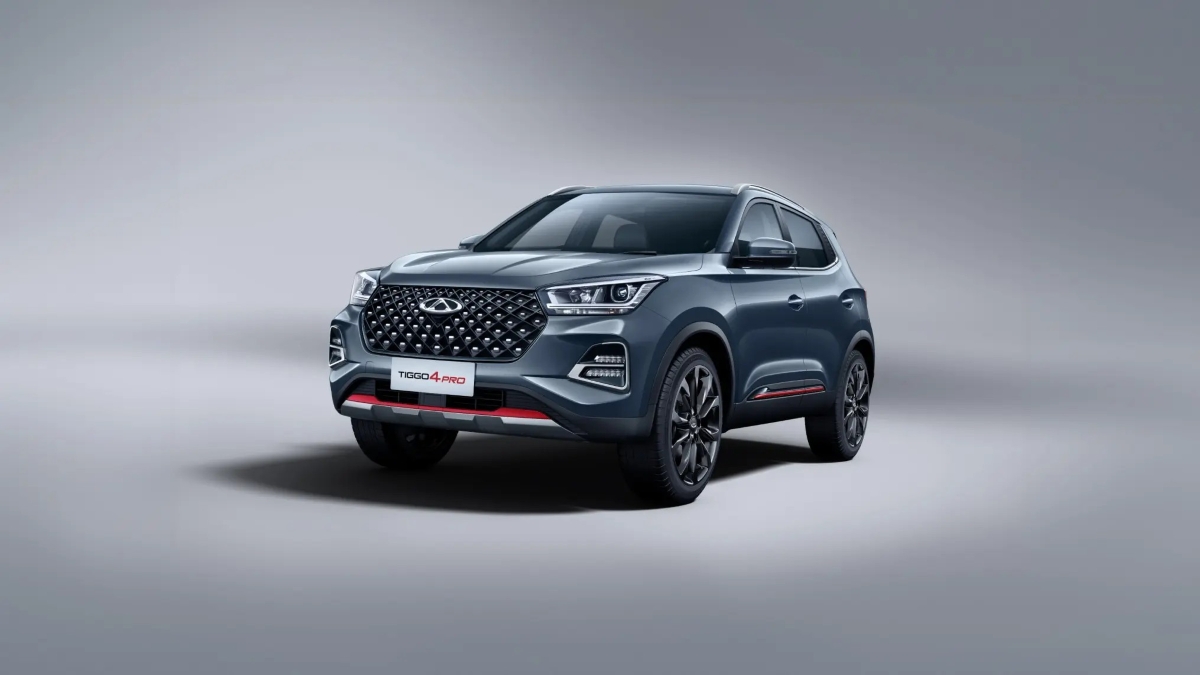
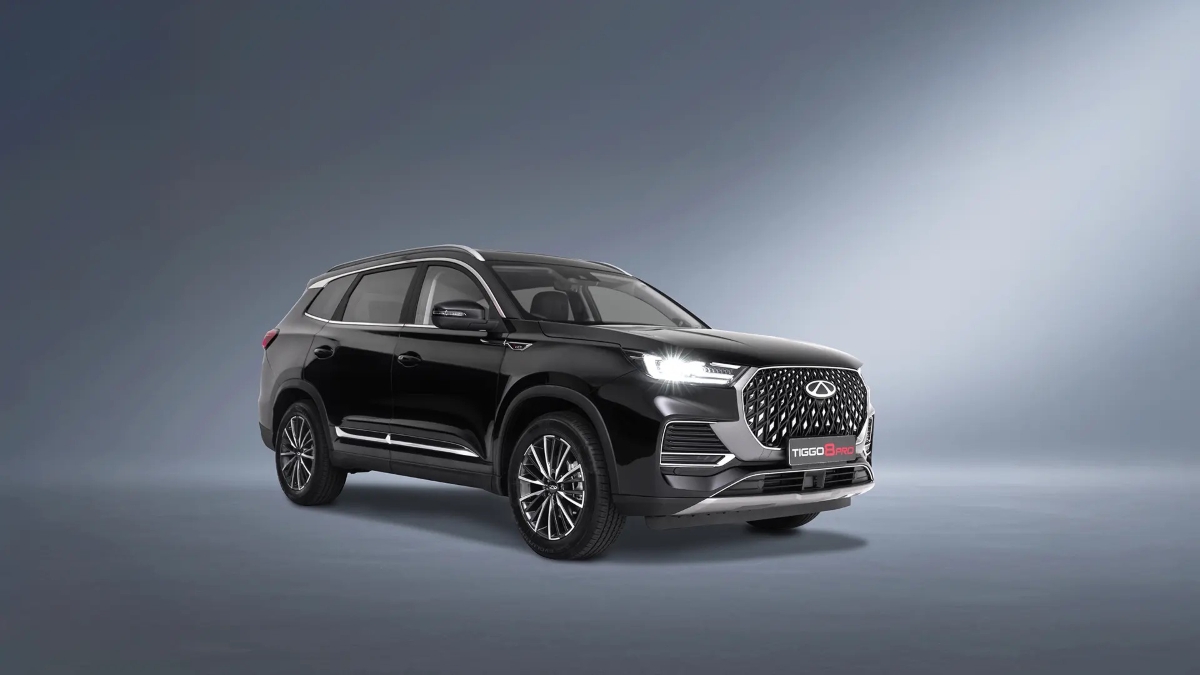
This also saw the reintroduction of the Tiggo line. In 2024, it sold 12,646 units of the Tiggo 4 Pro.
Since then, it has launched the Tiggo Cross Chery Super Hybrid (CSH), the country’s most affordable hybrid vehicle at R439,900.
It has also launched the most affordable plug-in hybrid, the Tiggo 7 CSH, which retails at R619,000.
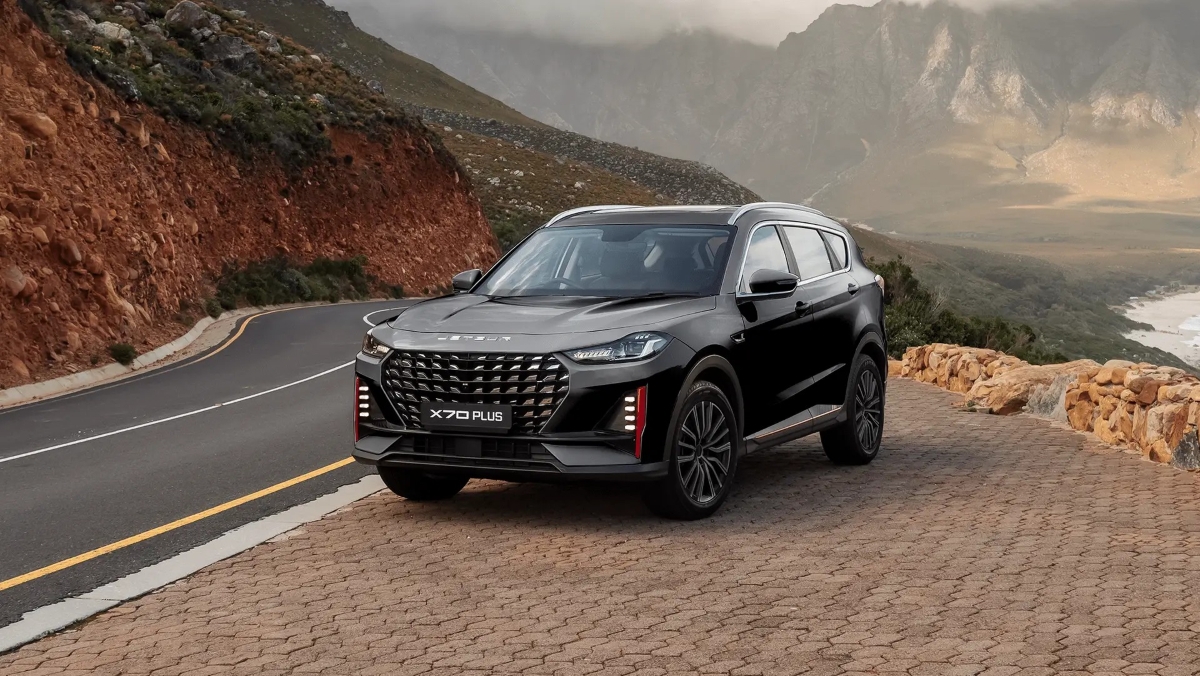
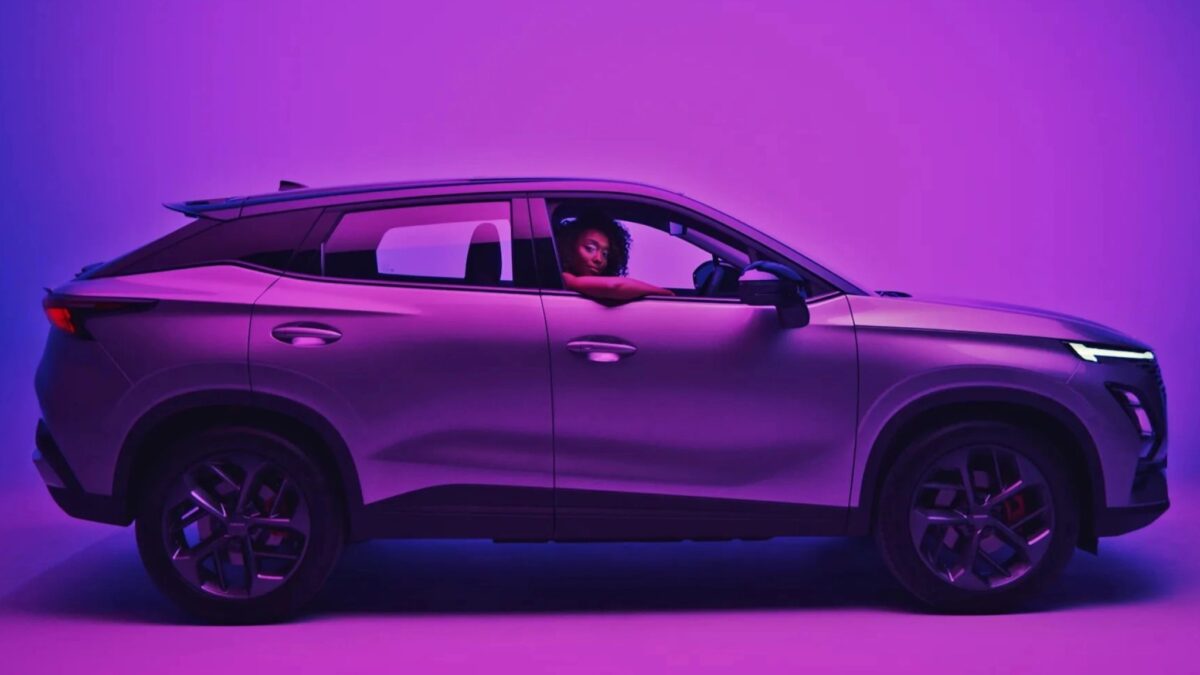
Chery has also ensured that it has catered to the South African market’s preference for premium vehicles through the introduction of Omoda, its premium car segment, in 2023.
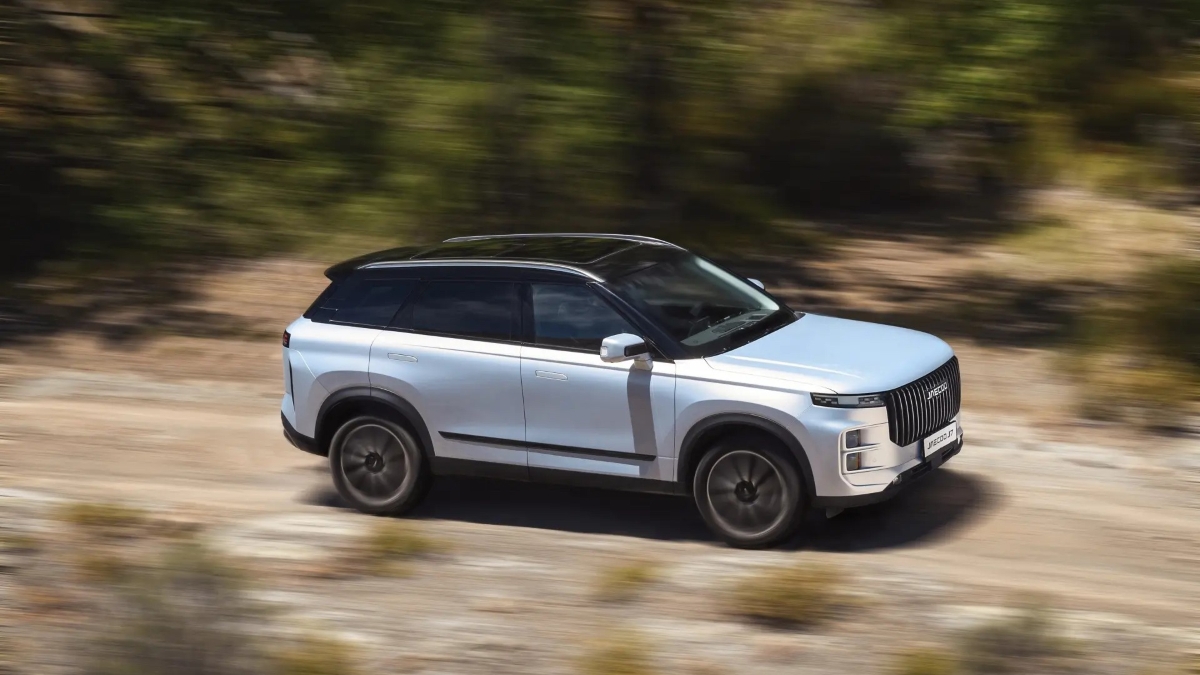
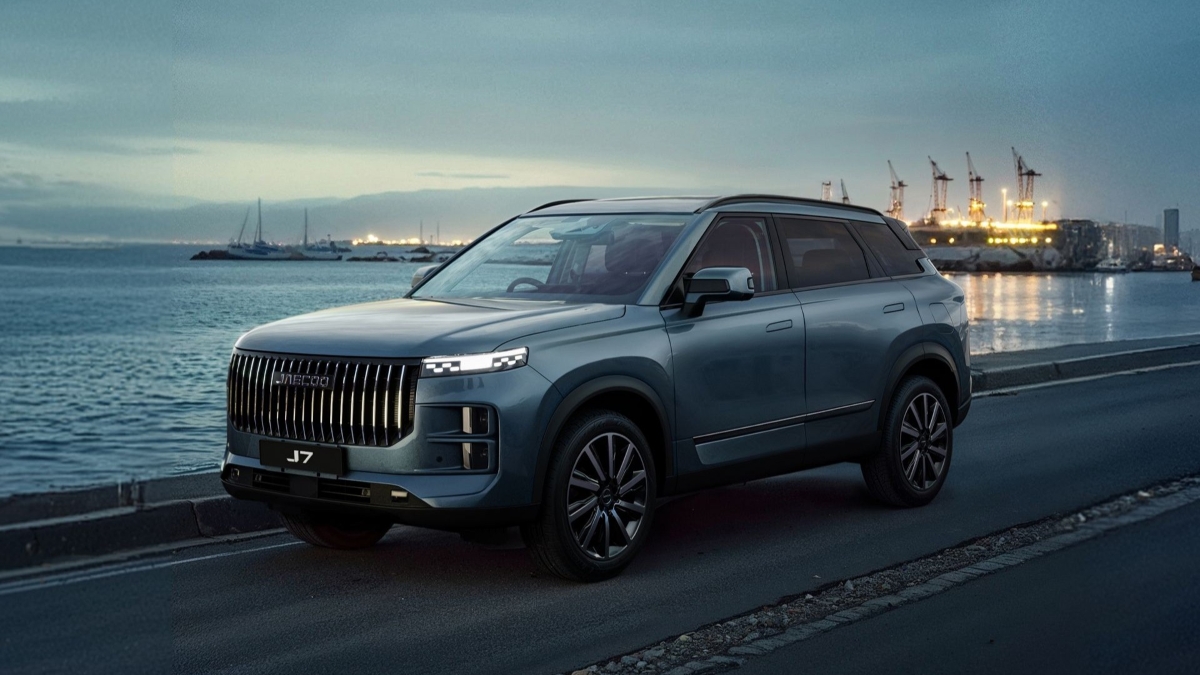
It then doubled down on this by introducing Jaecoo and Jetour in 2024.
While all vehicles are currently imported, BusinessTech recently reported that Chery is exploring the possibility of local production.
“We’re currently conducting feasibility studies in South Africa, which remains a key focus for both Omoda and Jaecoo,” the company said.
“The country plays an important role in our broader global strategy, and we’re carefully assessing opportunities to expand our presence and meet the growing local demand.”
In early November, Chery South Africa CEO Tony Lui told Reuters that the company is in discussions with several local original equipment manufacturers about potential partnerships.
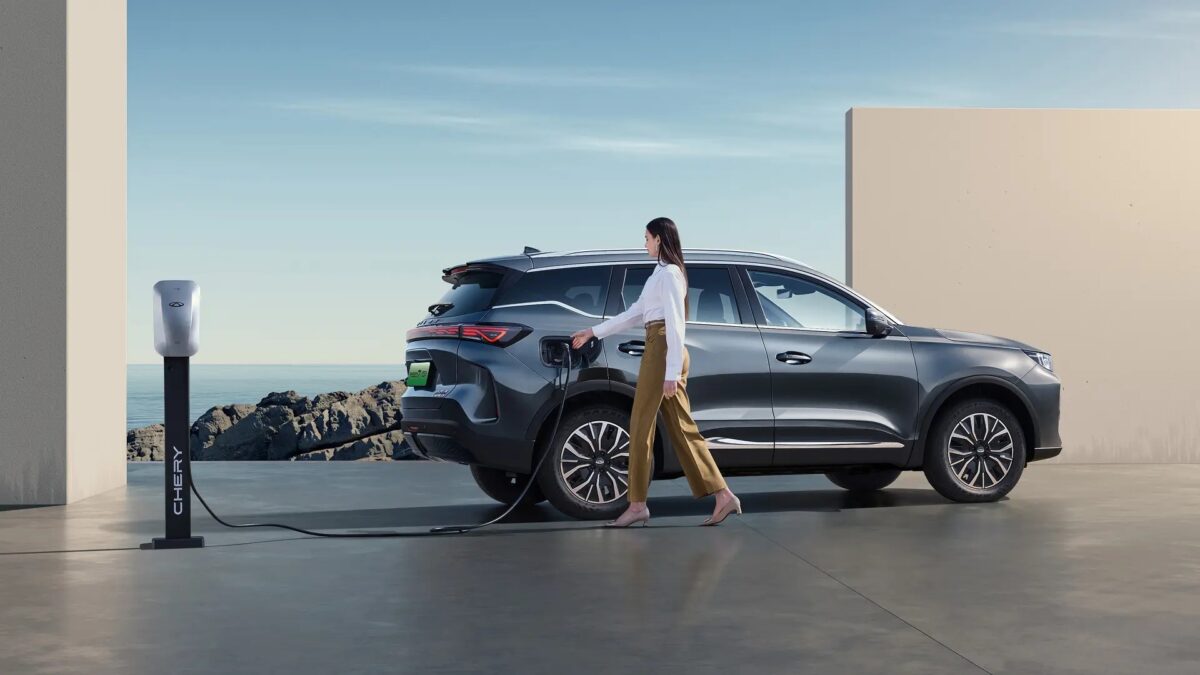
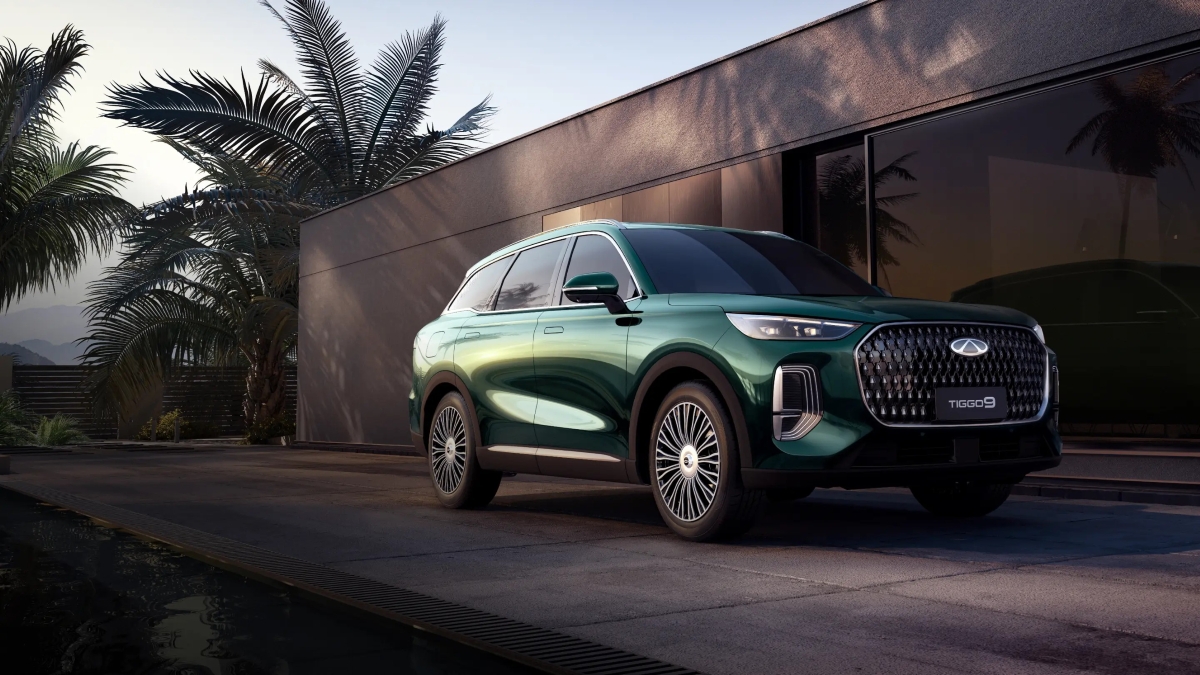
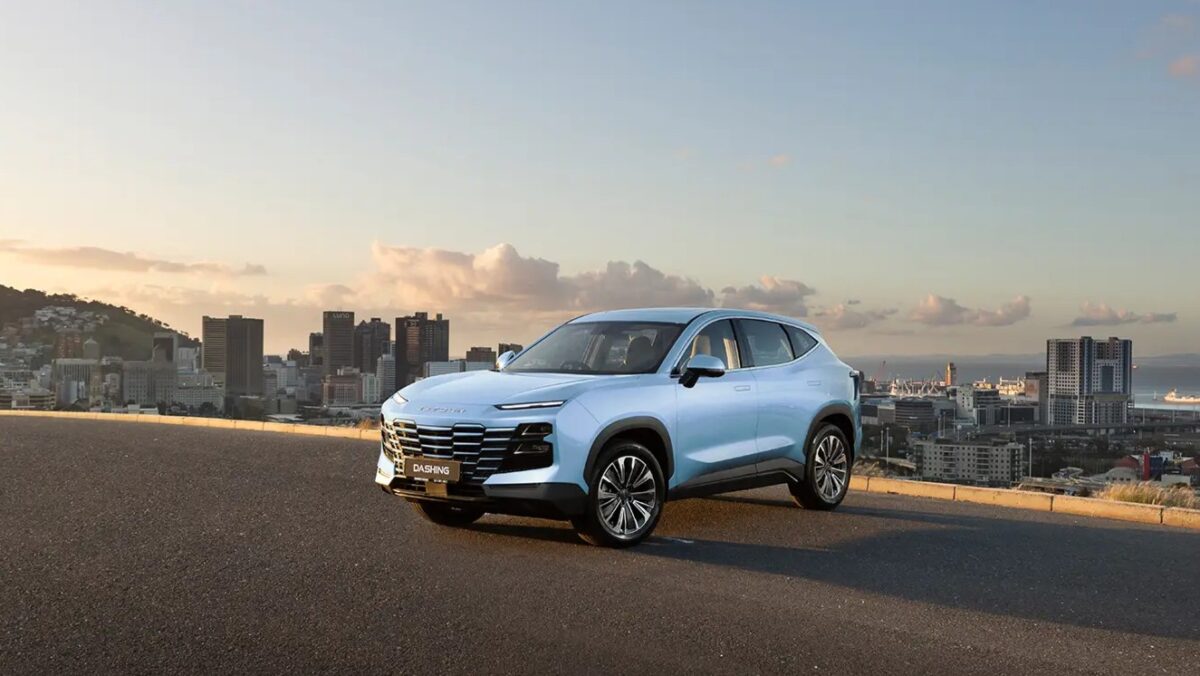
Images of Chery vehicles




















 Loading ...