
Warming planet, dwindling health



A new global assessment of climate change and health warns that the world is entering a “life-or-death” phase of the climate crisis, a warning that carries particular weight for Africa.
The 2025 edition of the Lancet Countdown report, produced by 128 experts from 71 institutions, finds that delays in climate action are already costing millions of lives worldwide.
The report reveals startling figures such as that the rate of heat-related deaths has increased by 23% since the 1990s, reaching around 546,000 per year.
Wildfire smoke and air-pollution driven by fossil fuel dependence have contributed further fatal burdens. In 2024 alone, an estimated 154,000 deaths were linked to wildfire-smoke fine particulate matter.
Meanwhile, labour productivity losses due to extreme heat are mounting, and adaptation efforts remain insufficient, according to a report published in The Guardian this week.
Yet, the report also emphasises opportunity: “climate-action is health-action” — clean energy, resilient health systems and adaptation can deliver real lives saved.
Africa is at the frontline
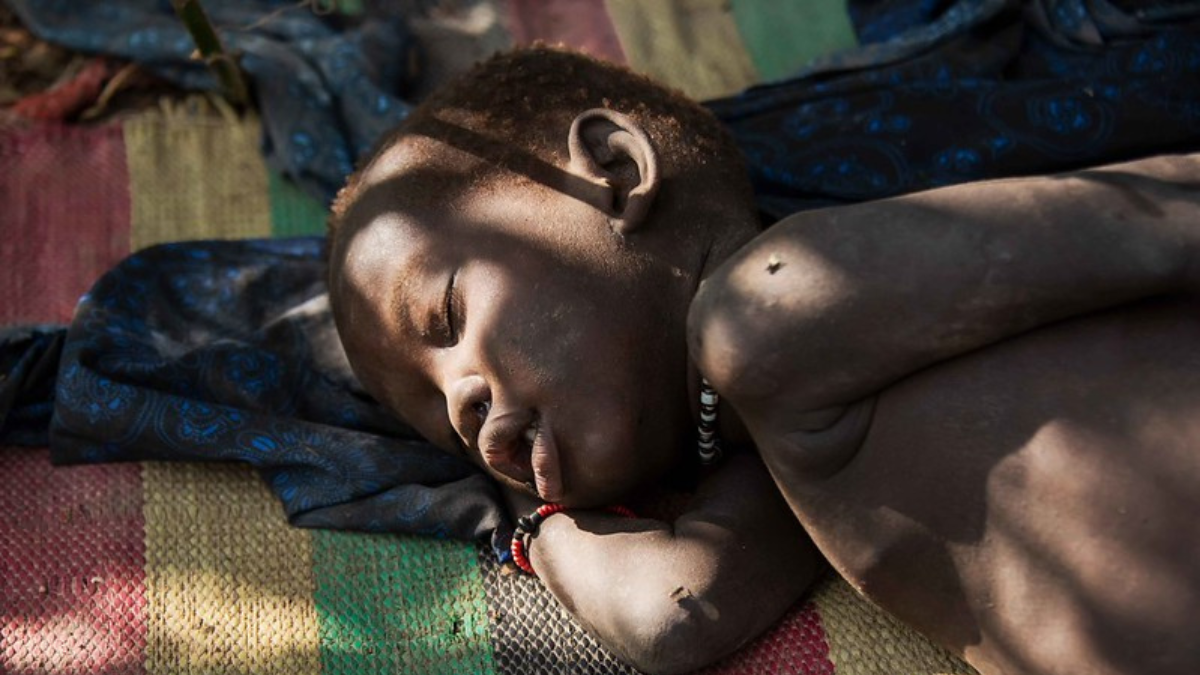
While the report is global in scope, its implications for Africa are acute. Many African nations already face high exposures to extreme heat, drought, flooding, food-insecurity and vector-borne disease burdens — all in the context of health systems that are relatively under-resourced and climate-vulnerable.
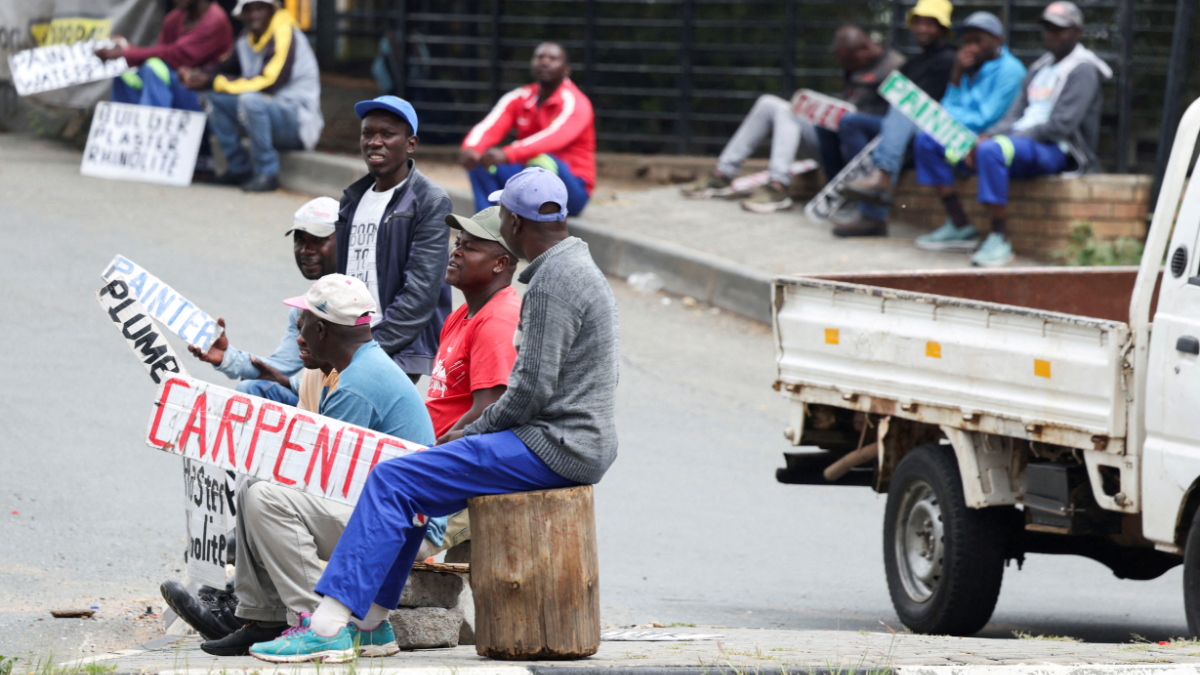
For instance, some regions in Africa are projected to experience more frequent and intense heatwaves, which increase the risk of heat-related illness and death, especially among older people, children and outdoor workers.
Vector-borne diseases, such as malaria, dengue, Rift Valley fever, are sensitive to changes in temperature, rainfall and humidity. Climate shifts could exacerbate these risks in Africa.
Air-pollution burdens and household-energy pollution remain high in many parts of the continent. Combined with climate-driven hazards this magnifies health vulnerability.
Adaptation gaps are large: many African health systems lack the infrastructure, early-warning systems, resilient infrastructure and financing to respond to climate-driven health shocks.
From an equity perspective, Africa contributes only a small share of historic greenhouse-gas emissions but will likely bear much of the health cost of climate inaction, making the challenge also one of justice and global responsibility.
For African policymakers, public-health officials and development partners, the Lancet Countdown report offers both a wake-up call and a strategic compass. Key take-aways include:
- Health must be central to climate policy – Rather than treating climate change purely as an environmental or energy challenge, this report underlines that health outcomes, namely morbidity, mortality, systems-resilience, must be core metrics.
- Adaptation is urgent yet under-funded – The report shows that adaptation finance remains far below what is needed globally. For Africa, this means large-scale investment is required.
- Mitigation delivers health co-benefits – Clean-energy transitions, reduction of fossil-fuel use, improved urban air-quality and cleaner household energy can bring significant health benefits — fewer respiratory and cardiovascular illnesses, improved labour productivity, fewer deaths.
- Build data and surveillance capacity – Monitoring progress, as the Lancet Countdown does globally, requires robust data. Many African countries currently lack reliable metrics. Strengthening data systems will be critical for tracking progress and guiding policy.
- Prioritise equity & vulnerable groups – Within Africa, the burden will fall disproportionately on rural agricultural workers, informal-sector labourers, children, the elderly, and communities already facing poverty or health-system gaps. Climate-health policies must incorporate equity design.
- Leverage opportunity for leap-frogging – Africa has the chance to bypass fossil-fuel intensive development pathways, embracing sustainable, climate-resilient, health-promoting infrastructure. The report mentions that lives are already being saved via early clean-energy shifts.
Challenges ahead

Still, the path is steep. Key obstacles include scarce financial resources for adaptation, competition with other development priorities, weak institutional capacity, fragmented health/climate governance, and the fact that climate action benefits may accrue slowly while harms are already manifesting.
The report warns that “millions of people die needlessly each year” because of climate inaction.
Moreover, Africa-specific data on climate-health links remains less robust than for high-income regions, which may hamper tailored interventions unless investment is strengthened.
In the months ahead, The report advises, Africa should track:
- How national adaptation plans integrate health metrics such as heat-mortality reduction, vector-disease shifts and air-pollution reductions.
- Whether climate-finance flows to health-climate resilience increase.
- Whether governments adopt cross-sectoral policies linking health, energy, urban planning and climate adaptation.
- Development of early-warning and response systems for extreme-heat events, drought/flood cycles and vector-disease outbreaks.
- Whether more African-led research networks, such as the Lancet Countdown in Africa hub, grow to bolster regional evidence and policymaking.
The 2025 Lancet Countdown report makes clear that the climate crisis is a health crisis, and the world is already paying the price.
For Africa, the message is unmistakable: heatwaves, shifting disease patterns, air-pollution, food and water insecurity and vulnerable health systems combine to raise the stakes.
The good news is that the report also offers a pathway in emphasising that “climate action is health action”, where mitigation and adaptation yield lives saved, and where Africa can build resilient futures by aligning development with health and climate goals.
The time for incremental responses has passed. If the cost of addressing climate change is said to be high, wait until the losses from inaction are counted.
- Dr Enock Sithole is the executive director of the South Africa-based Institute for Climate Change Communication.













 Loading ...
The 128 experts mentioned by Lancet are climate and health scientists. It would be great to know what you are an expert on.