
Lesotho can collapse economically



Lesotho is facing economic and public health crises triggered by cuts in foreign aid and harsh United States trade tariffs.
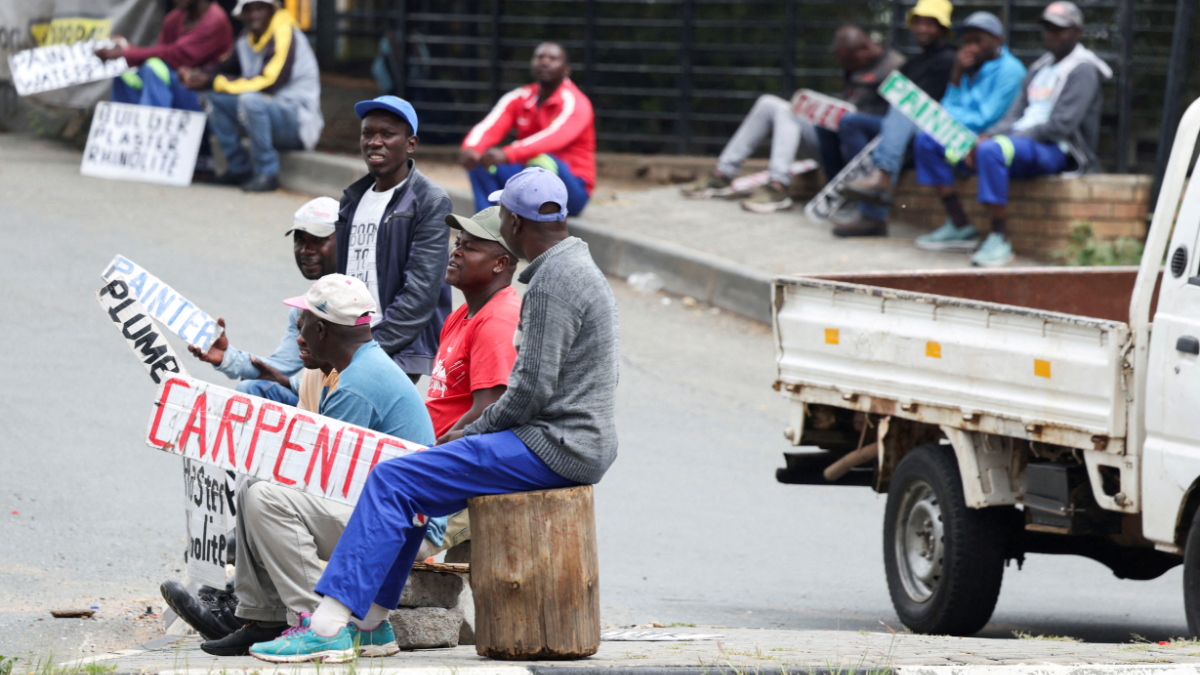
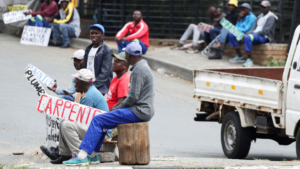
The high-altitude, landlocked kingdom encircled by South Africa is struggling with high unemployment and fresh job losses.
Lesotho is considered a lower-middle-income country. Almost half of its population is below the poverty line, and the country’s HIV/AIDS prevalence rate is the second-highest in the world.
Its economy is based on agriculture, livestock, manufacturing and mining, and depends on inflows of workers’ remittances and receipts from the Southern African Customs Union (SACU).
Last month, Bloomberg reported that a temporary pause on US tariffs has brought little relief to Lesotho’s textile industry.
It has suffered layoffs and shuttered factories after orders from America dried up due to the impact of the tariffs.
“US buyers are not placing orders because they don’t understand what is going to happen and there is still no clarity from the USTR,” Lesotho’s Trade Minister Mokhethi Shelile said.
The southern African mountain kingdom’s biggest industry is textiles and the United States is its largest export market.
It employs 12,000 people and supports 40,000 indirect jobs, selling clothes to US retailers such as Walmart and JCPenney.
Following these developments, the African Development Bank (AfDB) Country Focus Report on Lesotho painted a dire picture.
The country’s economic growth of 2.4% in 2024 is expected to fall to just 1.1% this year and 0.5% in 2026.
The report says the slowdown is driven by declining Southern African Customs Union revenues, a decrease in foreign aid, and rising trade-related risks.
Another blow is the cancellation of the $300-million Millennium Challenge Corporation second five-year compact.
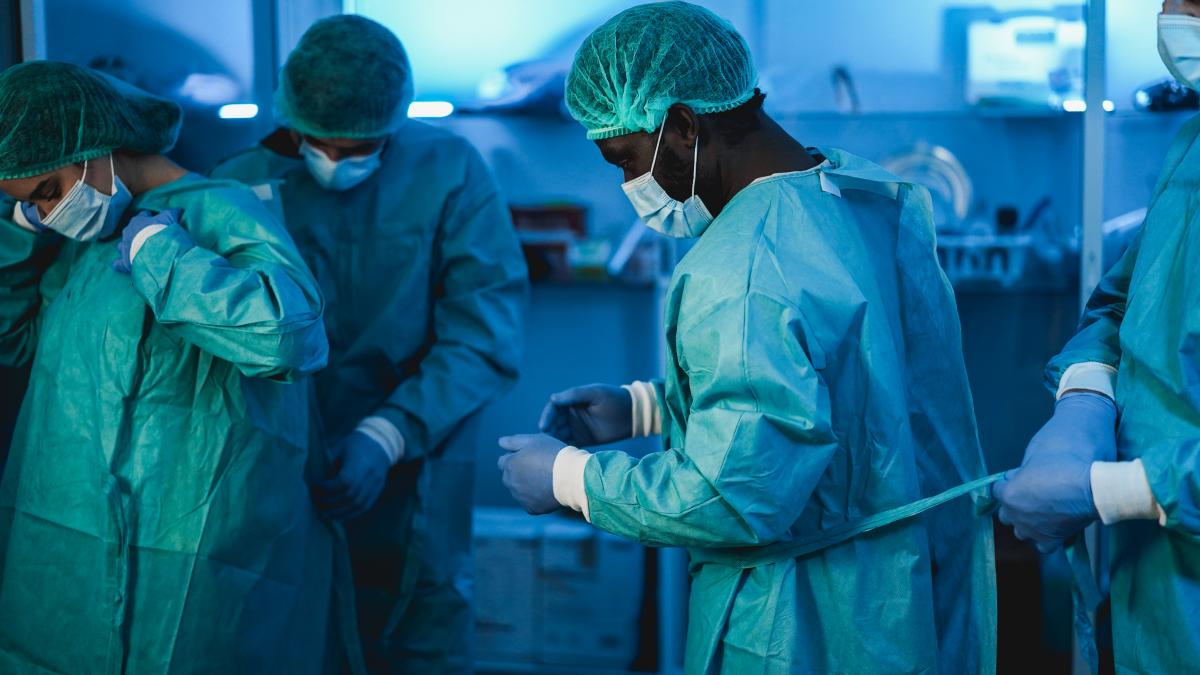
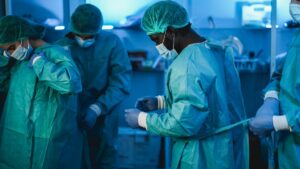
Aid cuts have hit Lesotho’s health sector hard. The sudden termination of US aid programs has resulted in the loss of about 1,500 healthcare jobs.
The termination also severely undermined efforts in prevention, treatment, and outreach for HIV.
What makes these aid cuts even more damaging is Lesotho’s already underfunded health system.
The report says Lesotho now has only 21 health workers per 10,000 people, far below the World Health Organisation’s recommended minimum of 44.
At the same time, Lesotho’s key export sector, textiles and apparel, is under threat. The US has imposed a 50% tariff on Lesotho, temporarily reduced to 10% until 1 August.
While this reduction offers some relief, AfDB warns that the long-term consequences could be severe.
Lesotho’s textile industry has long depended on duty-free access to US markets, which make up 47% of its shipments, valued at over $200 million annually, and account for nearly 13% of GDP.
The AfDB warns that the tariffs could lead to a 20 to 30% decline in orders, a loss of over R1 billion in exports.
“This could push GDP growth below 1%, especially if factory closures or layoffs increase,” the report says.
“Lesotho may face further declines in investment, factory relocations, and job losses in its already fragile manufacturing sector, which could reduce tax revenue.”
The AfDB warns of increased rates of poverty, which, together with inequality, are major issues in Lesotho.








 Loading ...
This should be a warning for South Africa. However, it is unlikely to change much in terms of the ANC’s thinking around BEE and expropriation.