
South Africans are flocking to security estates



Houses in gated, residential estates now account for more than 490,000 homes nationwide, nearly four times the number recorded in 2003.
This is according to research from Real Estate Investor. Researchers found that “two decades ago, gated estates were a small slice of the housing market. Today, they’re one of its strongest growth engines.”
Lightstone data shows that freehold homes made up 66% of all sales in 2009. By 2023, freehold home sales dropped to 56%, while sectional titles rose to 29%.
Homes in residential estates are, on average, double the price of a freehold property. South Africans are seemingly paying this high price for the convenience and security offered by the estate lifestyle.
“The appeal is obvious,” said Richard Gray, CEO of Harcourts South Africa. “In a country where security remains a primary concern, these estates offer peace of mind alongside lifestyle benefits.”
Researchers say, however, that the appeal of these estates goes beyond security. These developments offer private infrastructure, backup power and water security, making them self-sufficient micro-cities within a broader urban area.
“There are some issues at play,” Property Economist François Viruly told Newsday. “A particular sector of the market has managed to extricate itself from the urban environment through gated communities.”
“Safety has a role to play, but it is also a reflection of municipalities that are unable to provide a reasonable urban environment and related infrastructure.”
Most South African gated communities are located in Gauteng and the Western Cape, with the most expensive estates found in the Western Cape.
The Western Cape is home to 10 of the most expensive estates in the country, with homes averaging up to R27 million in sales prices.
The most expensive is Silverhurst Estate, nestled in Constantia Valley. The estate’s Cape-Dutch style homes are guarded by 24/7 security and biometric technology to ensure safety.
Gauteng, on the other hand, has the most gated estates. According to the African Investor, 25% of Pretoria’s homes will be in gated communities by the end of 2025.
While this is part of a global trend towards estate living, the Africa Wealth Report found South Africa to be a global pioneer in this type of property development, with some of the best-rated in the world.
Gray warns that this exponential growth in the gated estate sector is evident, but there will be challenges for these communities going forward.
While the demand is high, he warns that “we need to ask whether this ‘gold rush’ is building sustainable communities or creating exclusive enclaves that price out locals.”
Viruly said that these communities are not the answer to South Africa’s housing crisis.
Locals being priced out
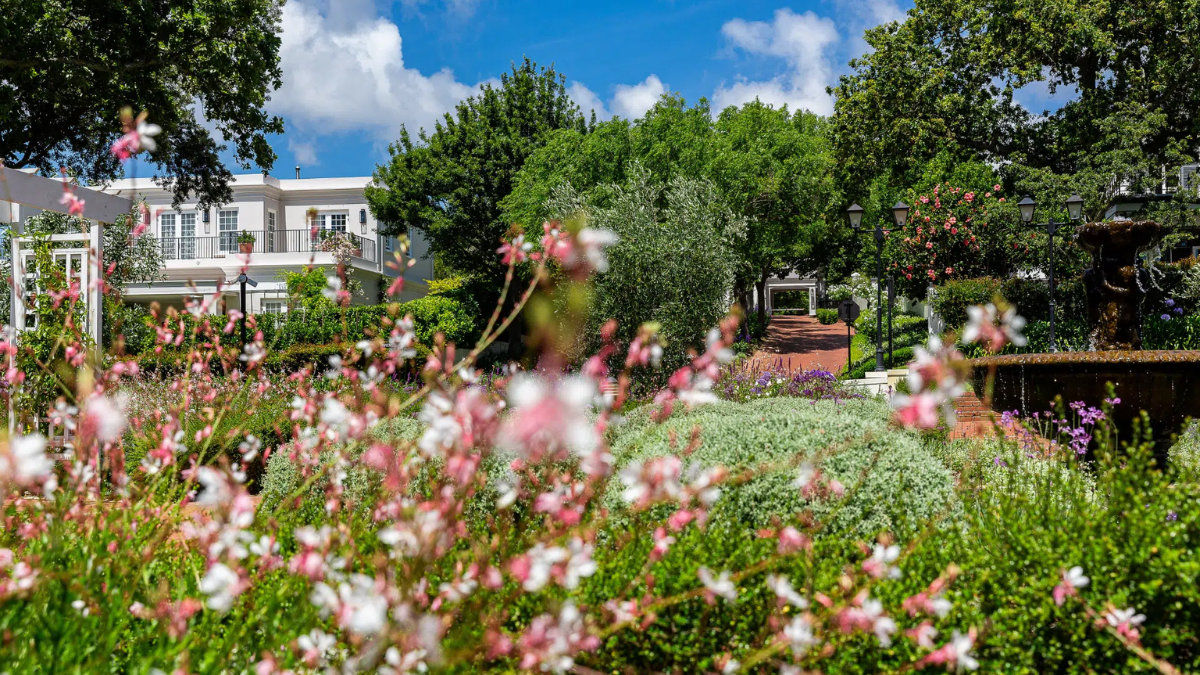
These developments range from top eco-estates such as Zimbali Coastal estate near Balito, known for its forest and birdlife, to golf estates and mini cities, offering everything from schools to churches on site.
Steyn City in Johannesburg is regarded as one of the best-designed estates in South Africa, with its own retirement home and properties ranging from small apartments to grand, million-rand mansions.
Some of these estates, such as the Fancourt estate in George, are built around amenities like championship golf courses.
“Midstream Estate in Gauteng has evolved into what many consider South Africa’s most successful security estate, complete with its own schools, hospitals, and commercial infrastructure,” said Gray.
The trend slows no signs of slowing down, with new residential estates popping up around the country every year.
“Ballito has seen record growth for the third consecutive year, with R5 billion spent on residential property alone,” notes Gray.
According to Century 21, some upcoming estates include Orchard Hills in Hoedspruit, with large, spacious stands and 26 exclusive units.
This is one of two upcoming exclusive Hoedspruit developments. Leopards Lane estate is also being constructed for a select community to live in the beauty of the Lowveld.
Other developments in the construction phase include Knightswood in Sandown, Spartacus Security Lifestyle Village in Laguna and Welgedaan Secure Estate in Saldanha Heights.
Additionally, Cedar Creek Corner in Fourways, Simbini Lifestyle Estate in Malelane, and the Waterfront estate in Bela Bela are also in the works, to name a few.
The bubble will burst for high-end estates
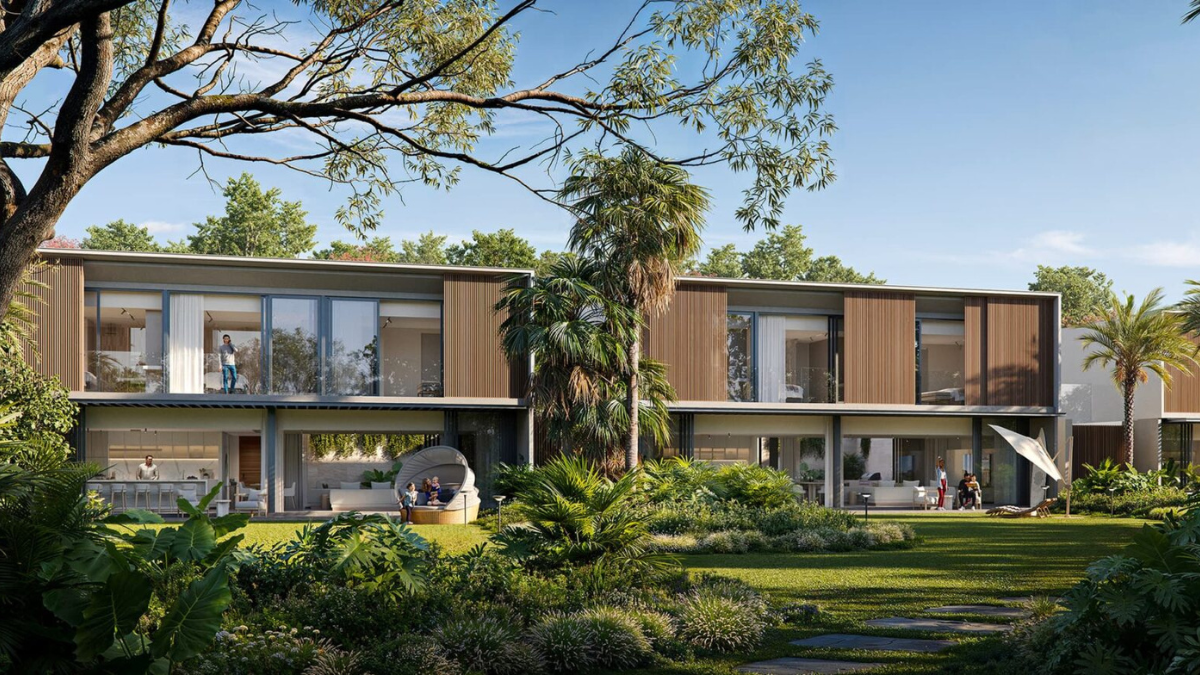
A significant new entry into the gated estate market is the Beachwood Coastal estate along the North Coast of Durban, costing R3.5 billion.
The estate lifestyle is also valued for its ecological properties and experience of living close to nature. Due to this, 50% of this high-end estate will be dedicated to green, open space.
According to developers, demand for the estate, which will feature a nine-hole golf course and beach access, is already high.
Gray warns, however, that the market may be approaching saturation in some areas, with development outpacing demand.
With entry-level properties in most of these estates being well above the national average selling price, and additional costs like levies and maintenance, local residents are increasingly finding themselves outpriced in their own neighbourhoods.
This risks estates becoming small bubbles of monocultures, losing the diversity that makes communities sustainable.
Gray believes the bubble will soon burst for estates that cater only to high-end buyers with no affordable options available, and those that exist in isolation from the surrounding community.
Viruly explains that the greater challenge will be creating an urban environment that supports the entire market.
“It is worth emphasising that 70% of the 7 million residential title deeds in South Africa are valued below R1.2 million,” he said. “This is THE South African property market.”
Viruly hopes to see urban environments that cater to the needs of South African households and overcome exclusionary housing outcomes we are currently dealing with in the future.
“The developments that will thrive long-term are those that balance exclusivity with inclusivity, security with community integration, and luxury with sustainability,” said Gray.








 Loading ...