
Violent land grab in a millionaire coastal town in South Africa


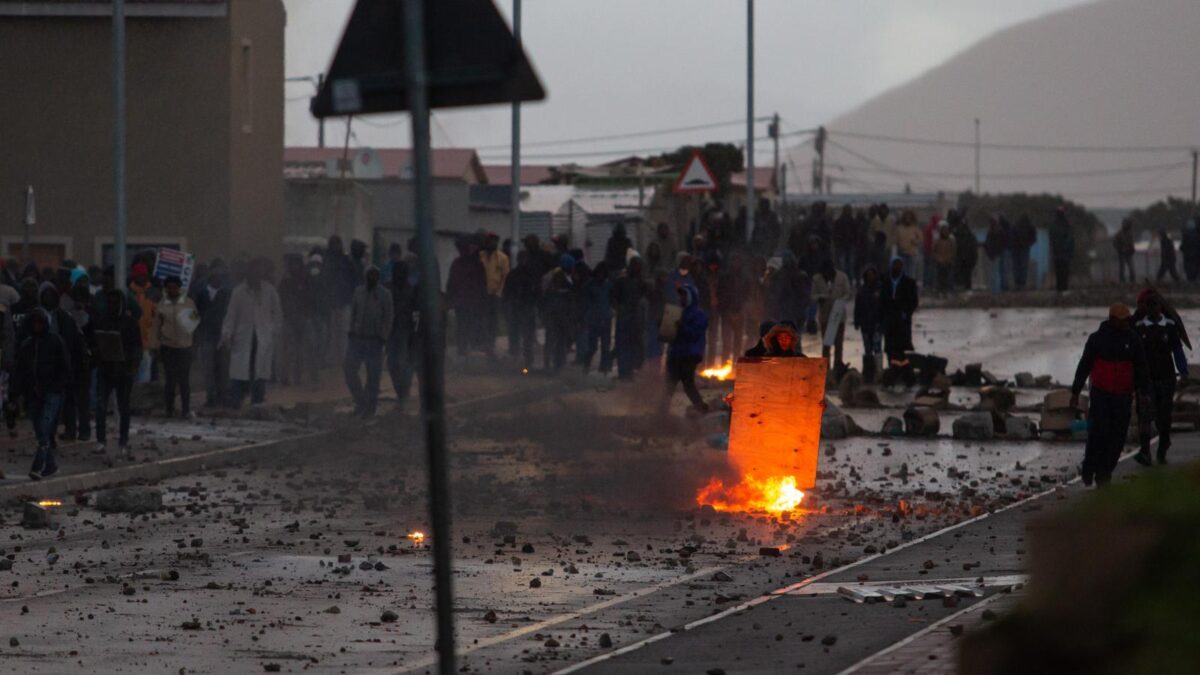
The violent land grabs in Hermanus in 2018 highlight the weaknesses in South Africa’s legal system and the impact of illegal occupation on the community.
This is the view of Joe Emilio, the man behind the popular documentary, Stolen Ground: The Hermanus Story.
He shared details about the land grab in Hermanus with Ernst van Zyl, the head of public relations at AfriForum, during an interview about his film.
Emilio said that starting in 2018, the community movement Zwelihle Renewal led public protests around housing.
When negotiations broke down, hundreds of residents began tearing down fencing and marking off plots in Schulphoek, an area in Hermanus.
Soon after the land grabs, shack farming started, where syndicates construct and rent out structures on land they do not own.
What was striking about this land grab was the violence it involved and the damage it caused to a protected Milkwood forest.
“JP Smith, Cape Town’s Mayoral Committee Member for Safety and Security, told me that it has been the most violent land grab in the Western Cape,” Emilio said.
He also pointed out that Schulphoek in Hermanus is known for its protected coastal Milkwood forests and Strandveld vegetation.
“Milkwoods are an endangered species. If it’s growing in your backyard, you need a permit just to prune it,” he said.
“This raises the question of how the land grab in Hermanus allowed people to destroy a protected forest and build shacks there.”
The authorities’ failure to remove land occupiers in a timely manner and politicians’ encouragement of land grabs caused a problem for the popular town.
“A devastating truth is that people in power at that time simply lacked the political will to do anything about it,” he said.
Problems for Hermanus residents
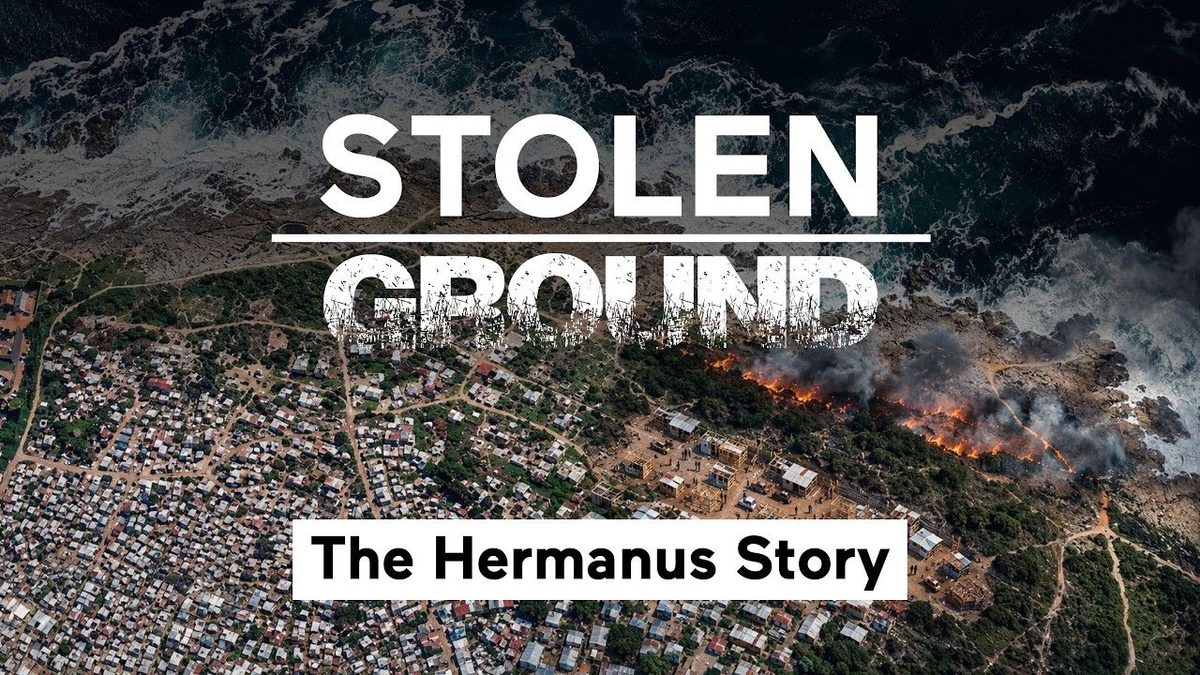
These land grabs and the growth of informal settlements caused numerous problems for residents in Hermanus and Sandbaai.
During peak unrest, community facilities, including the public library, police station, and municipal buses, were damaged.
After the dust settled and the illegal shacks became a permanent feature, Hermanus residents faced increased crime and environmental problems.
Illegal clearance destroyed portions of protected coastal Milkwood trees and Milkwood forest ecosystems, resulting in vegetation loss.
The rapid population growth also outstripped municipal capacity, leading to issues with water, sanitation, and refuse removal.
Widespread illegal electricity connections led to recurring transformer trips, fire risks in high-density shacks, and friction with neighbouring formal developments.
There were also protests and highway shutdowns, which impacted Hermanus’s tourism-driven economy, hospitality businesses, and local employment.
One of the biggest problems, Emilio said, is the Prevention of Illegal Eviction from and Unlawful Occupation of Land Act 19 of 1998 (PIE Act).
He explained that once structures are erected and occupied, the PIE Act prohibits eviction without a court order and without providing alternative accommodation.
In this case, it left the Overstrand Municipality and private landowners locked in protracted legal battles as they struggled to prevent overnight expansions.
This means that the illegal land occupiers’ rights are protected, while legal residents and landowners have to pay lawyers to fight for their rights.
You have read 1 out of 5 free articles. Log in or register for unlimited access.









 Loading ...