
Iconic South African shipwreck loved by hikers and divers rusting and falling apart into the ocean


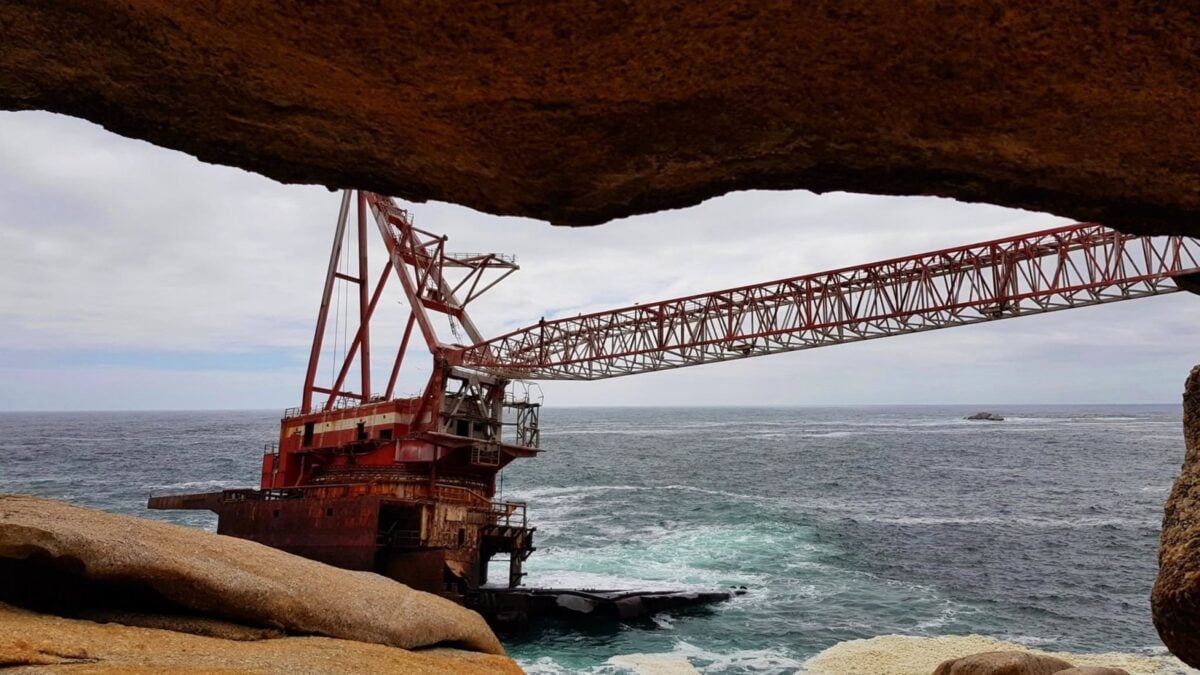
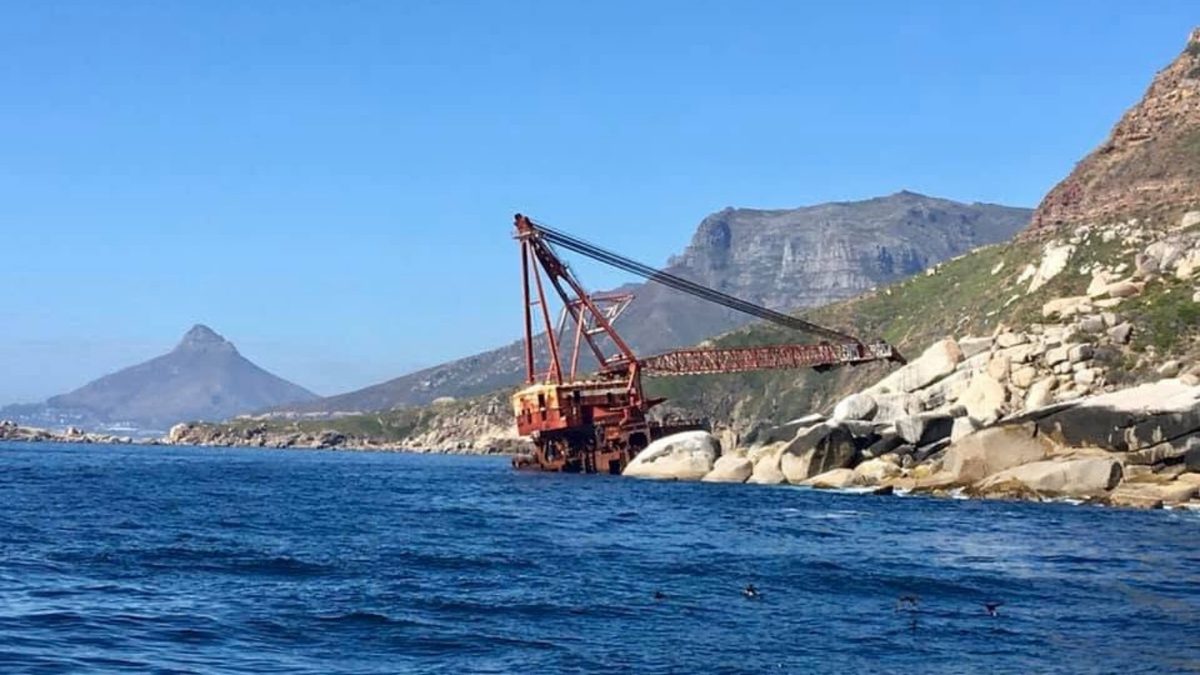
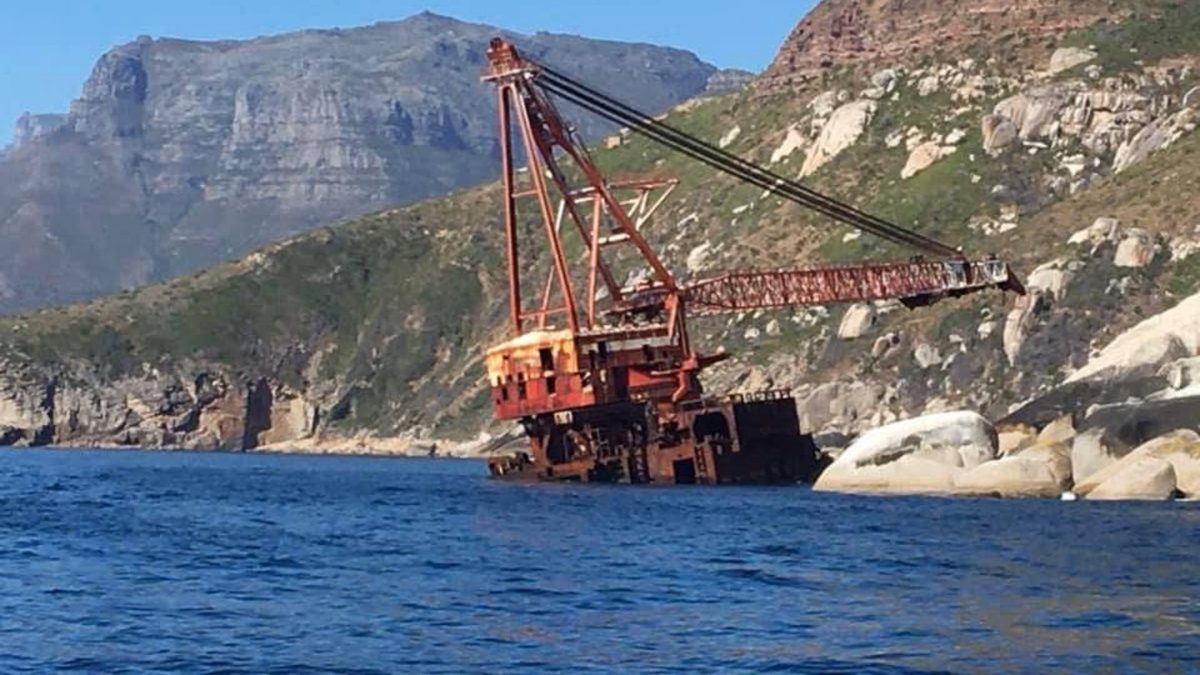
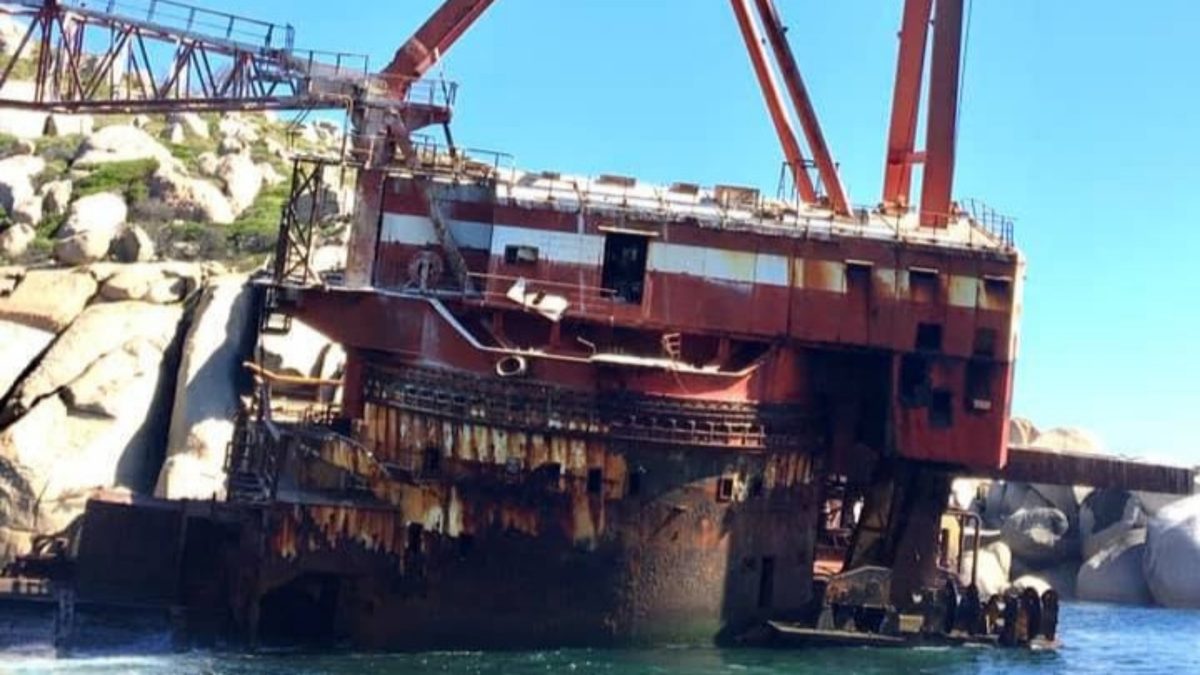
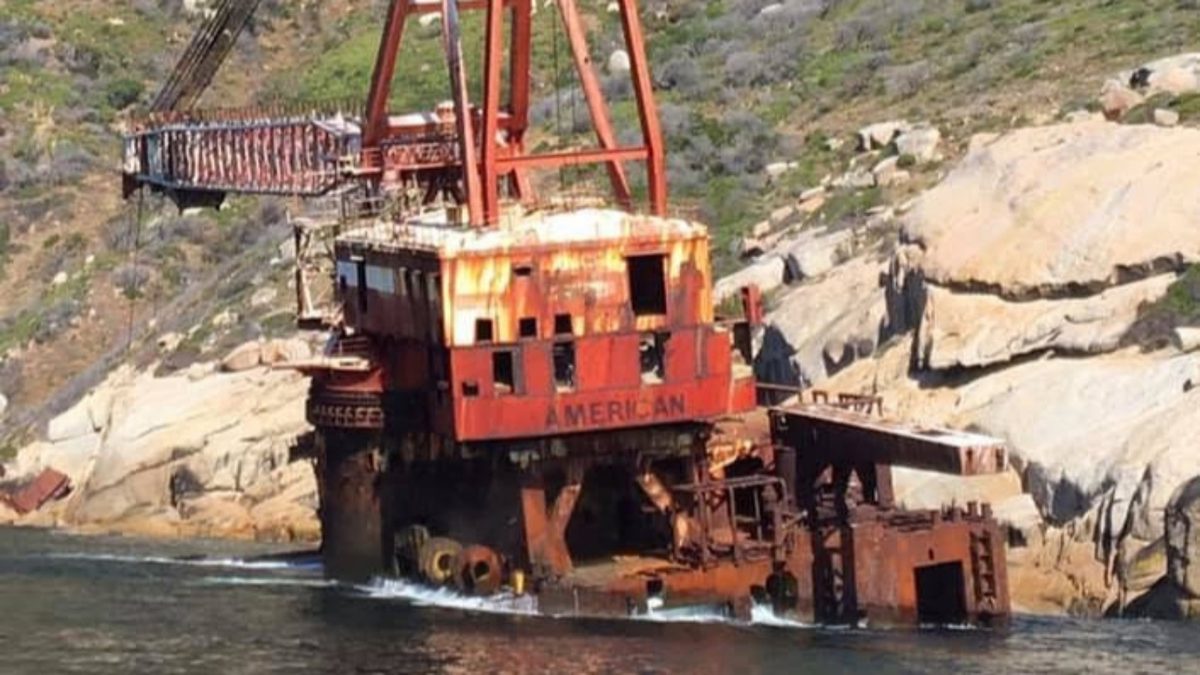
The BOS 400 shipwreck near Cape Town, a popular spot for hikers and ocean divers, is rusting and disintegrating in the surrounding ocean.
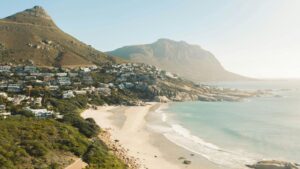
The shipwreck is located near Karbonkelberg in Maori Bay, a remote coastal cove on the Atlantic Seaboard of the Cape Peninsula between Hout Bay and Llandudno.
The French crane barge ran aground at Duiker Point during a storm on 26 June 1994 while being towed by the Russian tugboat Tigr.
Tigr, which was built in 1987 in a Polish shipyard, had been chartered to tow BOS 400 from Pointe-Noire in the Republic of the Congo to Cape Town.
While tugging the over 12,000-tonne barge, a force 9 northwesterly gale caused the tow cable to snap, sending BOS 400 to drift into the rocks just south of Sandy Bay.
The wreck of the BOS 400 sits directly atop the wreck of the SS Oakburn, a wooden British cargo steamer which ran aground there on 21 May 1906, resulting in the loss of two lives.
Several attempts were made to tow the BOS 400, but were abandoned due to the heavy damage the vessel had sustained and the difficulty in rescuing it.
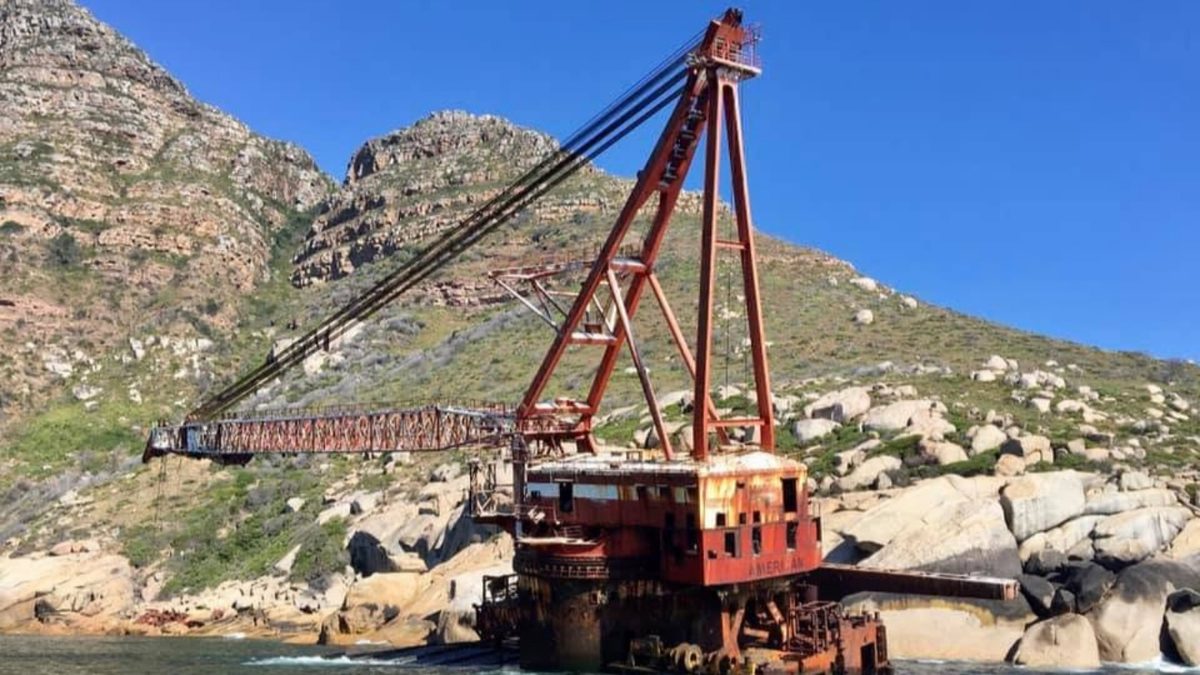
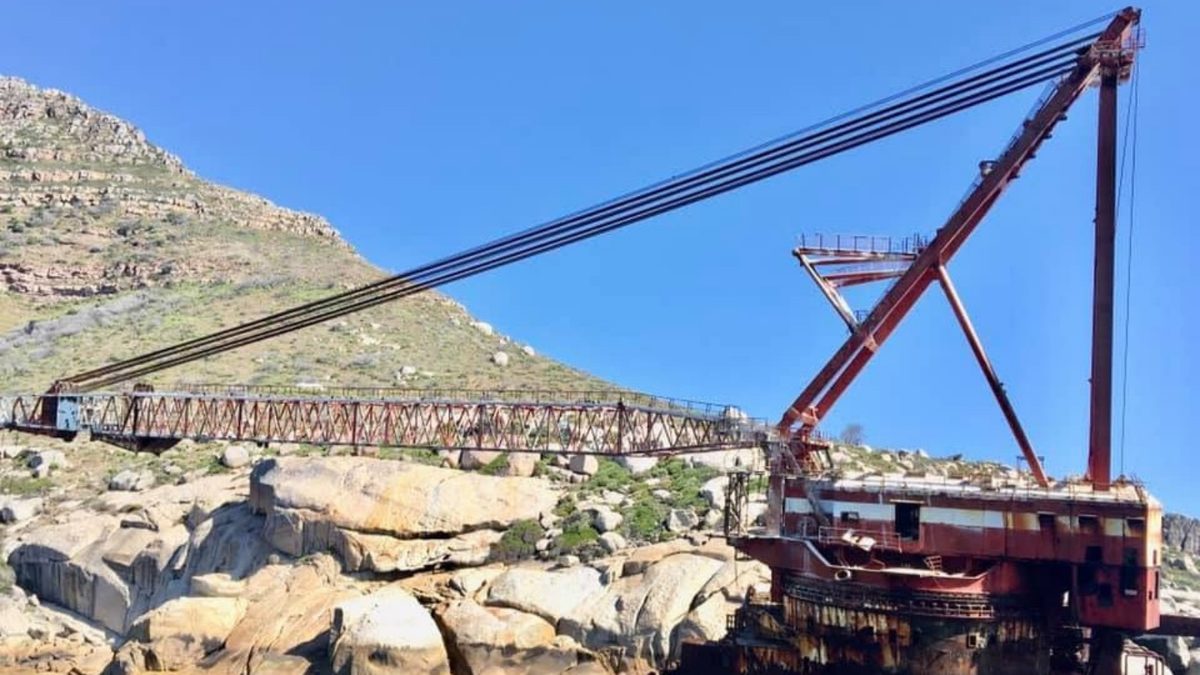
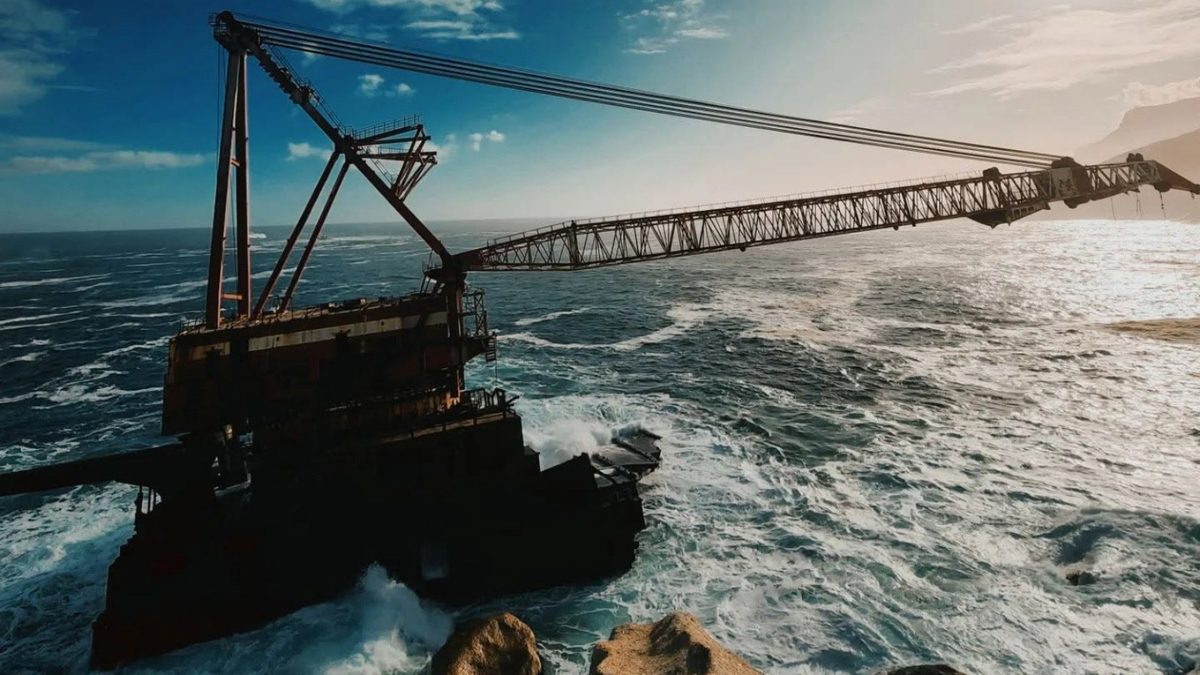
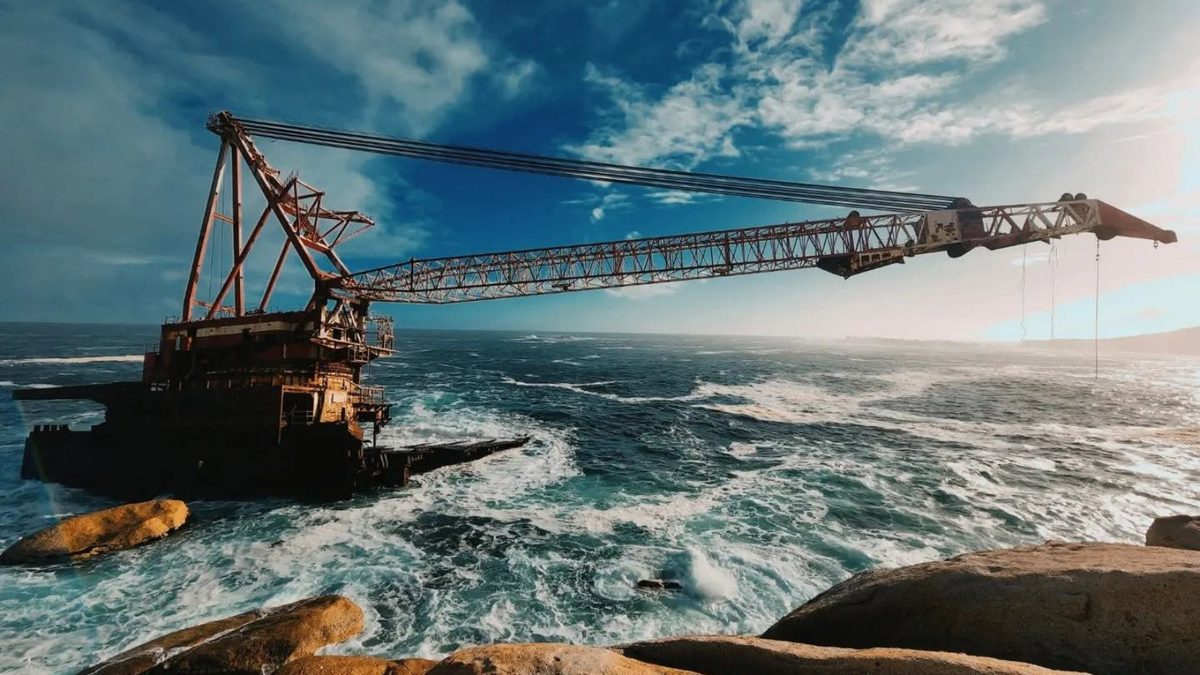
The ship has remained stranded on the rocks for over 30 years, with its large crane and part of the superstructure visible above sea level.
Following the accident, Tigr remained idle in the Cape Town docks from 1994 until 2000, when it was sold for $625,000 (approximately R4.3 million).
Over the years, the wreck of the BOS 400 has become a popular tourist destination in the area, with a nearby coastal hiking trail named after the ship.
The trail, which begins in Hout Bay, takes hikers past the wreck of the BOS 400, as well as other notable shipwrecks in the area such as the Harvest Capella fishing trawler.
The location also became a highly popular spot for ocean divers looking to explore the remains of the BOS 400 and the SS Oakburn.
Breaking apart into the ocean
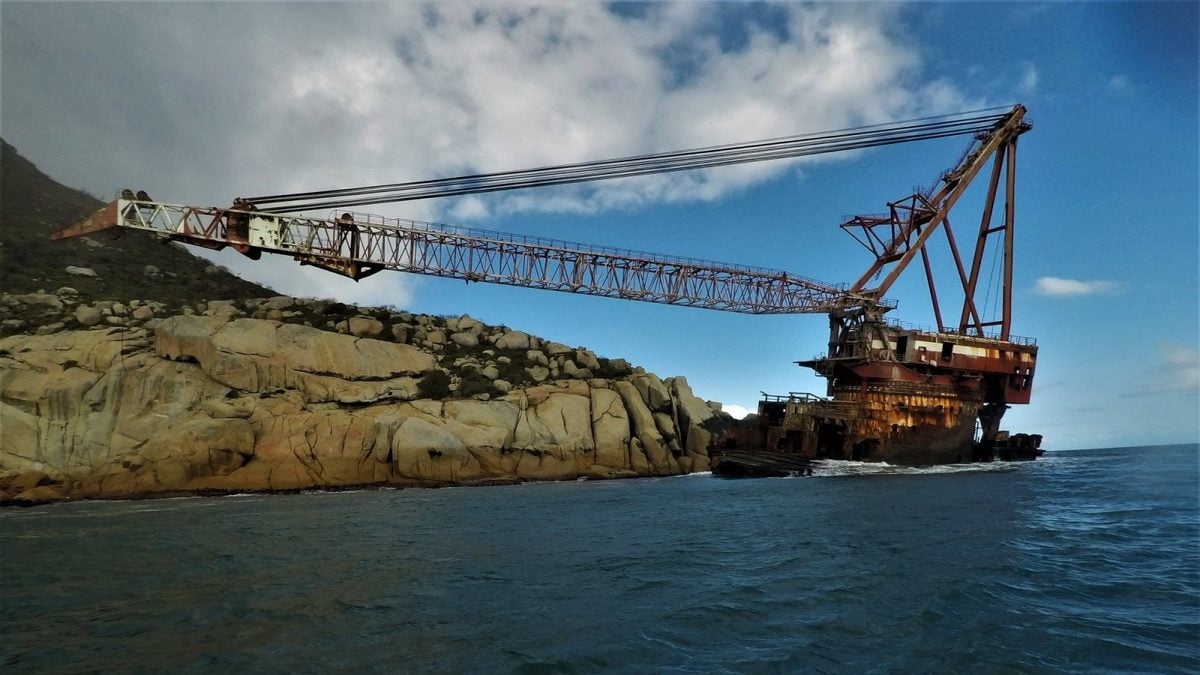
The structure of the BOS 400 has severely deteriorated over the decades, posing potential dangers for swimmers and divers looking to explore the shipwreck.
The ship’s helipad collapsed into the sea in September 2010, followed by the sinking of its aft section sometime in 2011.
This has left pieces of the rusted ship to stick out of the ocean, with just the front portion of the crane and its boom still standing above the surface.
The National Sea Rescue Institute (NSRI) has strongly discouraged people from swimming or diving near the wreck, saying it is highly dangerous due to the rapid structural decay and instability.
The site has been deemed to pose a risk of entrapment, collapsing ironwork, and dangerous surge conditions which could drag divers down.
The NSRI has also appealed to members of the public to refrain from climbing aboard the ship and diving off of the crane boom after a number of incidents over the years.
On 22 August 2021, two university students injured themselves after jumping off of the crane into the ocean below, with NSRI rescue crews dispatched to rescue them.
The two students were treated by NSRI first-aid personnel for serious injuries including lacerations, abrasions, and hypothermia.
A second incident occurred on 1 February 2023 when a 19-year-old male sustained injuries after diving from the crane boom of the BOS 400.
When the NSRI crew arrived to assist, they found the man recovering after having been pulled ashore onto the rocks by friends who were with him.
NSRI CEO Dr Cleeve Robertson has advised people to avoid the wreck of the BOS 400 due to its advanced state of deterioration, which leaves rusted steel in the surrounding water.
“Most of the wreck lies submerged just below the surface under the crane boom which, added to the considerable height, makes jumping into the water a potential suicide mission,” Robertson said.
“There have already been serious injuries at the site, and our greatest concern is that the next jumper may be fatally injured. The wreck should not be boarded, and the site is not safe to jump in the water.”
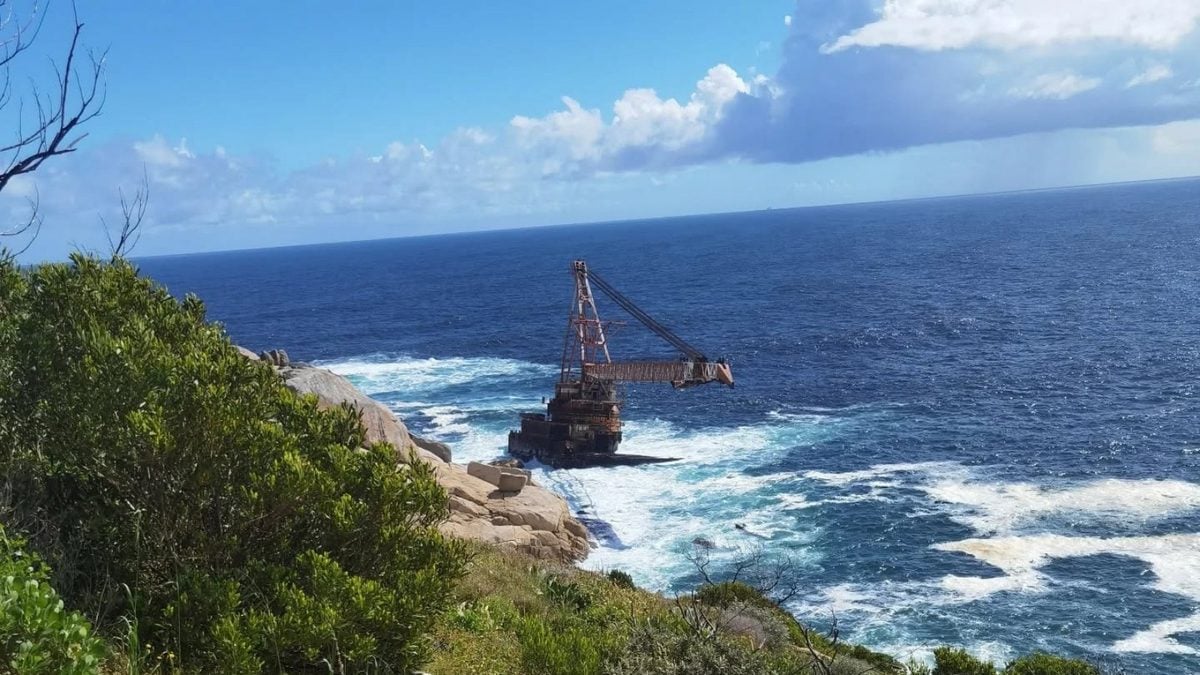
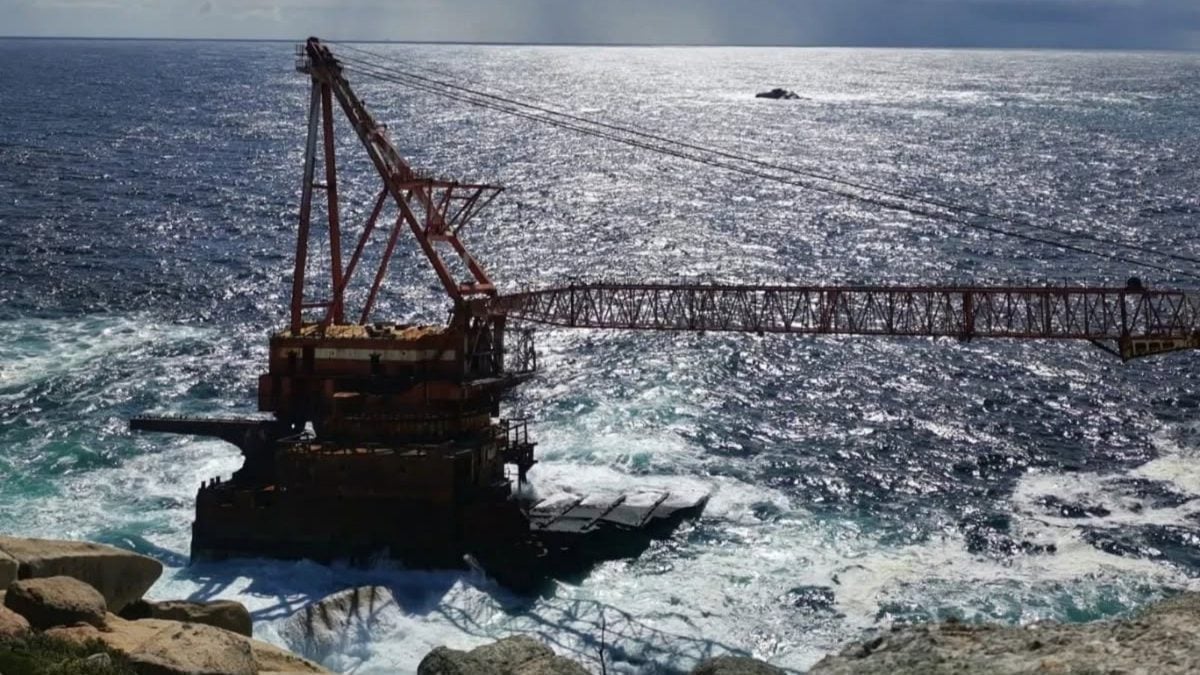
Photos of the BOS 400:
You have read 1 out of 5 free articles. Log in or register for unlimited access.







 Loading ...