
The South African mining town that was home to former Apartheid-era soldiers abandoned by the government


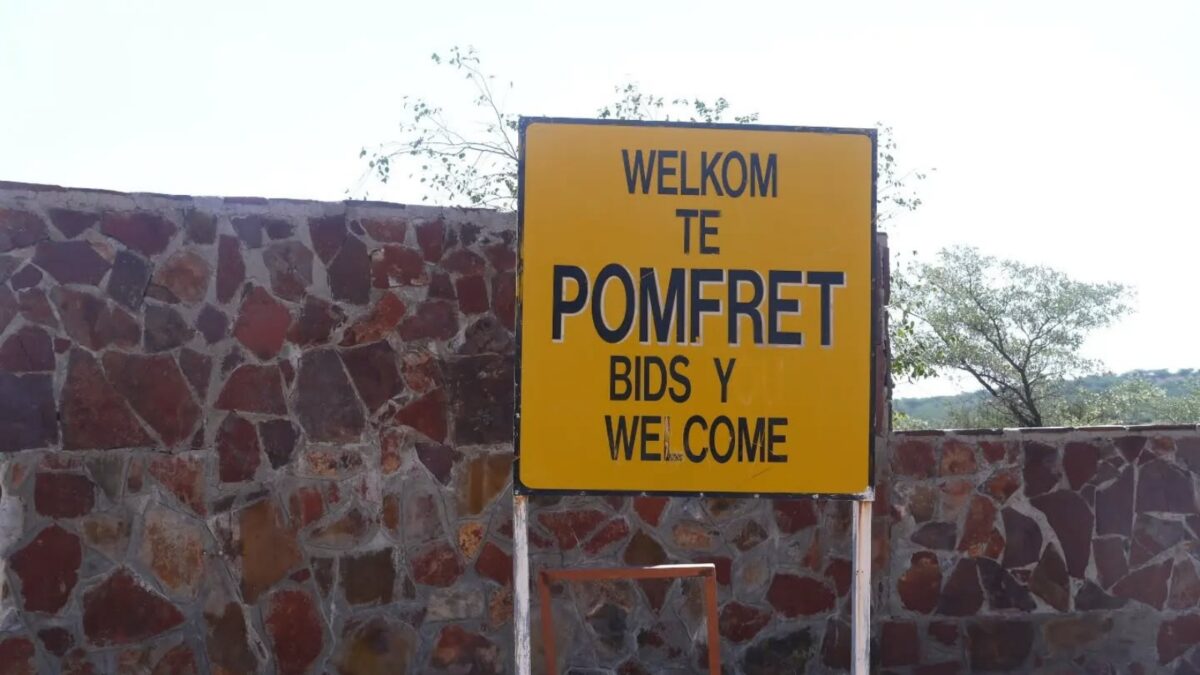
The town of Pomfret in the North-West has a sizable population of Portuguese-speaking soldiers from Angola who fought for South Africa’s former Apartheid government.
The town is situated in the Kagisano-Molopo Local Municipality, located 201 km north-west of the nearest large town, Vryburg.
Pomfret was established in the 1960s as a mining camp, centred around one of the largest asbestos mines in the country.
In 1989, the town became home to around 1,000 former soldiers of the 32 Battalion who had fought alongside the South African Defence Force in the Angolan Civil War.
The soldiers were relocated at the end of the South African Border War, in which 32 Battalion had become one of the most decorated units, earning 13 Honoris Crux medals.
The battalion was then used by the Apartheid government for counter-insurgency purposes, both along the country’s border and in its townships, during the final years of Apartheid.
This culminated in an incident in the Phola Park informal settlement in Ekurhuleni on 8 April 1992, in which 32 Battalion soldiers shot and killed members of the public.
As part of the negotiations between the National Party and the ANC regarding the end of Apartheid, the 32 Battalion was disbanded in March 1993.
The soldiers were granted South African citizenship, and many of them returned to Pomfret where they were housed in the old, repurposed military base.
Many of the soldiers were integrated into the 2 South African Infantry Battalion, which reformed in Pomfret on 1 July 1993 under Northern Cape Command.
When this battalion was moved to Zeerust in 1999, many former 32 Battalion soldiers elected to resign and remain in Pomfret, where they had established families.
Portuguese remains widely used in the town due to the Angolan roots of the soldiers and their family members.
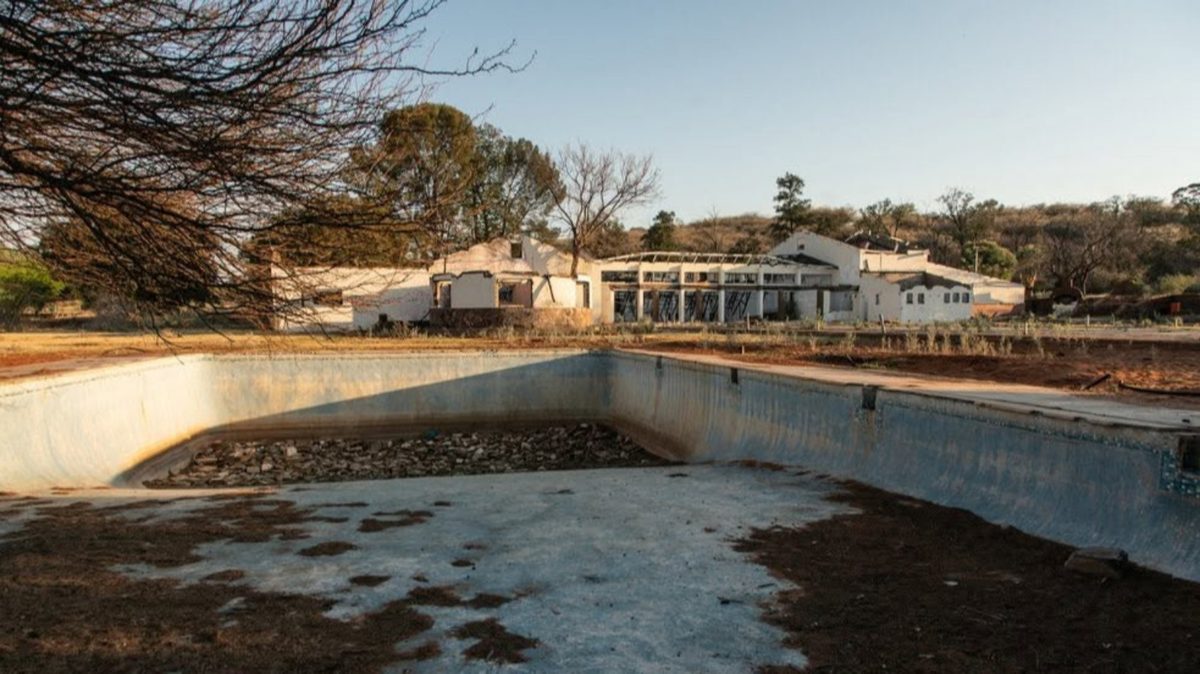
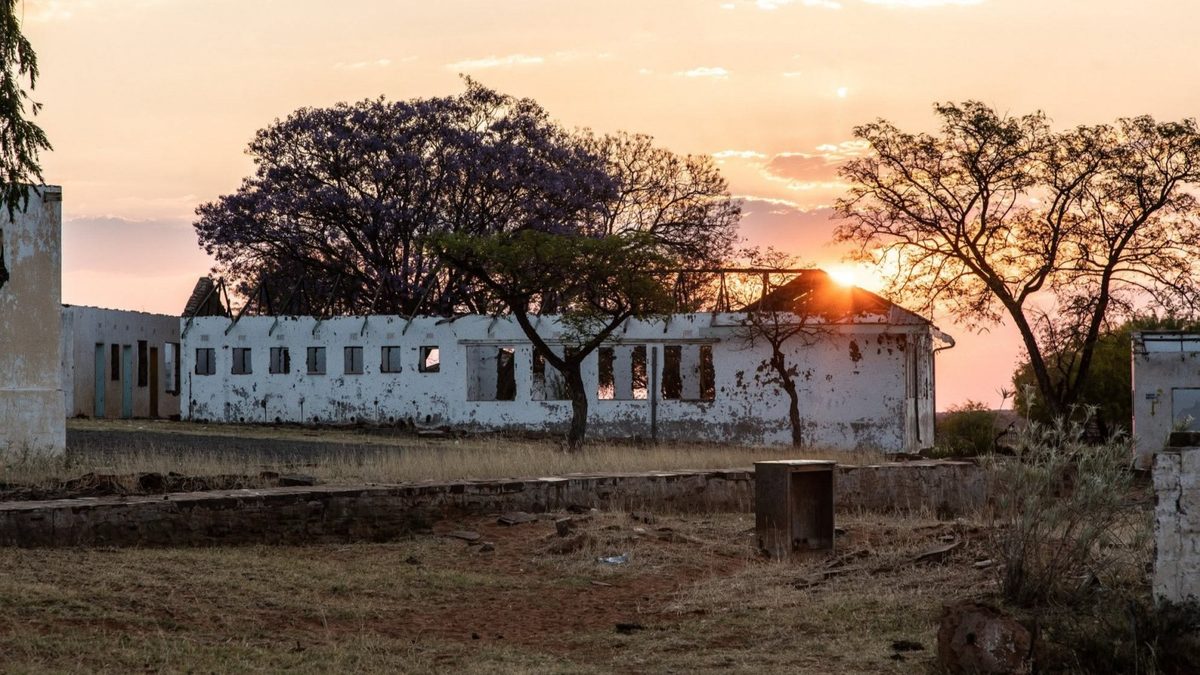
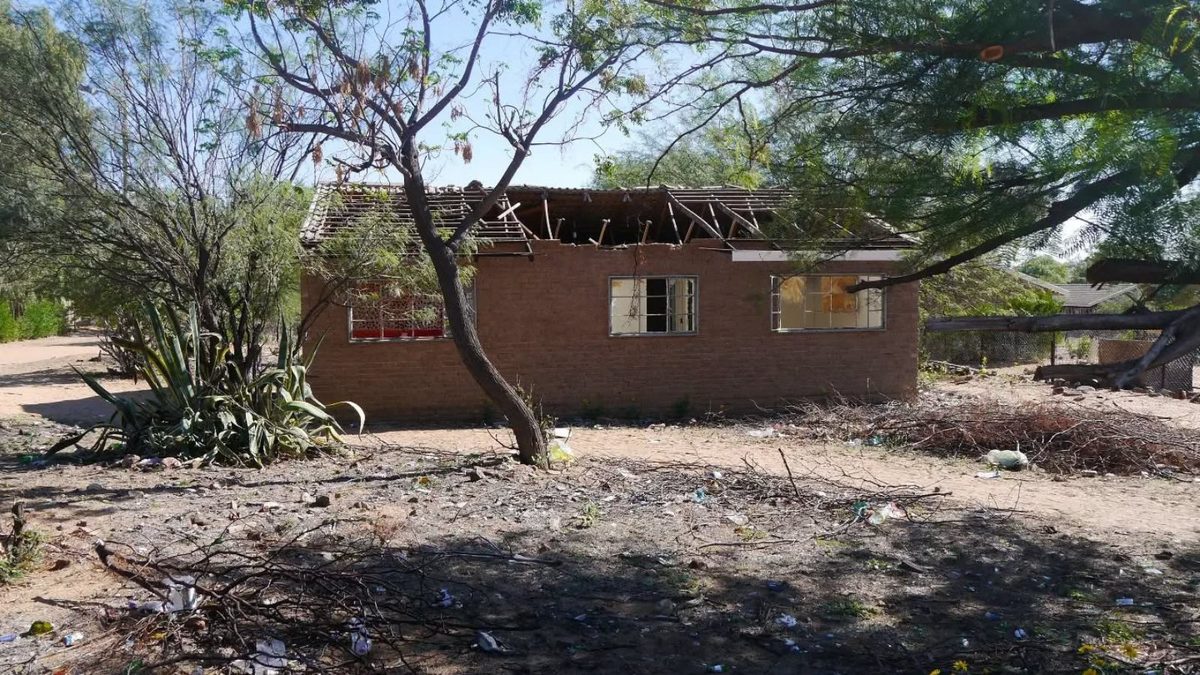
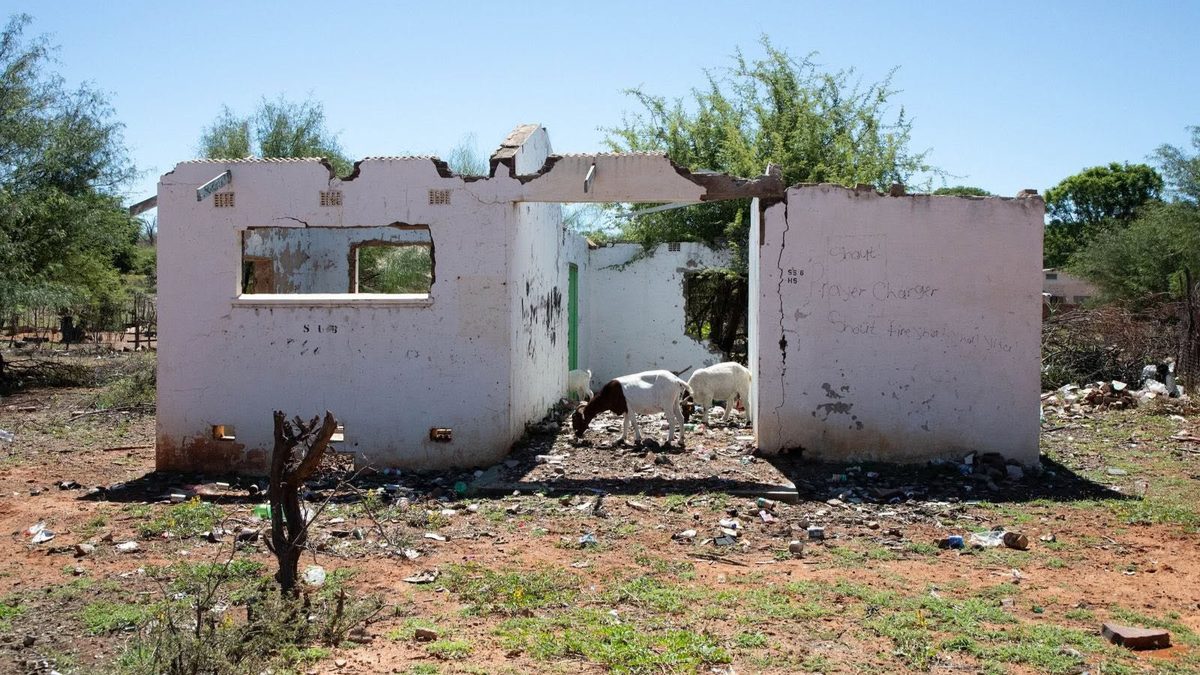
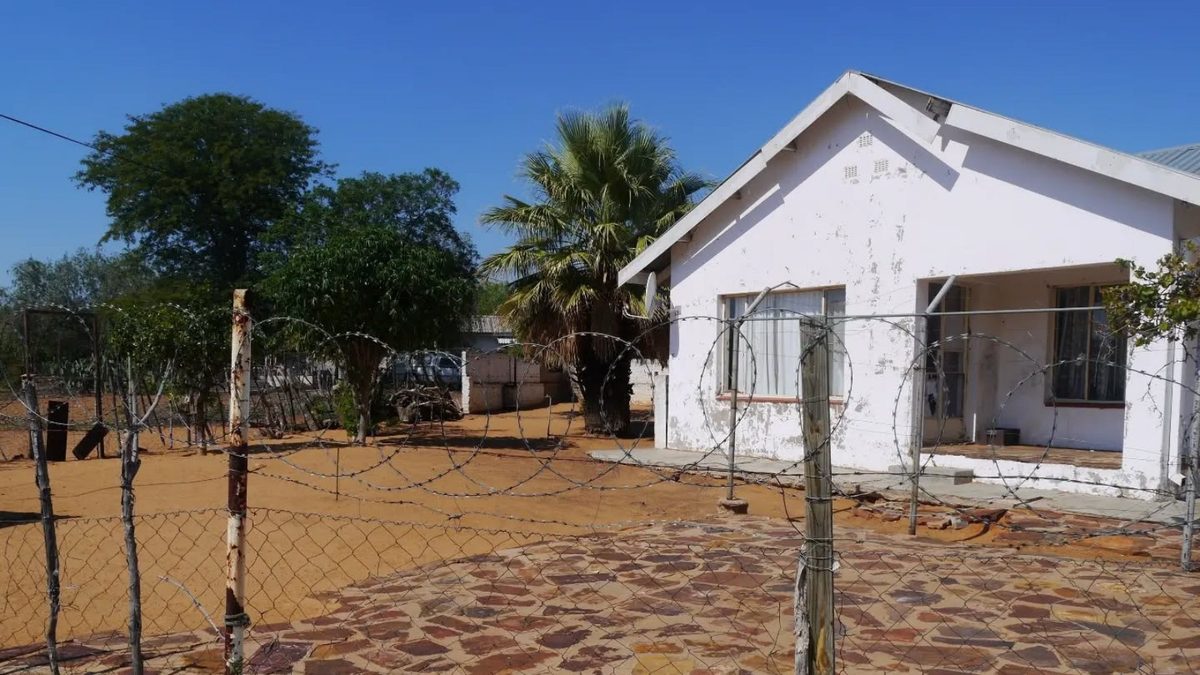
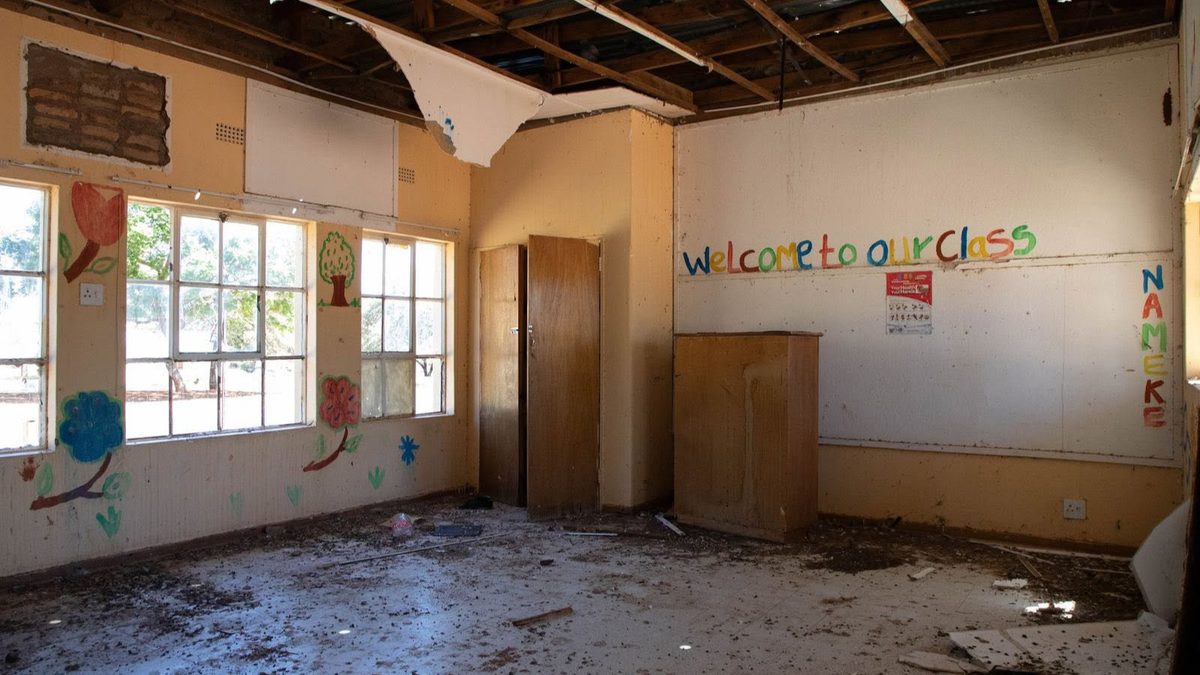
Pomfret is largely abandoned
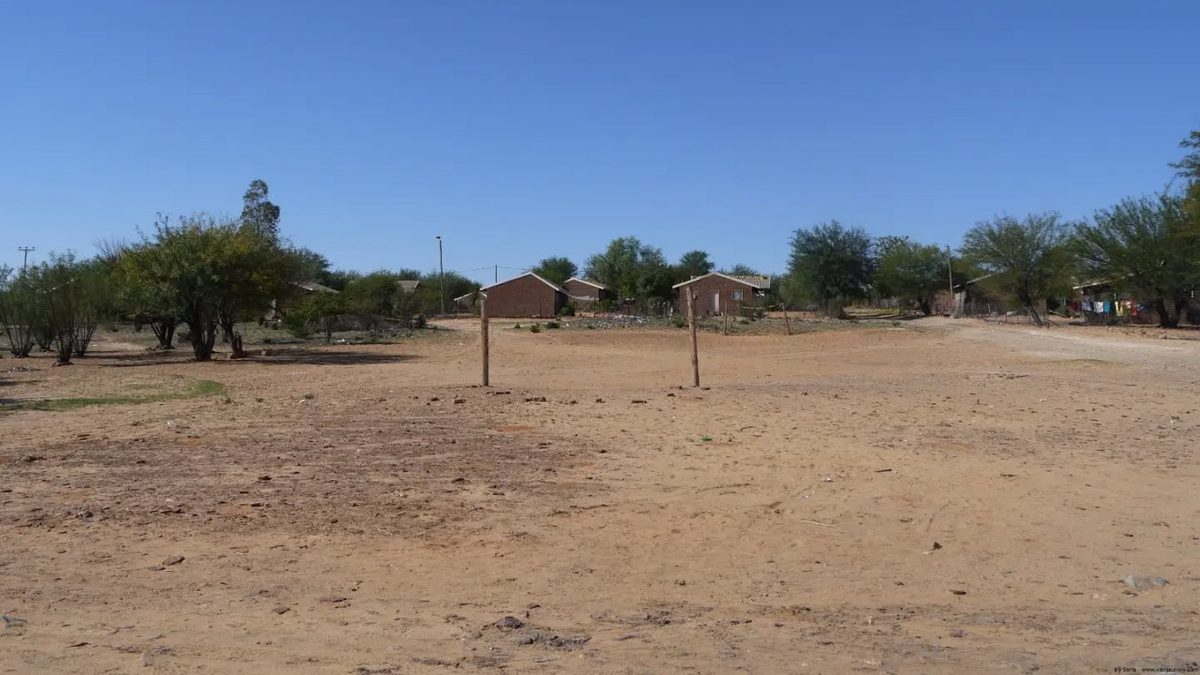
Today, Pomfret has been abandoned by the South African government, with its residents lacking basic services including water and electricity.
The blue asbestos mine, which the town was originally established around, was sold to the Department of Public Works and Infrastructure in 1988.
The mine was shut down shortly after, leaving the residents of Pomfret with few local employment opportunities.
This led many of the town’s residents to leave for work elsewhere. As of 2018, only 3,000 of the town’s original 6,000 residents remained.
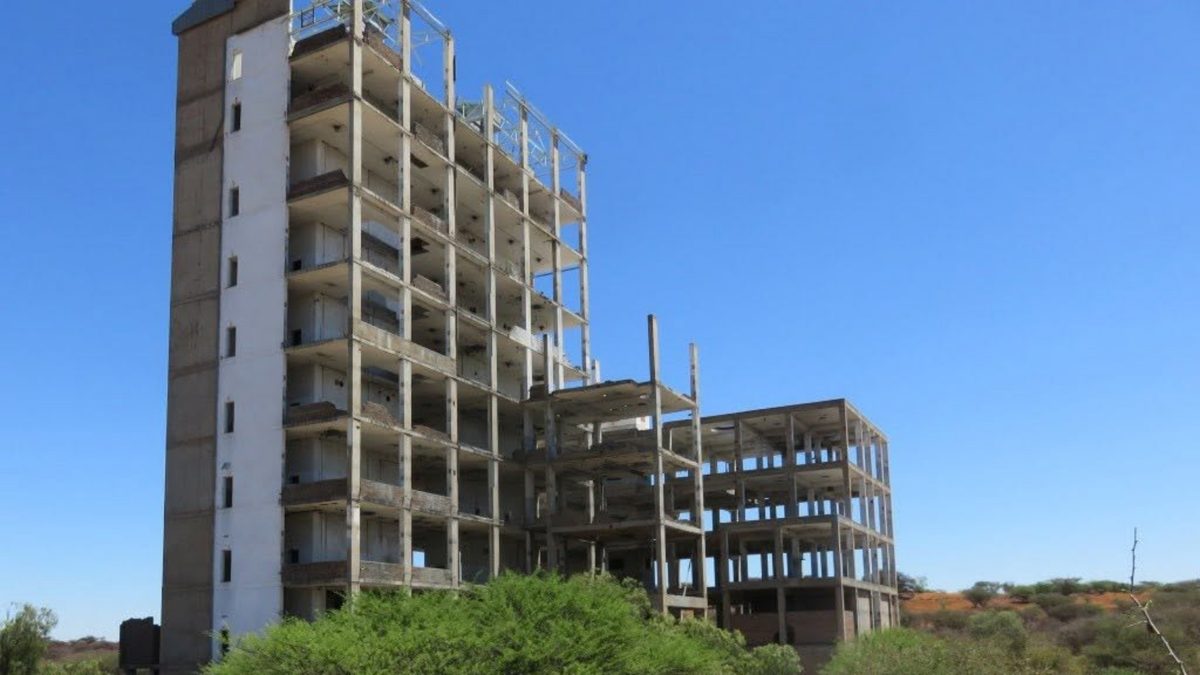
The town lacks many public services, such as police stations, clinics, and post offices. Much of its infrastructure has been looted or vandalised over the years.
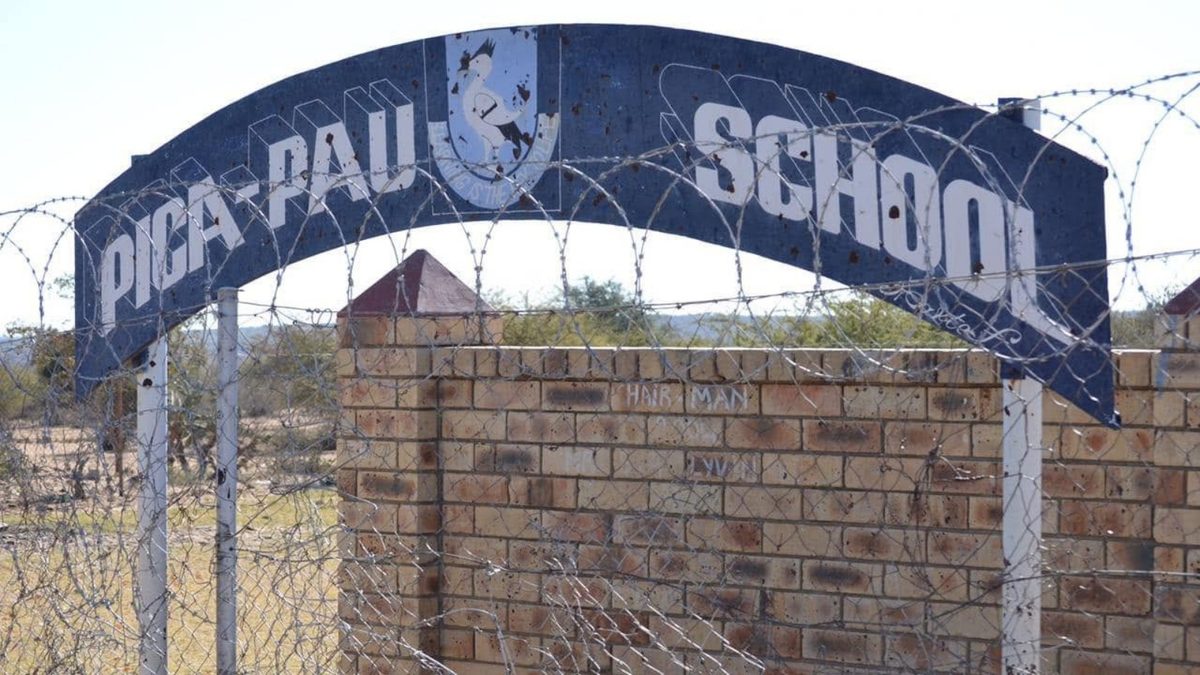
The town contains one school, which had 171 enrolled children in 2024, as well as a small number of convenience stores and a dilapidated but still functioning creche.
Eskom cut power to the town in December 2014, with the town’s water supply suspended shortly after, forcing residents to collect buckets of water from rain tanks or public boreholes.
An ally of the community approached the courts in 2021 to compel the government to provide basic services to the town, but these requests have gone unanswered.
Periodic government attempts to relocate the town’s residents to other towns in the North-West have occurred over the years, dating back to 2005.
The official reason given by the government for the relocation was the town’s proximity to the asbestos mine, which poses serious health concerns for the residents of Pomfret.
The residents of the town, however, believed it to be an attempt to erase the town’s ties to the former Apartheid government and its reputation as a place for hiring mercenaries.
A court interdict in 2008 temporarily halted the relocation attempts until 2017, when the South African government began discussions on reviving the relocation process.
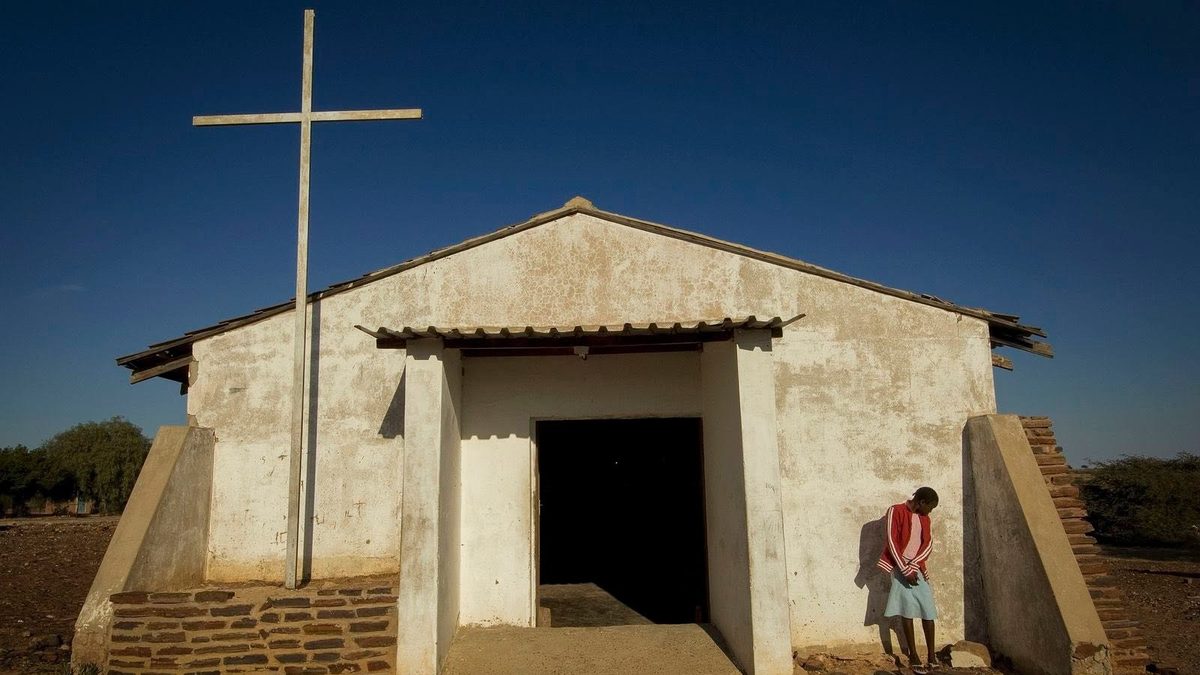
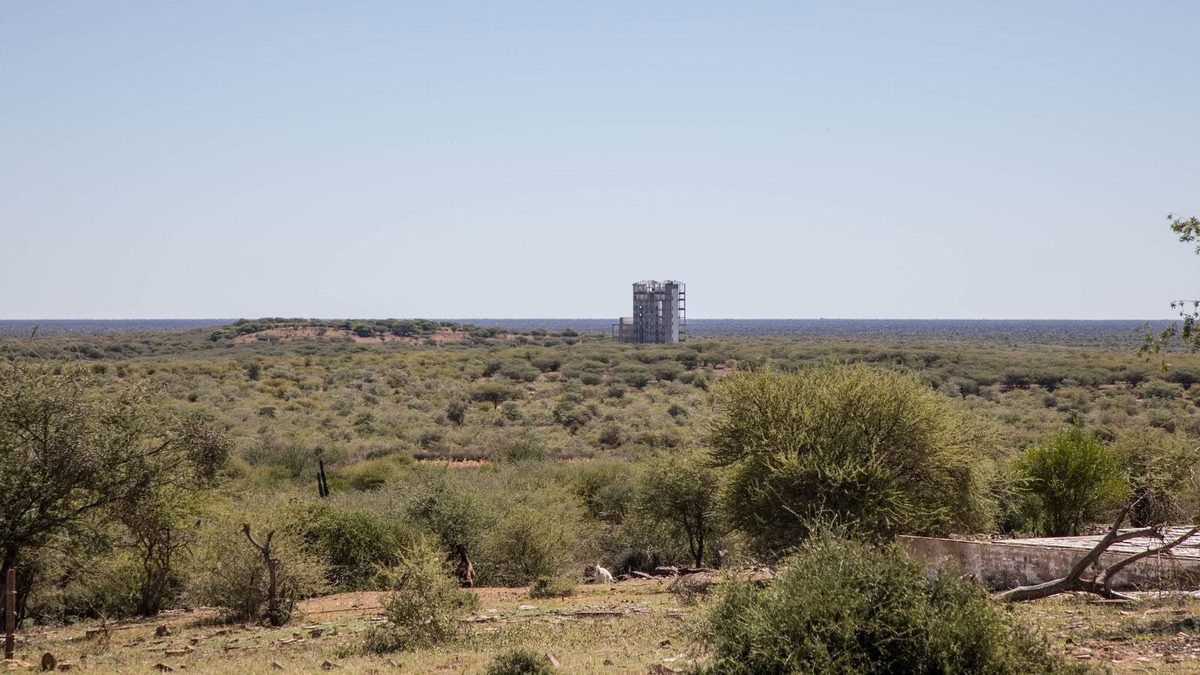
Photos of Pomfret
You have read 1 out of 5 free articles. Log in or register for unlimited access.









 Loading ...