
The controversial mining magnate, politician, and philanthropist who laid the foundation for South Africa’s economy



Cecil John Rhodes was a British businessman and a Member of Parliament in the Cape Colony who played a major role in laying the foundation for South Africa’s economy.
Rhodes was born in 1853 in Bishops Stortford, England, and attended the grammar school at Bishop’s Stortford.
Shortly after leaving school, Rhodes fell ill and suffered permanent complications with his lungs, and it was decided he would leave for South Africa.
Besides the local climate benefiting his lungs, Rhodes believed the business opportunities in South Africa would be more beneficial to him than remaining in England.
Rhodes arrived in Durban on 1 September 1870 and brought with him three thousand pounds, which he later invested in diamond diggings in Kimberly.
He was only 17 at the time, and following this, he spent a year managing a cotton farm in Natal on behalf of his brother Herbert, who had left for the Kimberly diamond fields.
Rhodes would follow suit and travel to Kimberly in 1871, where he helped supervise the work on his brother’s claim and speculated on his behalf.
In 1880, he and his business partner, Charles Rudd, founded the De Beers Mining Company and began expanding its influence over the diamond fields.
By 1888, Rhodes had consolidated the region’s mining operations under De Beers Consolidated Mining Ltd.
At this stage and going into the early 1900s, De Beers controlled an estimated 90% of the world’s rough diamond supply.
In 1881, Rhodes was also elected to the Cape Colony Parliament and served as the Prime Minister of the Cape Colony from 1890 to 1896.
His underlying agenda focused on economic expansion, leading him to invest in multiple infrastructure projects.
Rhodes eventually resigned his position and spent the remaining years of his life managing his private estates before his death in 1902.
Laying the economic foundations of South Africa
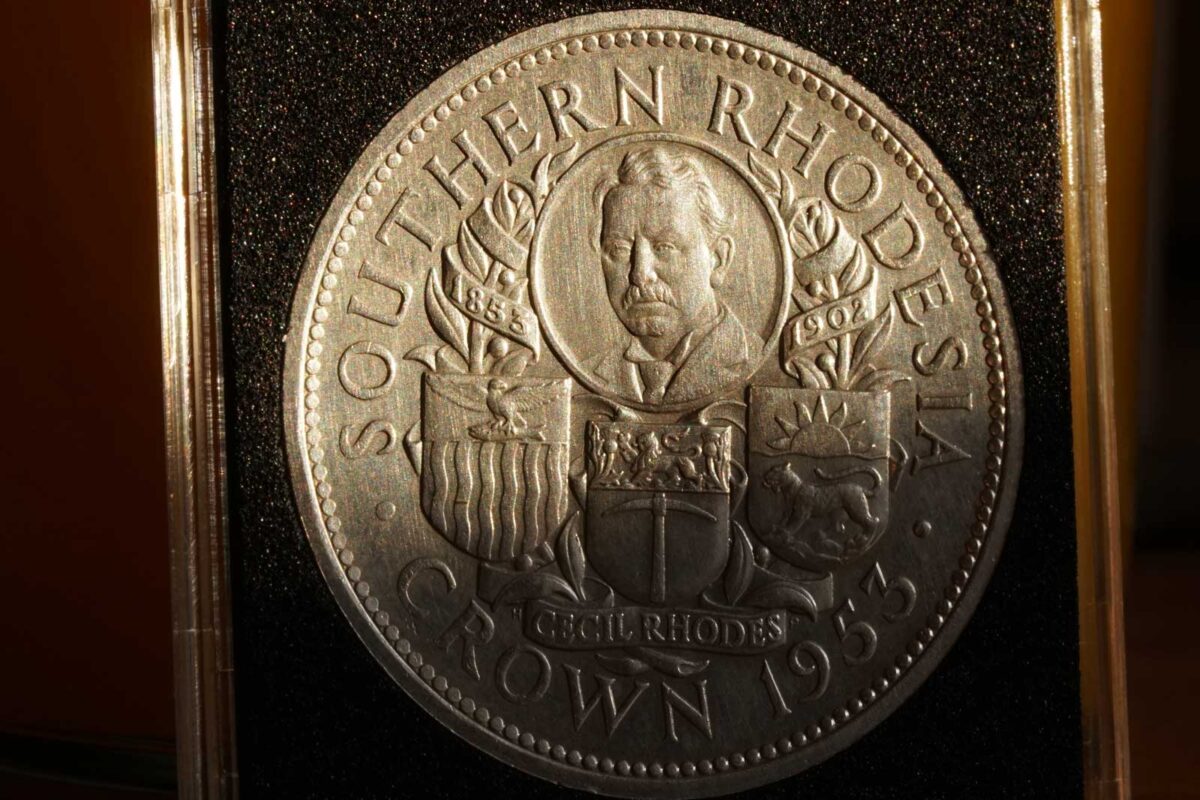
Rhodes drove unprecedented capital investment and infrastructure construction in South Africa, laying the foundation for the country’s current industrial economy.
This was commented on by Prince Mashele, Executive Director of The Centre for Politics and Research, during a recent interview on Truth Report with Rob Hersov.
“If you look at the threads that hold the South African economy together, you’ll find the hand of Cecil John Rhodes,” said Mashele.
Rhodes’ contributions to South Africa’s infrastructure can be found across a wide array of industries and sectors.
This includes the expansion of transportation networks and support for transcontinental communications through the construction of the African Transcontinental Telegraph.
Along with this, De Beers was the primary driver of the consolidation and expansion of fragmented diamond and gold mines into large-scale resource extraction.
This drew massive foreign investment and led to upgrades in mining operations with heavy industrial machinery, processing plants, and deep-shaft infrastructure.
As a knock-on effect of this mining expansion, the country’s industrial supply chains and power networks were improved to support the new large-scale mining operations.
His investments helped establish local manufacturing of industrial explosives and created guaranteed demand for power as well.
This spurred the country to begin using its large coal reserves to fuel more power stations.
His efforts extended beyond mining; he established large-scale fruit farms in Stellenbosch, Drakenstein, and Paarl.
Additionally, he worked with Percy Molteno, a shipping magnate, to introduce cold-chain refrigeration technology to fruit exportation.
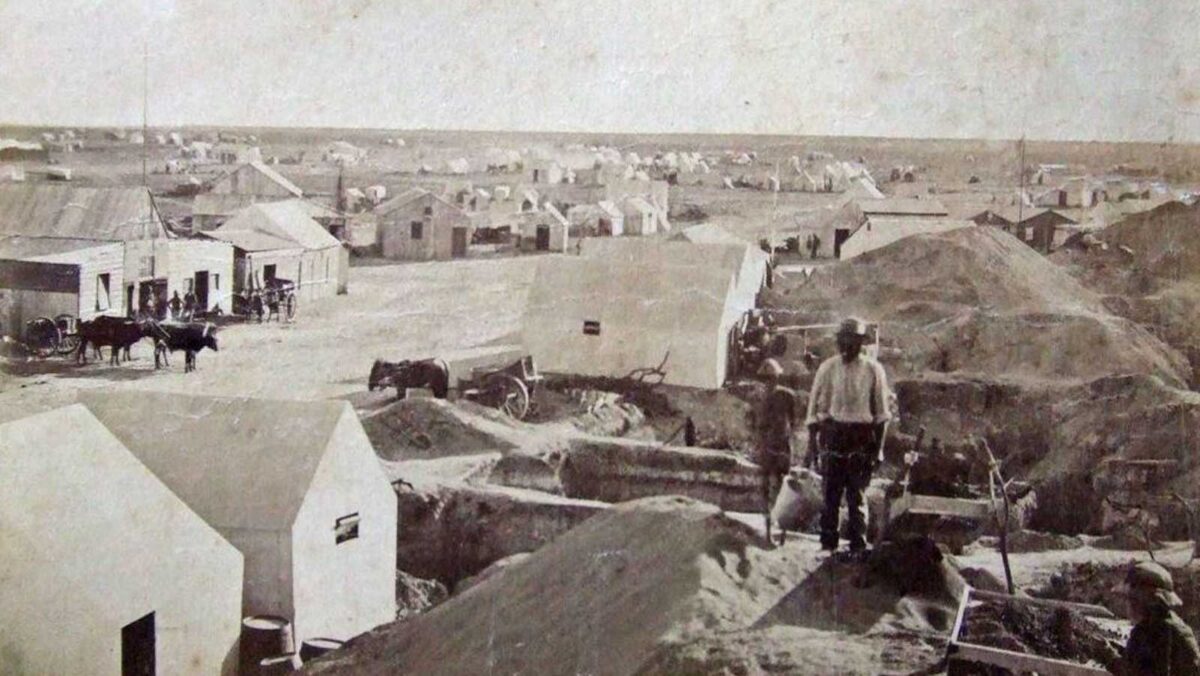
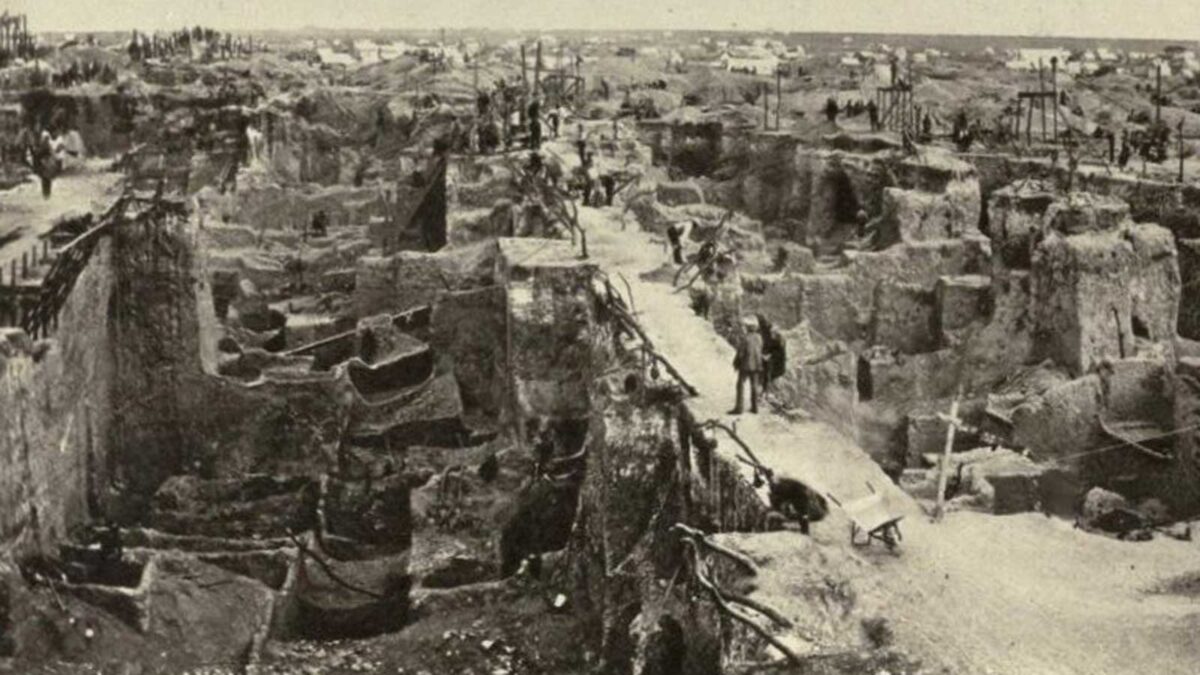
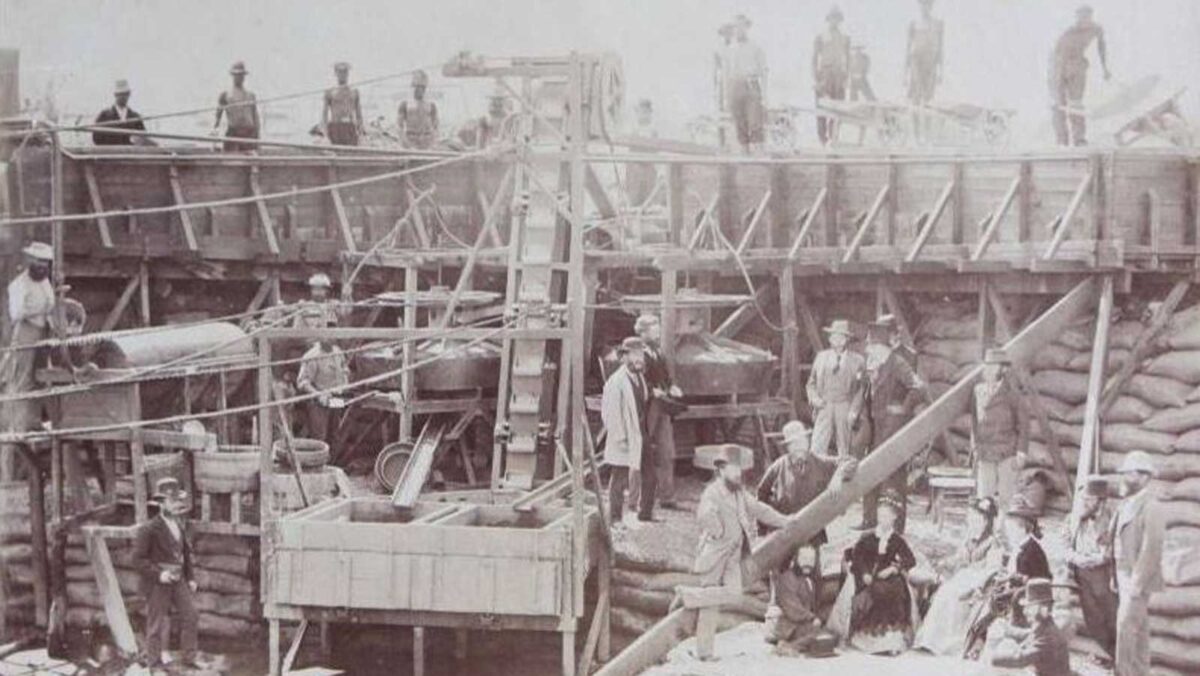
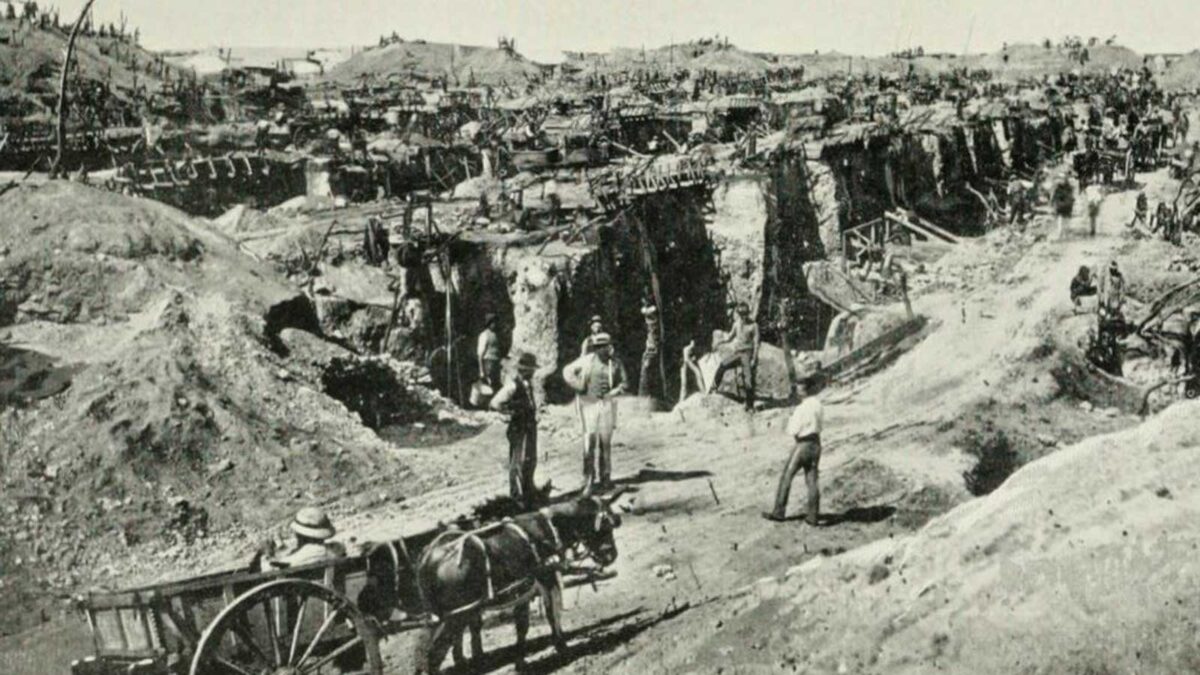
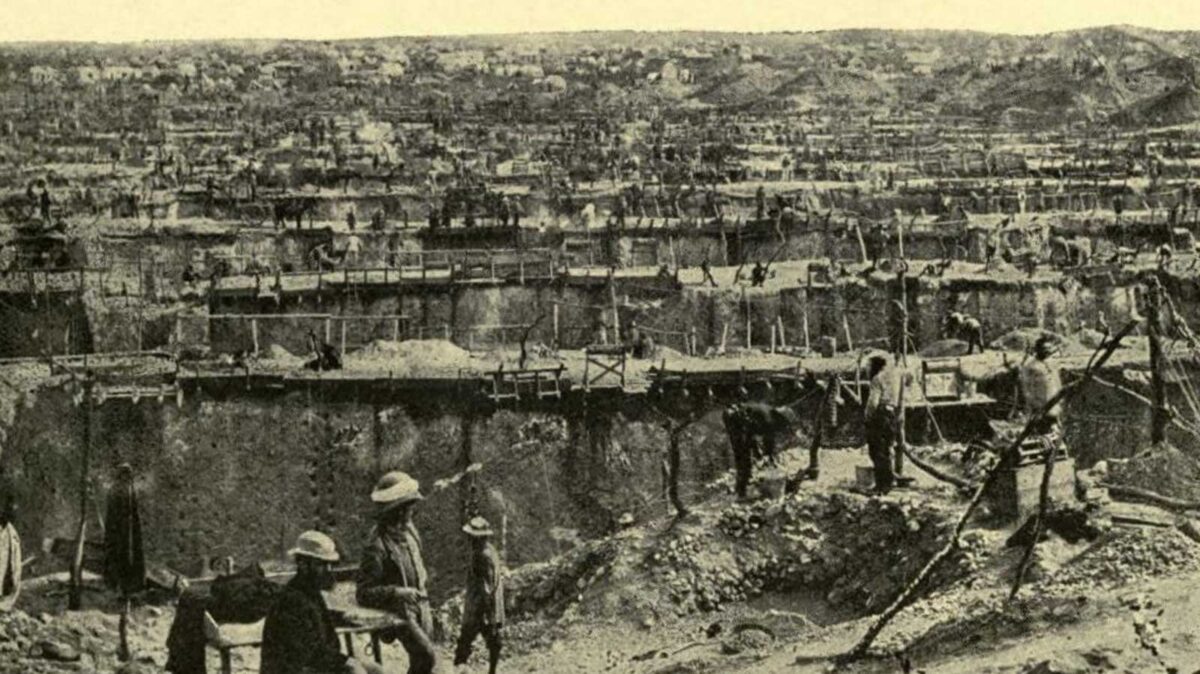
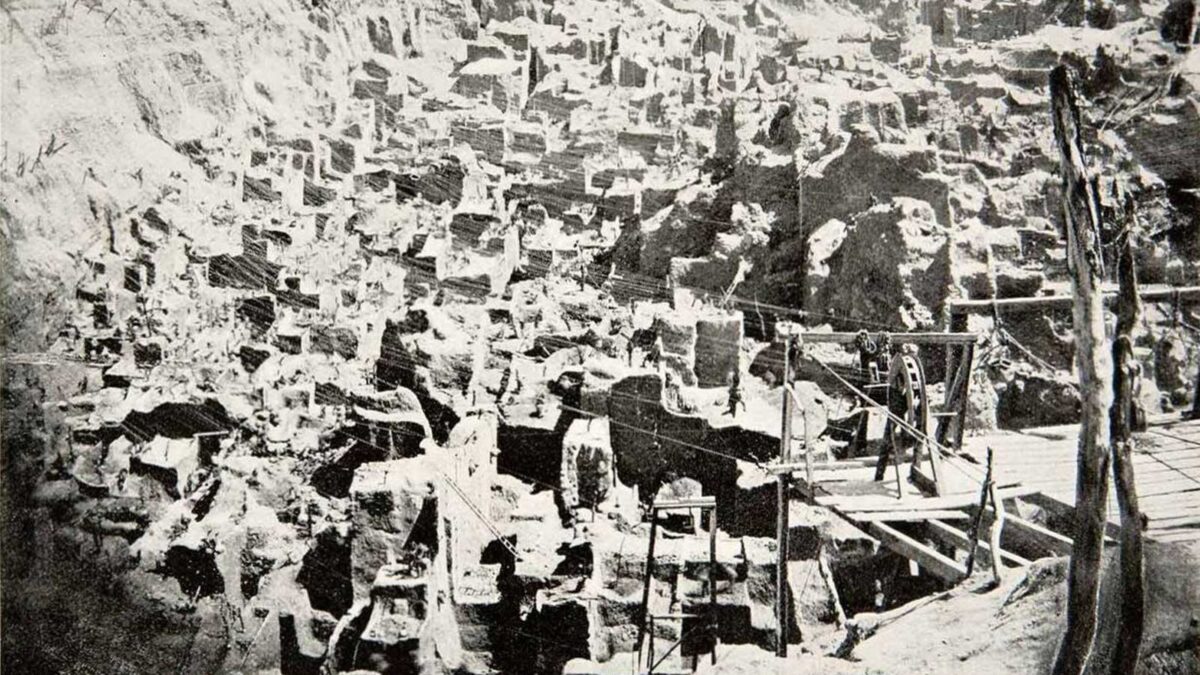
De Beers and Kimberly photos




You have read 1 out of 5 free articles. Log in or register for unlimited access.










 Loading ...