
77% of landfill sites in South Africa fail to meet minimum standards


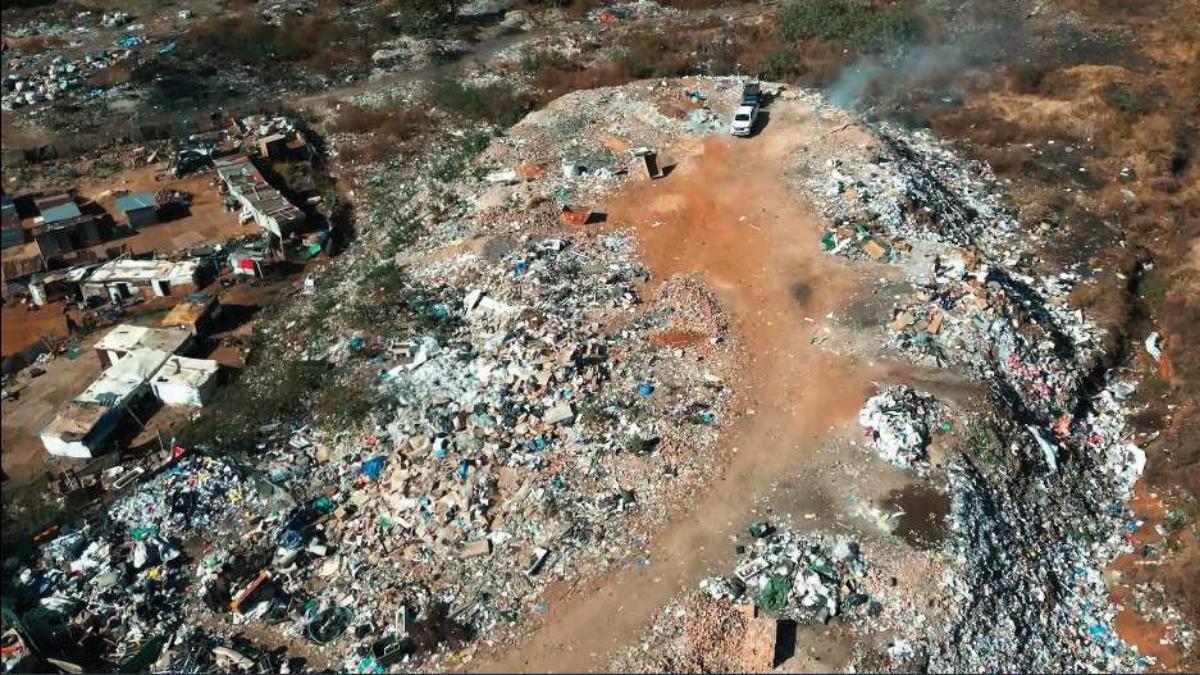
AfriForum’s 2026 Municipal Landfill Site Audit Report showed that 77% of the sites audited failed to meet the minimum threshold for responsible waste management.
AfriForum audited 132 landfill sites and waste transfer facilities across all nine provinces during the first quarter of 2026.
Only 30 of the landfill sites, equating to 23%, met at least 80% of the audit requirements and passed the audit.
This represents a slight improvement on the 22% pass rate recorded in 2025 and marks the highest national pass rate since 2022.
The national average compliance score across South Africa also improved from 42% in 2025 to 47% in 2026.
However, these improvements remain limited and do not yet indicate a substantial improvement in municipal landfill management.
More than three-quarters of the audited sites still showed shortcomings in operational management, infrastructure or compliance with basic requirements.
The Western Cape was the strongest-performing province in 2026. Fourteen of the 26 sites audited in the province passed, representing a 54% pass rate.
The Western Cape was the only province where more than half of the audited sites passed the audit.
KwaZulu-Natal, Limpopo and North West recorded significant improvements, while Mpumalanga continued its gradual upward trend.
Gauteng recorded a significant setback. Its average compliance score fell from 84% in 2025 to 64% in 2026, while its pass rate declined from 56% to 23%.
The Northern Cape and Free State remained the weakest-performing provinces, with average compliance scores of only 14% and 19%, respectively.
Gaps in basic information needed to manage landfill capacity
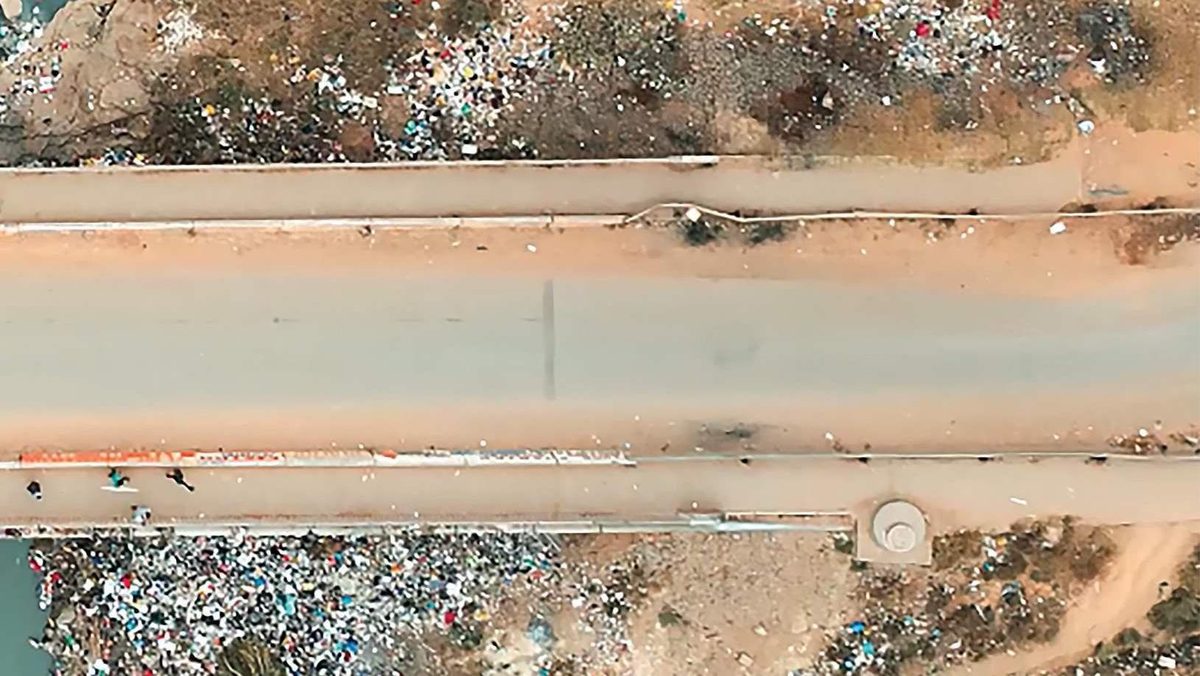
AfriForum said that the audit identified serious gaps in basic information needed to manage landfill capacity.
53 sites had no information on their remaining lifespan, and many participants could not determine when the site’s remaining capacity was last surveyed.
According to AfriForum, the lack of information hampers municipalities’ ability to plan for future waste-disposal needs before existing landfill capacity is exhausted.
Determining capacity is becoming increasingly important as South Africa generates more waste while diverting less of it from landfill.
Marais de Vaal, AfriForum’s Advisor for Environmental Affairs, said that South Africa should not be satisfied with a pass rate of 23%.
“Responsible landfill management is achievable. However, basic management, maintenance and planning are still failing at too many municipal sites,” he said.
“As more waste is generated and less of it is diverted, the margin for poor landfill management is becoming smaller.
AfriForum handed the report to the Department of Forestry, Fisheries and the Environment (DFFE) in Pretoria on 1 October 2026.







 Loading ...