
R10 coins and R500 banknotes in South Africa


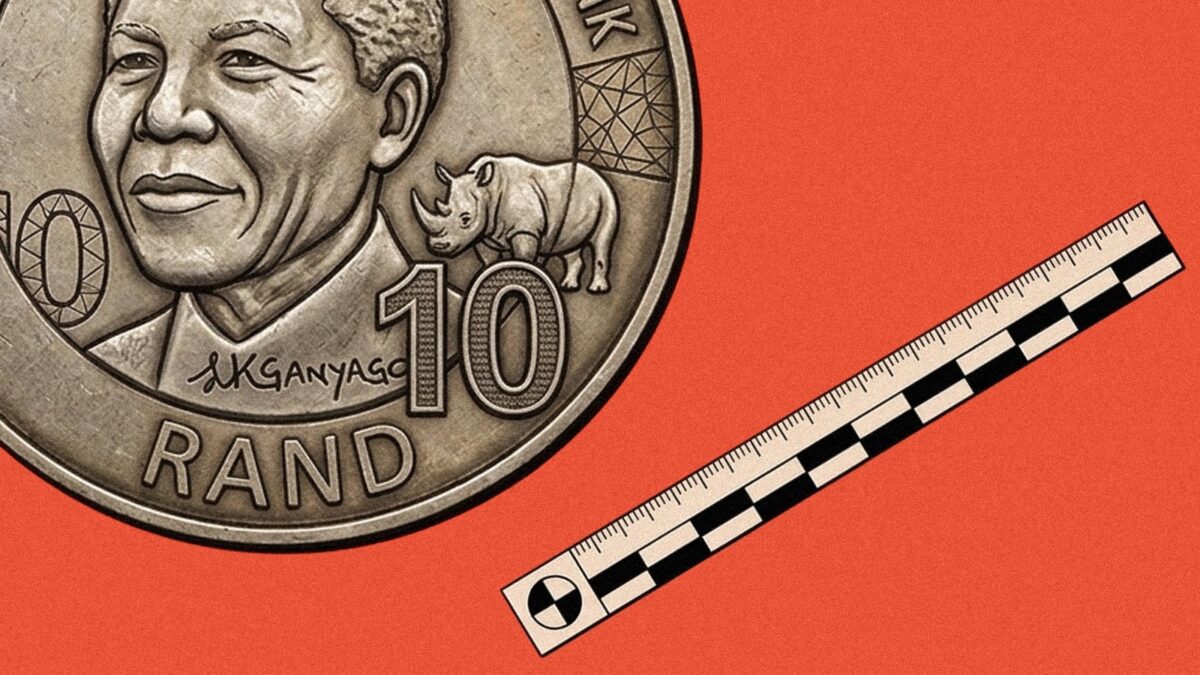
The South African Reserve Bank (SARB) said that it does not have immediate plans to launch a R10 coin or a R500 banknote.
It shared this information in response to questions from the finance and investing publication, Daily Investor.
In 1994, the R5 coin was introduced to commemorate the inauguration of the first democratically elected President, Nelson Mandela.
In 2004, the R5 coin received a full bimetallic makeover to enhance security features and make counterfeiting more difficult.
While not a new denomination, South Africa also stopped producing 1-cent and 2-cent coins in 2002 and 5-cent coins in 2012.
This is due to inflation, which has rendered these smaller denominations irrelevant and cost-ineffective to produce.
These coins’ high production costs meant the South African Mint incurred more in production than the coins were worth.
If one considers the impact of inflation on an R5 coin since its launch in 1994, its value today would be R30.
This raises the question of why the South African Reserve Bank has not yet launched a R10 or even an R20 coin.
The central bank said that it considers the denomination mix on both banknotes and coins on an ongoing basis.
“The R10 banknote is still widely used, and the SARB considers the current denomination mix appropriate,” it said.
Simply put, the South African Reserve Bank said there is no need for a new R10 coin, as banknotes of the same value still serve their purpose.
No R500 banknotes for South Africa
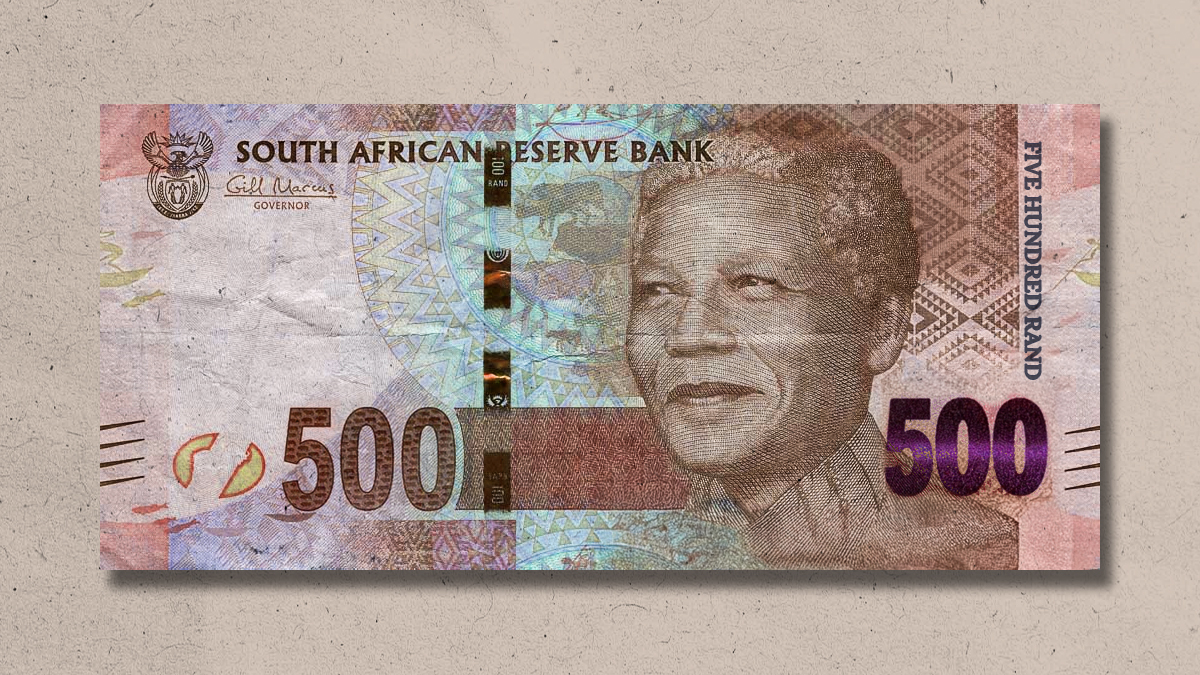
The South African Reserve Bank further explained that it does not issue a R500 note because the R200 banknote is sufficient for transactions.
Another reason is that higher denominations, such as an R500 banknote, could encourage illicit cash hoarding.
The R200 note was introduced 34 years ago. If one adjusts R200 for inflation between 1992, when it was launched, and today, it is equivalent to R1,426.
That means that a R500 banknote, or even a R1,000 note, would be worth less than what a R200 note was when it was launched.
However, the SARB, tasked with protecting the value of the country’s currency, decided to retain the R200 banknote as the largest cash denomination.
The South African Reserve Bank said it conducted research to determine whether to transition to higher-denomination coins and banknotes.
The question this research aims to answer is whether to consider an R10 coin or a R500 banknote.
In determining whether to transition to new denominations, the SARB considers the rand’s purchasing power, the general inflation trend, and public perception.
“The results of the latest study revealed that South Africa is not ready for a R500 banknote or R10 coin,” it said.
“The R200 banknote is sufficient for transactions and is still used as a store of value,” the South African Reserve Bank explained.
The central bank is also concerned that larger denominations will encourage illicit cash hoarding, especially considering South Africa’s high crime rate.
Illicit cash hoarding refers to the unregulated accumulation and storage of physical currency, particularly funds derived from illegal activities.
These illegal activities include drug trafficking, corruption, the illicit economy, and tax evasion, which are all prevalent in South Africa.
Criminals stockpile large amounts of money to avoid financial institution reporting requirements and to evade detection by law enforcement or tax authorities.
Because physical cash is untraceable and anonymous, it is the preferred medium of exchange for the black market.
Introducing a R500 note will make it easier for criminals to engage in illicit cash hoarding and fuel their illegal operations.










 Loading ...