
Afrikaner refugee: I love South Africa but race-based employment quotas forced me to leave


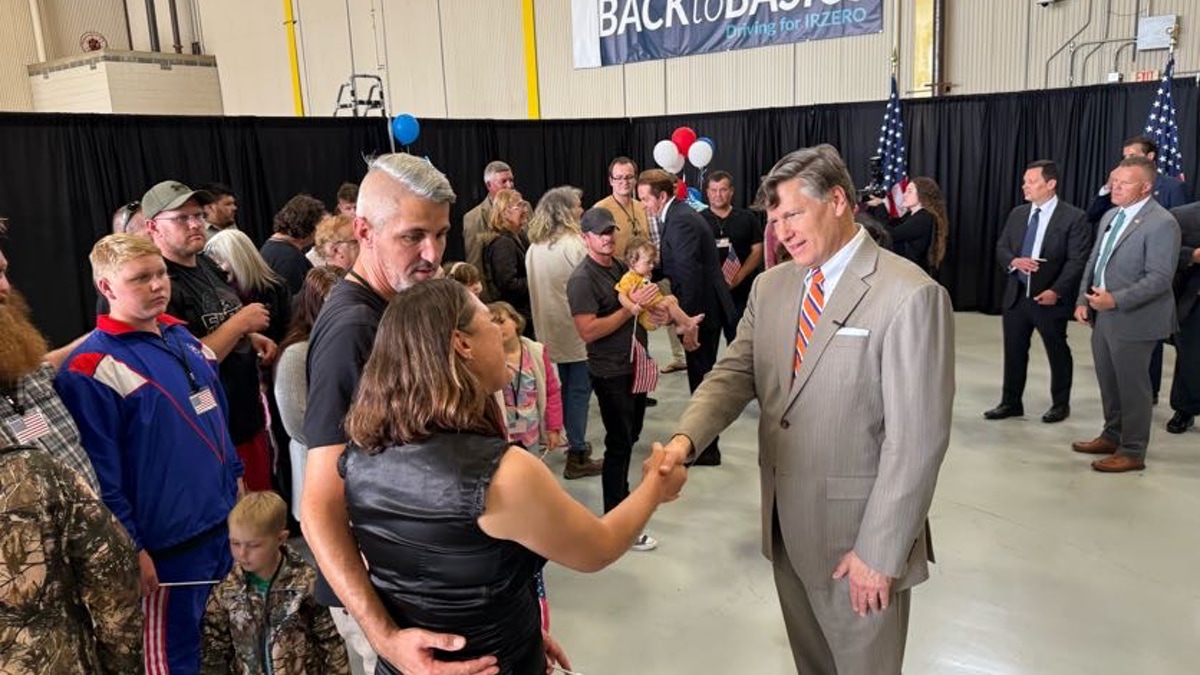
A white Afrikaans man who was retrenched and could not find work for 3 years recently spoke to Newsday about his move to the U.S. as a refugee under its programme for South African ethnic minorities.
After a Covid-era snafu cost him his job at MultiChoice, he found a senior position at a subsidiary of iOCO, the former EOH.
However, the gutting of EOH to repay its creditors ultimately led to his retrenchment at the age of 48, leaving him white and middle-aged in an economically stagnant South Africa.
For three years, he tried to find work, but the message he received from corporate South Africa was clear, albeit not loud: they could not hire him.
He explored options outside the corporate world, too, but that merely revealed that everyone was struggling. There simply wasn’t much opportunity outside corporates in his field.
When he learned of the U.S. refugee programme for ethnic minorities in South Africa, he had essentially become homeless but for the kindness of a neighbour who kept a roof over his head.
Despite this, he did not decide to apply for the programme lightly. “I was in two minds because I really love South Africa. I love the people,” he said.
“I love basically everything about the country, except the current socio-political structure that has precluded me from finding gainful employment for more than three years.”
The man spoke to Newsday on condition of anonymity because of the political stigma surrounding the refugee programme.
U.S. President Donald Trump issued an executive order establishing the Afrikaner resettlement policy on 7 February 2025.
On 12 May 2025, the U.S. expanded the programme to include other racial minorities in South Africa. The first group of 49 South Africans admitted under the initiative also arrived that same day.
Applying for refugee admission the United States was seamless
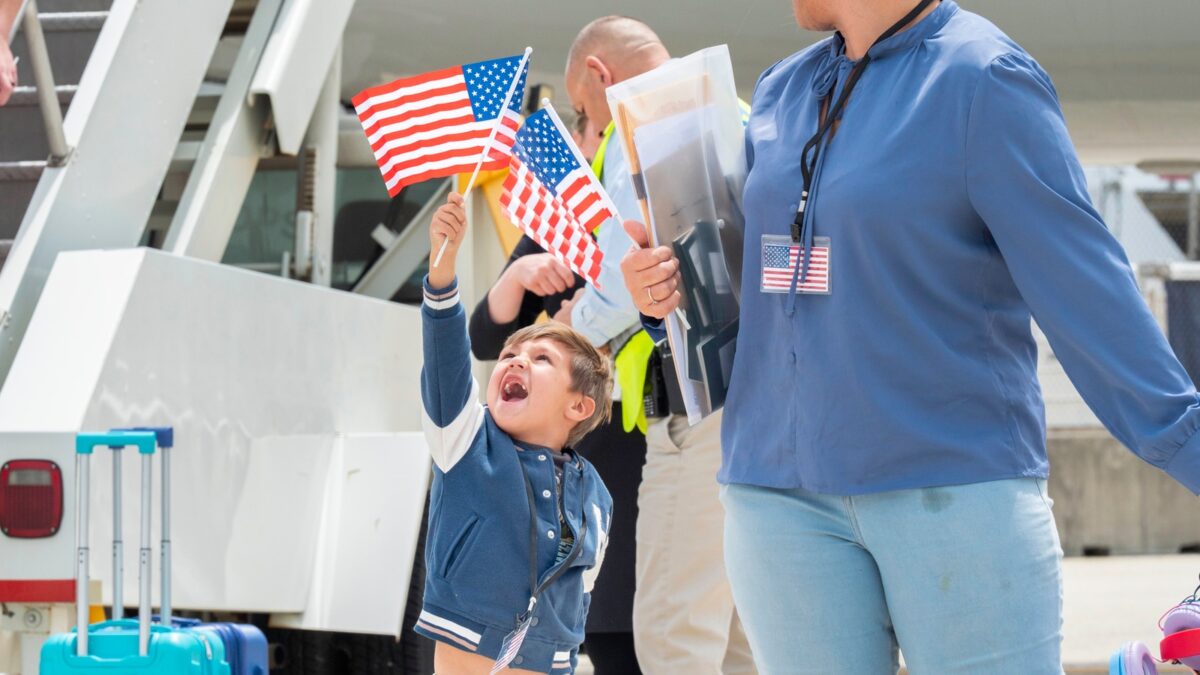
“I found out about the programme last year, October, November-ish. It took me a little while to make up my mind, and I applied on the 2nd of February 2026,” he said.
“Initially, it was quite quick. About 10 days after my first application, I got contacted to do the first round of security checks, which included biometrics and a background check.”
A month later, he was invited to a phone pre-screening interview where they reviewed everything in his application.
Shortly after the pre-screening, he was contacted to do a first round of medical checks and ensure his travel vaccinations were up to date. This included hepatitis, yellow fever, and the flu vaccine.
The day after his physical, he was invited for his final in-person interview. After that, it was a big wait, he said.
“The in-person interview was at the end of April, and then literally radio silence for a very long time,” he said.
“The first week in September — all of a sudden, the radio silence broke, and I received an emailed invitation for what they call cultural orientation.”
Cultural orientation was a full-day workshop where they discussed what to expect once he landed in the U.S. They also provided travel details.
A week later, on a Friday afternoon, he received his plane tickets. They were for the coming Monday.
“My process didn’t take that long and was painless, but my life admin was in order, so I didn’t need to jump through hoops or scramble around trying to get documents. Just the waiting was rough.”
U.S. provides all the support needed to become self-sufficient in 90 days
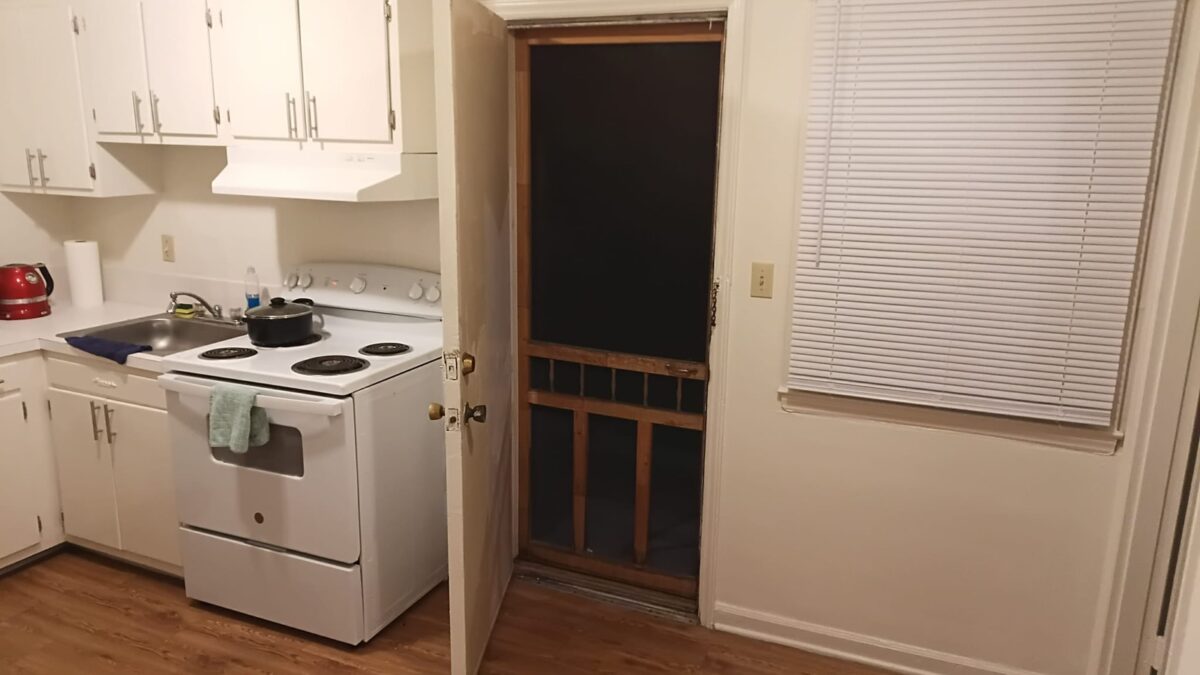
The man said that the support he had received since landing in the United States had been phenomenal. He said it was nothing like the negative stories he had read in the media.
Each refugee gets a federal grant of $2,450 (R40,265), which their agency uses on their behalf. This grant is set to be doubled from October 2026.
The agency secures housing, food, appropriate clothing if needed, and other essentials. They also help refugees with logistical arrangements.
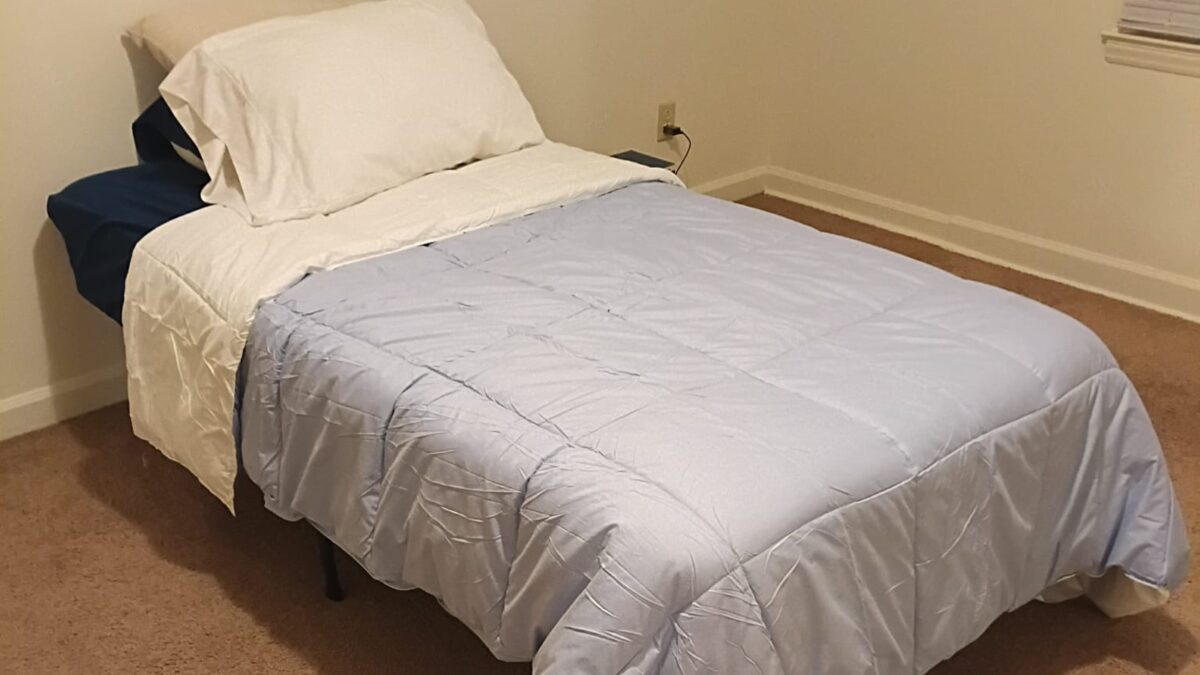
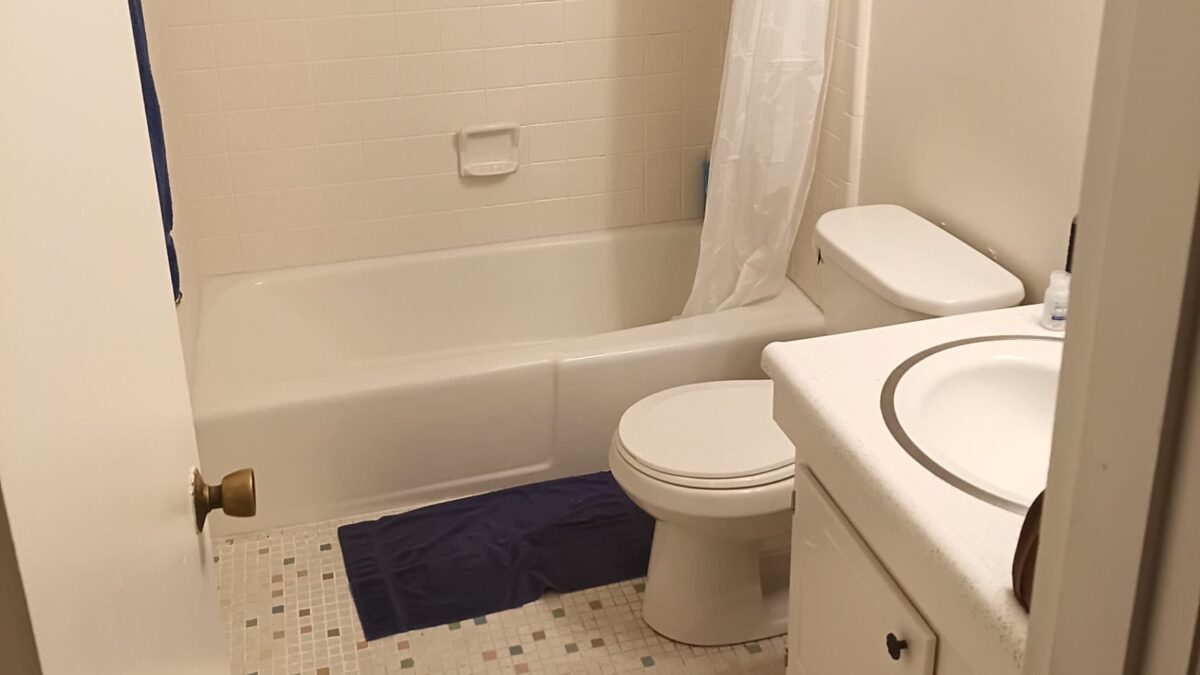
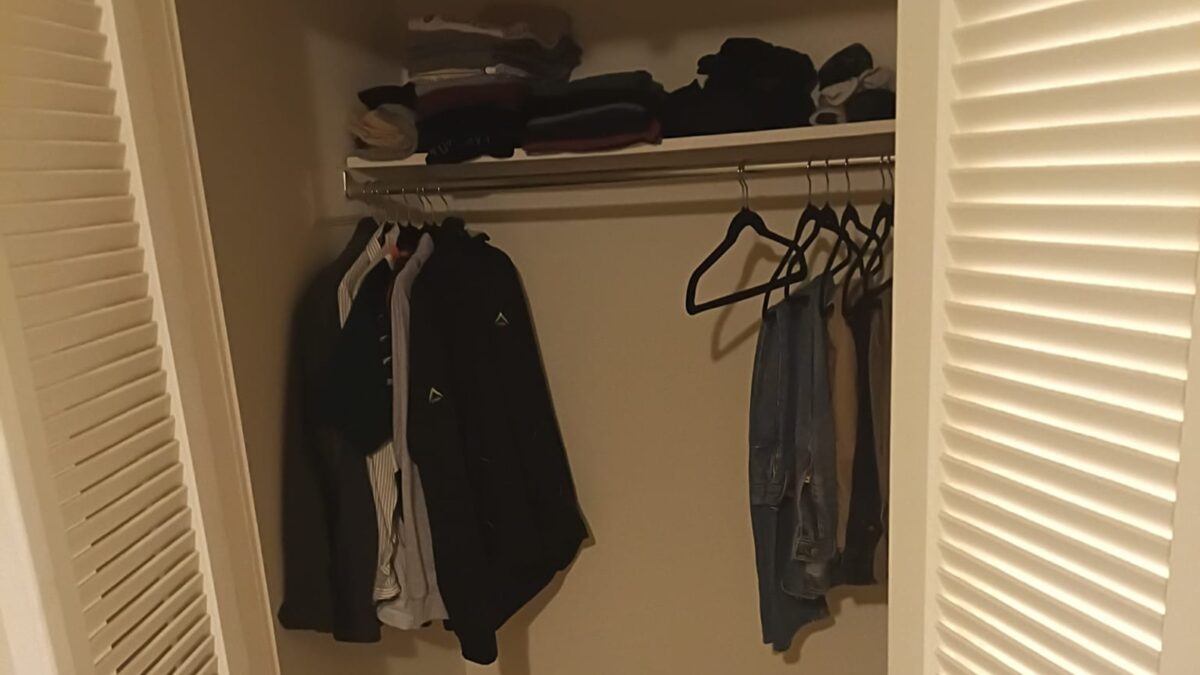
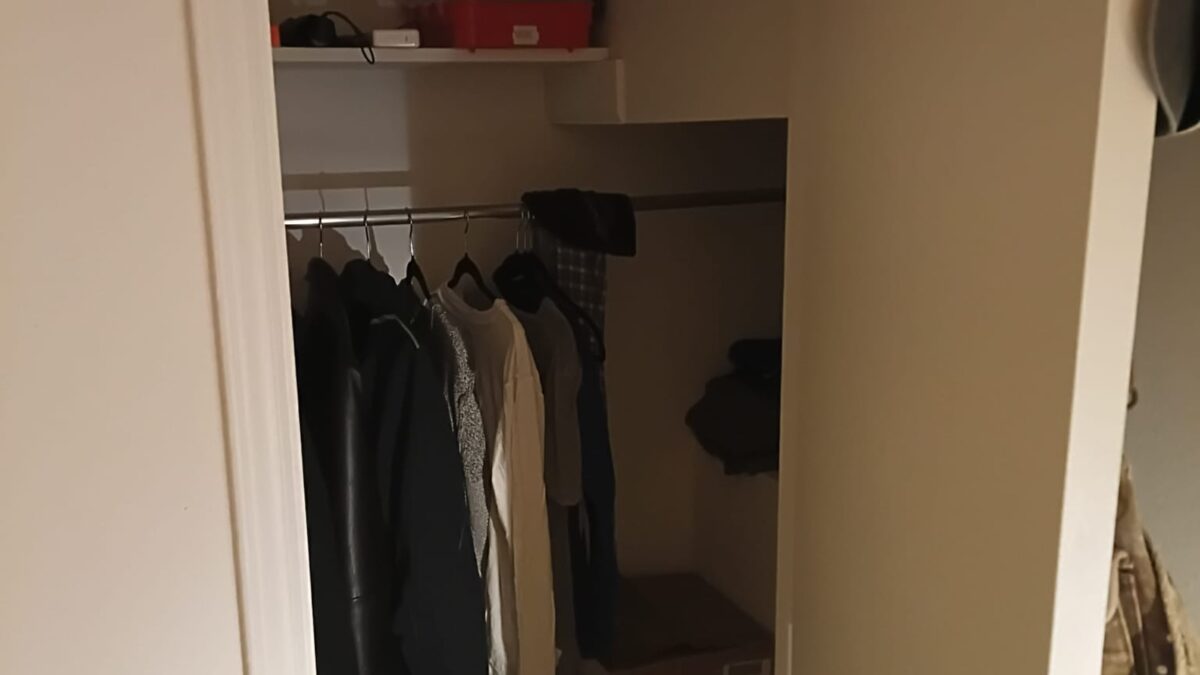
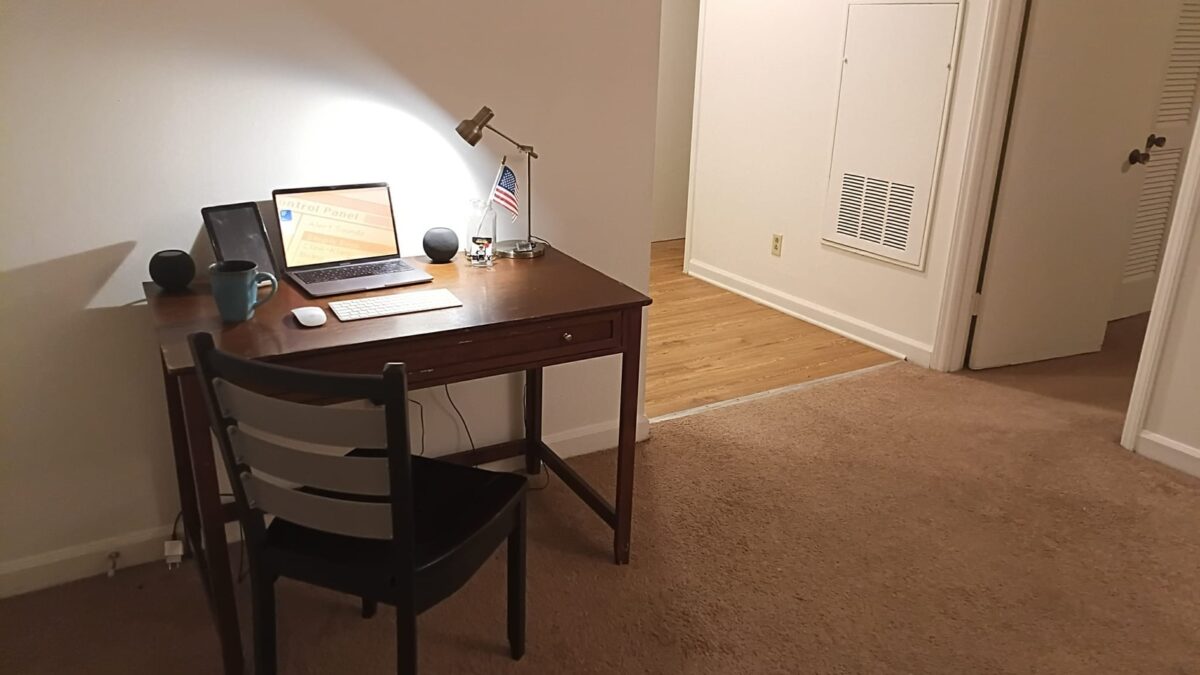
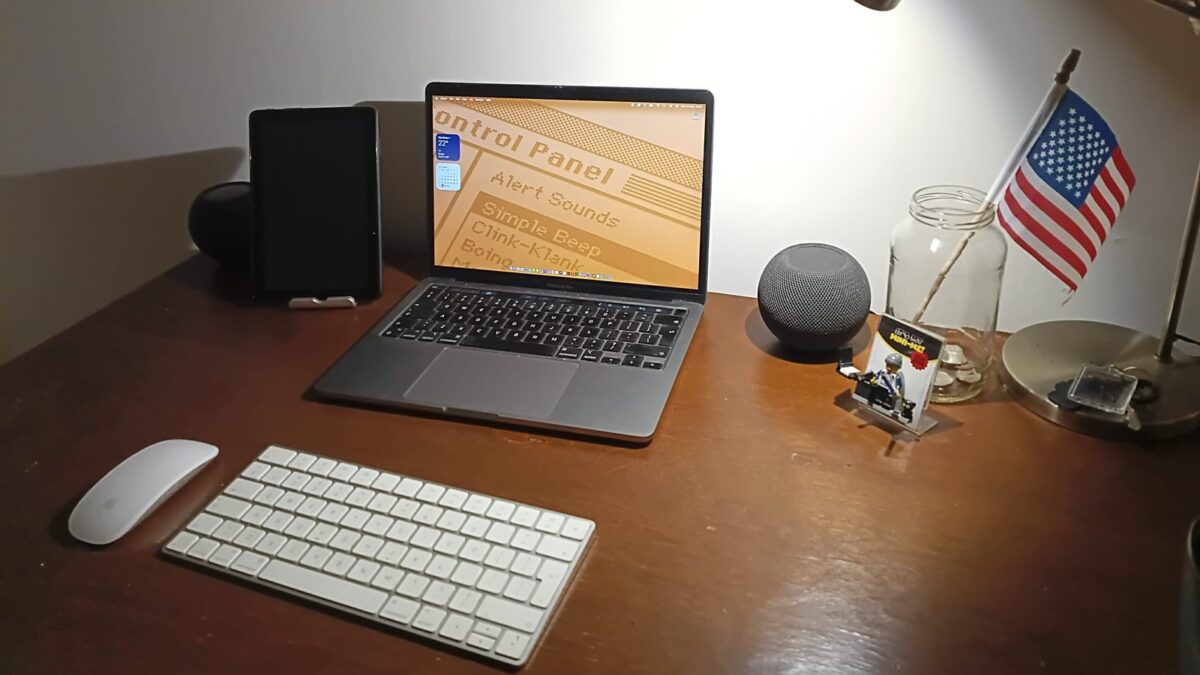
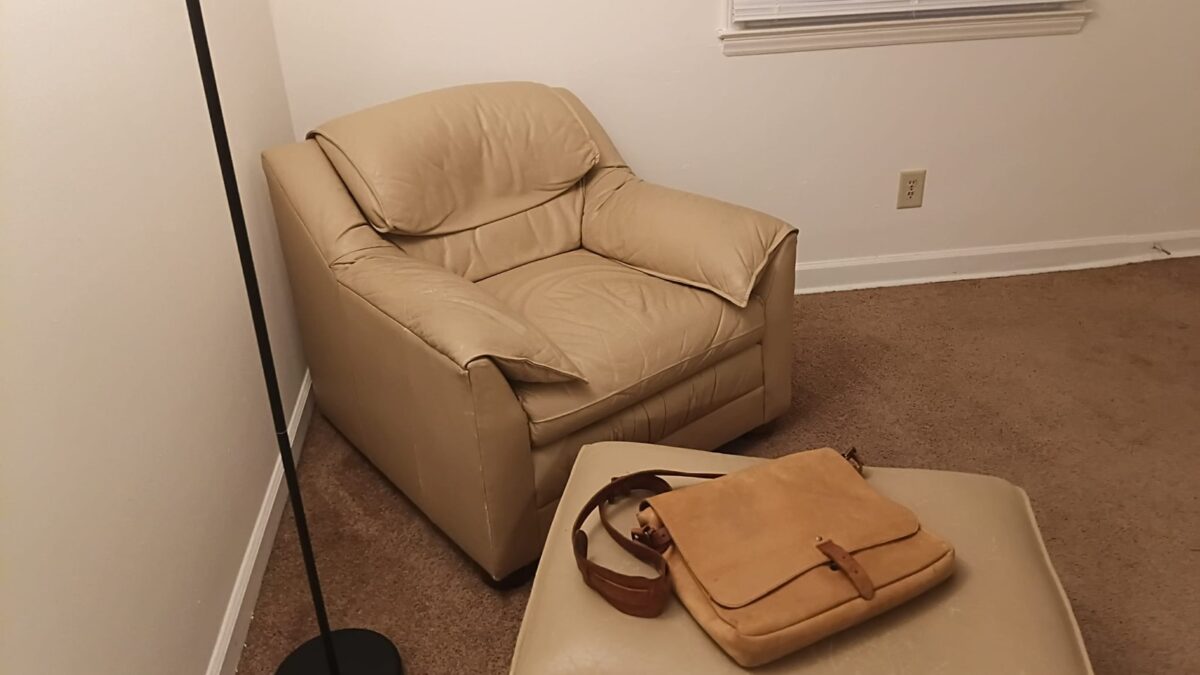
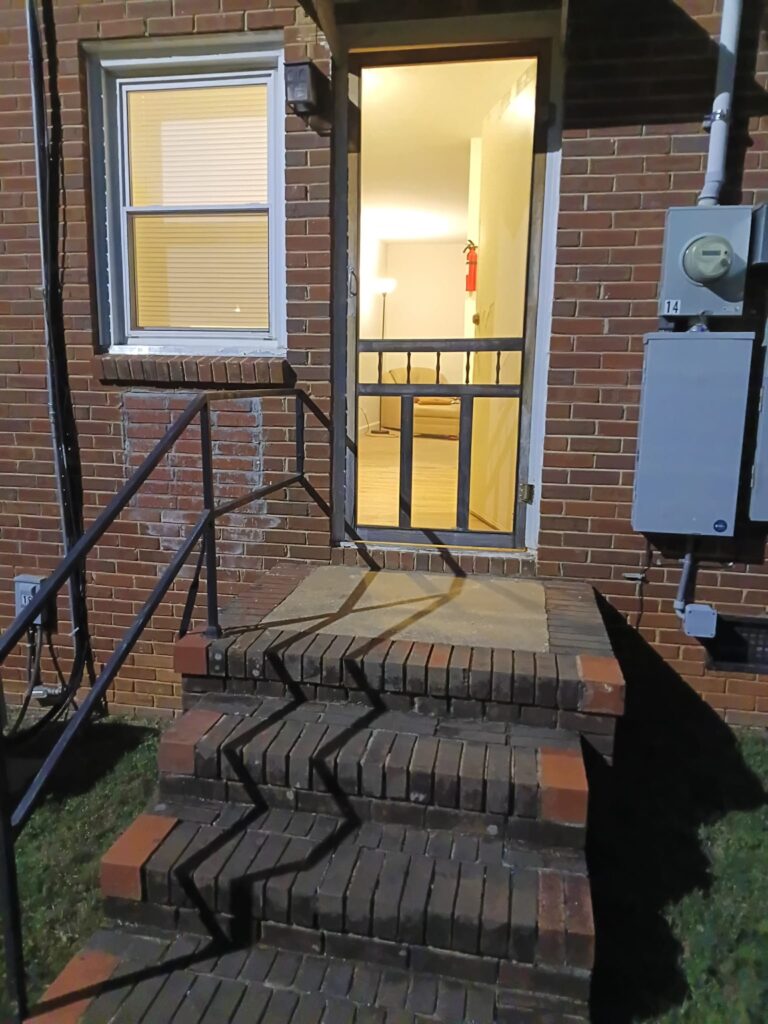
In his case, because he travelled alone, the man said he got a semi-furnished apartment. Rent and utilities are covered for three months, and the agency provided an initial set of groceries.
“My caseworker said that they were supplying enough food for a week, but this is more food than I’ve seen in a very long time. They probably provided a month’s worth of food,” he said.
“They also drive you to meetings, they sort out your Social Security number for you, your EAD, which is your work permit.”
He said he wanted to allay fears that people would be left to fend for themselves without the support needed to get on their feet.
Refugees are placed in a fast-tracked Green Card process and receive Medicaid for a year, in addition to other support they receive. However, it’s up to them to find work and build a life.
“If you come with a South African mindset of entitlement, or demanding things, or wanting to do things your way, you’re going to get doors closed in your face,” he said.
“Americans are friendly, but they are also upfront. They call an ace an ace, and a spade a shovel. There’s a no-nonsense approach, and things move very quickly. You have to keep up.”
Compared to South Africa, there also didn’t seem to be a shortage of opportunity. He said he saw many Help Wanted signs in downtown Charlotte.
He said people coming over must understand that they would probably not be able to walk into a job in their preferred field or at the level they left behind in South Africa.
“You must have the mindset to start at the bottom and work your way up. In my case, if I have to go and pack shelves at a Walmart, I will do that,” he said.
“It’s up to me if I want to do that. Or I can just sit on my gat and do nothing. But nothing’s going to happen then, and nothing’s going to come your way. So you have to make it work.”
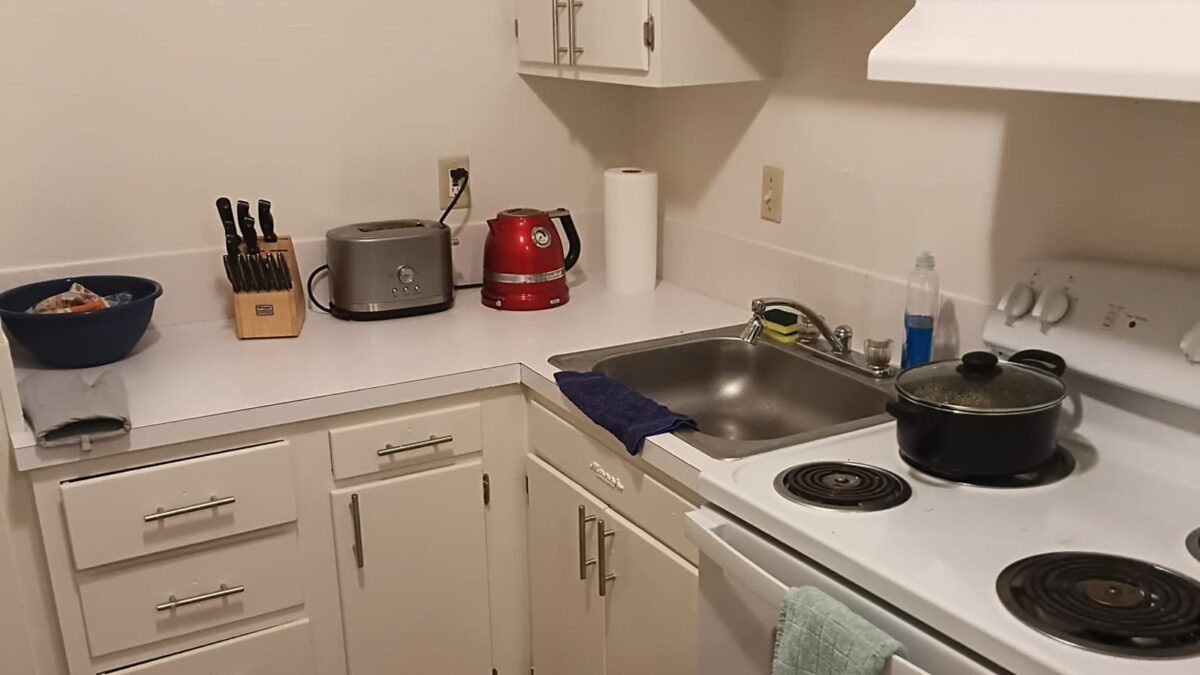
More photos of accommodation provided to refugee in North Carolina




 Loading ...