
The man who refused to look away and then took on the ANC government and won


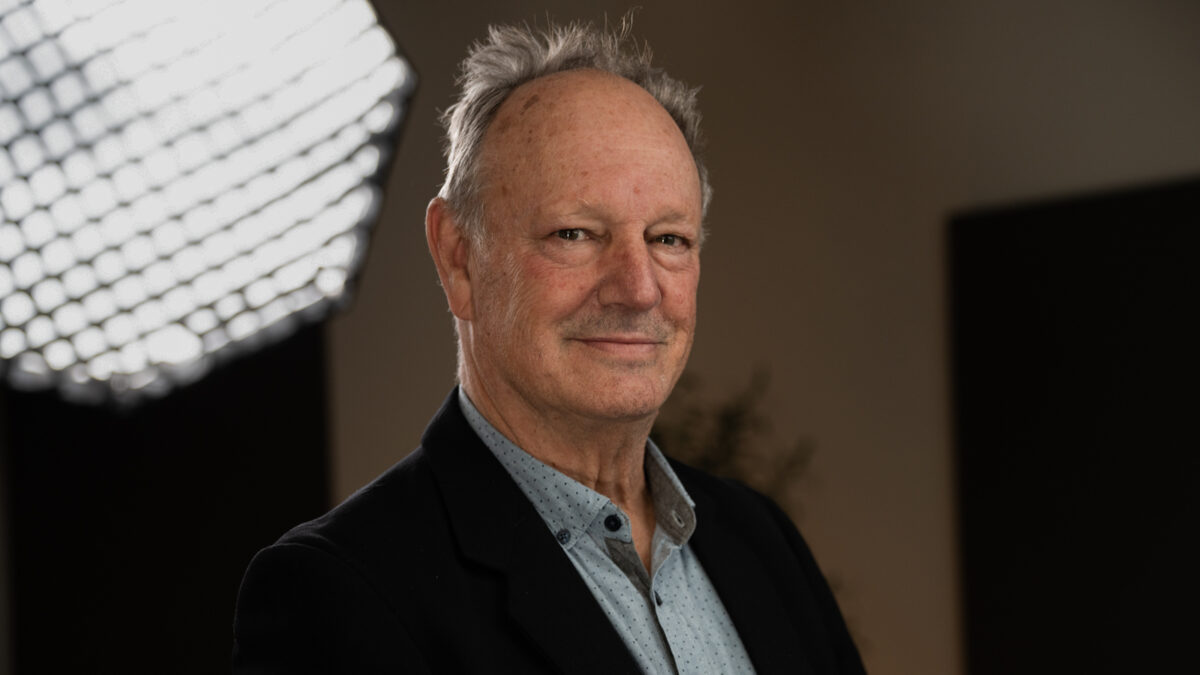
Organisation Undoing Tax Abuse CEO Wayne Duvenage achieved something very few others did: Take on the ANC government and won.
He shared the story of how he became a civil activist and defeated the e-toll system during an interview with Newsday.
Duvenage was one of South Africa’s top business leaders before he became involved in the fight against corruption and maladministration.
He served as the chief executive of Avis Car Rental South Africa and the president of the South African Vehicle Rental and Leasing Association (SAVRALA).
Duvenage was also a director of the boards of Tourism Marketing SA (TOMSA) and Tourism Business Council SA (TBCSA).
However, he left the corporate world to become the face of the campaign against the controversial e-toll system.
He explained that he enjoyed his time as Avis’s chief executive and that they held the highest market share for Avis worldwide, at 40%.
During his tenure as CEO, e-tolls were unveiled. During this time, he was chairing the industry association.
“After conducting that research, we realised that the scheme was ‘born in sin’. It was a deceitful scheme forced upon the country, and it needed to be challenged,” he said.
He explained that they were not opposed to electronic tolling systems of the user-pays principle. However, the Gauteng e-toll system was not a normal implementation.
“This scheme had all the hallmarks of failure: corruption, maladministration, and excessive overpricing,” he said.
“Frankly, we could see what was happening. The system was a good way to get money offshore.”
The time for action arrives
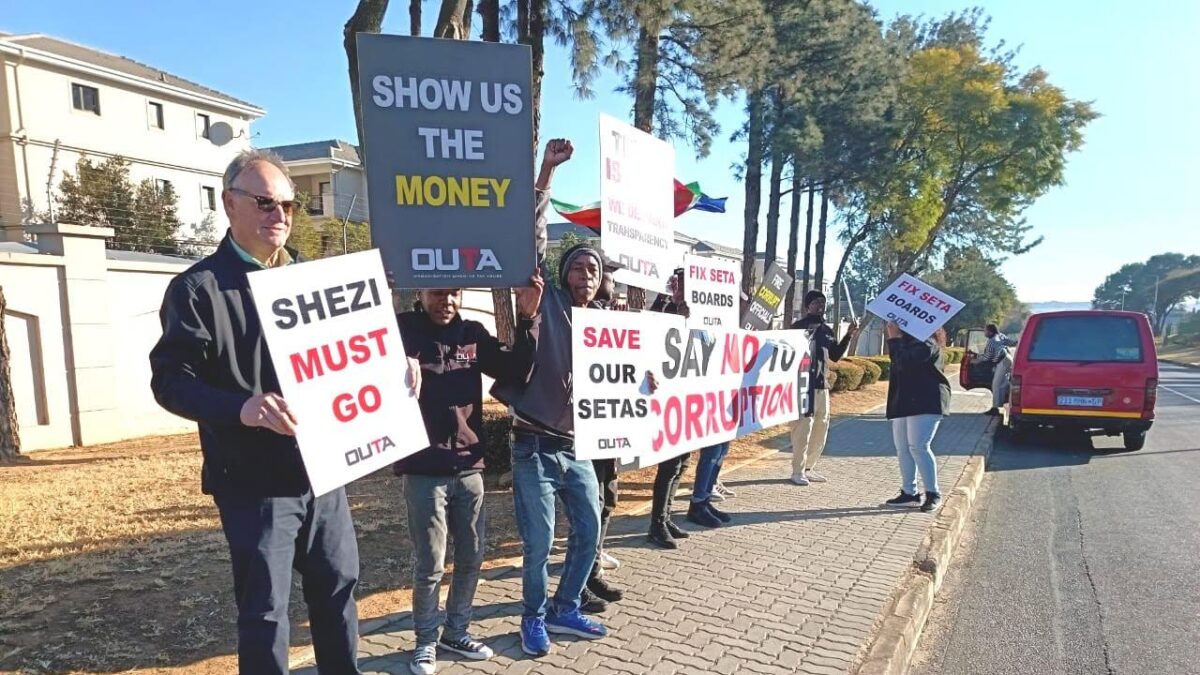
Duvenage said they had to decide to either look away and do nothing or take on the government, which few businesses wanted to do.
“Initially, we wanted to do so very carefully. From late 2010 through 2011, we engaged with SANRAL and the authorities,” he said.
They presented a more efficient funding mechanism for the 186 km road upgrade, and raised many concerns. However, they were ignored and fobbed off.
The gloves came off. “Getting business to tackle government was not an easy decision, let me tell you, but we managed to do so through the association,” he said.
“The minute we announced it, several other organisations wanted to join us. There were five of us initially, so we had to form an association of associations.”
Duvenage said that it quickly became a full-time job. “I’d been in my role at Avis for five years and really enjoyed it, but things were becoming quite hectic,” he said.
The initiative required full-time attention. People told me that civil activism is about seeing a challenge through to the end once you start it.
“It was time for a change. I sat down with my bosses and said that I needed to take a year out, and once this is over, we can discuss my return,” he said.
“We agreed on an exit strategy, and I embarked on this new journey, not realising that 14 or 15 years later, here we would be.”
“It has been the most incredible journey. What started as a small initiative became something far bigger than I had ever imagined.”
Wayne Duvenage took on the ANC and won
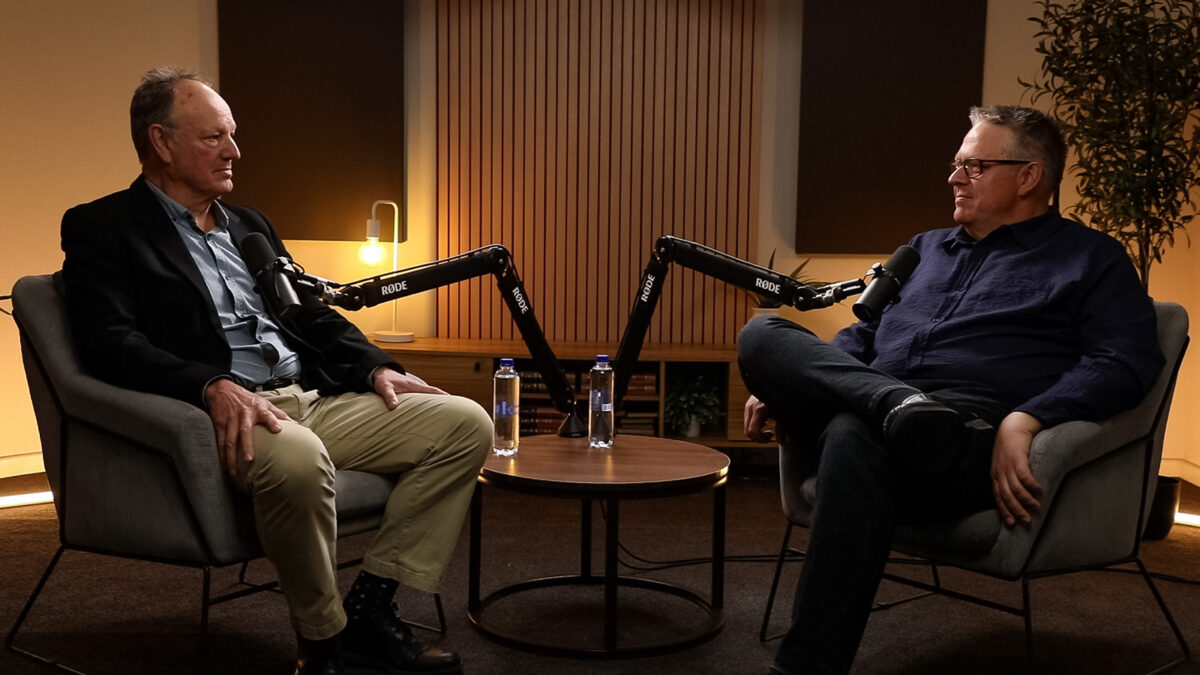
The outa campaign against e-tolls did not start off well. It lost its case seeking to have the e-toll scheme declared unlawful in the Supreme Court of Appeal in 2013.
However, even though it respected the court’s decision on legality, it maintained that the e-toll scheme was ethically and practically questionable.
Outa continued the fight and, in 2015, launched a crowdfunding scheme by introducing a monthly debit order.
“This helped us to fulfil our promise to the public that we would defend every e-toll summons the public received from Sanral for non-payment,” Duvenage said.
The organisation transformed, hiring a team at market-related salaries to become an effective civil intervention organisation.
Outa launched many campaigns against e-tolls. “We took Sanral on with over 2,000 summonses mandated to us to defend,” he said.
Sanral abandoned its summons strategy in March 2019, and fewer and fewer people supported the Gauteng e-toll system. It was on borrowed time.
On 11 April 2024, the government closed the Gauteng Freeway Improvement Project (GFIP) e-toll scheme and subsequently withdrew the e-toll declarations.
“The failure of the e-toll scheme was evident within months of its launch, yet the government took more than a decade to formally acknowledge reality,” he said.
Although the government discontinued e-tolls in 2024, it left motorists uncertain about historical debt and legal action.
On Sunday, 7 June 2026, the Department of Transport announced that all outstanding and unpaid historical GFIP e-toll debt owed by road users will be written off.
This followed a cabinet decision to approve SANRAL’s implementation of the closure of the Gauteng Freeway Improvement Project’s historical debt.
“Outstanding and unpaid historical e-toll debt owed by road users will be written off. SANRAL will not pursue any further collection of historical GFIP e-toll debt,” it said.
This was the final victory for Duvenage and Outa in a 14-year battle with the government over its controversial, potentially corrupt e-toll system.
Duvenage showed that it was possible to take on the government and win, and he became the face of the fight against corruption in South Africa.








 Loading ...
A big THANK YOU to Wayne and his organisation for the big task of opposing abuse and government over reach.