
Ambassador L. Brent Bozell shares the truth about actions against South Africa and dealing with President Cyril Ramaphosa


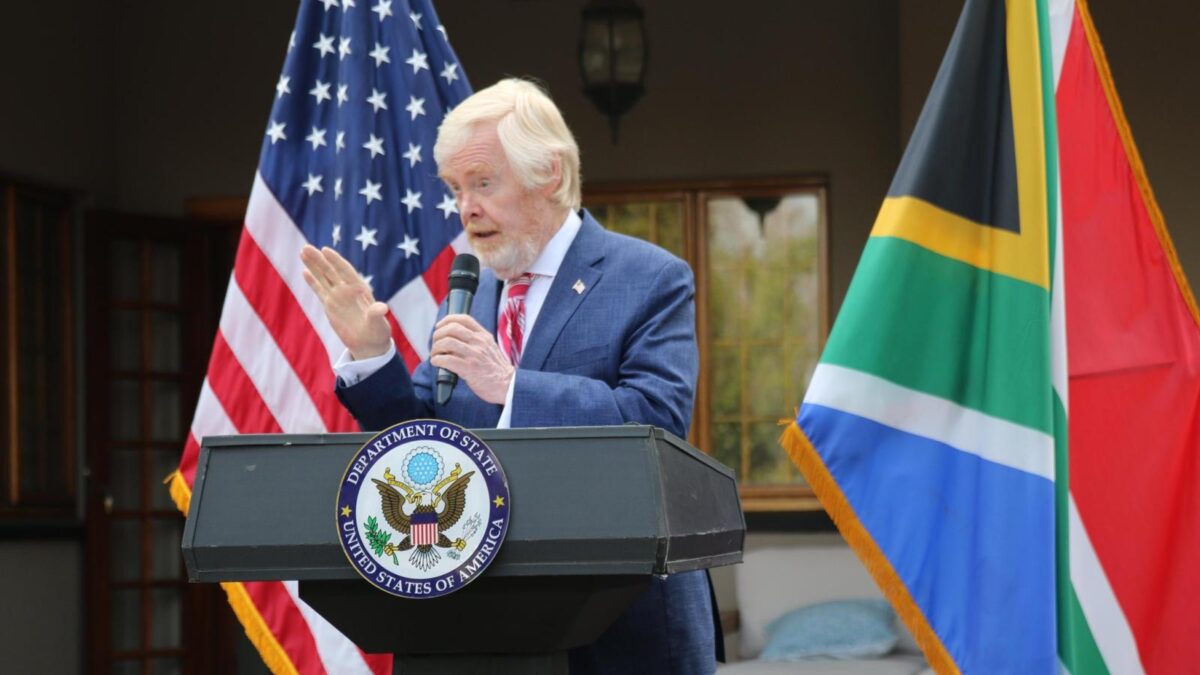
United States Ambassador to South Africa, L. Brent Bozell III, shared information about the new visa restriction policy and their dealings with government officials.
U.S. Secretary of State Marco Rubio announced the new policy on 15 September 2026, targeting South Africans involved in specific actions.
These actions include implementing laws or policies that enable uncompensated land seizures and race-based discrimination.
The new policy also targets people involved in the incitement of imminent violence against any minority ethnic or racial group in South Africa.
Bozell explained what happened between the two countries for the United States to take this action.
In February 2025, President Donald Trump’s Executive Order “Addressing Egregious Actions of the Republic of South Africa” detailed the United States’ concerns.
They deal with rural farm attacks, the race-based measures forced upon American firms trying to invest, and South Africa’s steady drift toward our adversaries.
In November 2025, the United States delivered its concerns to the Government of South Africa, which became known as the “Five Asks.”
“We felt they were simple and could and would be answered in the affirmative by the South African government,” Bozell said.
“Indeed, there were some leaders in and out of the South African government who were earnestly working to resolve the issues.”
“My arrival in Pretoria in February 2026 accelerated discussions leading to what now, regrettably, appears to have been unfounded optimism.”
The Five Asks from the United States
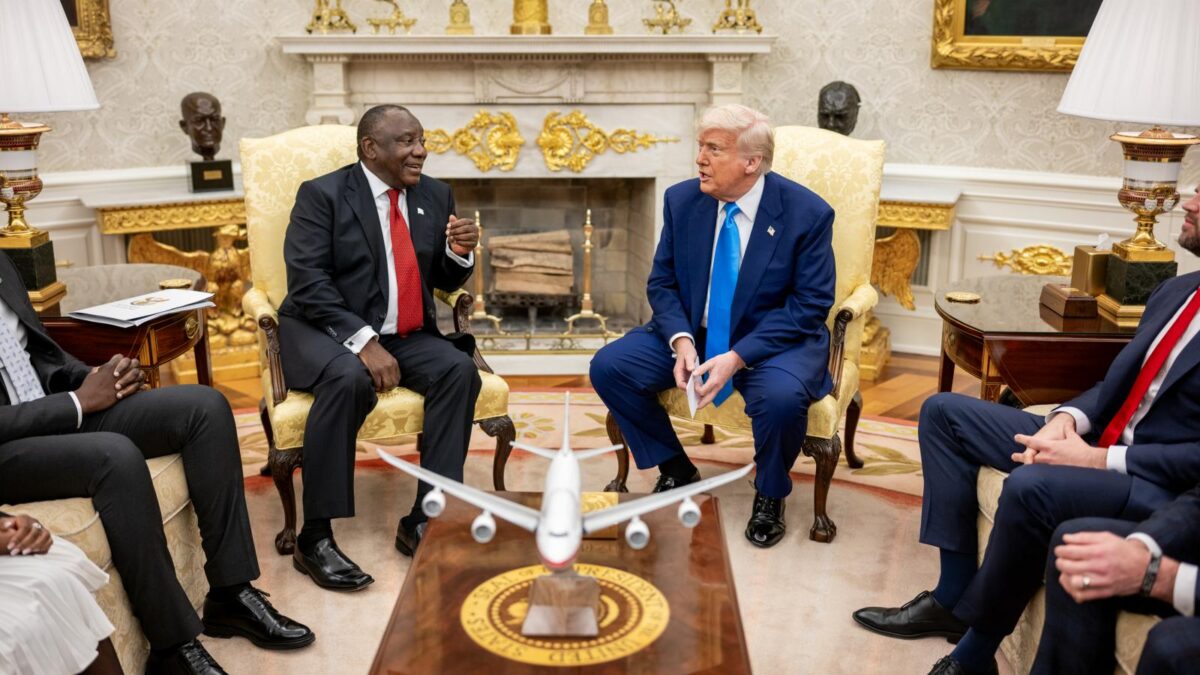
Bozell shared details about the Five Asks and what has happened to each since they were presented.
- The South African government should not interfere with the processing of Afrikaner refugees under the President’s executive order. This has been addressed.
- Uncompensated land seizures should not be allowed. The Expropriation Act has resulted in a legal challenge, which the United States is happy with.
- President Cyril Ramaphosa and other senior government officials condemn the singing of “Kill the Farmer! Kill the Boer!”. This has not been addressed.
- Rural crime must be formally designated a priority crime, with a real, announced plan to address it. This has not been addressed.
- Create alternatives, such as equity-equivalent investment programs (EEIPs), to meet Broad-Based Black Economic Empowerment (B-BBEE) ownership requirements. This has not been addressed.
“No matter how many times we attempted to explain the commonsensical nature of these asks, they were met with formal silence from the government,” he said.
Last month, Bozell returned to Washington and met with President Donald Trump and Secretary Marco Rubio.
“I came back with a clear mandate. I took their message directly to President Ramaphosa.”
The message was that the United States had run out of patience with the South African government’s nine-month refusal to respond to these final three asks.
Answers, positive or negative, were required by a certain date, and the United States would respond accordingly.
President Cyril Ramaphosa responded but did not address the concerns
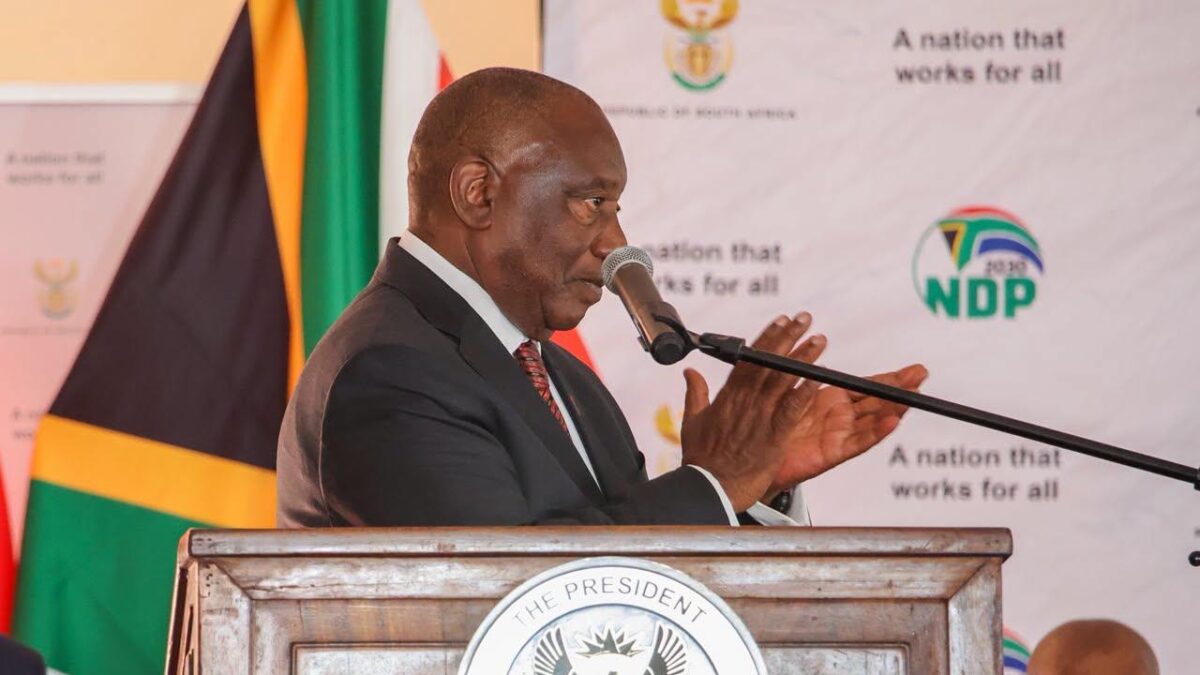
President Ramaphosa formally responded to President Trump. However, he failed to meaningfully respond to any of the three outstanding asks.
“It is safe to say the United States government was not just disappointed, it was shocked,” Bozell said.
“The message was clear: The South African government does not want a constructive relationship with the United States.”
Rubio responded by announcing a visa restriction policy. “This visa restriction policy is a first response, calibrated, and specific,” he said.
However, Bozell warned that additional actions could be taken against officials in South Africa if the outstanding issues are not resolved.
He highlighted that they don’t have any problem with the young entrepreneur in Soweto, or the winemaker outside Stellenbosch, or the software engineer in Durban.
“Our disagreement is with the government that continues to put its ideology above its own people,” he said.
- A refusal to condemn the incitement of violence against a targeted community is wrong.
- A refusal to give farmers in isolated areas the protection any government owes its people is wrong.
- A refusal to loosen ownership rules that stifle the investment needed to create the jobs South Africa desperately needs is shortsighted.
He said that many United States companies are waiting to bring major investment in critical minerals, energy cooperation, and telecommunications.
“At a time when the South African people need American investment the most, the SA government is rejecting a partnership with the United States,” he said.
“We hope the South African government will rethink this hostility. At this point, we find it a useless proposition to continue in endless dialogue that leads nowhere.”
“It is up to the South African government to demonstrate its seriousness about positive relations with the United States of America.”







 Loading ...
Regime change is the only way..if forced..so be it.