
South Africa is breaking apart


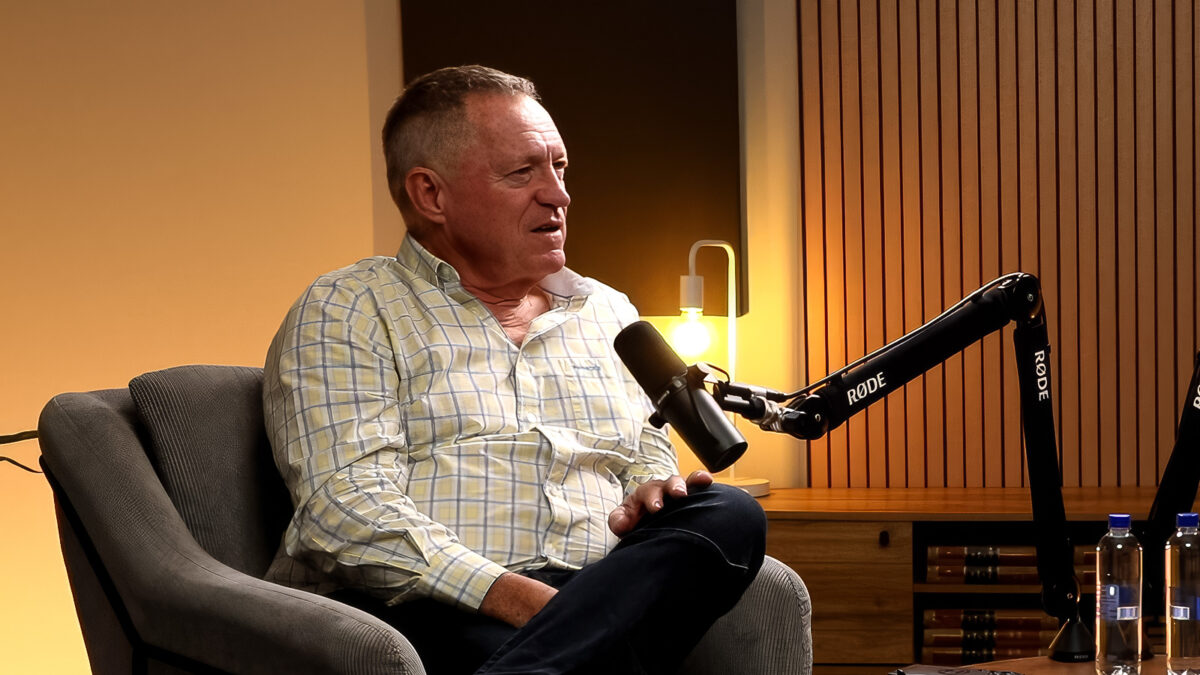
Efficient Group chief economist Dawie Roodt said that South Africa’s central authority under the ANC has been crumbling due to incompetence and corruption.
This, he said, has caused power to organically fracture into regions, such as the DA-governed Western Cape and MK in KwaZulu-Natal.
Even at a lower level, more power is shifting to municipalities and community organisations such as AfriForum, Solidarity, and churches.
He shared his views on the South African political landscape in a discussion with Dan Roodt on the Praag podcast.
He explained that South Africa, which is a young country which only came into existence in 1910, has always had a strong central government.
This strong central government held the country together, whether it was the National Party during apartheid or the ANC after 1994.
However, due to corruption, incompetence, and poor policies, central state institutions, such as schools, the police, the military, and state-owned enterprises, are collapsing.
As the ANC’s central authority has faded over the last 17 years, power has naturally shifted to the regions and local communities.
Roodt pointed to the Western Cape, which is governed by the DA, and KwaZulu-Natal, which is dominated by the MK party.
“There are advantages and disadvantages to this shift. Crucially, it could lead to violence and, ultimately, the political fragmentation of South Africa,” he said.
He argued that formal constitutional changes or legal devolutions of power will only emerge after the change in power has already happened.
“If political dynamics lead a province like KwaZulu-Natal or the Western Cape to break away or demand autonomy, it will happen on the ground first,” he said.
“From an economic standpoint, this is undesirable. Being part of a larger economy is always preferable to being part of a smaller one.”
Furthermore, a political breakup, which remains a real possibility, would introduce countless complex challenges.”
South Africa is not a stable, single country
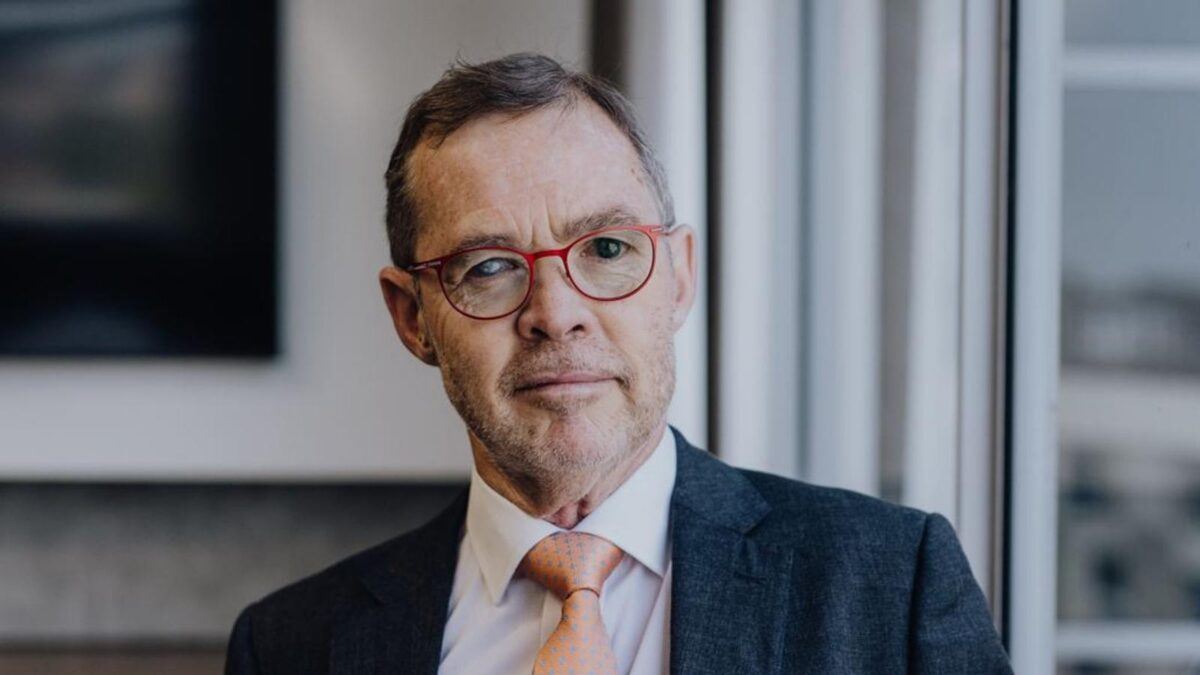
Many experts, including Professor Koos Malan, believe that South Africa is an artificial state, created in 1910 due to aggressive British imperialism, and is now crumbling.
Before 1910, South Africa was not a single country. It was a shifting patchwork of independent indigenous kingdoms, European colonies, and breakaway Boer republics.
Malan said that, despite a few changes after the 1994 democratic elections, South Africa remained the same.
“The main reason the unity of the South African state could be maintained was because of the strongly centralised Afrikaner nationalist party sitting in Pretoria,” he said.
He said that the Afrikaner National Party has maintained South Africa’s existence and unity since 1948.
He argued that there is no such unitary force anymore. “South Africa is crumbling. That is what’s been happening,” he said.
Malan said that the African National Congress (ANC) government is fundamentally incapable of governing.
“The South African state is now crumbling after 34 years of ANC government. It is not a democratic government. It is a majority ANC government,” he said.
“They have proven that they are incapable of administering or governing a modern state, as a result of which South Africa is indeed breaking up.”
“The breaking-up process is, in a sense, very negative. Millions of people are suffering as a result, specifically the support base of the African National Congress.”




 Loading ...
It is not necessarily true that “Being part of a larger economy is always preferable to being part of a smaller one.” SA as a whole could usefully shed large parts of it that suck up tax payer money to little or no avail. Moreover, a smaller state with good modern economic policies, Secure property rights, efficient police and rigid rule of law practices, will soon attract into itself anything and everything of value from surrounding poorly run areas.