
The small South African town that has been suffering from water shortages for three years


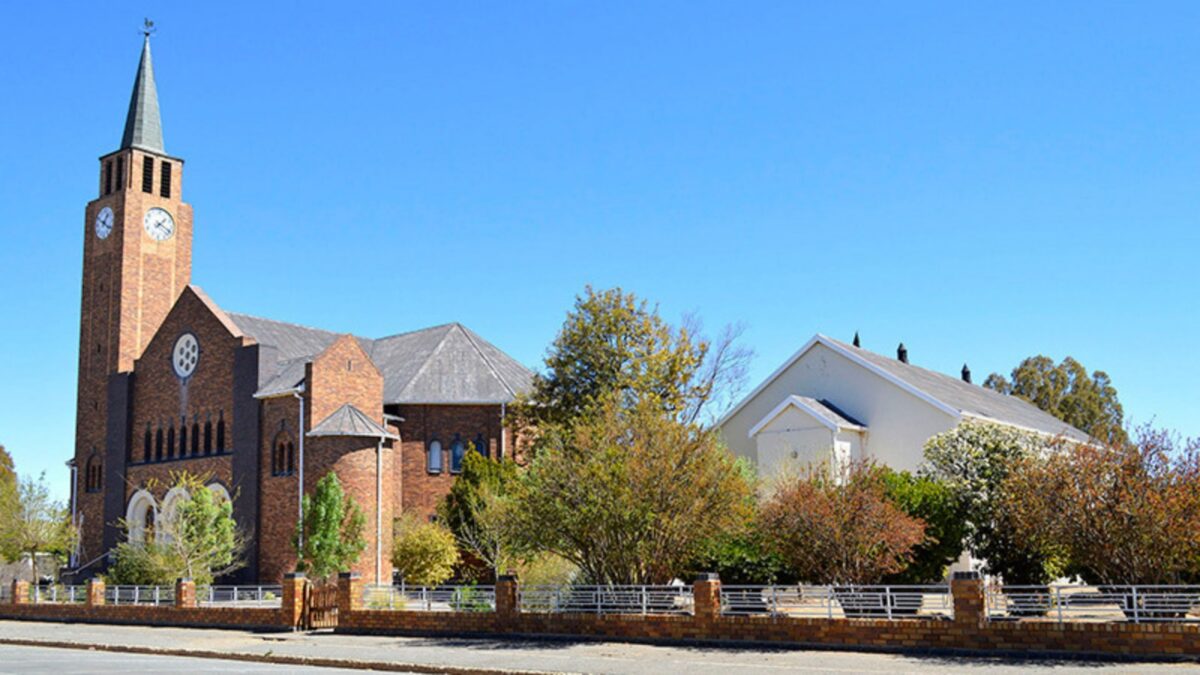
The town of De Aar in the Northern Cape has experienced a worsening water crisis over the last three consecutive years, leading to frequent water shortages.
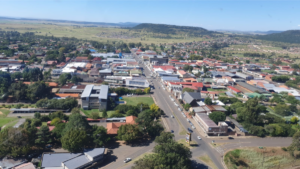
De Aar falls under the Emthanjeni Local Municipality, of which it serves as the municipal seat, and has an estimated population of around 37,000 residents.
The town was established in 1902 as a railway junction between Cape Town and Kimberley, with the area having been of particular strategic importance to the British army during the Second Boer War.
The names of both De Aar and the Emthanjeni Local Municipality translate to “the vein” or “the artery”, in reference to the extensive underground water network beneath the town.
De Aar relies almost entirely on groundwater pumped from local boreholes for its water supply, with the town’s semi-arid climate bringing little rainfall throughout the year.
Despite the historical abundance of underground water, residents of De Aar have repeatedly encountered dry taps over the last three years.
Parts of the town have reportedly been without water for more than two weeks after months of supply interruptions, low water pressure, and leaking pipes.
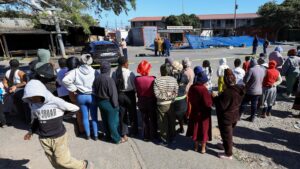
This has left many of the town’s residents having to procure water at their own expense, with many now dependent on JoJo tanks and water tankers.
Emthanjeni councillor Gerhard Engelbrecht said the crisis cannot simply be dismissed as a “water shortage” as thousands of litres continue to be lost due to leaks.
“Old-age homes, children’s facilities, business, hospitals, guesthouses and households cannot be expected to operate indefinitely under uncertain conditions,” Engelbrecht said.
“No elderly resident or child should have to worry about where their next bucket of water will come from, and no facility caring for vulnerable people should have to function without a reliable water supply.”
According to Engelbrecht, many of the leaks which he himself has reported to the municipality have gone unresolved for weeks or even months.
Restoring water to De Aar
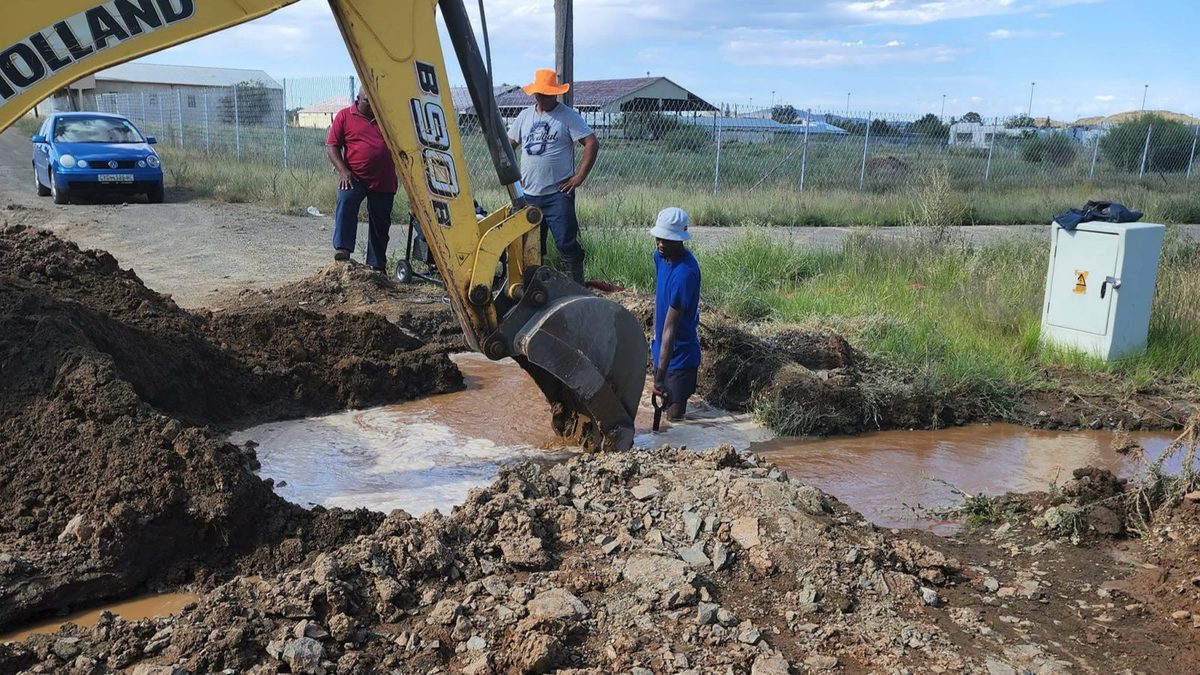
De Aar’s water crisis has been raised on multiple occasions through Council and engagements with both provincial and national government departments.
This has come in the form of oversight inspections, statements, complaints, and referrals to the South African Human Rights Commission.
Criminal charges were laid against the Emthanjeni Local Municipality by the Democratic Alliance in September 2024 over its failure to provide water to residents.
The following month, the Department of Water and Sanitation opened a criminal case against the municipality over the dilapidation of the De Aar Wastewater Treatment Works.
The facility had been at a standstill for more than two years at that point, allowing sewage to overflow and spill into the surrounding veld.
The municipality and other spheres of government have announced multiple funding and infrastructure projects over the years to restore water supply to De Aar.
This included the Northern Scheme Borehole Project, of which the first phase was due to be completed in May at a cost of R89 million.
The Caroluspoort water supply line, comprising three new boreholes and 7 km of pipeline, kicked off in September 2025 and was expected to be completed in June.
According to Engelbrecht, another R20 million allocation was made for water and sanitation upgrades in De Aar in December last year, but by March, no visible progress had been made.
“Projects and announcements mean little to residents who turn on the tap and still get nothing,” Engelbrecht said.
“De Aar residents deserve more than promises and project announcements. They deserve action, accountability and, most importantly, reliable access to water.”
Member of the Northern Cape Provincial Legislature, Fawzia Rhoda, has submitted a letter to the COGHSTA MEC Lebogang Motlhaping.
The letter seeks answers on provincial funding made available to Emthanjeni during the current 2026/27 MTEF, and intervention in the criminal charges laid against the municipality.
It also requests assistance with grant applications for the repair and maintenance of water infrastructure, and support to ensure services are delivered to the minimum standard.




 Loading ...