
The Gauteng Department of e-Government does not know the difference between Microsoft Azure and Vumacam access


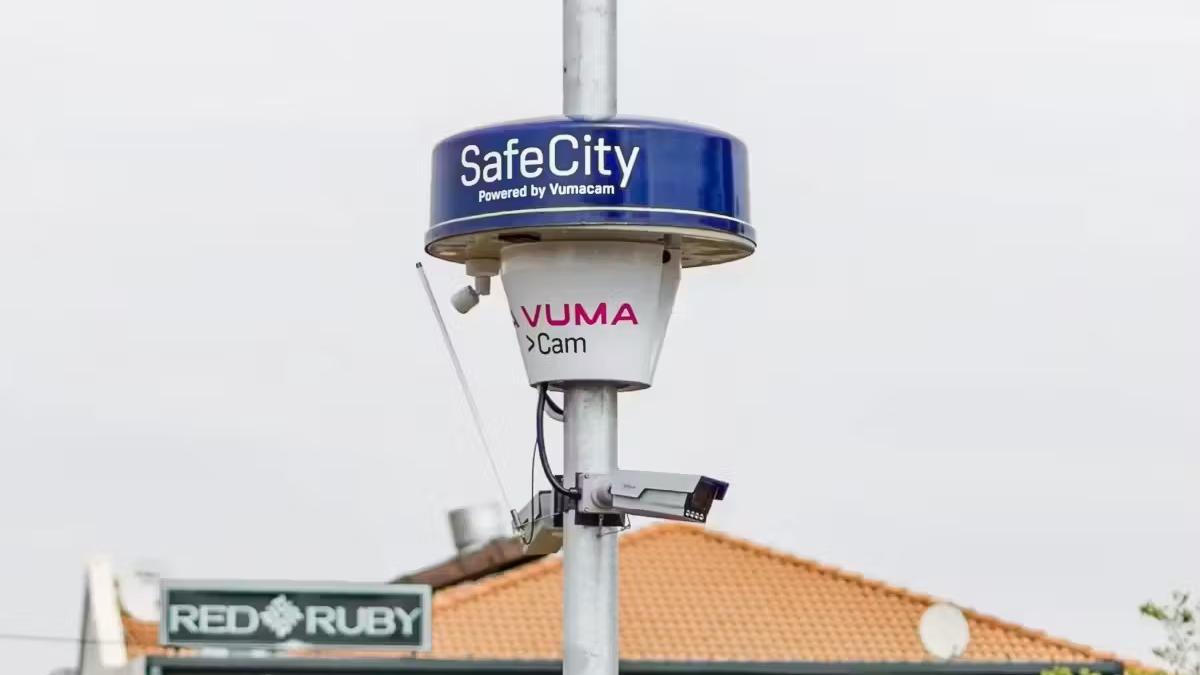
The Gauteng Department of e-Government said it had a R78.6 million contract with Microsoft Azure to lease 6,000 cameras.
However, this was actually a contract with Vumacam, which had an agreement with the province for access to its camera network.
This is an example of the governance problems the Gauteng Department of e-Government experienced.
Michael Waters, a member of the Gauteng Provincial Legislature, shared details about the Gauteng Department of e-Government.
He said that the department spent approximately R1.38 billion on a small group of suppliers and service providers during the 2026 financial year.
This expenditure was revealed in a written reply to questions in the Gauteng Provincial Legislature requesting details of payments made to the department’s major suppliers.
In one glaring example, the latest reply describes a R78.6 million contract with Microsoft Azure to lease 6000 cameras.
In a previous response, the department said a contract worth R78,629,760 was awarded to Vumacam for access to 6,000 cameras throughout the Gauteng City Region.
The department later disclosed that it awarded a further contract of R61.96 million to Vumacam, effective from 1 April 2026, for access to 7,271 cameras.
He questioned how a department spending millions on ICT contracts could confuse a Microsoft Azure service with a multimillion-rand Vumacam surveillance contract.
“This follows its unpaid Microsoft license debt, which once increased to R631 million because of invoices received late or not processed on time,” he said.
He said that these examples raise the question of whether the department has sufficient internal capabilities to fulfil its mandate to drive digital transformation.
“This department is also responsible for the Gauteng Broadband Network, which is meant to connect public government spaces such as clinics and libraries,” he said.
He raised concerns about the department’s reliance on external service providers and whether taxpayers are receiving value for money.
“Large portions of its budget flow to third-party service providers. I will request a reconciliation of the department’s expenditure on external service providers.”
This will include the total amount spent on external and third-party service providers as a percentage of the department’s overall budget.
He will also ask for the number and value of contracts awarded through deviations and single-source procurement.







 Loading ...