
Top South African fashion retailer warned about closing stores



The Congress of South African Trade Unions (COSATU) has asked The Foschini Group (TFG) to consider the impact of its store closures.
This followed an announcement by TFG earlier this year that it plans to close down hundreds of stores over the next few years.
This, TFG CEO Anthony Thunström explained, was needed because they faced a weak consumer environment and changing demand.
The planned store closures followed a period of rapid expansion, driven by an aggressive acquisition strategy.
TFG acquired Street Fever, White Stuff, JD Sports, Granny Goose, Coricraft, Volpes, Dial-a-Bed, and The Bed Store.
These acquisitions have aided the group’s topline, particularly as organic growth is hard to come by for retailers in a weak consumer environment like South Africa.
However, these acquisitions came at a cost, and The Foschini Group’s financial performance started to deteriorate.
This is because its interest-bearing debt increased to fund these acquisitions, which increased finance costs and ate into profits.
TFG’s finance costs increased from R783.8 million in the 2022 financial year to R2.05 billion in the 2026 financial year.
The acquisitions have also exposed TFG to brand impairments, with the retailer having incurred a R1.02 billion write-down in 2026.
So, while TFG has diversified its retail portfolio, it is now saddled with high debt and fragile intangible assets, which have led to a contracted bottom line.
To address this, TFG announced an aggressive store rationalisation strategy, with hundreds of stores on the chopping block in the coming years.
COSATU warns TFG about store closures
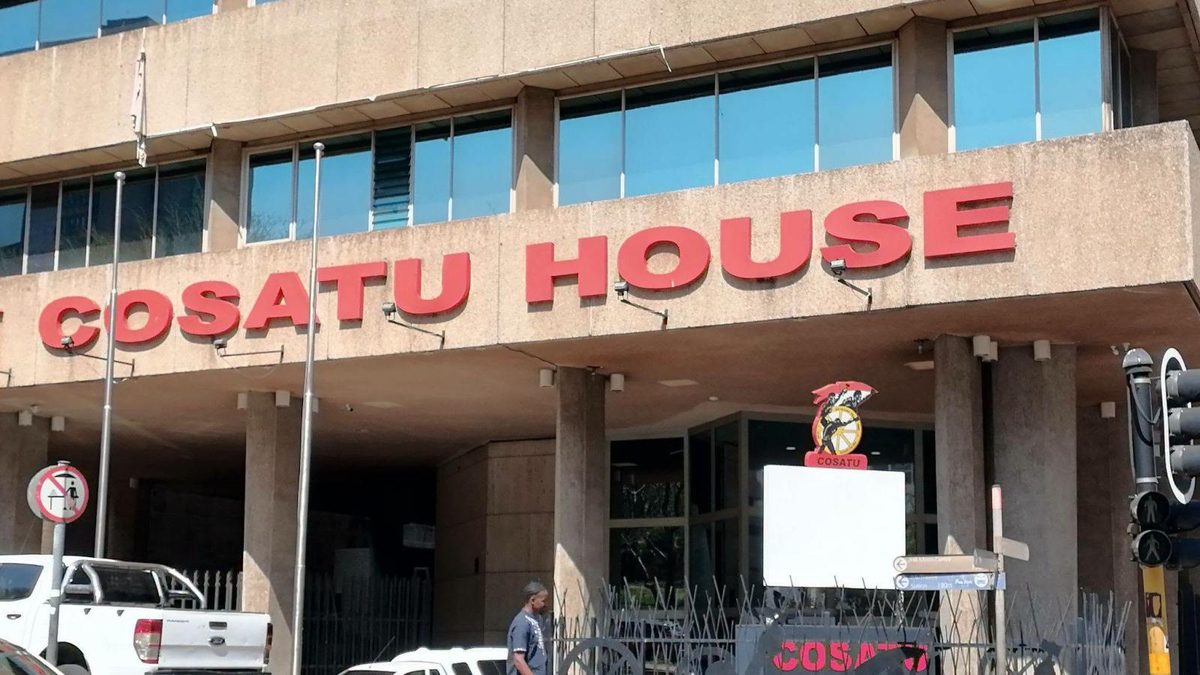
The Congress of South African Trade Unions (COSATU) has called on TFG to consider the impact of store closures on its staff.
This call followed TFG’s announcement that it plans to close 280 African outlets over the next three financial years.
“The fashion retailer has already commenced the process, with closures finalised this year,” COSATU said in a press statement.
“The group has cited a list of reasons behind the move, including the surge in the online market surpassing the performance of its physical stores.”
The trade union said these closures come as South Africa faces stagnant economic growth and high unemployment.
“The slow economic growth has undermined efforts to generate jobs and tackle our stubbornly high unemployment rate of 43.8%,” it said.
It added that the store closures coincide with the rise of artificial intelligence and automation, which contribute to retrenchments.
“Behind Foschini Group’s popular clothing brands, such as Foschini, Sportscene and Markham, are hard-working individuals,” COSATU said.
“The business is where it is today largely due to the blood and sweat of its staff. The billions it accumulates in sales are due to the toil of workers.”
COSATU said it would join forces with its affiliates to stop this blow to workers across the African continent and to find progressive alternatives.
The affiliates include the South African Commercial, Catering and Allied Workers’ Union (SACCAWU) and the Southern African Clothing and Textile Workers Union (SACTWU).
“It is vital that Foschini Group demonstrates solidarity towards its workforce, engages in good faith and finds alternatives to store closures,” it said.
The union argued that hasty decisions are not an option when people’s livelihoods are at stake.
“Throwing workers into the unemployment den should not be the pinnacle of decision-making and solution-finding processes,” it said.










 Loading ...
TFG close the shops go online only !!!