
South American drug cartels taking over South Africa


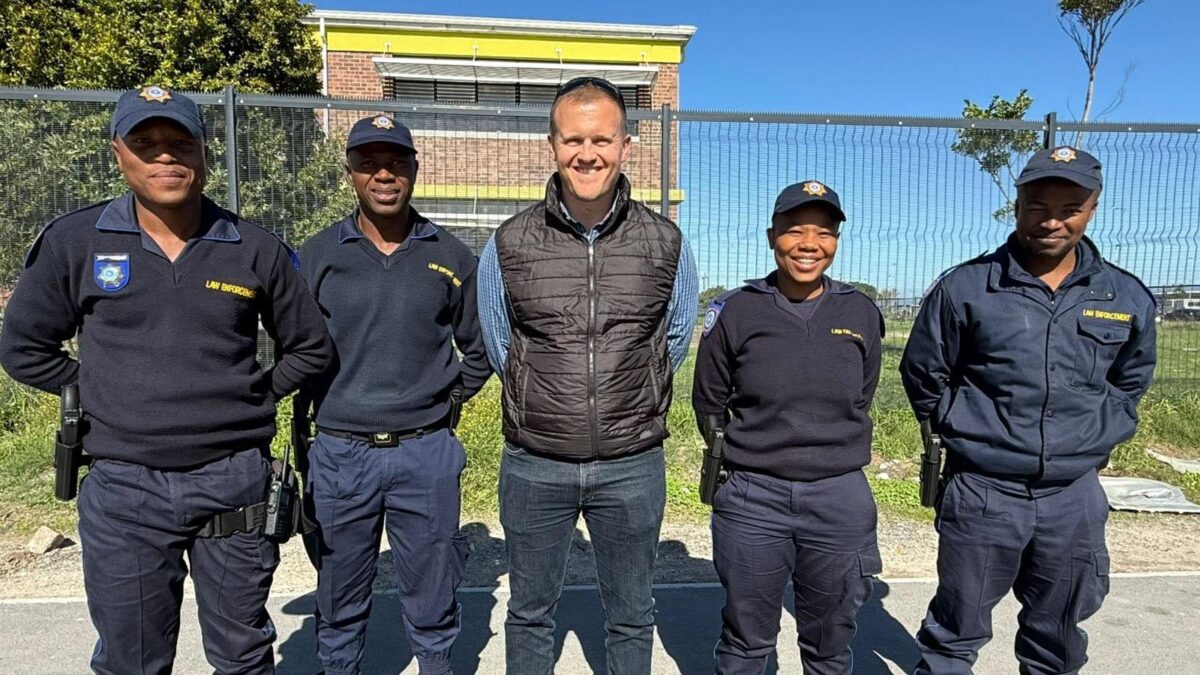
Ian Cameron, Chairperson of Parliament’s Portfolio Committee on Police, said that South American drug cartels are setting up bases in South Africa.
He shared this information during a question-and-answer session at the 2026 Biznews Conference, which took place at the Champagne Sports Resort in August.
Cameron said that information shared with him during briefings indicates increased involvement by South American cartels in South Africa.
There is a particularly strong focus on cocaine smuggling into South Africa, using harbours on the West Coast and Hout Bay.
“South American cartels are becoming a major problem. South Africa has become a safe haven for some of these syndicates,” he said.
However, it is not isolated to cocaine being smuggled into the country via its ports. The cartels are setting up bases across the country.
“Mexican cartels have established meth labs and manufacturing operations in the northern parts of the country before transporting the product down to market,” he said.
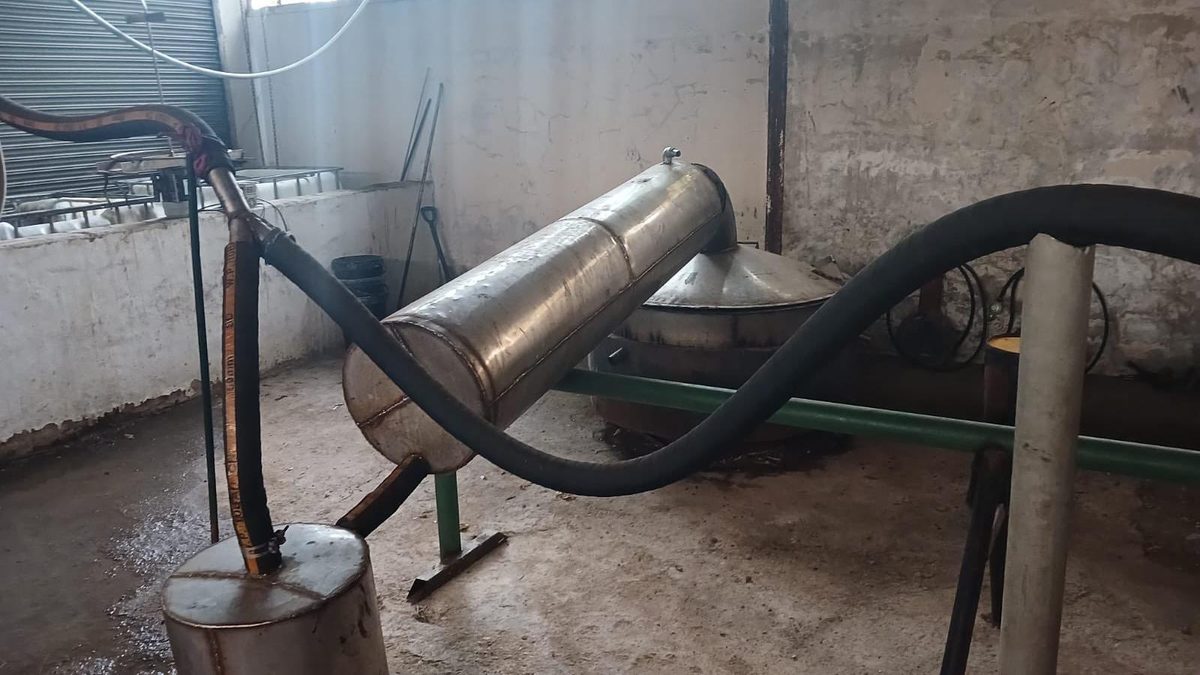
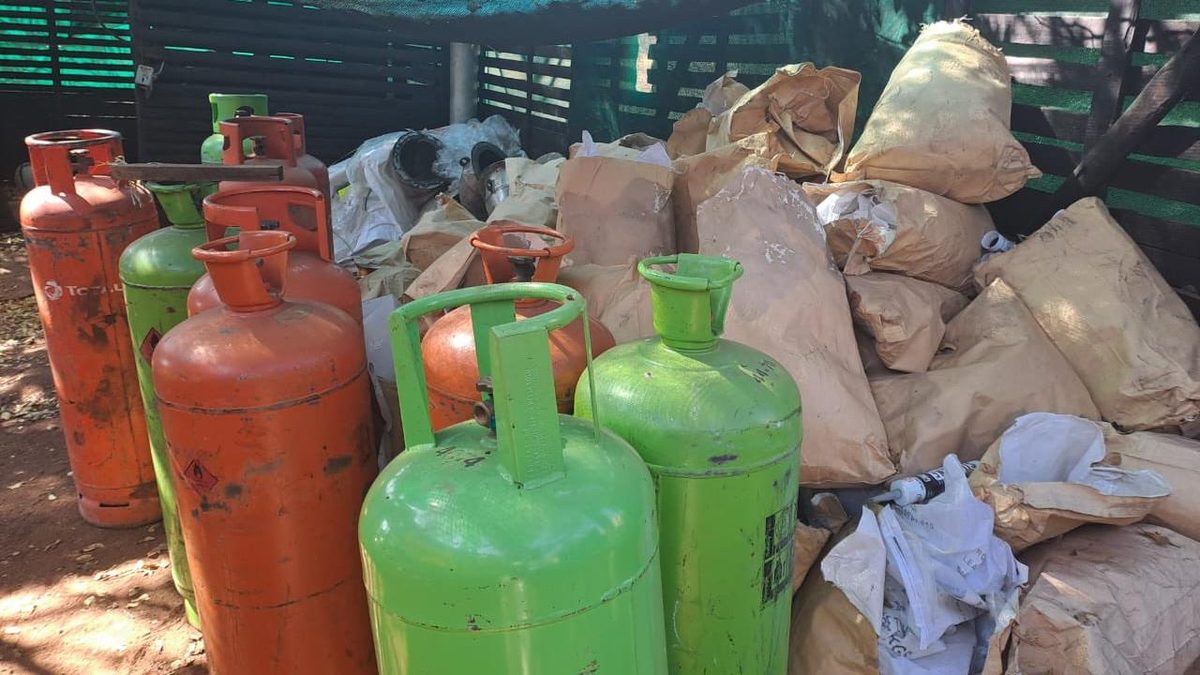
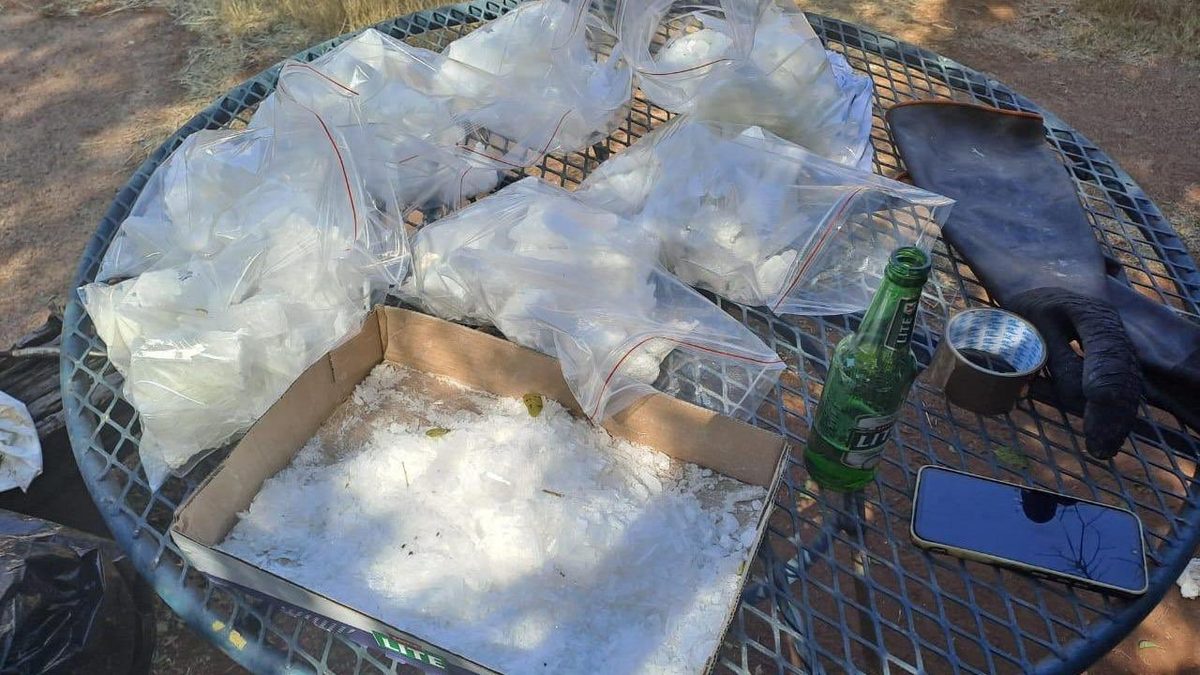
In recent months, the Directorate for Priority Crime Investigation, known as the Hawks, has dismantled many high-capacity production sites.
These were typically industrial-scale methamphetamine laboratories linked to Mexican drug cartels, primarily the Sinaloa Cartel.
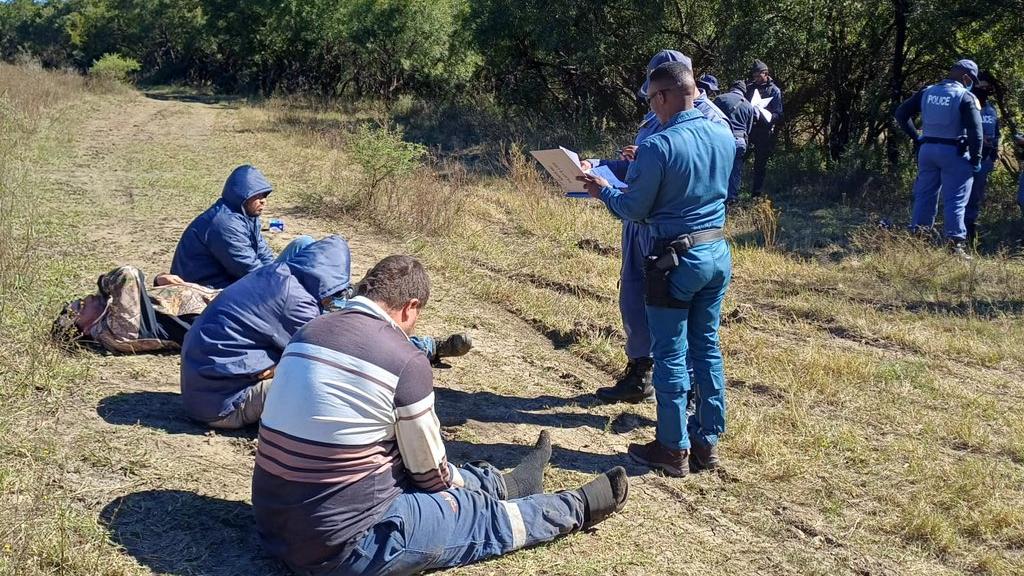
In August 2026, a raid on a farm near the Zimbabwean border uncovered a superlab valued at R600 million. Police arrested five people, including two Mexican chemists.
In May 2026, police seized 481 kg of crystal meth and dismantling equipment valued at over R1 billion. Eleven suspects were arrested, including four Mexican nationals.
In September 2025, authorities raided a rural site in Volksrust, seizing chemicals and meth valued at R350 million, arresting five Mexican nationals.
These are examples of Cameron’s concerns that South American cartels are growing their presence across South Africa.
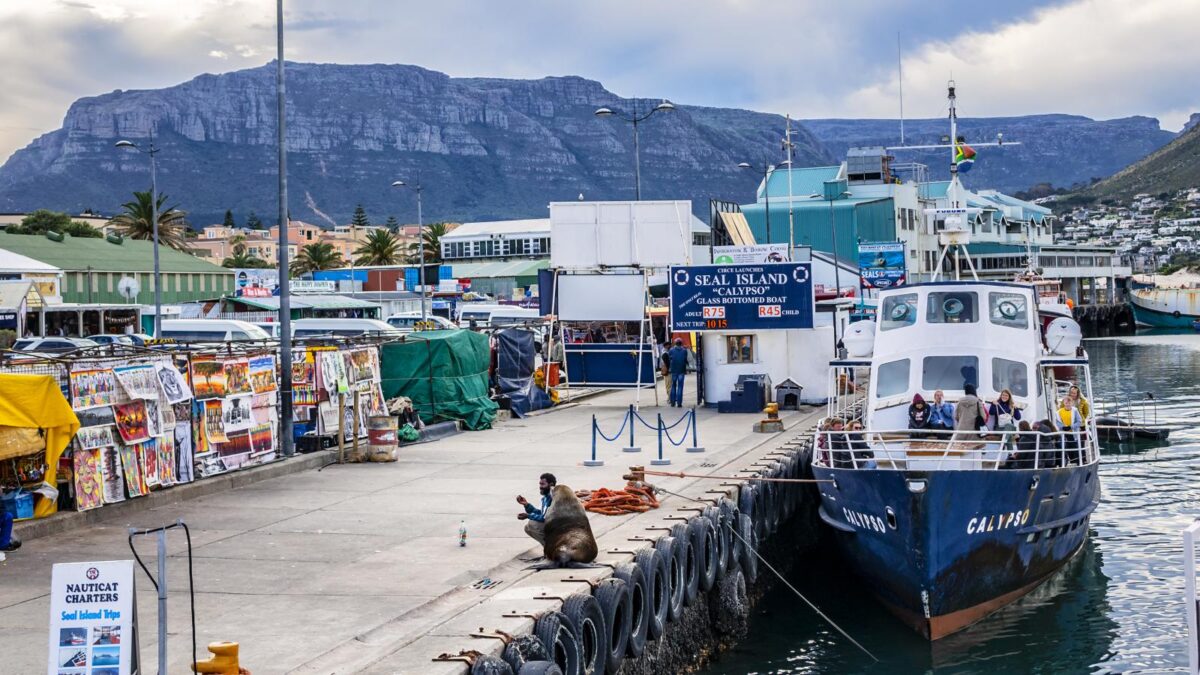
Hout Bay became a hotspot for illegal drugs and weapons smuggling
Cameron’s warning should not come as a surprise. Many studies have highlighted the increased in drug smuggling in South Africa.
The Global Initiative Against Transnational Organised Crime’s Western Cape Gang Monitor revealed Hout Bay is a hotspot for drugs and weapons smuggling.
Hout Bay forms part of a network of secondary ports used by gangs and trafficking syndicates to move cocaine into the country.
Using the harbour in the small seaside town enables them to bypass larger, more heavily monitored entry points.
Hout Bay is used as a launch and coordination point for vessels collecting cocaine, which are offloaded at smaller ports and slipways along the coastline.
This is a good strategy as the Hout Bay harbour lacks effective port control, allowing traffickers to move freely.
Efforts to strengthen security at the harbour have been undermined by local residents with gang sympathies.
“Surveillance cameras are being damaged, and security guards are being intimidated and even robbed,” the report said.
Once onshore, the drugs are moved into Hangberg and stored in an area known as ‘The Zone’. The site is located deep within the neighbourhood.
It is protected by the Terrible Josters and the broader community, making it difficult for the police to access.
A path called ‘Die Sloot’, running along the back of Hangberg, serves as a concealed smuggling route into and out of the area.
These dynamics are reshaping local drug consumption, with demand for powder cocaine increasing.
SA Police Service officials have noted a surge in cocaine use, with similar trends reported in Ottery and the Terrible Josters strongholds of Hawston and Delft.
The same drug-smuggling routes are used for firearm trafficking and to smuggle abalone in the opposite direction.
Drug labs busts in South Africa












 Loading ...
Legalize drugs. Stop messing around. There is no need to continue the war on drugs. It has never been the correct decision. The entire proscription of drugs originated as a racist policy in the US designed to imprison POC. It has been an unmitigated failure from the start and it conveys zero benefits to society.