
National shutdown and the rise of March and March


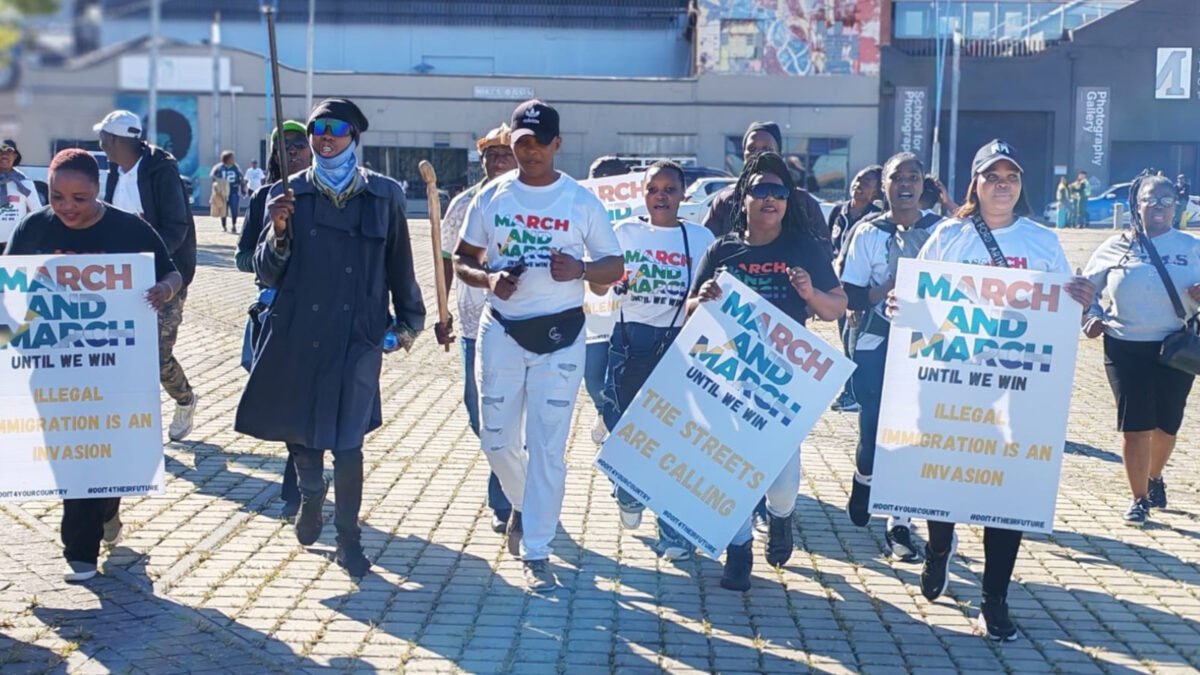
The anti-illegal immigration group March and March has led national shutdowns against illegal migrants in the country, and has rapidly risen in prominence over the last few months.
March & March is a grassroots civic movement in South Africa that advocates for stricter immigration enforcement, enhanced border security, and prioritisation of South African citizens for employment and social services.
The group was founded in March 2024 in Durban, KwaZulu-Natal, by Jacinta Ngobese-Zuma, a civic activist and former radio presenter.
The movement started at a local level to address public concerns regarding undocumented foreign nationals, illegal immigration, and the strain on public services.
The group gained significant national traction in 2025 by deploying volunteers outside public clinics and hospitals, such as Addington and R.K. Khan Hospitals in KwaZulu-Natal.
During this action, they demanded that patients present South African IDs before being allowed entry.
By 2026, the movement had expanded its reach across all nine provinces through organised protests, calls for workplace inspections, and public demonstrations.
In late 2025, the leadership of March & March and related groups issued a publicised deadline of 30 June 2026 for undocumented foreign nationals to leave South Africa.
This announcement sparked widespread debate, fear among refugee communities, and nationwide protests.
The rapid mobilisation of March & March, alongside similar groups like Operation Dudula and political parties such as the Patriotic Alliance, has exerted pressure on the South African government and President Cyril Ramaphosa’s administration.
In response to the tensions leading up to and surrounding the movement’s actions, the government was compelled to implement significant security measures.
R600 million was allocated for security and law enforcement to prevent xenophobic violence, protect communities, and maintain public order during the nationwide demonstrations.
Officials from the Department of Home Affairs and law enforcement agencies increased targeted sweeps, conducted workplace compliance inspections, and expedited the deportation of foreign nationals.
President Ramaphosa has acknowledged the public’s frustration with porous borders, undocumented migration, and failures to regulate spaza shops.
His administration has promised stricter enforcement of municipal bylaws, tighter business licensing rules, and enhanced compliance with immigration laws.
March and March outline its next steps
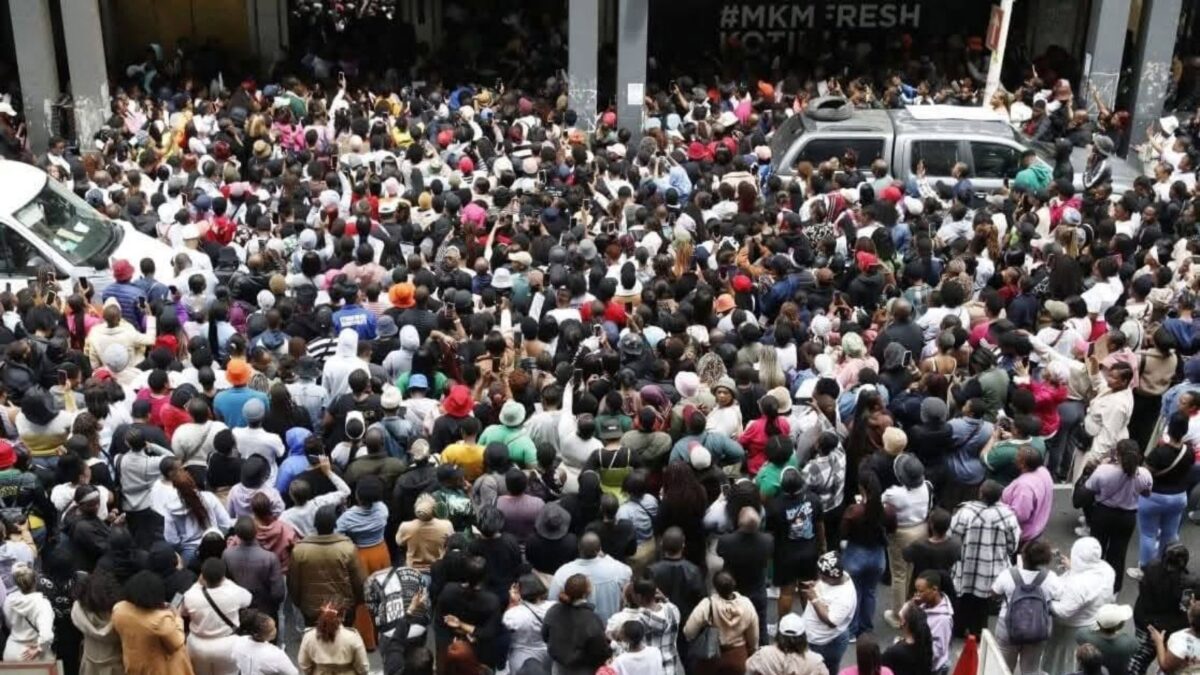
Following the protests on 30 June 2026, March and March outlined its next steps and demands to the national government.
While the protests were not as disruptive as many had feared, and the country successfully prevented the marches from escalating into riots, there were still significant consequences.
Damage occurred, lives were lost, and businesses were affected. Reports indicate at least one fatality connected to the protests, over 900 arrests, and millions of rands in losses, primarily impacting the township economy.
After the protests, the organisation said that South Africans have collectively organised over 120 successful marches across the country, with 98% of them incident-free.
They announced a three-month action plan that will include a nationwide campaign of peaceful demonstrations, picketing, and blitz events. March and March made several requests.
- They want to collaborate with stakeholders and political parties to participate in a National Dialogue addressing the causes of irregular migration, its impacts, and potential solutions.
- They aim to meet with all political parties to gain support for a unified stance on irregular immigration and the enforcement of immigration laws.
- They seek to engage with municipalities and the Department of Cooperative Governance and Traditional Affairs to establish bylaws that reserve township economies for South African citizens.
- They request that the South African Police Service and the Department of Home Affairs conduct operations in Central Business Districts and private properties, particularly targeting those properties hijacked by foreign nationals.
- They want to educate South Africans about aiding, abetting and harbouring illegal immigrants.
“The only language that the government understands is the mass rolling action, and we accordingly encourage our members across the country to consistently take to the streets peacefully until our demands are met,” the group said.









 Loading ...
Great work Jacinta, keep it going.