
Mafia groups arrive with high-calibre weapons and very expensive cars to intimidate workers


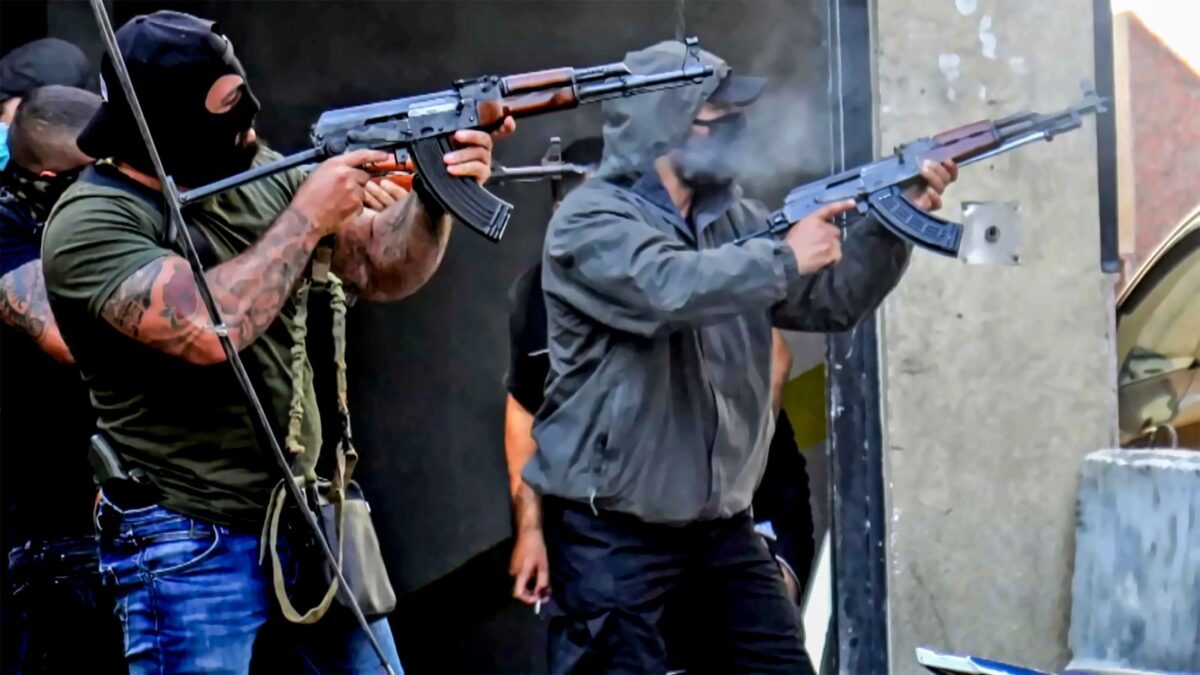
Minister of Public Works and Infrastructure, Dean Macpherson, said that the construction mafia is a destructive and dangerous risk to infrastructure in South Africa.
He added that they often arrive at construction sites with high-calibre weapons and very expensive cars to intimidate workers, demand cash, and shut down projects.
Macpherson discussed the construction mafia in South Africa at the 2026 Biznews Conference at the Champagne Sports Resort in the Drakensberg.
He said that these groups are organised and sophisticated criminal syndicates that often masquerade as business forums.
“We see it when they arrive with high-calibre weapons and very expensive cars to make threats and demand cash,” Macpherson said.
These criminal syndicates and so-called business forums in South Africa have become increasingly confident.
“They arrive on construction sites to intimidate workers and shut down billions of rands in economic development without consequence,” he said.
“That not only delays a project, but it also changes the entire investment decision and narrative about South Africa.”
“No investment or investor, local and international, is willing to put capital into sites where criminal organisations run amok.”
When Macpherson took office, he launched a national war on building-site extortion and a plan to export the template used in Cape Town.
“We brought the government, law enforcement, and the construction sector together for this initiative,” he said.
“Everyone told me not to go down this road, as the construction mafia was too dangerous and powerful, and that I was wasting my time,” he said.
“I wasn’t prepared to accept that. Since then, more than 770 cases of construction-related extortion and intimidation have been reported.”
These construction-related extortion and intimidation cases have resulted in 241 arrests and 176 convictions.
Taking action against the construction mafia worked. In KwaZulu-Natal, the worst-affected region, there has been a drastic decline.
“We have seen construction disruptions in KwaZulu-Natal fall from nearly 60 a month to less than 10 in just two years,” he said.
The cabinet has now approved the Integrated Social Facilitation Framework to take this work even further.
“It creates a clear and legitimate process for community participation, allowing them to become our first line of defence and our partners in protecting infrastructure,” he said.






 Loading ...
Mafia work with politicians and police that is the reason they do things with impunity. Police die with guns in their hands fearing to loose their jobs because politicians are the most noisy and interferes.