
Tax revolt on its way in South Africa


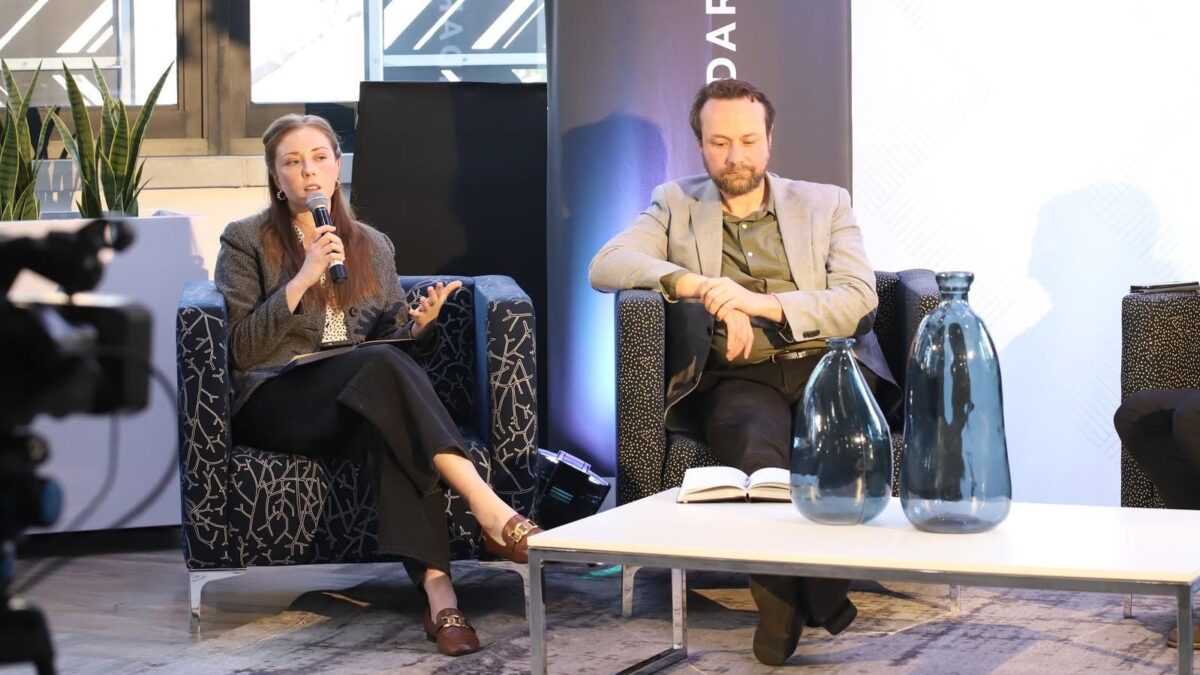
Connie Mulder, the head of Solidarity’s Research Institute, said that South Africans will begin resisting paying taxes if the state fails to deliver services.
He shared his views on South Africa’s tax regime and the government service delivery problems during Kragdag 2026.
In this interview, Mulder explained that the civil service had been destroyed, leaving no room for government officials to execute their stated plans.
He estimates that, optimistically, it will take 10 to 15 years for the public civil service to recover if the right environment is created. However, this is unlikely to happen.
“The realisation that the state civil service cannot deliver basic services will become widely accepted across the country over the next 10 years,” he said.
Many people have already realised this, which prompted South African communities to do things themselves instead of relying on the state.
“This devolution means that by regaining your strength, you automatically adopt a ‘do-it-ourselves’ mindset,” he said.
As communities take over services that the government should provide, it raises questions about why people should pay taxes.
“Within the next ten years, we will have a conversation about why we should pay taxes to the government if they are not providing the services,” Mulder said.
“With the rise of future coalitions, you will increasingly see a DA/Freedom Front Plus coalition contracting services out to a private firm.”
“Once that firm is operating in an area, it no longer makes sense for citizens to pay both the city council and the firm.”
He said that this conversation is on its way. “While it isn’t ready yet, I estimate that in about five or six years, we are going to have a very heated debate.”
A tax revolt is already underway

Efficient Group chief economist Dawie Roodt said a tax revolt in South Africa is already happening through aggressive tax planning, capital flight, and skilled emigration.
Roodt also shared his views on South Africa’s tax regime and the economy during an interview with Ernst Roets at the Kragdag Conference.
There was a focus on the high tax burden, which is carried by a small group in the population. He said that South African taxpayers are overburdened.
Another problem is that the government is inefficient and that public servants, in Roodt’s words, are “overpaid, underworked, and ineffective”.
“State employees represent 3% of the population but swallow 17% of the economy in salaries,” he said.
With widespread corruption and mismanagement in government, many people have called for a tax revolt. However, Roodt said that this can be dangerous.
“Once you successfully get people to stop paying taxes, it’s nearly impossible to get them to start paying again,” he said. “This can hurt the country.”
Roodt said that many people, including children, rely on government grants to survive. These grants are funded through taxes.
However, that does not mean that people are not quietly rebelling against the high taxes. He said that a tax revolt is already underway in South Africa.
He said that when clients walk into his office, they ask for two things: taking their money overseas and avoiding paying tax.
“People are managing their tax affairs very aggressively. People are taking their money offshore and engaging in aggressive tax planning,” he said.
“People are using various strategies in their companies and personal structures to pay as little tax as possible.”
In more extreme cases, people are emigrating or choose to stop working because the tax burden has become too heavy.






 Loading ...
We “allegedly” have a social contract with our Government, where they provide all national and local services and we, the tax payers, pay our tax. When a contract is broken, what possible reason do we have to still be forced to pay taxes!!! This is complete nonsense and shows absolute cowardice from all our civil institutions and corporates for not enforcing a tax strike years ago. We would have seen the back of the ANC at the same time!!!