
Top South African university makes Afrikaans a Tier 2 language


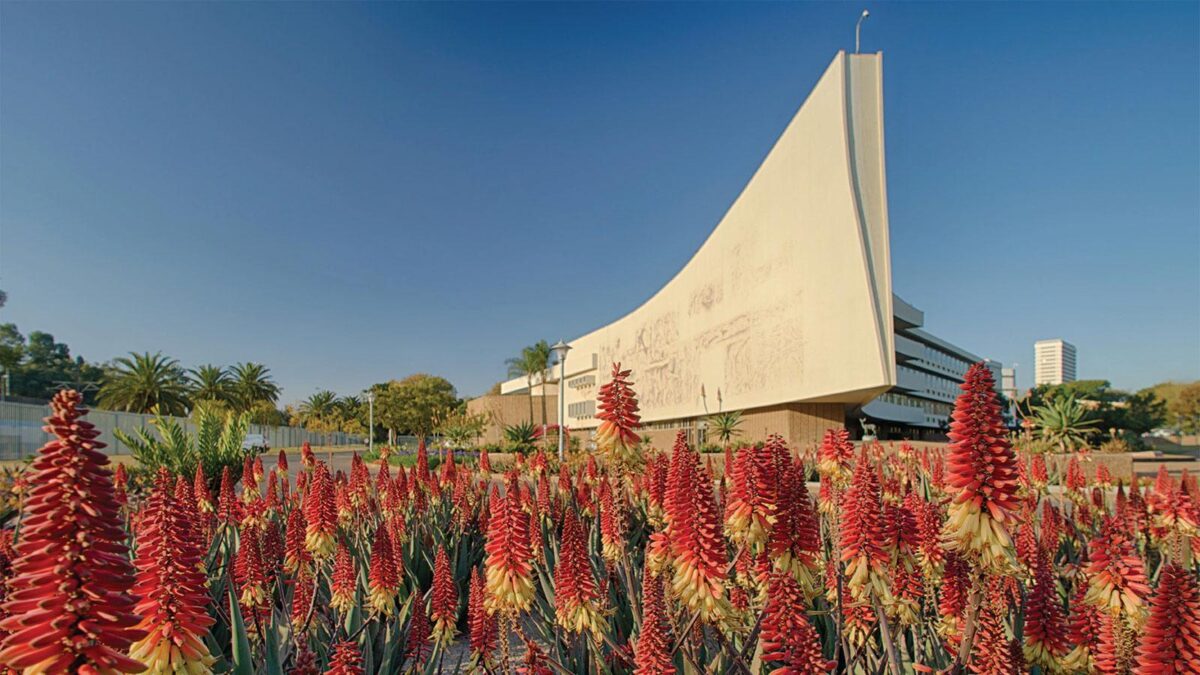
The University of Pretoria has introduced a new three-tier language framework, where English is Tier 1 and Afrikaans and Sepedi are Tier 2.
The new three-tier language framework forms part of the university’s language policy, which guides its position on different languages.
The University of Pretoria said it recognises language as fundamental to academic excellence, social transformation and human dignity.
“We embrace our multilingual heritage as a strategic asset that enriches scholarship, enhances learning, and builds inclusive communities,” it said.
“This policy affirms our commitment to developing a multilingual institution that serves all members of our university community.”
“This is done while advancing indigenous languages as vehicles of knowledge creation and dissemination.”
It explained that the purpose of the language policy is to determine language planning, management and practice at the University of Pretoria.
This, it said, is done in a framework that promotes multilingualism, equitable access, academic quality, equality and social cohesion, and redresses historical imbalances.
“The policy is enabling and empowering, rather than prescriptive and restrictive,” the University of Pretoria said.
English serves as the primary language for teaching, learning, and assessment at the university.
Multilingualism is promoted in research communication, student support, and institutional life, wherever reasonably practicable.
The revised Language Policy introduced eleven substantive changes, which include a new three-tier framework.
- Tier 1: English as the primary language of teaching, learning, assessment, and administration.
- Tier 2: Afrikaans and Sepedi as institutional languages for scholarly discourse development, terminology development, and defined support functions.
- Tier 3: Other official South African languages, including South African Sign Language, are supported where enrolment, capacity, and demand warrant.
The University of Pretoria said its new Language Policy aligns with the Language Policy Framework for Public Higher Education Institutions.
“The revised policy retains the enabling rather than prescriptive orientation and preserves continuity in the core language commitments of the University,” it said.
University of Pretoria’s language history
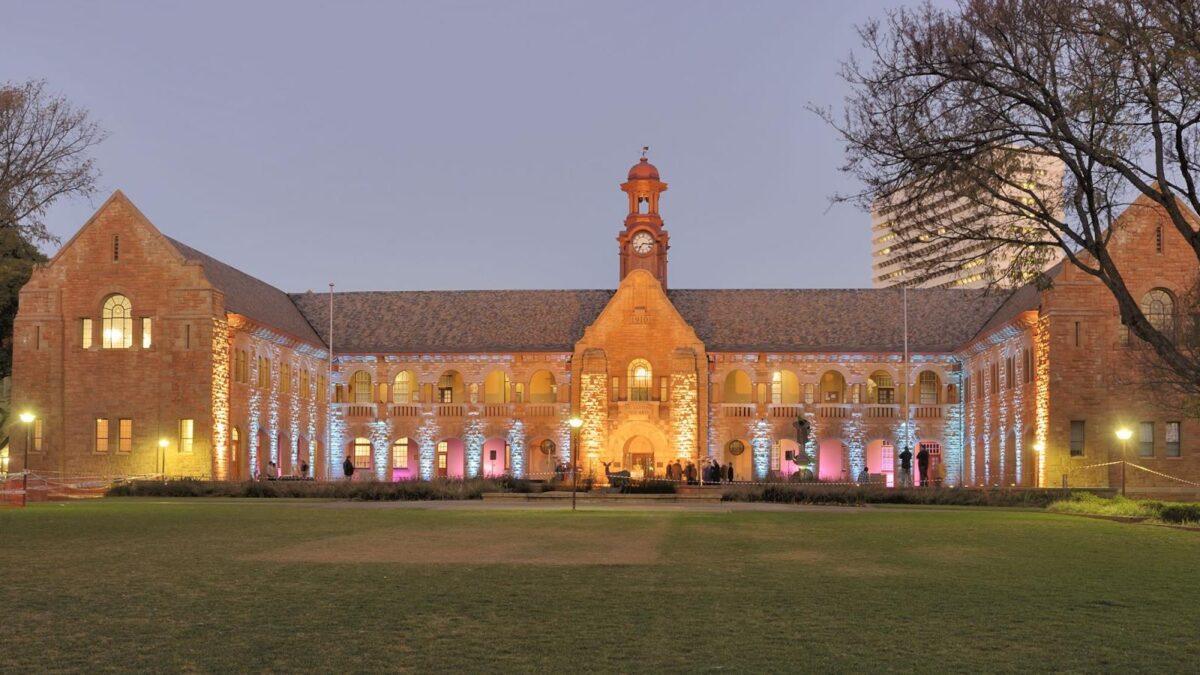
The latest change is significant considering the University of Pretoria’s history and its strong association with Afrikaans.
The University of Pretoria was established in 1908 as the Pretoria campus of the Johannesburg-based Transvaal University College.
English was the primary language of instruction during its initial years, with Dutch as an official co-language.
Afrikaans was first introduced as a secondary language of instruction in 1917, when it gained formal recognition in South Africa.
The college became a fully independent, autonomous university under an Act of Parliament on October 10, 1930, adopting the name University of Pretoria.
On September 13, 1932, the university council officially designated Afrikaans as the sole language of instruction.
This resolved an ongoing demographic imbalance where most students were Afrikaans-speaking, but the majority of classes were still taught in English.
Over the next six decades, the University of Pretoria served as an intellectual and cultural centrepiece for Afrikaner academia.
The university fostered Afrikaans literature, science, and technical terminology, playing a central role in elevating Afrikaans into a language of modern academia and industry.
Following the transition to democracy in 1994, the university adopted a dual-medium language policy, with Afrikaans and English as its official languages.
Lectures were offered in both English and Afrikaans where feasible, or split into separate language streams depending on enrollment.
By the 2000s and early 2010s, non-Afrikaans-speaking students comprised the majority of the student body.
This resulted in growing logistical, financial, and socio-political tensions around running duplicate academic streams.
In 2016, the University of Pretoria Council resolved to phase out Afrikaans as a primary medium of instruction to eliminate barriers to access and foster social cohesion.
Starting in January 2019, English became the sole primary medium of instruction across all undergraduate and postgraduate lectures.







 Loading ...
I believe this is a tough topic to solve. If you want to pay an institution to teach you, then either adapt to their language policy, or go pay another institution that suites you. Then comes the building of institutions to cater for the immediate surroundings – if you don’t have the capabilities of travelling to an institution that caters for your language, at least, their should be an institution with reasonable accommodation or travelling assistance to allow students to get at least some form of their own education, but it would be largely the predominant language of the feeding area.