
The top Afrikaans school that had a 100% matric pass rate for three decades and produced Springbok Faf de Klerk


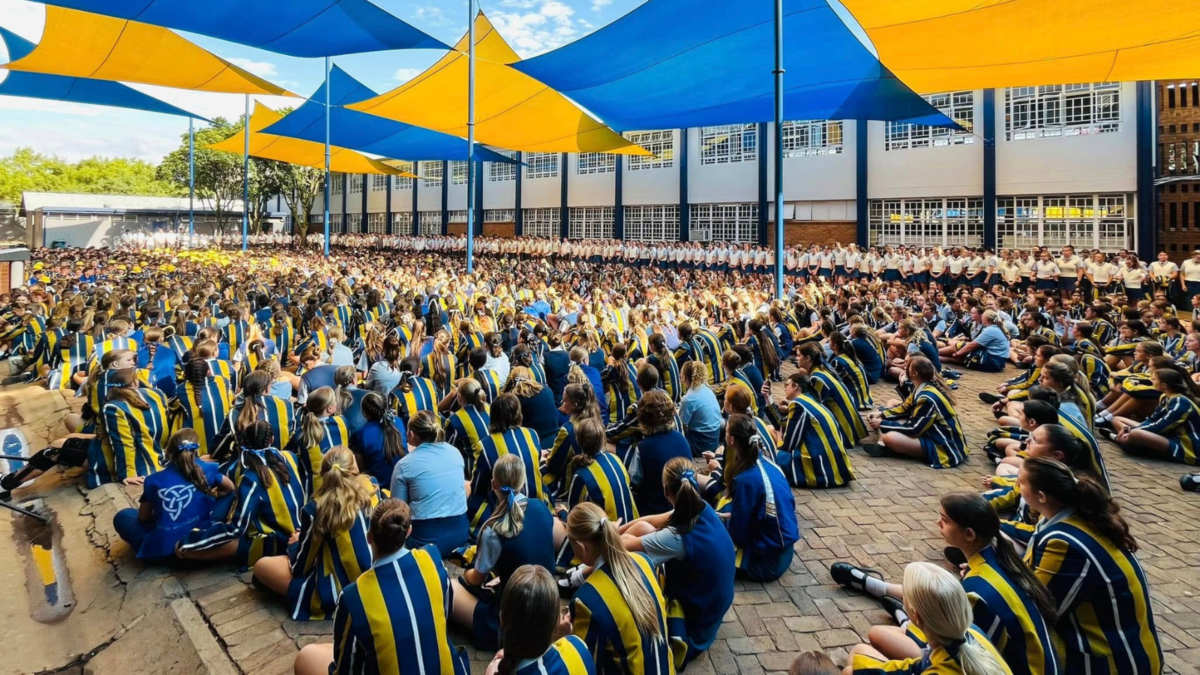
Hoërskool Waterkloof has grown from a small public school that opened with just a handful of classrooms in 1979 into one of South Africa’s best-performing government schools.
Located in Pretoria, it is known for its consistently strong academic results and outstanding sporting achievements.
The school also has a long list of successful alumni, including two-time Rugby World Cup winner Faf de Klerk.
Hoërskool Waterkloof, commonly known as Klofies, is a public Afrikaans-medium high school located in the eastern suburbs of Pretoria, Gauteng.
The school officially opened in January 1979 after being established to serve the city’s growing eastern suburbs.
It started with just 12 classrooms and around 400 learners in Grades 8 and 9, and a small group of teachers.
The school was named Hoërskool Waterkloof in March 1979 after the farm on which it was built. Its motto, Ons bou in geloof (“We build in faith”), was adopted later that year.
Although the school was still small, it focused on academics and extracurricular activities from the beginning. During its first year, it established a choir, a drama group, an athletics club, and a rugby team.
Growth came quickly. By 1980, learner numbers had almost doubled, and by 1982, the school held its first matric examinations.
Over the following decades, Hoërskool Waterkloof continued to expand as Pretoria’s eastern suburbs developed into one of the city’s most affluent areas.
Today, the school has around 2,500 learners and is widely regarded as one of South Africa’s leading public schools.
While it remains an Afrikaans institution, it attracts families seeking strong academic standards, competitive sport and a wide range of cultural activities.
Academic excellence and sporting success
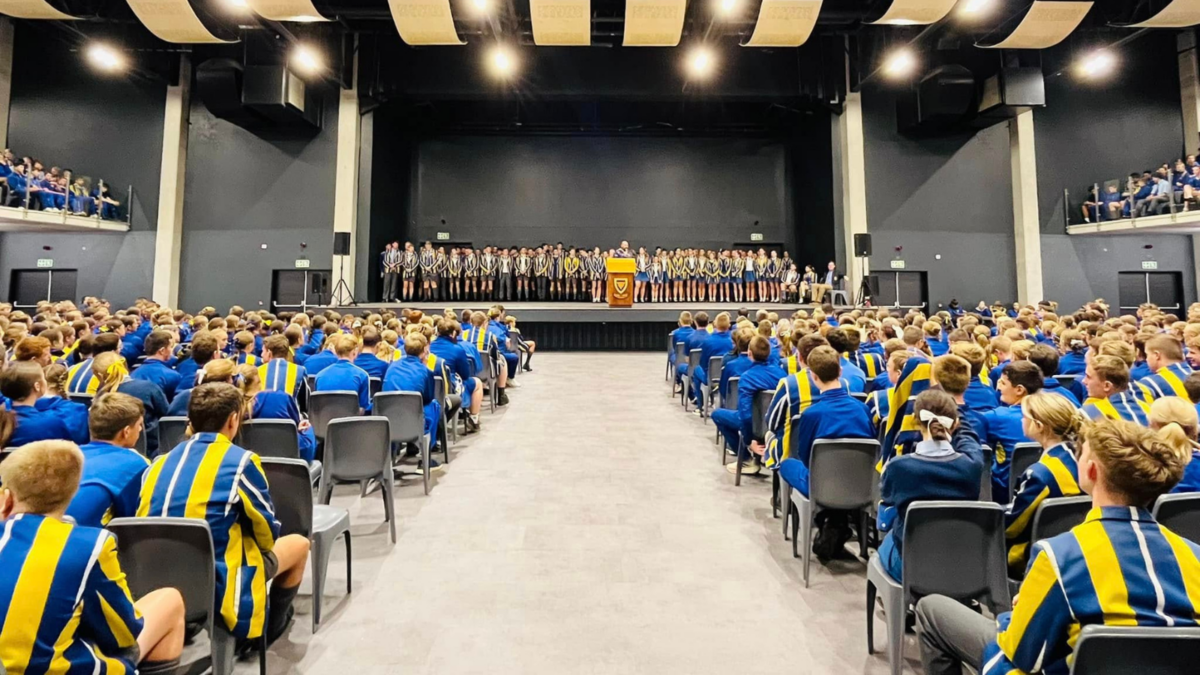
Even though it is a public school, Hoërskool Waterkloof has built its reputation on consistently strong academic performance.
The school has maintained a 100% matric pass rate for around three decades, with top performers consistently ranking among the best in Gauteng.
It has also been repeatedly recognised by the Gauteng Department of Education as one of the province’s top public academic schools.
Its 2024 matric class produced 811 distinctions, making it the highest-performing public school in Gauteng and one of the strongest academic schools in South Africa.
The school also compares favourably with many private schools while charging significantly lower fees.
In 2026, annual school fees are R50,600 per learner, well below the fees charged by many of South Africa’s leading independent schools.
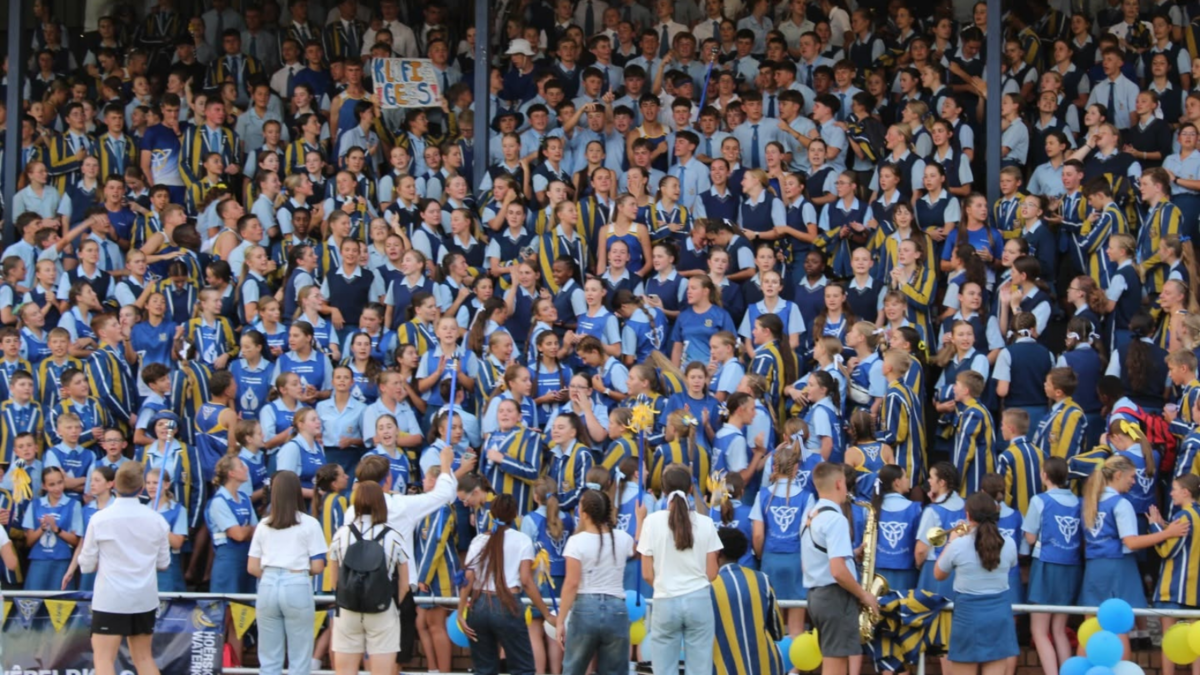
Sport is another area where Hoërskool Waterkloof excels. The school has long been one of South Africa’s strongest rugby schools.
It has also achieved success in various other sports, such as athletics, cricket, netball, swimming, tennis and chess.
According to SA School Sports, Hoërskool Waterkloof ranks among the country’s top three co-educational schools for sport.
The school’s focus on both academics and extracurricular activities has helped produce many successful alumni.
The school’s best-known former learner is Springbok scrumhalf Faf de Klerk, who won the Rugby World Cup with South Africa in 2019 and 2023.
Other notable former pupils include Proteas cricketer Janneman Malan, golfer Christiaan Bezuidenhout, actress and singer Hennie Jacobs, and Miss South Africa 2012 Melinda Bam.
The Solidarity Movement has also highlighted Hoërskool Waterkloof as an example of the quality of Afrikaans education in South Africa.
Despite a decline in the number of Afrikaans schools writing the National Senior Certificate examinations, Waterkloof has maintained strong matric results and consistent academic standards.
Today, more than four decades after opening its doors, Hoërskool Waterkloof remains one of South Africa’s leading government schools.
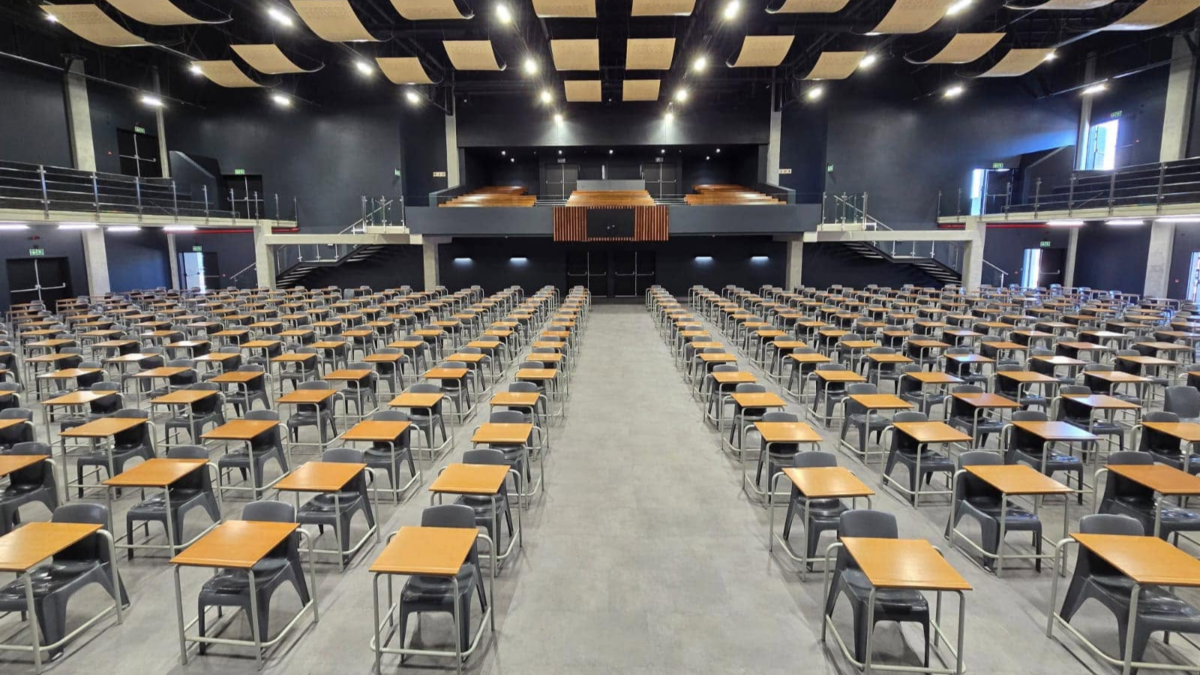
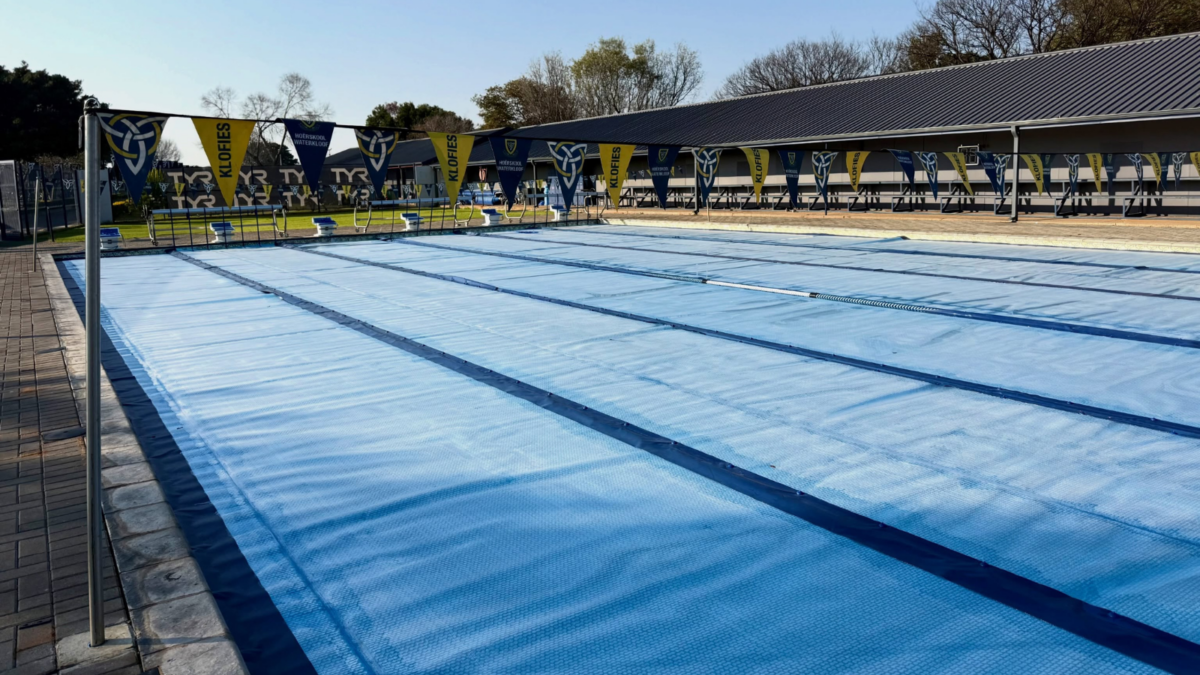
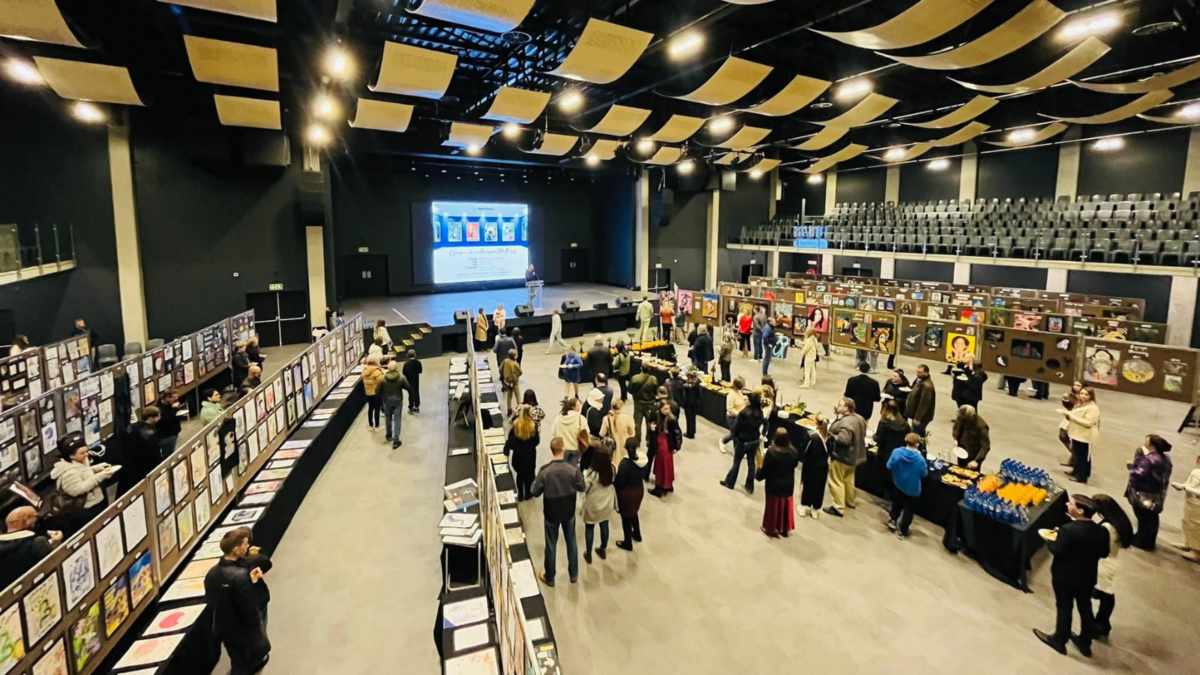
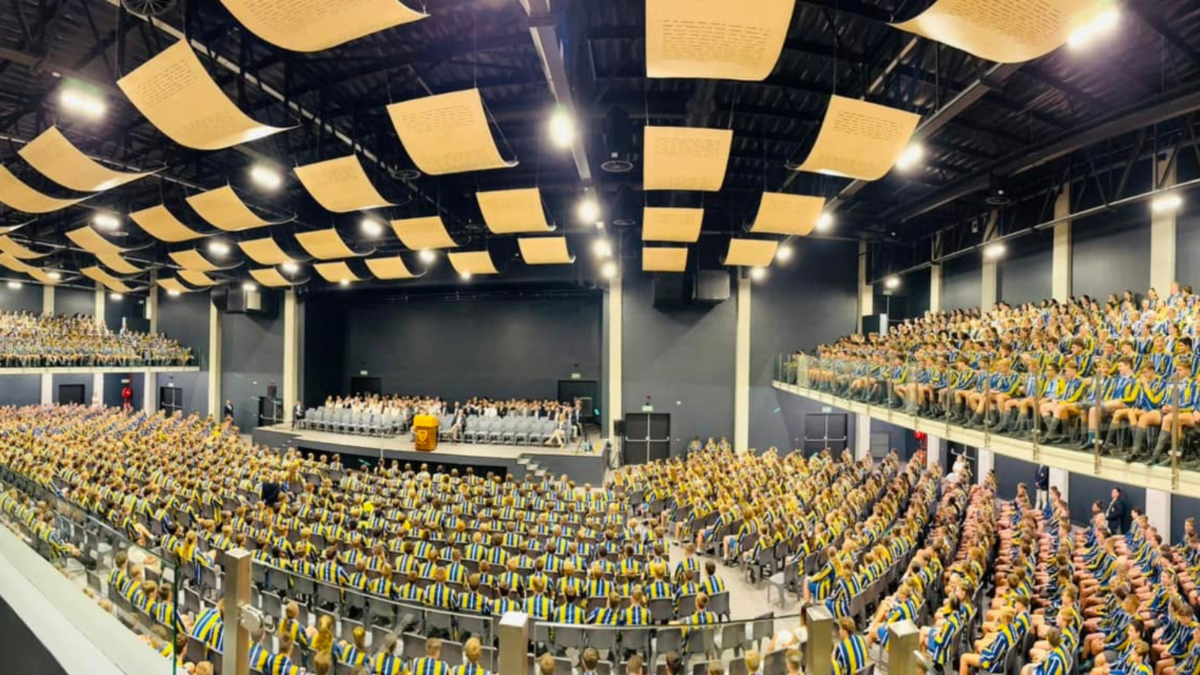
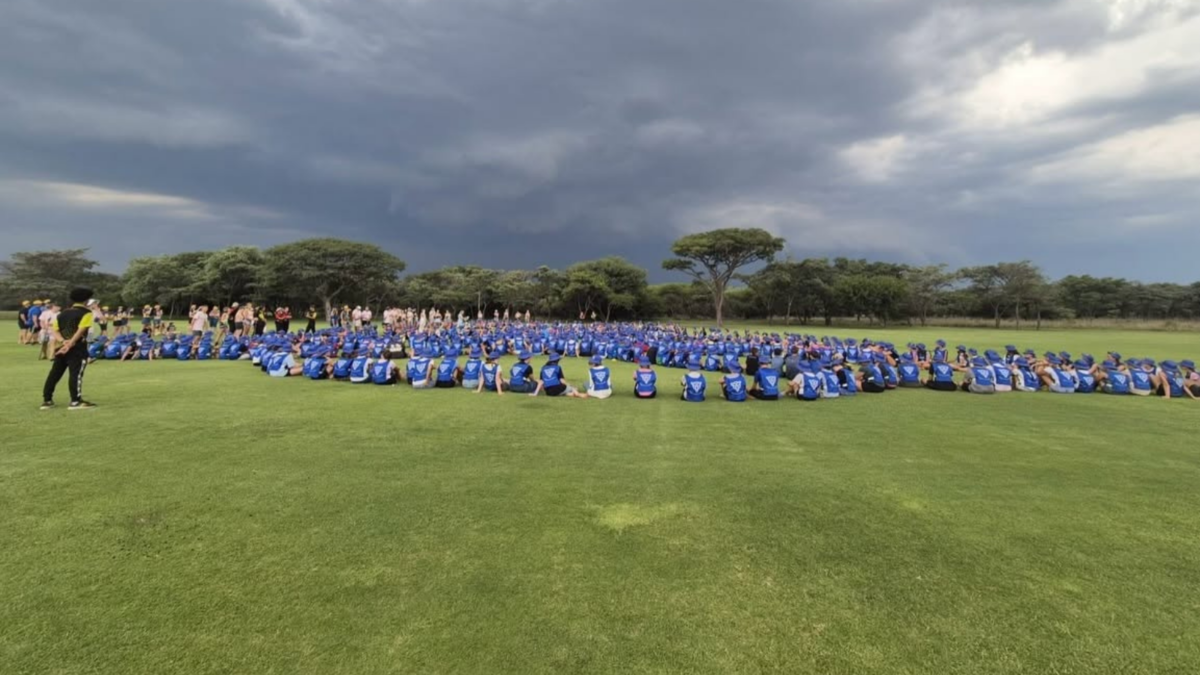
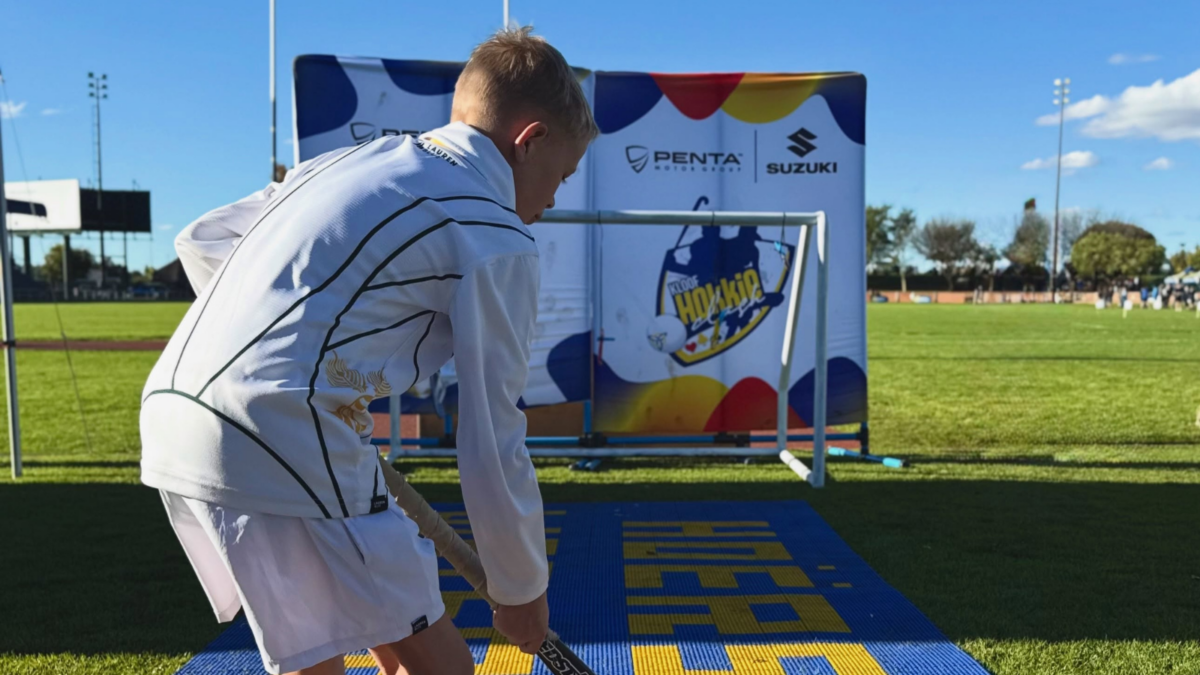
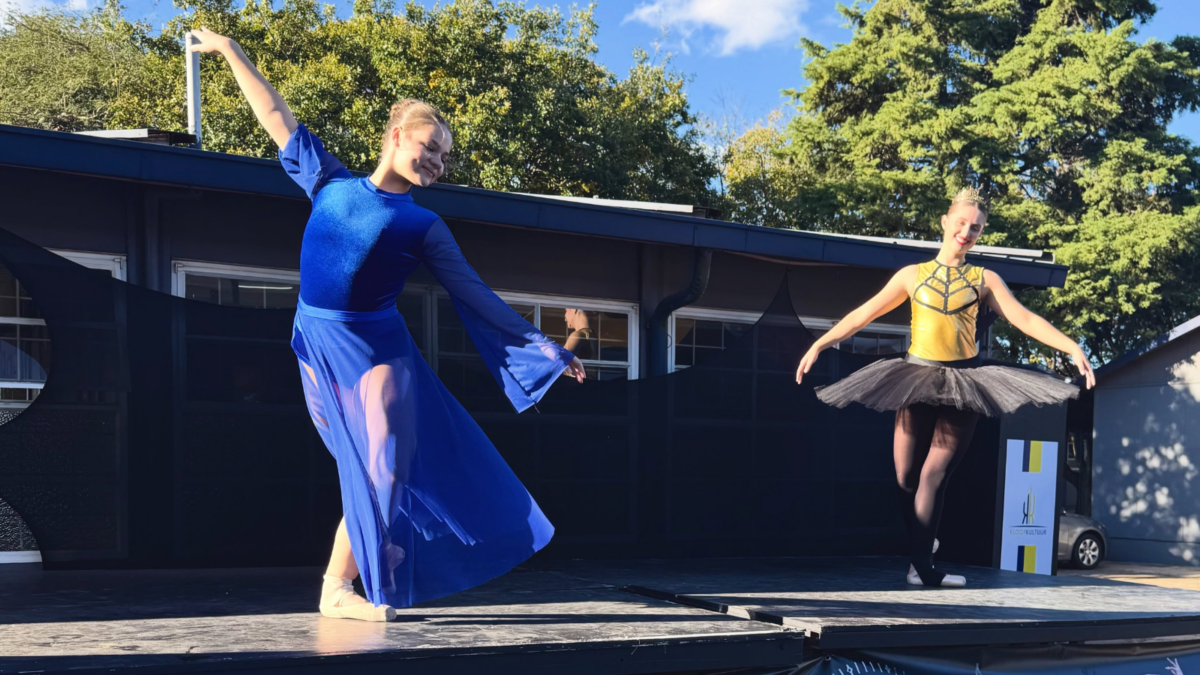
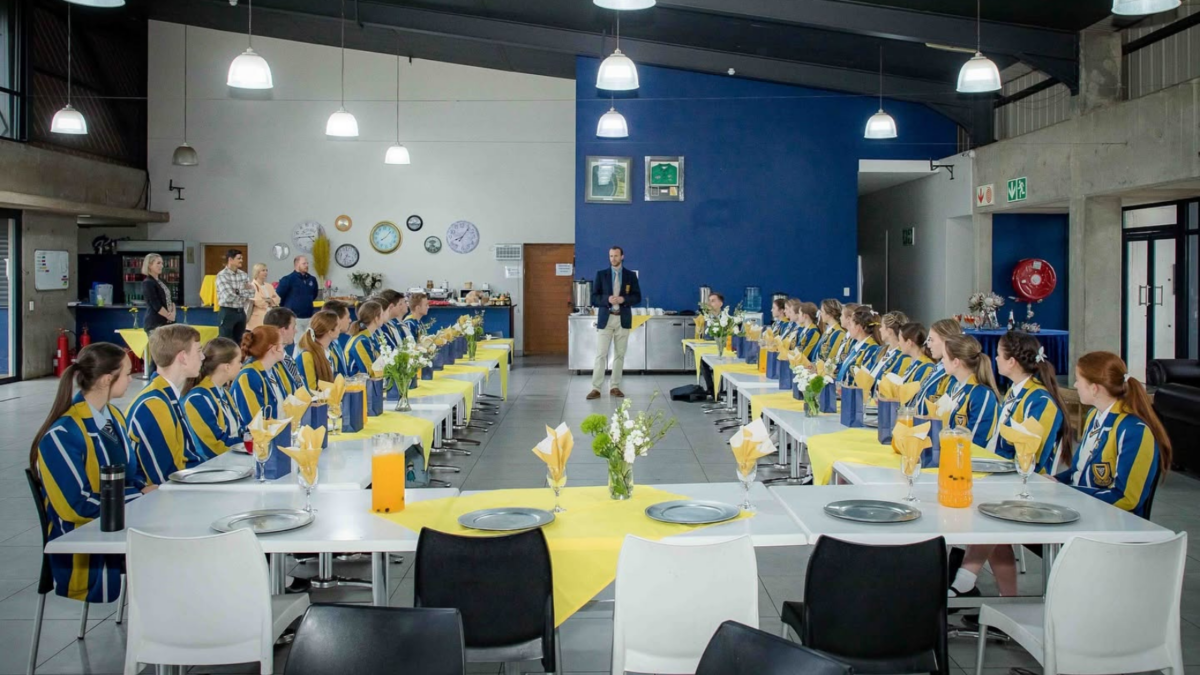
Photos of Hoërskool Waterkloof













 Loading ...
Kloffie is really one of best public from what I read and see on this post. I so wish all other schools especially our black schools can learn little by little from Kloffies.